Developers are building sophisticated, non-combat experiences in the Unreal Editor for Fortnite.
Maturity. The Fortnite Creative ecosystem is shifting from simple PvP shooter maps toward complex, genre-bending experiences like roguelikes.
The title prioritizes mechanics rooted in roguelike progression rather than reflexive PvP combat. This approach mirrors broader industry trends where niche micro-genres gain traction.
Engagement. Titles such as Havoc Hotel 2 are successfully leveraging roguelike progression mechanics to prioritize depth and replayability over traditional reflexive combat.
Professional game developers are increasingly using the Unreal Editor for Fortnite to build sophisticated content.
Viability. The Fortnite creative landscape is transitioning from a repository for amateur-built maps into a viable environment for professional-grade game design.
The majority of concurrent user traffic is still heavily concentrated in legacy PvP shooter modes.
The Fortnite user-generated content ecosystem is undergoing a subtle but significant shift as developers move beyond traditional player-versus-player shooter mechanics. While the platform’s Creative mode has historically been dominated by standard combat-oriented maps, the emergence of sophisticated, non-combat experiences—specifically roguelike titles—demonstrates a growing maturity in the types of content finding success within the Unreal Editor for Fortnite. This trend suggests that professional game developers are increasingly leveraging the platform to build complex, genre-bending experiences that challenge the long-standing dominance of simple shooter variants.
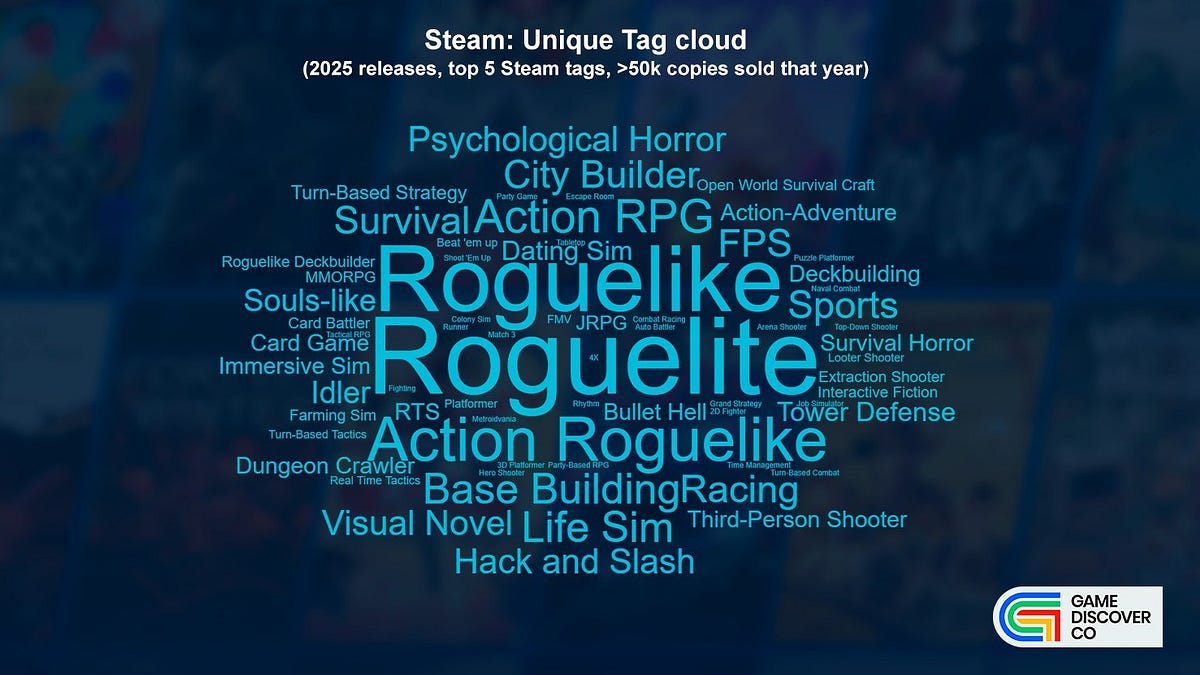
The rise of titles like Havoc Hotel 2 highlights a departure from the platform's typical engagement models. By prioritizing mechanics rooted in roguelike progression rather than reflexive PvP combat, these creators are capturing player interest through depth and replayability. This evolution mirrors broader industry trends where masocore and niche micro-genres gain traction by offering distinct, high-intensity challenges that stand out in a crowded marketplace. Such developments indicate that the Fortnite creative landscape is becoming a viable space for professional-grade game design rather than just a repository for amateur-built shooter maps.
Despite these emerging successes, the broader Fortnite Creative ecosystem remains in a nascent stage of development. The majority of concurrent user traffic is still heavily concentrated in legacy PvP shooter modes, suggesting that while innovation is occurring, it has yet to fully displace the platform's foundational gameplay loops. The ongoing transition reflects a wider industry movement toward platform-agnostic discovery, where high-quality, specialized gameplay experiences can thrive alongside established blockbusters. As professional developers continue to experiment with the platform's toolsets, the diversity of available content is expected to expand, potentially reshaping player expectations and engagement patterns within the Fortnite environment.