
ArticleGame Production Alchemist
Harvard Business Review Just Invented the Producer: A Study in Producer Cognition
8 Jun 20261 pages~10 min full read
The emergence of AI-driven development frameworks, specifically the Claude Code Game Studios (CCGS) project, highlights a critical disconnect between the promise of autonomous software creation and the practical requirements of project management. Despite garnering nearly 20,000 GitHub stars within three months of its 2026 launch, the framework failed to produce functional games for most users. The core thesis is that successful AI-assisted development requires the specific cognitive skillset of a traditional game producer—a role recently rebranded as an "agent manager" in broader business literature—rather than a passive reliance on autonomous agents.
Analysis of user activity on GitHub reveals that failure stems from treating AI as an autonomous engine rather than a studio hierarchy requiring human direction. Users who struggle often report frustration with excessive documentation and a lack of tangible output, mirroring the "gameslop" phenomenon where uncurated AI content fails to meet quality standards. Conversely, successful users treat the framework as a managing director would, focusing on three core competencies: reading the system state to identify drift, practicing active listening to discern signal from noise in agent outputs, and monitoring sentiment within project artifacts to preempt technical debt.
This trend reflects a broader industry challenge identified in 2026, where technical capabilities have outpaced the organizational maturity required to govern them. Data from industry reports, including findings from Deloitte and the RAND Corporation, indicate that a significant majority of AI projects fail to deliver value due to the absence of human oversight and governance. The game industry’s experience with AI-assembled titles further underscores that without the deliberate, structured intervention of a producer, AI agents cannot reliably produce competent, high-quality software. Ultimately, the skills required to manage AI agents are identical to those honed by game producers over the past three decades.

Game Production Alchemist · 2026

Game Production Alchemist · 2026

Game Production Alchemist · 2026

Game Production Alchemist · 2026
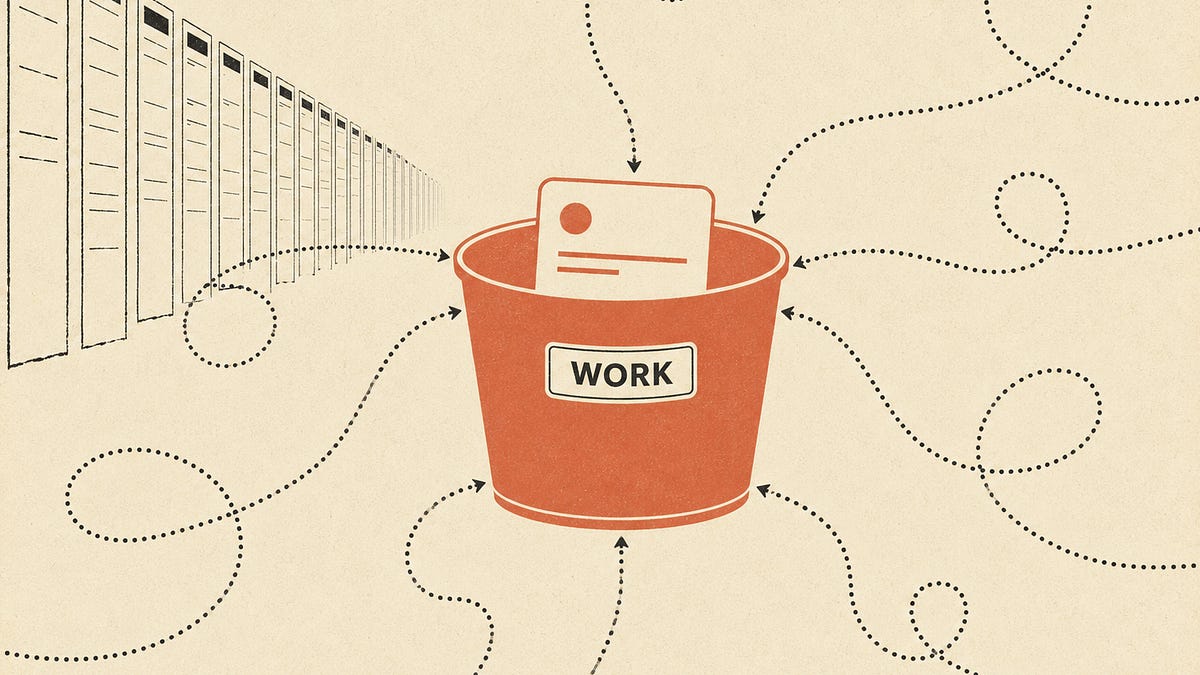
Game Production Alchemist · 2026

Game Production Alchemist · 2026

Game Production Alchemist · 2026

Game Production Alchemist · 2026

Game Production Alchemist · 2026

Game Production Alchemist · 2026
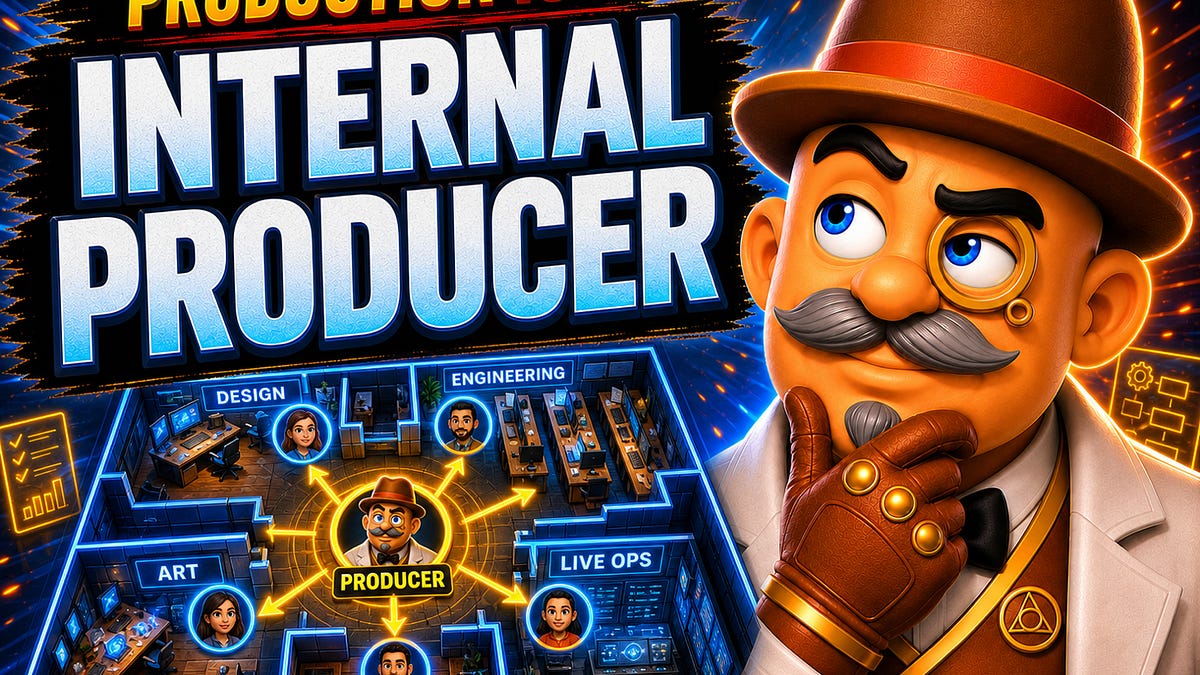
Game Production Alchemist · 2026

Game Production Alchemist · 2026
Game Developers Conference · 2025
Google Cloud · 2025
modl.ai · 2025
Informa · 2024
Drake Star Partners · 2024

Perforce · 2024
Modern Times Group
InvestGame
Poki · 2026
Sensor Tower · 2026
SocialPeta · 2026
GDC · 2026