Key insights
5 slides
Key number
Rockstar Games delayed Grand Theft Auto 6 to May 2026.
The announcement triggered an 8% decline in Take-Two Interactive’s share price.
What changed
Rockstar prioritizes long-term brand equity over short-term investor pressure.
The delay mirrors the studio's historical release patterns for Grand Theft Auto 5 and Red Dead Redemption 2. The strategy leverages a history of successful, albeit delayed, releases.
Competitive buffer
The postponement creates a competitive buffer for other publishers.
Grand Theft Auto 5 shows declining concurrent player activity and streaming viewership. A new flagship title is necessary to drive future growth.
Market buffer. The delay allows other publishers to release titles without competing directly against the anticipated blockbuster.
Engagement data
Industry engagement remains robust despite a general decline in consumer spending.
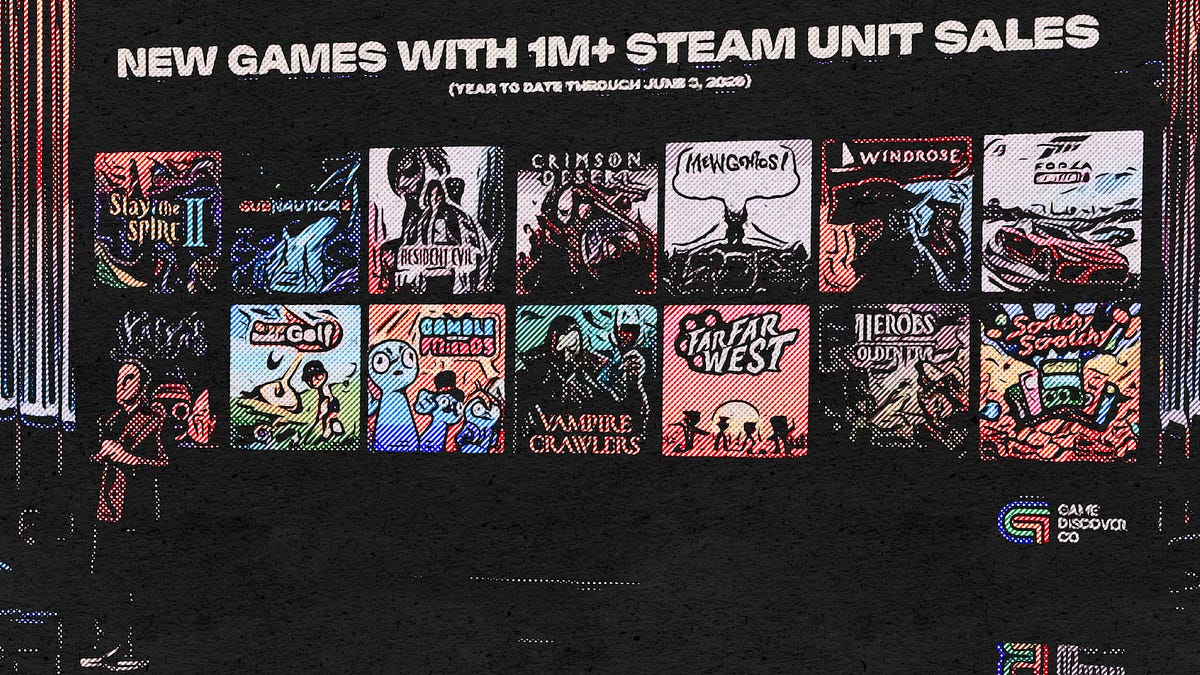
Roblox reached 98 million daily active users in Q1 2025. Steam recorded record-breaking concurrent player counts.
Development model
Rockstar’s development model relies on extreme secrecy and front-loaded costs.
The strategy ensures high-quality launches and minimizes financial risk.
Risk management. The strategy minimizes financial risk and secures long-term pricing power.
1 / 5
Ask AI about this report