1 free read left. Create a free account for unlimited reading + AI research.
Create free accountReport We Are Social
1 free read left. Create a free account for unlimited reading + AI research.
Create free accountReportWe Are Social
The global cost of living crisis is fundamentally reshaping consumer behavior, forcing a transition from traditional consumption patterns toward a redefined, multifaceted concept of value. As economic instability persists, individuals are increasingly skeptical of institutional promises and are actively rebelling against wealth inequality. This cultural shift is characterized by a move away from material acquisition as a status symbol, replaced by a focus on knowledge, sustainability, and personal agency. Data indicates that 81% of people feel directly impacted by the current economic climate, with 69% of social media users in the US and UK relying on influencers to identify cost-effective alternatives.
The analysis identifies four primary behavioral frameworks emerging from this crisis: new materialism, knowledge flexing, performative denial, and deliberate living. Consumers are increasingly engaging in "de-influencing" and "artisanal peacocking," where social capital is gained through DIY expertise and the ability to navigate economic constraints rather than through high-end spending. Simultaneously, younger generations are utilizing "recession-core" aesthetics and role-playing to cope with financial pressure, while others prioritize "tactical extravagance," protecting specific luxury experiences despite broader austerity.
For brands, the findings suggest that traditional price-focused messaging is no longer sufficient to maintain consumer loyalty. Success in this environment requires facilitating community-led knowledge sharing, embracing lo-fi and authentic content, and gamifying the customer experience to provide both utility and emotional relief. By shifting focus toward shared values, transparency, and the "joy of savvy" spending, brands can remain resilient. Ultimately, the research concludes that in an era of economic flux, value is increasingly determined by what a consumer knows and how they curate their lifestyle, rather than simply what they can afford to purchase.
We Are Social · 2024
We Are Social · 2023

Statista · 2022
We Are Social · 2022
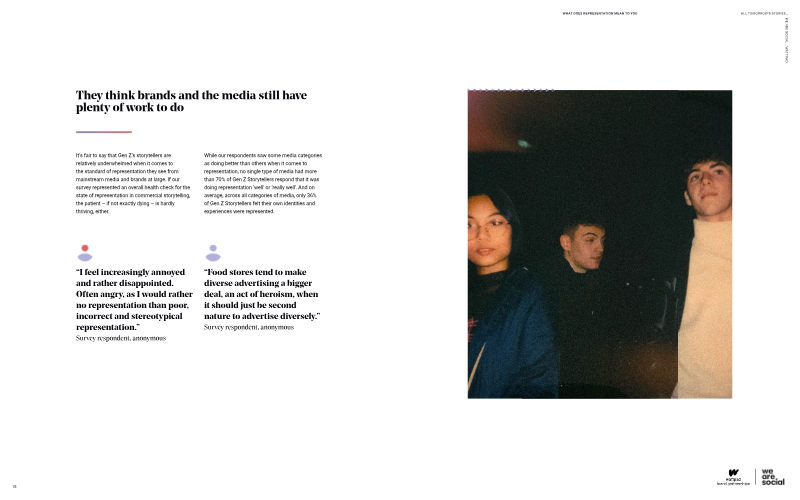
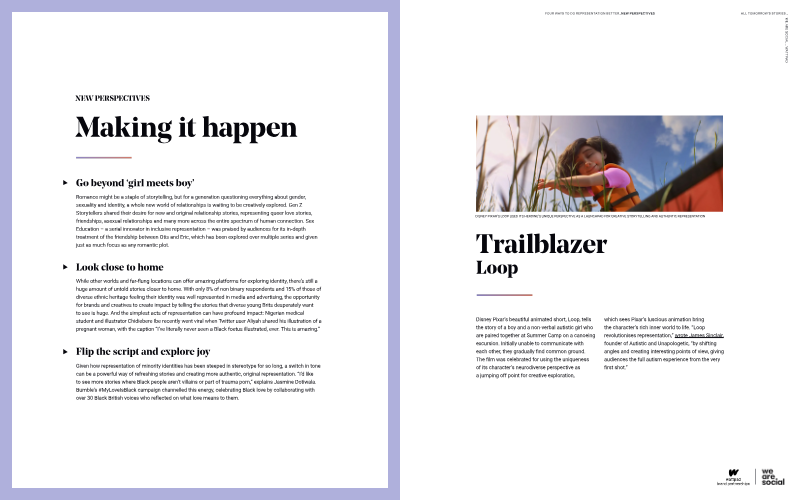
We Are Social · 2022
We Are Social · 2022
We Are Social · 2022
We Are Social · 2021
We Are Social · 2020
We Are Social · 2019
We Are Social · 2019
Two & a Half Gamers · 2026