1 free read left. Create a free account for unlimited reading + AI research.
Create free accountReport We Are Social
1 free read left. Create a free account for unlimited reading + AI research.
Create free accountReportWe Are Social
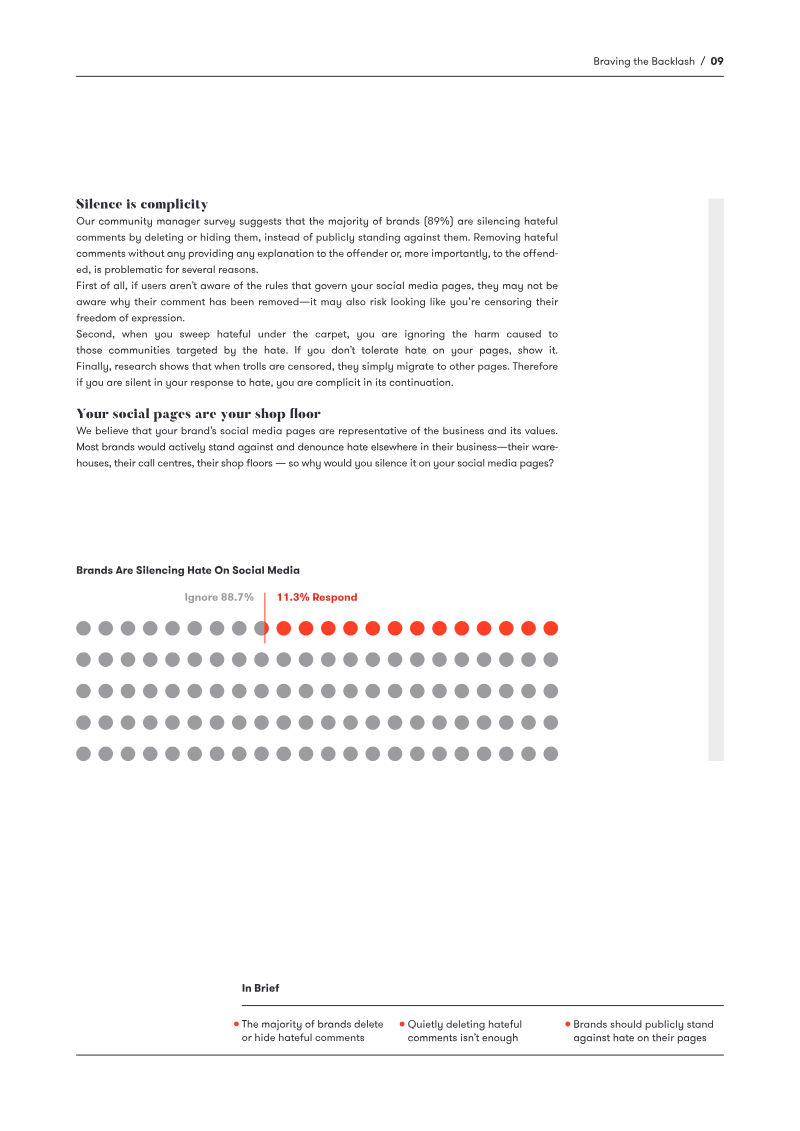
Nearly 89% of brands silently delete or hide offensive comments.
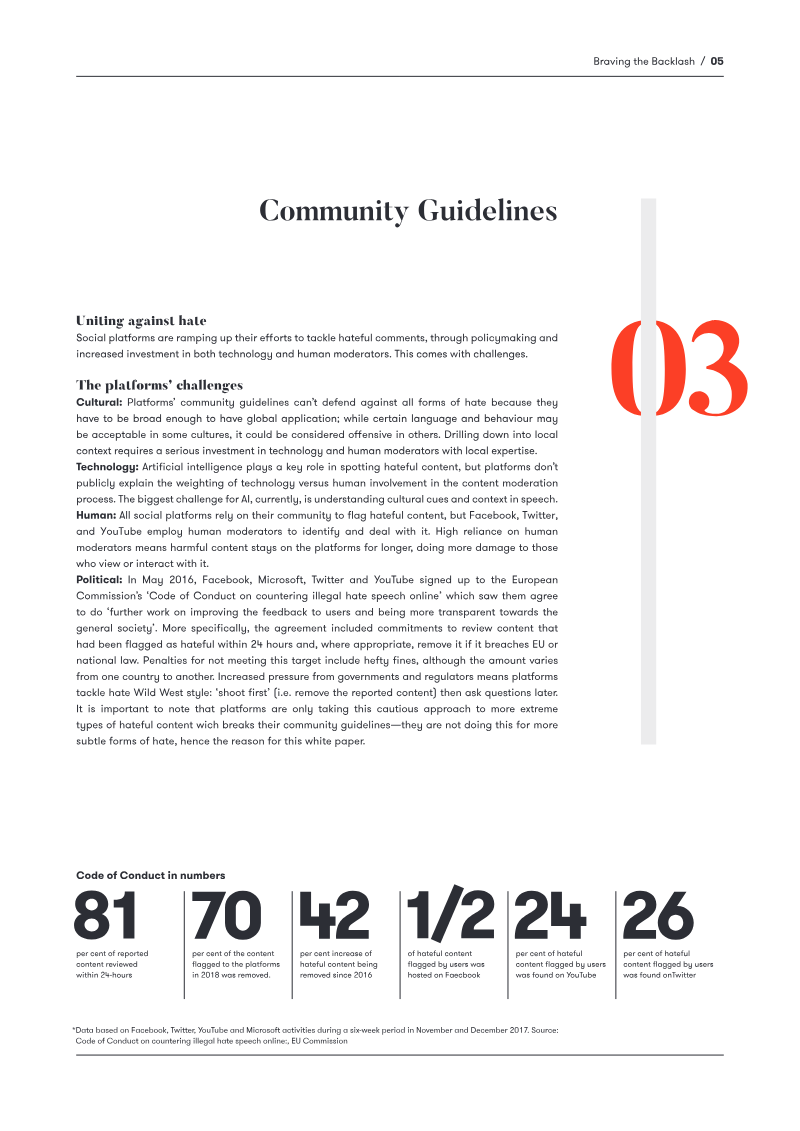
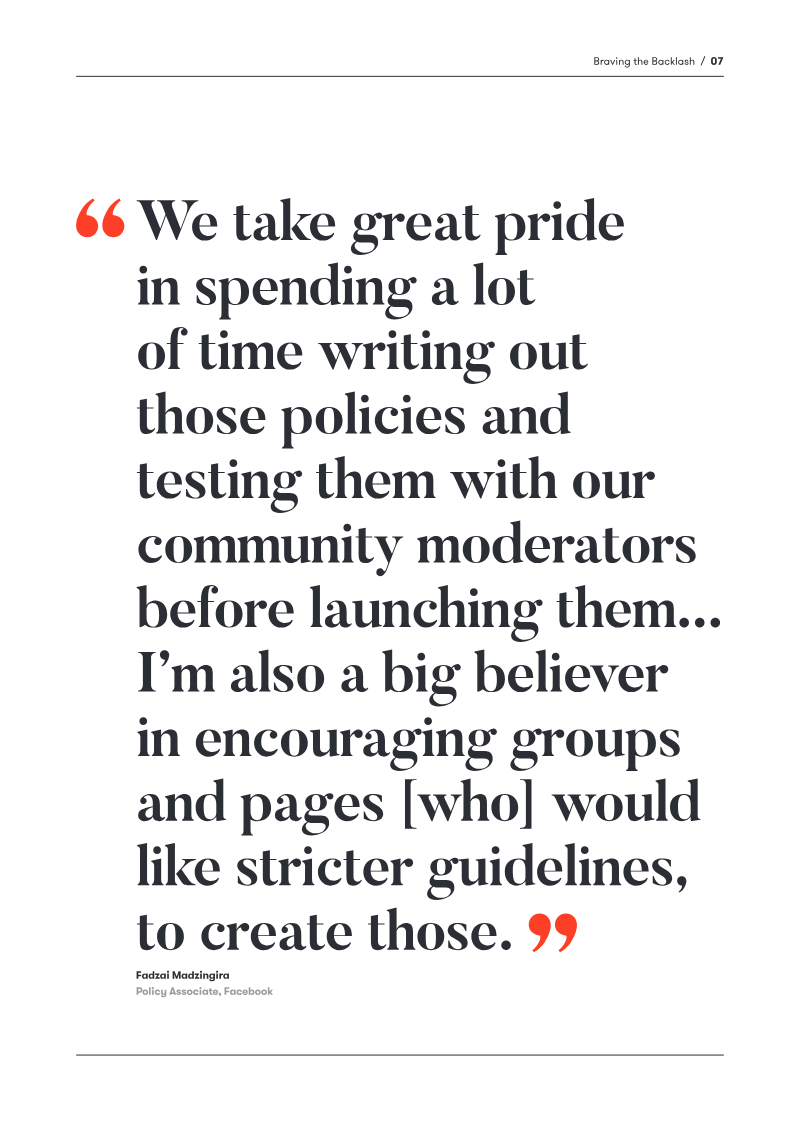
Online hate speech has become a pervasive challenge for brands, particularly as inclusive marketing initiatives frequently trigger organized backlash. While major social media platforms continue to invest in automated and human moderation to meet international regulatory standards, these systemic efforts often fail to capture nuanced or subtle forms of harassment. Consequently, brands must move beyond reliance on platform-level tools and establish independent, proactive anti-hate policies that prioritize the safety of marginalized communities over passive moderation strategies.
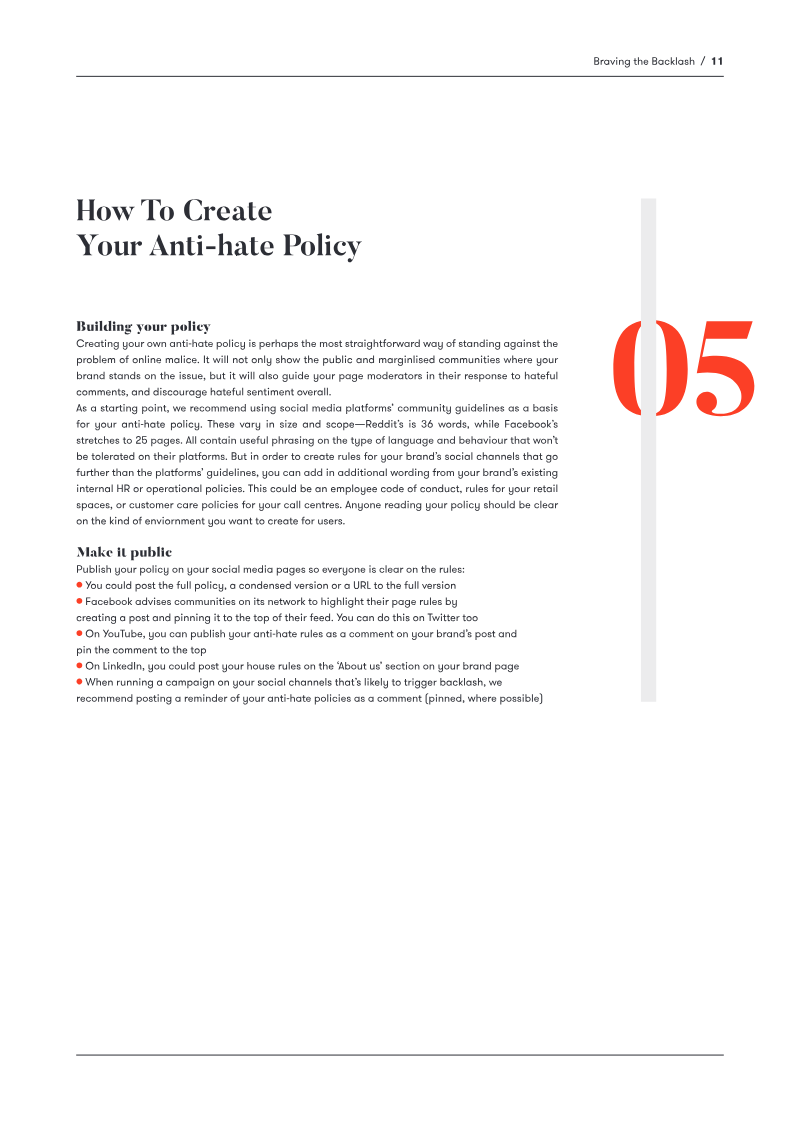
Current industry practices remain largely reactive and insufficient, with nearly 89% of brands opting to silently delete or hide offensive comments. This approach is counterproductive, as it fails to address the root of the hostility and can be perceived as complicit. Instead, organizations should adopt the Report-Reply-Remain model, which provides a structured framework for categorizing and challenging hateful content. By publicly displaying clear community standards that exceed baseline platform requirements, brands can foster a self-policing environment that discourages toxicity while maintaining a consistent, professional stance.
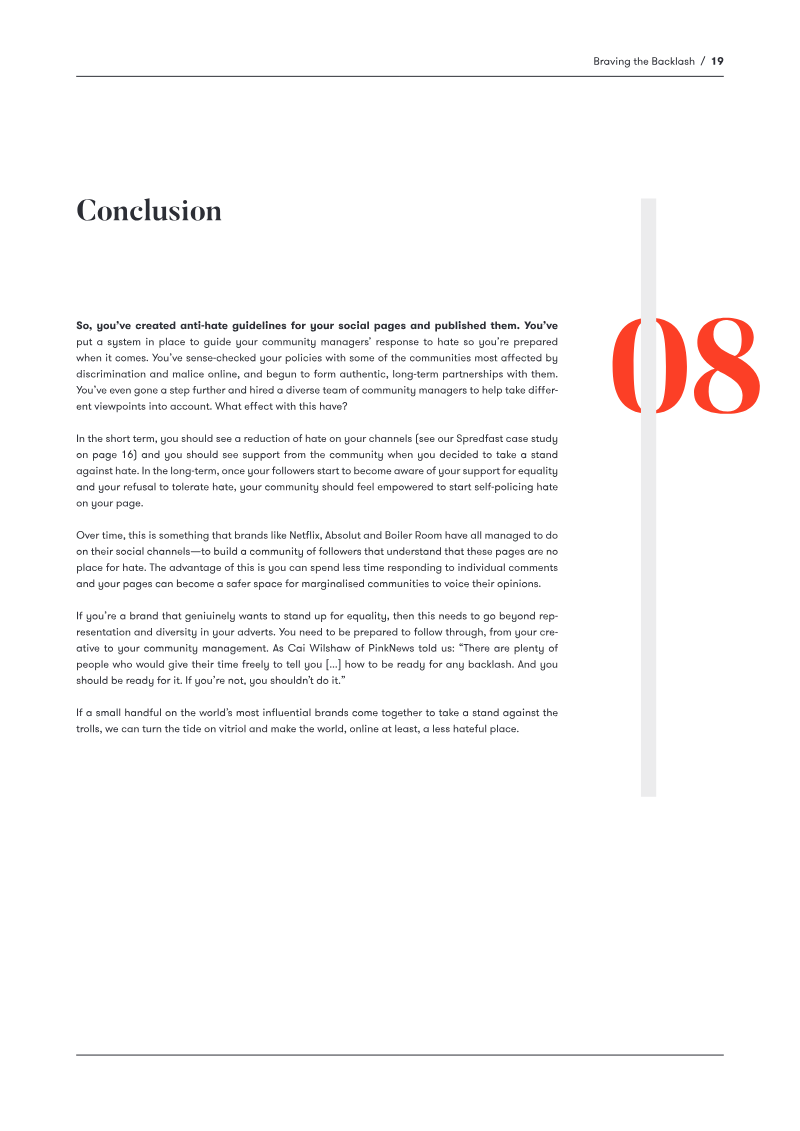
Effective management of digital backlash requires a shift toward authentic, long-term engagement rather than performative tokenism. Brands must integrate their public-facing anti-hate policies with internal corporate values and cultivate genuine partnerships with the communities they represent. By implementing robust monitoring tools and committing to transparent response timeframes, companies can mitigate the impact of harassment and build more resilient, inclusive digital spaces. Ultimately, consistent enforcement of these standards reduces the long-term burden on moderation teams and strengthens brand integrity in an increasingly polarized online landscape.
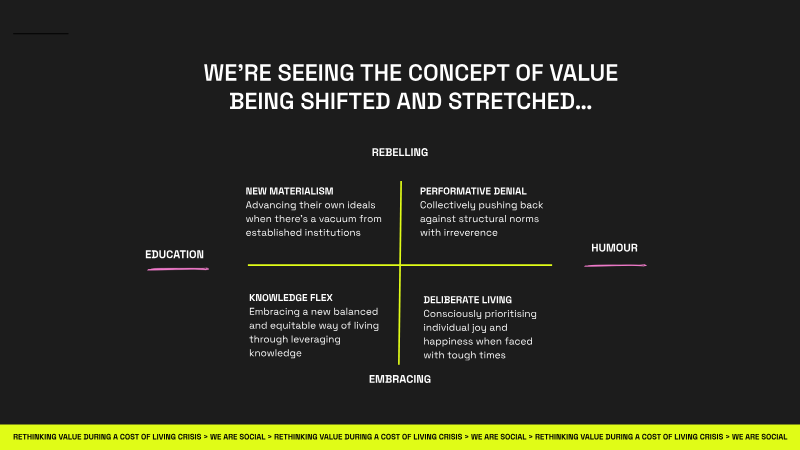
We Are Social · 2023

We Are Social · 2023
We Are Social · 2022

We Are Social · 2022
We Are Social · 2022
We Are Social · 2022
We Are Social · 2021
We Are Social · 2020
We Are Social · 2019
We Are Social · 2019
Mobile Dev Memo · 2026