The analysis explores the societal relevance of esports and its relationship with traditional organized sports, arguing that the formal classification of esports as a sport is secondary to its broader cultural and structural impact. The core thesis posits that sport is a dynamic, evolving concept shaped by societal shifts, and that esports shares significant structural and organizational parallels with traditional athletic competitions, including league structures, event staging, and the capacity for emotional engagement.
Key findings emphasize that esports functions similarly to traditional sports by fostering social bonds, providing a platform for brand communication, and offering participants experiences of competence and achievement. Furthermore, the analysis highlights observable transfer effects, such as the acquisition of tactical knowledge and the refinement of eye-hand coordination, which have relevance in both real-world sports and professional contexts. The integration of esports into the organized sports sector is presented as a strategic opportunity to promote responsible media usage among youth, particularly given the inherent risks associated with digital gaming.
The scope of this discussion is centered on the German sports landscape, specifically following a 2017 expert hearing held by the Hamburg Parliament regarding the integration of esports. By framing esports as a manifestation of competitive digital play, the analysis advocates for a pragmatic approach that acknowledges the convergence of digital gaming and traditional physical activity, ultimately suggesting that organized sports institutions have a responsibility to engage with this phenomenon rather than exclude it.
Gamecity Hamburg
Gamecity Hamburg
Gamecity Hamburg

Gamecity Hamburg
Gamecity Hamburg

Gamecity Hamburg

Gamecity Hamburg

Gamecity Hamburg
Gamecity Hamburg
Gamecity Hamburg

Gamecity Hamburg
Gamecity Hamburg
Sport1 · 2019
game – Verband der deutschen Games-Branche e. V. · 2018
game – Verband der deutschen Games-Branche e. V.
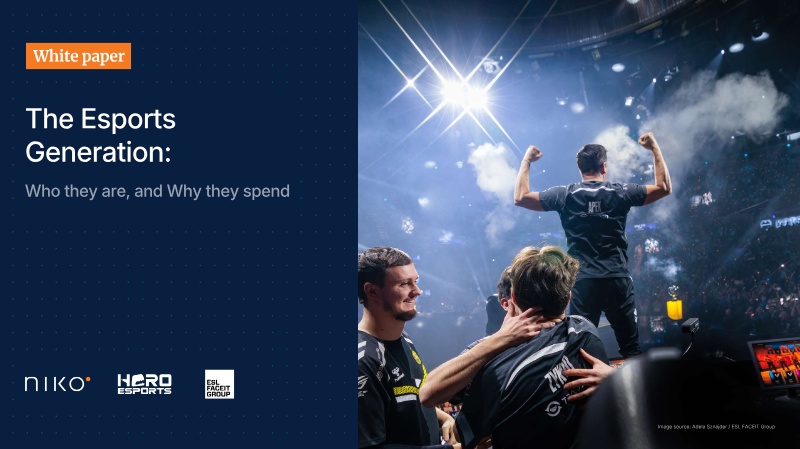
Niko Partners · 2026
Ocean Entertainment Group · 2026
GamesBeat · 2026

SpielFabrique · 2026
Decision Lab · 2026
Deloitte · 2026
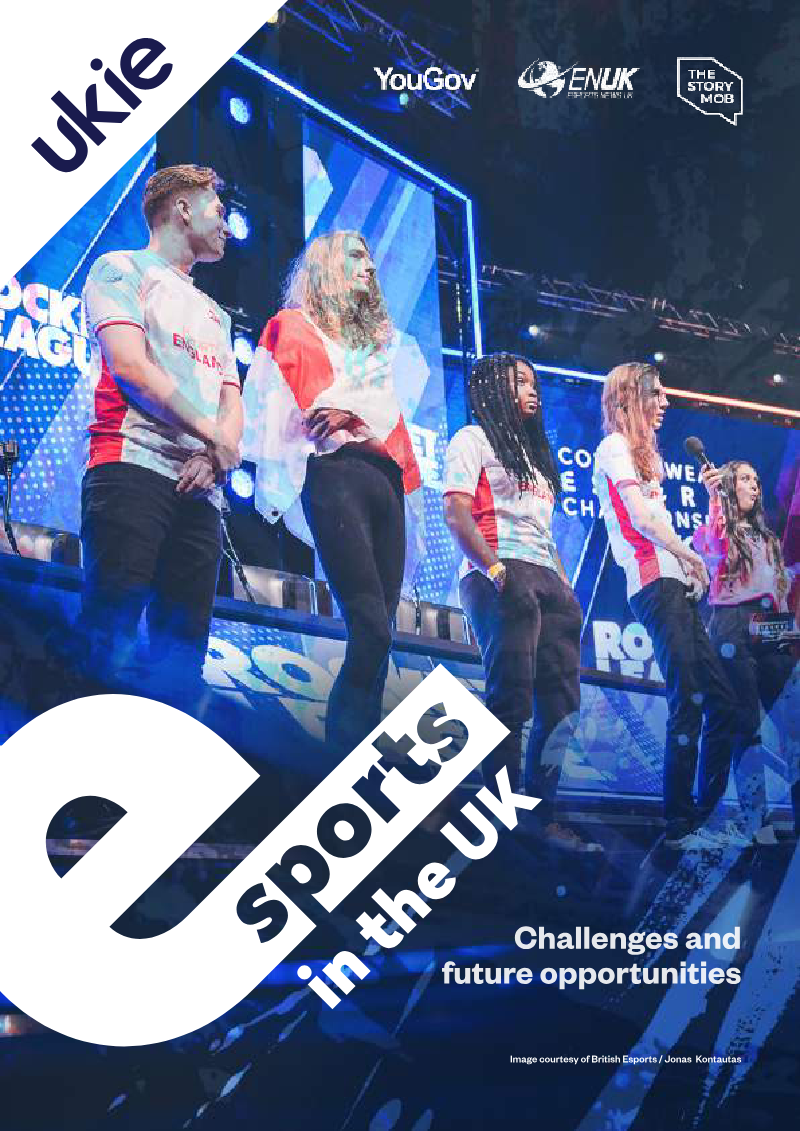
British Esports · 2025
Ukie · 2025
InvestGame · 2025