GameStop Corp.’s financial performance for the second quarter of 2020 reflects a period of intense operational transition and fiscal strain, primarily driven by the global COVID-19 pandemic and the natural end-of-cycle decline in current-generation gaming hardware. During the 13-week period ending August 1, 2020, the company recorded a net loss of $111.3 million, a figure that nonetheless represents an improvement over the $415.3 million loss reported in the same period of 2019. Net sales for the first half of the year fell to $1.96 billion, down from $2.83 billion in the prior year, as temporary store closures and a shift toward lower-margin product mixes hampered overall profitability across all geographic segments.
To navigate these headwinds, the company aggressively pursued a liquidity-focused strategy under its "GameStop Reboot" transformation plan. This included significant cost-saving measures such as executive pay cuts, reduced capital expenditures, and the divestiture of corporate assets, including aircraft and headquarters facilities in Australia and Canada. These efforts were bolstered by debt restructuring, specifically the exchange of 2021 Senior Notes for 2023 Senior Notes, and the utilization of government-backed relief programs like the CARES Act. While traditional retail sales suffered, the company experienced a notable 800% surge in e-commerce activity, signaling a critical shift in its consumer engagement model.
As of August 2020, the company maintained a cash position of $735.1 million and successfully managed its revolving credit facilities to ensure operational continuity. Despite the ongoing risks associated with high indebtedness and restrictive financial covenants, management asserts that current liquidity levels are sufficient to support ongoing operations and long-term strategic initiatives. The company remains focused on optimizing inventory and managing its lease portfolio, which includes operating lease liabilities totaling $694.3 million, as it prepares for the next generation of gaming hardware and continued digital transformation.
GameStop · 2026
GameStop · 2026
GameStop · 2025
GameStop · 2025
GameStop · 2025
GameStop · 2025
GameStop · 2024
GameStop · 2024
GameStop · 2023
GameStop · 2022
GameStop · 2022
GameStop · 2021
UnitedHealth Group
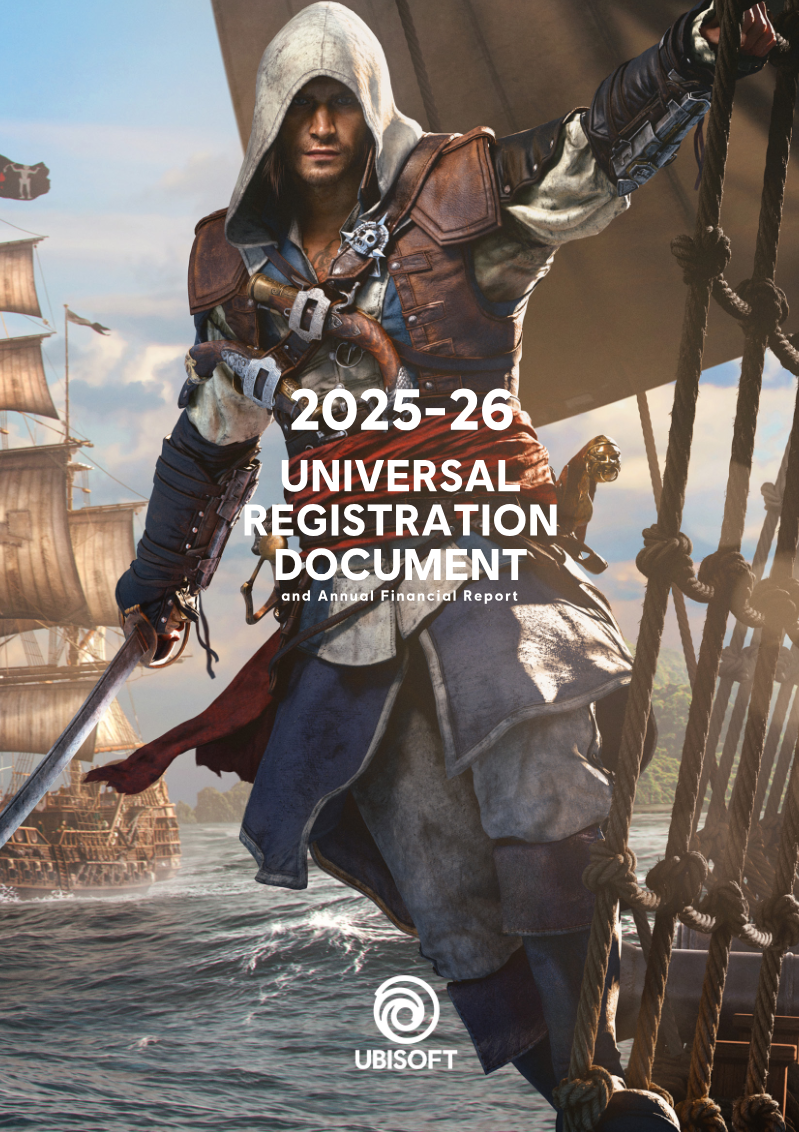
Ubisoft · 2026
Sony Group Corporation · 2026
Enthusiast Gaming Holdings · 2026
Drake Star Partners · 2026
Aream & Co · 2026
Capcom · 2026
Modern Times Group · 2026
Bandai Namco · 2026
Aream & Co · 2026
Take-Two Interactive · 2026
Take-Two Interactive · 2026