Sony’s decision to increase the retail price of the PlayStation 5 in major global markets—excluding the United States—represents a strategic shift driven by macroeconomic pressures. While the company cited high inflation and unfavorable currency exchange rates as the primary catalysts, the move suggests a prioritization of profit maximization and fiscal discipline over brand sentiment. Because the console remains supply-constrained, the price hike is unlikely to impact immediate demand; however, the long-term implications for Sony’s market share remain uncertain once hardware availability stabilizes.
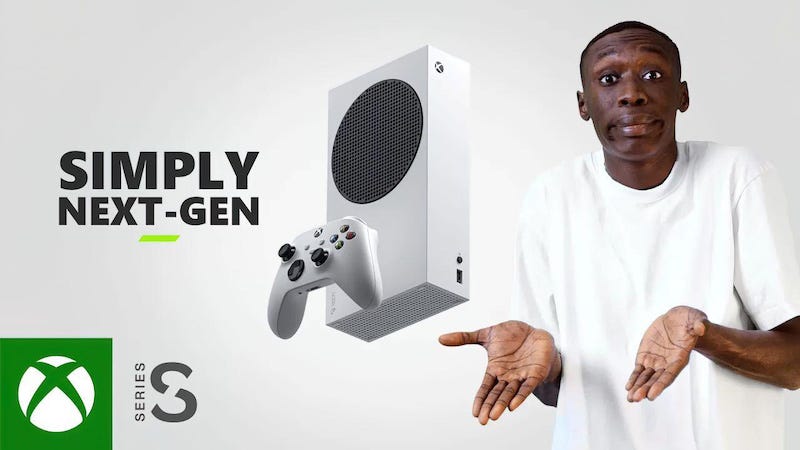
The competitive landscape highlights a divergence in strategy between the major platform holders. While Sony leans into its premium brand positioning, Microsoft has maintained pricing for the Xbox Series X and S, aggressively marketing the more affordable Series S alongside the Game Pass subscription service. Data from Amazon reviews and retail availability suggest that the Series S is successfully capturing the entry-level next-gen market, a segment Sony currently lacks a dedicated low-cost answer for, especially as the PlayStation 4 becomes harder to find at competitive price points.
Beyond hardware, the industry is seeing a rise in sophisticated exploitation of platform features. A notable case involving the game Brok the InvestiGator revealed how bad actors use the Steam Curator system to solicit keys for resale on grey markets, issuing retaliatory negative reviews when provided with limited "prologue" keys instead of full game licenses. This underscores ongoing challenges in digital discovery and the need for developers to utilize direct distribution tools like Curator Connect to mitigate fraud. Meanwhile, the broader industry continues to pivot toward multi-platform ecosystems, with Sony expanding into mobile through the acquisition of Savage Game Studios and Microsoft exploring family-plan subscription models to broaden the reach of Game Pass.

GameDiscoverCo · 2026

GameDiscoverCo · 2026
GameDiscoverCo · 2026

GameDiscoverCo · 2026

GameDiscoverCo · 2026
GameDiscoverCo · 2026
GameDiscoverCo · 2026

GameDiscoverCo · 2026
GameDiscoverCo · 2026
GameDiscoverCo · 2026
GameDiscoverCo · 2026
GameDiscoverCo · 2026
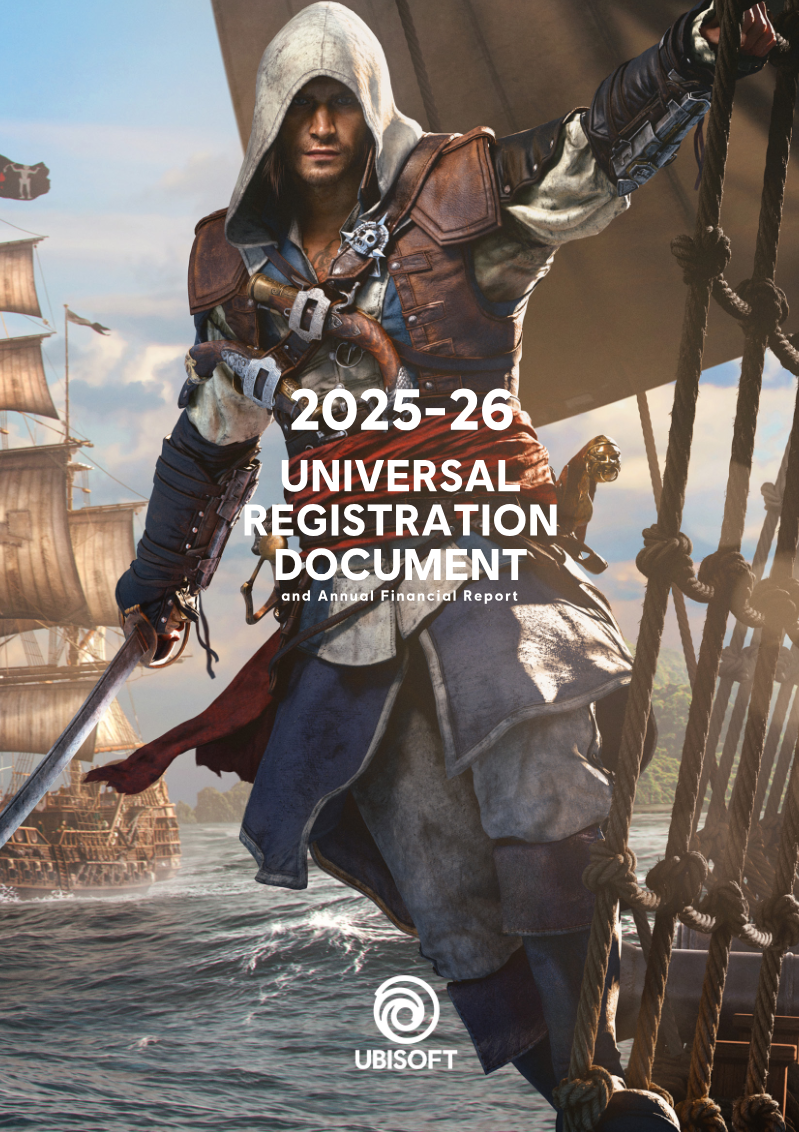
Ubisoft · 2026
Newzoo · 2026
Newzoo · 2026
Aream & Co · 2026
Take-Two Interactive · 2026
Epyllion · 2026
Aream & Co · 2025
Aream & Co · 2025
Newzoo · 2025
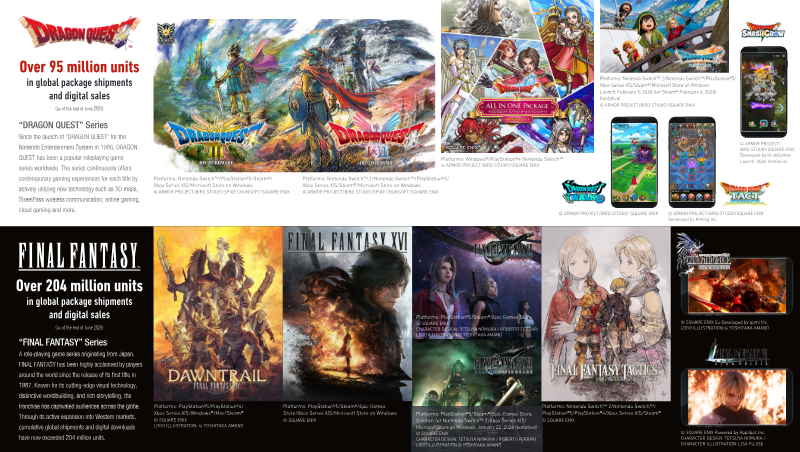
Square Enix · 2025
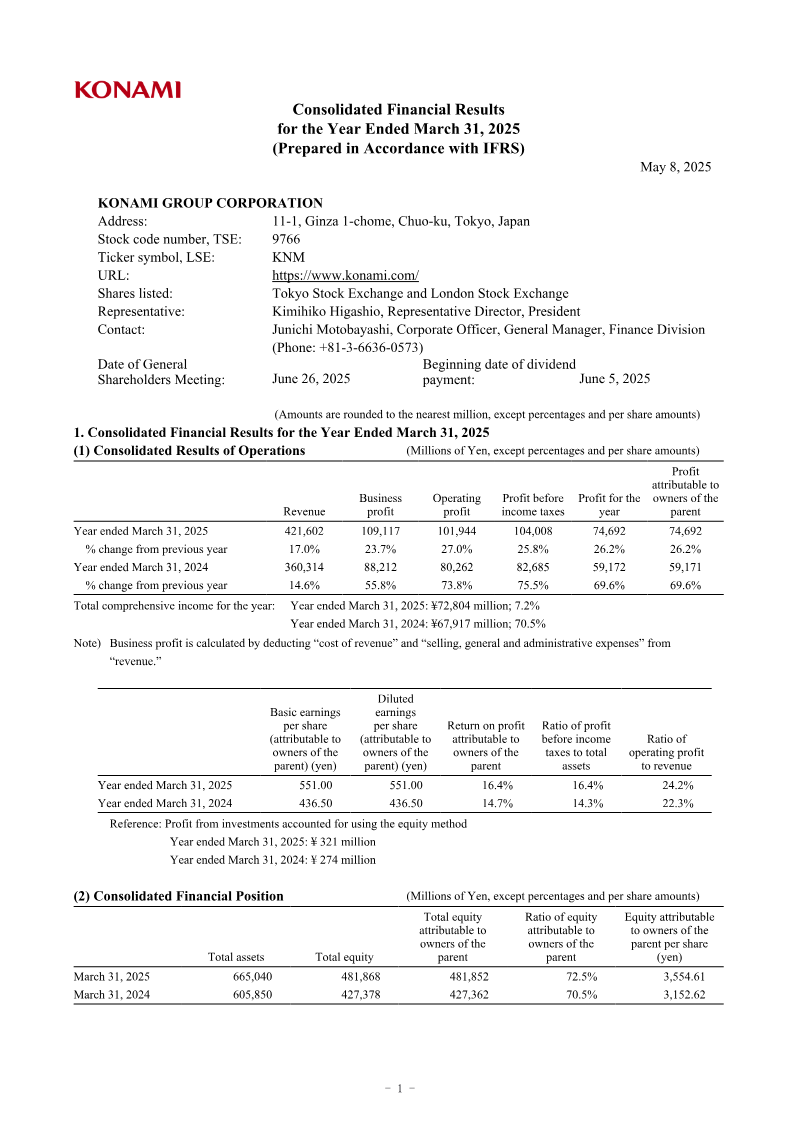
Konami · 2025
Epyllion · 2025