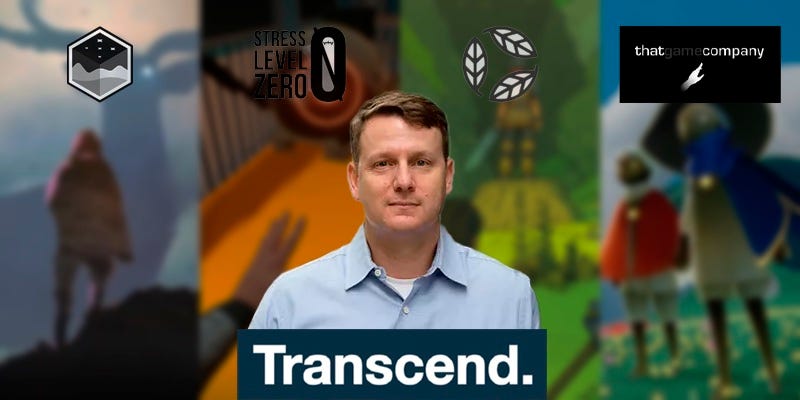
This analysis explores the intersection of venture capital and game discovery, primarily through an interview with Transcend Fund regarding their investment criteria for PC, console, and VR studios. The central thesis posits that venture capital interest is increasingly driven by the massive scalability of games in the 2020s, where "audience-first" strategies and social connectivity serve as primary engines for growth.
Key findings indicate that venture capitalists prioritize three main pillars: a proven track record from founders, a clear mechanism for aggressive player retention and scaling, and a unique approach to a universal market. While multiplayer functionality is not strictly required, it is highly valued as a "social object" that facilitates viral discovery and long-term engagement. Data highlights include the commercial success of titles like Sky: Children of Light and the emergence of non-violent social MMOs like Palia as evidence that the industry is moving beyond niche hobbyist segments toward a global, connected audience.
The scope of the analysis extends to the Meta Quest VR market, utilizing data from approximately 350 games on the official store. Findings reveal a median gross revenue of $1.02 million per title, with a median sales figure of 59,900 units. This performance is attributed to Meta’s curated "supply/demand" approach compared to more open platforms. Methodology for these estimates relies on a "ratings-to-sales" multiplier, with a median of 108x.
Broader industry statistics from 2021 show Steam’s continued dominance, with 69 million daily active players and total spend increasing 27% year-over-year. However, market saturation remains a challenge; data suggests 57% of developers on Steam have not surpassed $1,000 in gross revenue, while only 1,600 developers have exceeded the $1 million threshold. These figures underscore the high-risk, high-reward nature of the current gaming landscape that venture capital seeks to navigate.
GameDiscoverCo · 2026
GameDiscoverCo · 2026
GameDiscoverCo · 2026

GameDiscoverCo · 2026

GameDiscoverCo · 2026
GameDiscoverCo · 2026
GameDiscoverCo · 2026

GameDiscoverCo · 2026
GameDiscoverCo · 2026
GameDiscoverCo · 2026
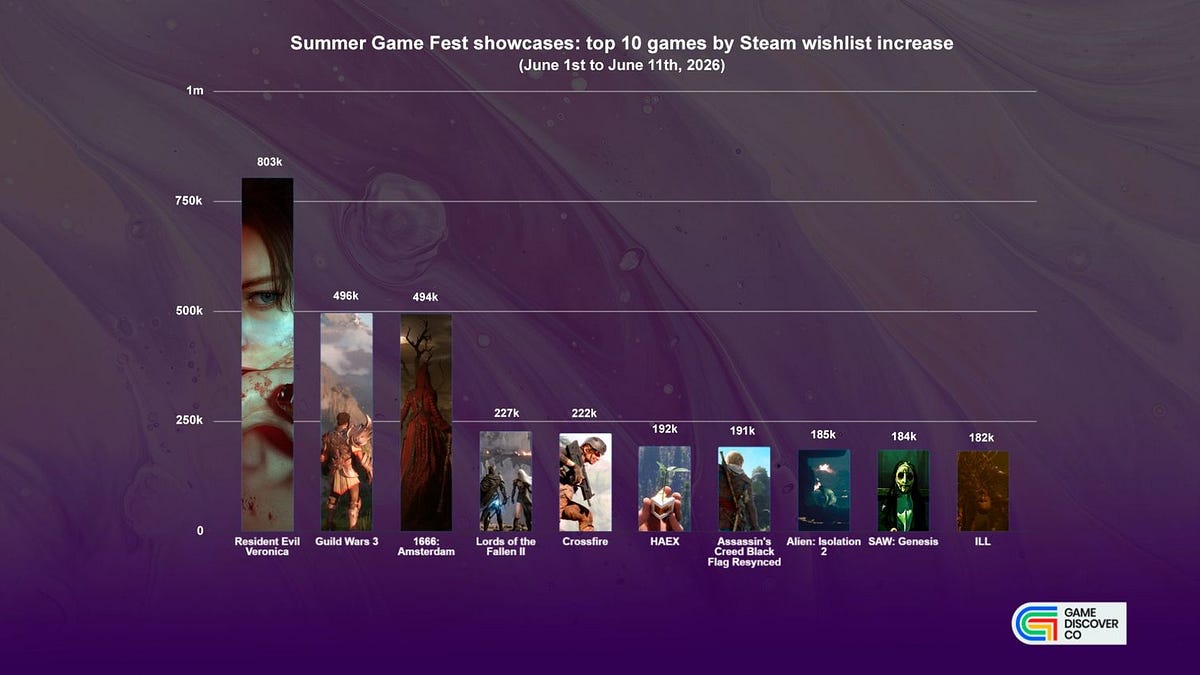
GameDiscoverCo · 2026
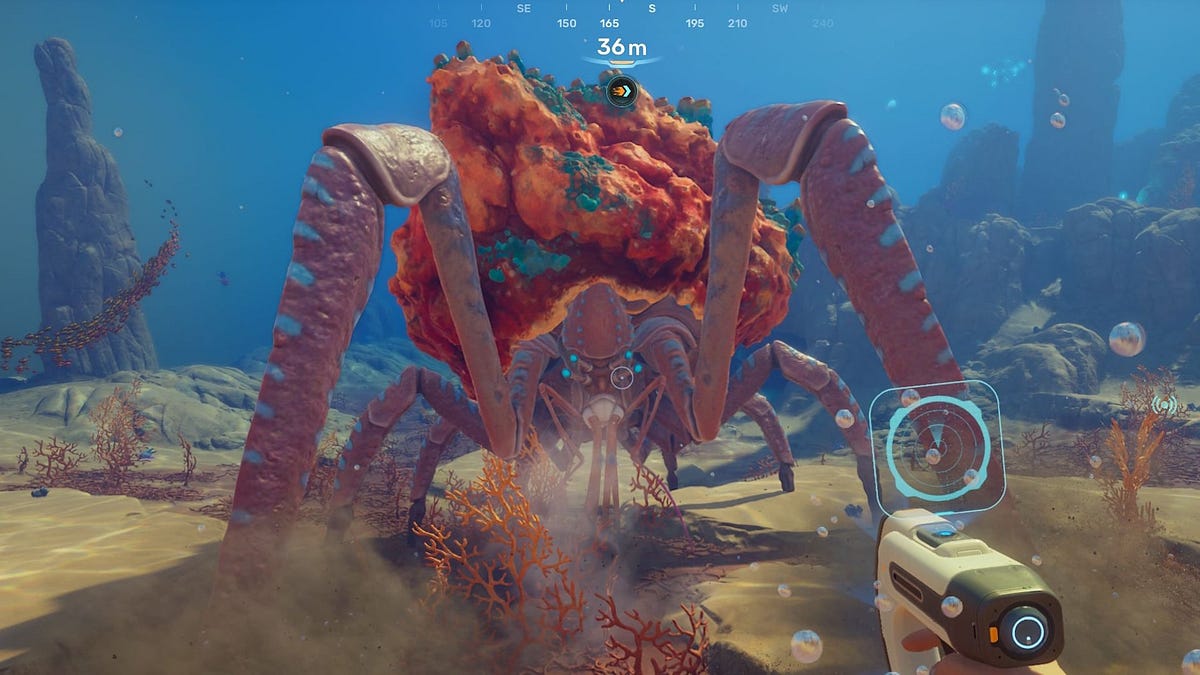
GameDiscoverCo · 2026
Konvoy · 2022
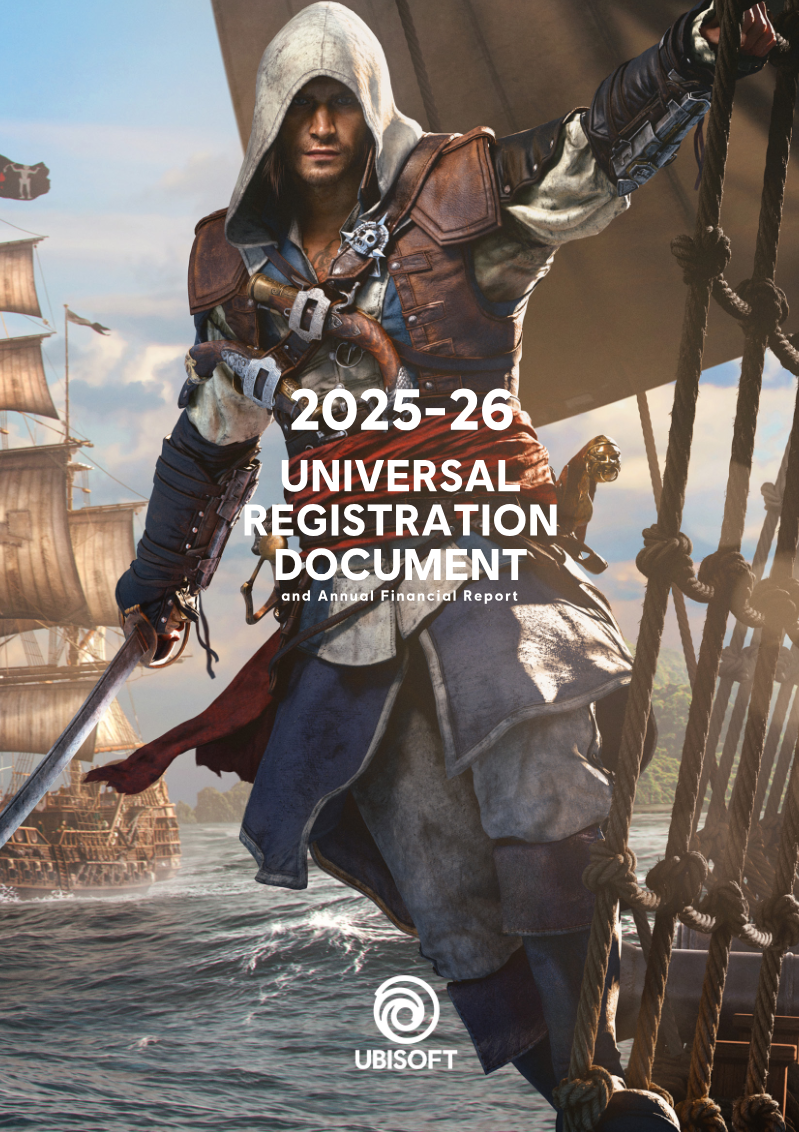
Ubisoft · 2026
Sony Group Corporation · 2026
Enthusiast Gaming Holdings · 2026
Drake Star Partners · 2026

Aream & Co · 2026
Capcom · 2026

Modern Times Group · 2026
Bandai Namco · 2026
Aream & Co · 2026
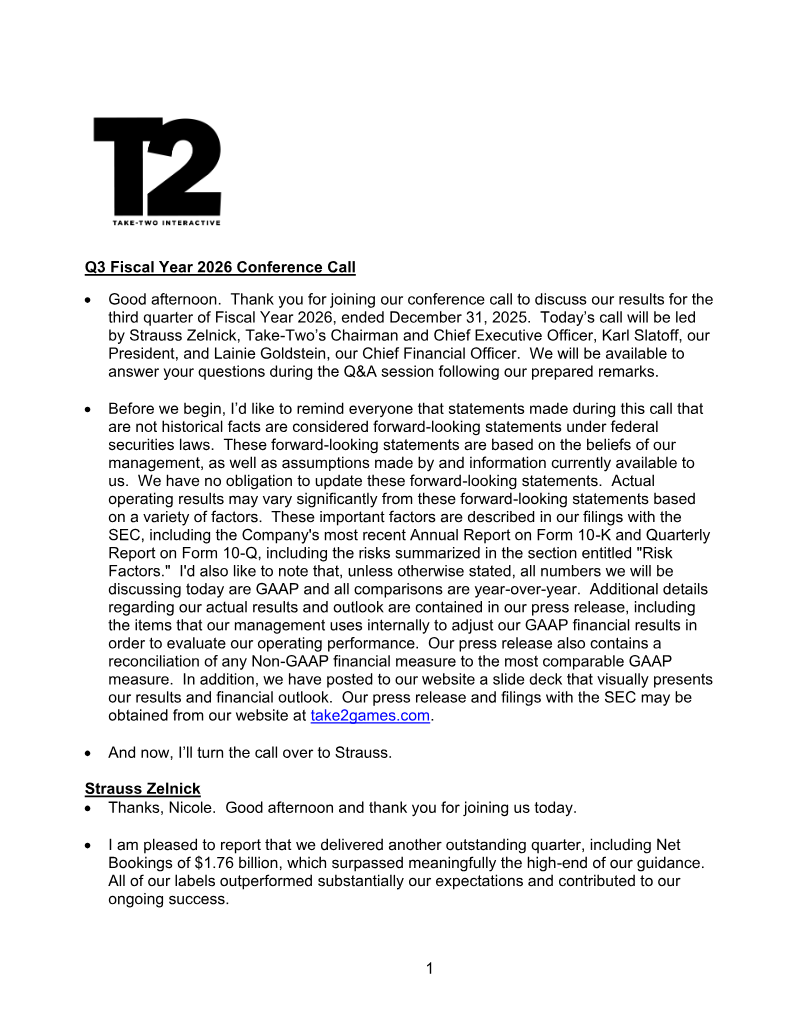
Take-Two Interactive · 2026
Take-Two Interactive · 2026