1 free read left. Create a free account for unlimited reading + AI research.
Create free accountArticle Naavik
1 free read left. Create a free account for unlimited reading + AI research.
Create free accountArticleNaavik
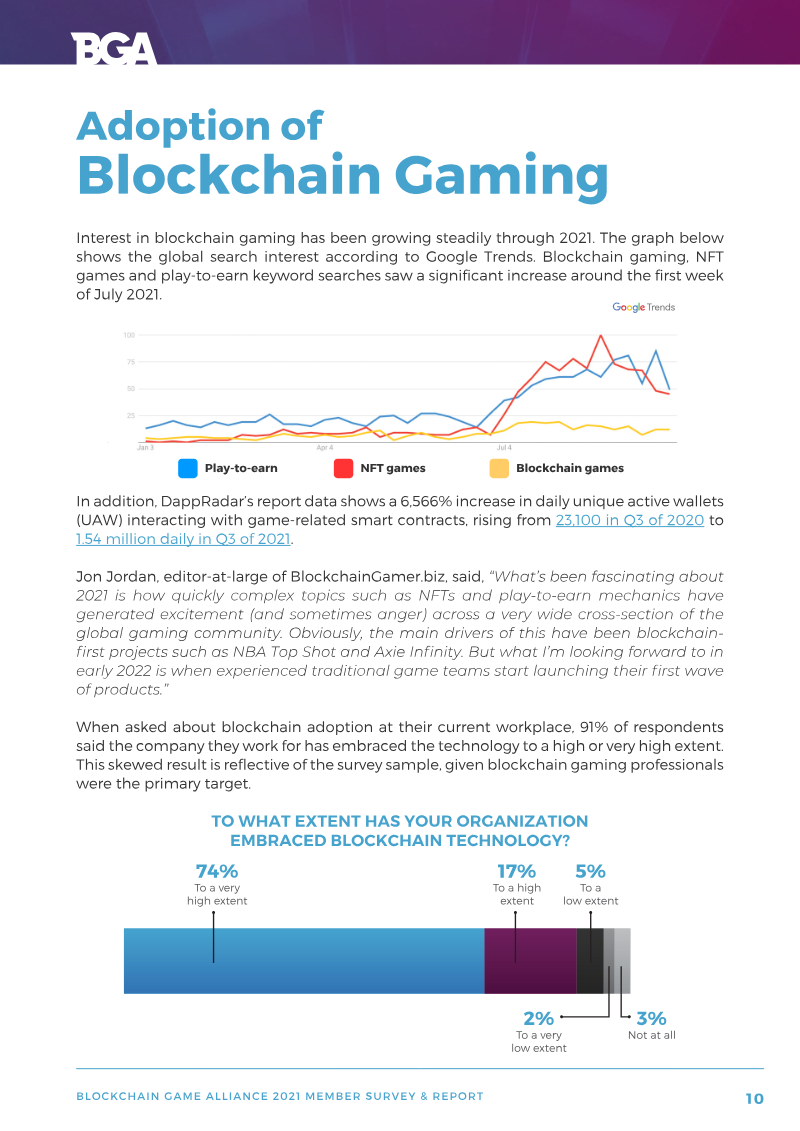
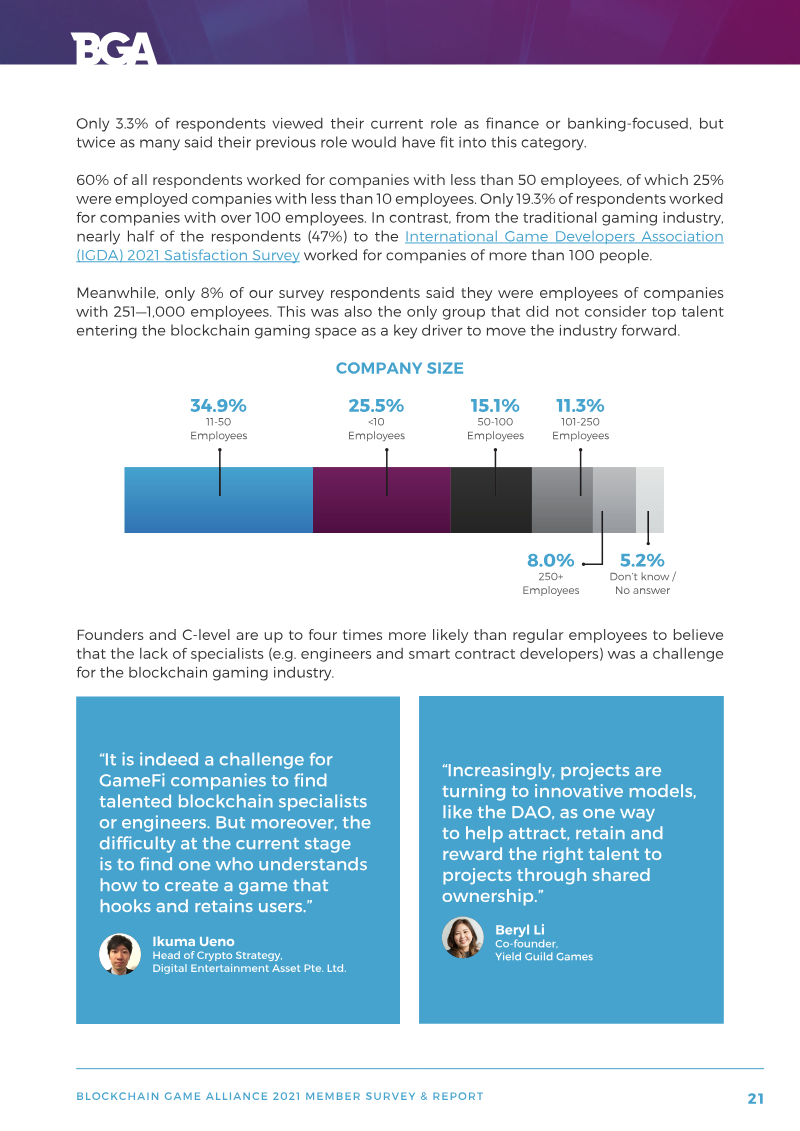
The current landscape of blockchain-integrated gaming is defined by a tension between high-fidelity production values and the persistent challenge of achieving long-term economic sustainability. An evaluation of Guild of Guardians, Phantom Galaxies, and Illuvium reveals that while these titles successfully leverage AAA-quality visuals and familiar gameplay loops to attract early interest, they remain in precarious developmental stages. Each project faces distinct hurdles, ranging from opaque development strategies and governance conflicts to the difficulty of maintaining token value in a volatile market.
Guild of Guardians distinguishes itself through a conservative, proven mobile dungeon-crawler design that effectively mitigates some blockchain-related risks, though it continues to refine its economic model. Conversely, Phantom Galaxies provides a compelling mech-combat experience that has demonstrated relative resilience in token valuation, yet it is hampered by a lack of transparency regarding its core team and long-term sustainability roadmap. Illuvium represents the most ambitious of the three, utilizing a massive development team to build a multi-genre ecosystem. However, its complexity has proven to be a liability, as evidenced by a significant decline in token value and a fragmented user experience where secondary modes often function as shallow resource-gathering tools rather than engaging games.
Ultimately, the success of these projects hinges on their ability to transition from speculative assets to sustainable entertainment products. While the competitive depth of titles like the Illuvium Arena shows promise, the broader sector must overcome significant obstacles, including the threat of botting, the need for robust free-to-play acquisition strategies, and the resolution of internal governance issues. As the industry matures through 2026, the focus is shifting away from mere technical novelty toward the necessity of cohesive game design and transparent, player-centric economic structures.
Each row is a game or company this document names, each column a document, oldest first. A mark means that document names it. Select a row to see those documents.

Naavik · 2026
Naavik · 2026

Naavik · 2026

Naavik · 2026

Naavik · 2026

Naavik · 2026

Naavik · 2026

Naavik · 2026

Naavik · 2026

Naavik · 2026

Naavik · 2026

Naavik · 2026
Naavik · 2024