1 free read left. Create a free account for unlimited reading + AI research.
Create free account
Surveying the Web3 Gaming Landscape
Key insights
7 takeaways- 01Smaller, agile companies are better positioned than large incumbents to disrupt the market by integrating blockchain features directly into the player experience.
- 02Blockchain technology allows developers to formalize unauthorized grey markets into secure, trustless secondary markets, effectively granting players genuine ownership rights over in-game assets.
- 03To improve user experience, developers must abstract blockchain complexity by making wallet management and cryptocurrency exchanges invisible while supporting traditional payment methods like credit cards.
- 04Developers are currently focusing on PC and web-based platforms to circumvent restrictive mobile app store regulations, with high-quality titles expected to emerge over the next two years.
- 05Mass-market adoption requires a pivot away from speculative GameFi models toward prioritizing entertainment and casual, mid-casual gameplay mechanics.
- 06A geographic strategy divergence exists, with Asian developers in Korea and Japan aggressively integrating Web3 mechanics while Western publishers maintain a cautious stance.
- 07Digital asset ownership is expected to become a standard industry feature within the next decade, eventually being adopted by traditional publishers as a core component of sustainable game design.
Ask AI about this video
Transcript
foreign [Music] gaming podcast where it is our mission to explore the business and future of video games we bring together the industry's brightest Builders investors and thinkers to keep a full sun current events dissect emerging Trends and games share Lessons Learned and have a great time this podcast is also part of novik's growing ecosystem which ranges from free and premium research to Consulting and advisory services for more information visit www.navic.com [Music] this episode is brought to you by Nexus building a support a Creator program is something all live service game developers should be doing but without the right engineering bandwidth or marketing expertise doing so can be a challenge nexus's Creator program in a box makes it easy for game devs to build and manage world-class Creator programs
driving significant growth and conversion arpu retention and LTV Nexus has partnered with Incredible live service Publishers like Capcom grinding gear games high-res ninja kiwi and more and would love to help you our navic gaming podcast listeners do the same if interested in learning more simply head to nexus.gg novik there you can learn more about the efficacy of support of Creator programs and discover how to easily build your own again that's nexus.gg novik or check out the link in the show notes and with that at let's jump into the episode hello and welcome to the navic gaming podcast I'm your host Nick ovori today we have a fantastic guest on the Pod someone I've been wanting to get on the show ever since we chatted at GDC so this is the better part of half a year ago now we sat across from each other at an industry event and over a family style fried chicken dinner we got talking about web 3 the state of the industry what we're excited about what's working
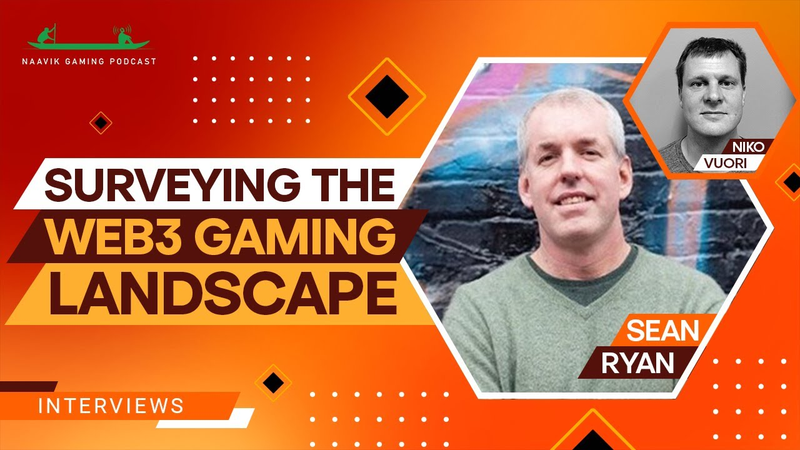
what's not and I knew that we had to get him on the Pod to try to recreate that discussion except maybe minus the fried food Our Guest today is none other than Sean Ryan who many of our listeners will surely know as the face of Facebook's gaming business which he was hired to build out in 2011 and which he ran for about a decade with responsibilities eventually encompassing several other very relevant initiatives for this pod including Facebook's forays into blockchain uh and before Facebook Sean uh was an entrepreneur founded a variety of gaming and gaming adjacent companies and even worked on metaverse stuff uh it turns out we'll have to go into that a little bit Sean later in the episode uh before metaverse was cool uh now Sean is the founder and CEO of aqua.xyz which offers an embedded web 3 Marketplace for game clients as well as offering some simple classic first party games like Solitaire pool and Ludo Sean welcome to the pod thanks Nico appreciate you having me awesome all right well that out of the way let's get right into it um and so
yes Sean I just gave a quick intro uh based on your LinkedIn and our conversations but um I know our listeners love hearing from our guests uh what their backgrounds are and what their kind of aha moment was coming into web three uh so why didn't you tell us a little bit about um your journey into web3 and your background and gaming and of course uh as the face of Facebook's gaming business sure Nick I appreciate it I've been doing this for a long time so I'll try and keep it short uh because I'm in my mid 50s I was a gamer when I was quite young so this is back to the days of asteroids and space invader on in arcades and then moved into the Atari 2600 as which is the earliest game console followed by my first PC was an apple II an apple 2C and an apple 2E where we played Wizardry so that was then I went on to business school I went on to undergraduate uh played a bunch of games came out worked in retail worked in banking went to business school but gaming was always the passion and so when I came out of business school in 96
1996 Broadband modems were just starting to occur before this we had dial-up modems and therefore gaming as always was the first type of innovation starting to occur because gaming always leads in terms of new technologies the last 20 years and so I ended up going to one of the early online game companies called Sega soft networks which was the online division of Sega the Japanese video game company where we built a service called heat.net which was one of the first online game services that allowed you to play games like Quake uh online against your friends because before that when I was in business school the only way to play against your friends was to plan on actual LAN so I would go down to the business school Lan into the business school area and just play games where all my classmates were doing work and my now wife who I met in business school used to make fun of me for that and 25 years later we're still doing this so so gaming was where I went to Sega was there two years before it uh before it somewhat imploded with the death of the
founder I went into music because that was the most Innovative thing for the next eight or nine years a company called listen.com but gaming was all of what pulled me back and so at the same time I was there we did a we did a social media company of sorts we did a karaoke company and ended up starting well today we would call a metaverse company in those days we called it an avatar and virtual world company with my current CTO John actually here at aqua and we were early we were 20 years too early I mean avatars Virtual Worlds or no smartphones uh there was no ways to monetize but it had a lot of usage it was a super amount of fun and you could see the future that you would have an avatar represent you you put that Avatar in games you would interact with other folks uh and then we started a Social Casino company that we sold to an Australian company called vgw and then at that point uh I went off to look around for other things to do I ended up in Moscow Russia I don't speak Russian I have no background in Russia I ended up running a large uh social media
company there called live Journal was there for a year before coming back to the States went to News Corp for six months to help start their Interactive Group and I'd still be there and I met a guy at a party classic Silicon Valley story who worked at Facebook I didn't know anybody at Facebook Facebook had just launched its platform and when I say platform it opened up it's in those days a few hundred million users to other types of developers and Facebook at the time Mark Zuckerberg thought that it would be news and distance learning and education and all sorts of coolness and of course thanks to Mark Pincus and Zynga it turned out to be 99 games because as we the theme we'll talk about here games are always at The Cutting Edge taking advantage of new innovation whether it's bandwidth latency processing power gpus Etc and so all of a sudden Facebook had this burgeoning business on our platform that was all about games and no one if the company knew anything about games just wasn't their background so that's how I fortunately came to be at that company to start the game's business so not the
product I came up through the business side the partnership side and I was there for 11 years and ran what was at its peak of four billion dollar business on the PC uh on games that's Farmville Candy Crush Etc that migrated to mobile over time of course uh and then uh ended up running the payments business the crypto business the Commerce platform developer platform a bunch of other things that were there had a great run until about 18 months ago the web 3 bug bit me and it was just why being web3 and the answer is we think this is the next big shift in gaming and I needed to be there and that's why I ended up coming to Aqua but we can talk about that in more detail awesome um very efficient uh you you have one of the the longest and most interesting careers I think of any other guys that we've had on the show I I don't know about that but uh but I appreciate that yeah yeah um no I think absolutely fascinating and this is why we hit it off I think at that that dinner um you know that that uh you know back at GDC a lot in common you know we got the Social Casino thing we've obviously got the Facebook Zynga connection um and of course uh we share this this
thesis which is a gaming tends to lead um new technologies new platforms it tends to be one of the things that goes first tests up what's possible oftentimes becomes the biggest monetizer I mean we saw that with mobile we saw that with Facebook canvas you know back in the day um and so uh you know I think we share a lot of the same Theses around web3 and what that can bring to gaming um so my next question really is you know what is it about web3 that really got you excited you know you've alluded to the fact that you see this as you know the next big thing obviously you've been through a lot of the the uh big things that have happened you know mobile um you know Facebook canvas uh for that a lot of the startups that you looked at um but what is it about web3 that made you think okay I have to get out of Facebook and I got to do this thing for myself the bug has bitten me I'm gonna go and build this so throughout history gaming there have been there are platform transitions that take place every five to seven years and it's relatively like clockwork and so when I first started we had
cartridges or CD-ROMs and they were single player games that you bought at GameStop if they were used or new at uh at Walmart or Best Buy you came out and played them that migrated to uh flash so single player social games they were digitally delivered though and that was the Innovation they were pretty similar games not even as rich in many cases that then migrated to Facebook social which were familiar with from Farmville and Candy Crush that again were not the deepest most high def games that were in HD necessarily but broaden the Horizon with both free to play as well as digitally delivered and social and then that moved to mobile and mobile brought a lot of what it brought with it from Facebook social but added the fact that the device could be with you anywhere and again expanded the pie to now 3 billion 3.2 billion monthly users and we believe my ct09 John that web 3 is that next wave that asset ownership the ability that consumers can buy sell and trade their own assets as opposed to leaving them inside the game is a
seminal change for gaming that is enough to provoke that next wave of new companies it doesn't mean they all be radically different if anything new early days of new platforms look a lot like the last platform they just have slightly different angles whether it's social or digitally delivered or in this case asset ownership and for me that is where small companies can become successful because in a classic innovator's dilemma the large companies don't see this business as either big enough to start or disruptive to their own business so why would they do it it's just like years ago GDC I was at this amazing Legends of game designer dinner I mean everybody who's anybody I was in awe of the the game designers who were there and they said there's never going to be a triple A free-to-play game just doesn't work that business does not work and now you've got fortnite now you've got you know uh war war zone now you've got it doesn't mean the other business goes away I want to be clear it just expands the business and that's
what we always want and I think web3 gaming will expand the business by getting us back to the idea that you can own your assets and when you want to change strategies or change games you can sell them or trade them or buy them or sell them and get some of your money back and defray the costs of your next strategy or your next game and that is more Innovative than people think it's what we used to have in the physical CD World in the old days if I didn't have a lot of money I would go to GameStop I would buy a used CD-ROM for 35 or 40 dollars because I couldn't afford a new one I would go home play it for 30 hours I would come back and sell it for 12. I'd be annoyed that if even get 25 and I take that money and buy the next thing that's how normal people work you wouldn't buy a car if you couldn't sell it you wouldn't buy a house if you couldn't sell it you should be playing games and accumulating all these assets if you can't do something with them yeah so you use the phrase more Innovative than people think um and as I'm sure you well know there's kind of a wave of cynicism uh from some parts of the industry certainly some of the web 2 folks but even internally you
know web 3 developers and there's this big question as to whether web3 Technologies you know you're you're talking specifically about asset ownership but there's all kinds of other web 3 technologies that are enabled through blockchain and you know decentralization and what have you we'll get to that question in a second but first the cynics say you know even if web3 Technologies work in gaming um they're not this big revolution it's not analogous to the free-to-play revolution it's not analogous to um going online for example from from you know physical products it's more like a developer toolkit you know it's a it's a set of technologies that you can use in different ways but it's not a platform in and of itself it's not a revolution in and of itself um you seem to disagree um I want to dig a little bit deeper um why do you say more Innovative than people think why do you think asset ownership is more Innovative more excuse me more Innovative than people actually get a credit for well one is we've always had asset ownership in physical world I buy a book I can go sell it give
it away do whatever I want only in the digital world did that go away so the history of mankind is the history of asset ownership only this new recent time is where I actually am renting these assets whether it's my songs on iTunes or my uh or my Assets in a game so this is relatively recent but what I say is anytime we've offered this digitally in games demand has been overwhelming so let's start with ige which is founded by my friend Brock Pierce about 17 years ago allowed uh people to Gold Farm on World of Warcraft in tier two cities in China level up the accounts sell the accounts on eBay the company collapsed I want to be clear but not due to lack of demand there was massive demand the problem was it violated terms of service the games weren't built for it and had massive fraud because there was not a way to do a trustless transaction wow like we have in blockchain right now then we go to the Diablo 3 Auction House overwhelming demand game wasn't built for it wasn't ready for it had to shut it down not due
to lack of demand but because they didn't build the game in that approach so anytime we've offered consumers the ability to do this they've stormed into it if you look at the Reddit groups about FIFA on a console how you can figure out how to trade in the gray Market cards or if you look at some of the other games more Innovative games whether it's the runescapes or Ultima Online which had this ability with ugc you see lots of demand and that so the consumer demand is there it's just that we have stifled it through digital Technologies and not enable it the way it could because we didn't have the right Tech at the time blockchain and we can talk about the more uh Innovative maybe parts of blockchain asset ownership meaning trustless transactions in a secure manner to me is the secret sauce here we'll eventually get to massively new things like you do later in a platform cycle but for right now that alone is innovative although it's also the same thing we had for thousands of years before we got to digital uh interesting so you're really picking
the asset ownership as the thing that differentiates blockchain the trestles transactions other game developers have looked at other parts of the web 3 stack if you will I'm using it a very loose sense of the the word um you know some of the most Maxi decentralization Maxis you know they talk about things like Dows um tokenized economies fully Unchained games those kinds of things um what do you think about those pieces are those necessary or are you just saying digital asset ownership on its own is absolutely the thing that's that's the the killer app um as it were so I have a couple responses one is earlier early in a platform cycle and again I've been through five platform Cycles uh as we talked about you want to focus on what is the killer differentiation later in a platform cycle three four five years later you start to get more Innovation on top of that platform you can't do it early on because the platform's morphing so quickly so fortnite which people think is you know Triple A free to play didn't come the
first time we enabled triple Air free to play it came years into the cycle so my first response is asset ownership is more than enough because it's true player value and the way I look at platforms I look at what is the value to the gamer what is what do they feel that makes this better that I'm going to leave my existing web 2 happiness and go to this new Innovative maybe not as good in some ways classic innovators still online not everything is as good in the new platform but something is much better and so asset ownership is clearly that when I look at Dows and tokens and decentralized and a bunch of the Maxis that are out there it may or may not be interesting or may not be uh at a late night philosophical discussion fascinating about censorship and God knows what else it doesn't help the gamer Gamers don't get up and say wow I want a decentralized game wow if I could only have a dow what they do is say if I could own my assets that would be great because I could buy sell trade them there's all sorts of things I
could do it doesn't mean I don't believe in that Innovation like on chain games so on chain games I have some discussions with tell me the consumer benefits on chain games well super cool it's great you can remember every every nft on there and all that I'm like you still haven't explained to me the benefit so that's how I tend to look at it I think in five years in web 3 we will get on-chain games and more decentralization and Dows that are super interesting and not just fake but for right now we're over complicating this when you switch platforms to a new platform you must simplify not over complicate web3 folks have made web3 so complicated it is too hard to use we at Aqua spend a lot of time trying to bring back as much as web 2 as possible but keep the core differentiator which is asset ownership other than that it should feel like a web 2 asset not everybody Crystal Clear we think that's the way to a mass Market so do I think on-chain games and Dows and decentralized platforms and so on will show up at some point yes but I really want to see a benefit to Gamers that's how I kind of run my life
otherwise Gamers won't switch yeah it's pretty interesting the point you make about it's almost like the complicatedness complications the confusion around web3 and having these tokenized economies that have incredibly complicated flowcharts and MIT economists can't figure them out you know spreadsheets that are like you know a terabyte in size because they're all the formulas are running it's almost as if that might be a little too much for gamers uh how does that help them so that's an interesting point you make they're really going back to the basics um and actually the look is gaming I tend to look as gaming as entertainment I think we lose track especially with a brief kind of foray and play to earn which is obviously complete nonsense is gaming is entertainment when I go to see Serena Williams play tennis I'm not there to make money she's there to make money because she's the pro I'm there to pay money to be entertained when I go to the movie theater I'm not there to make money the movie theater is making money the people on screen are making money I'm not I'm paying to be entertained
gaming is the same thing will there be a small set of Gamers who make money through either great trading or through uh being Esports Heroes of course but the other day you pay to be entertained and that's what we should always come back to gaming is entertainment for the vast 99 of the world yeah no I 100 agree and I've actually you know said this myself and I think we probably actually agreed on this during our dinner um but you know the way I see a lot of what's happened in web3 so far web3 gaming is it's coming out of your financial budget because you're looking to make a profit right and so then it's not a game then it's not entertainment then it's trading right and people are prepared to put a lot of money down and spend you know ten thousand dollars on some nft from a game if they think they're gonna make a return and you know many did for a long time um but that's not really sustainable and it's also not the reason why most people play games to your point uh you know uh gaming comes out of your entertainment budget and that's a very different kind of budget you're not going to spend a thousand dollars on an nft in a game um never mind a hundred thousand dollars
for an nft in the game um because that's not how entertainment works right for the vast majority of people uh you're going to spend five bucks 10 bucks maybe you know for that experience you're gonna use it the same way you're going to Value it the same way you value like a movie ticket what is two hours of my time being entertained in a movie theater cost me cost me 10 15 bucks right or 20 bucks if you're in the Bay Area um so that's kind of the the frame of reference I think most people most Gamers will use for gaming they'll think oh this should cost a buck or five bucks or if it's a micro transaction 99 Cents right um and so I think that's the thing that a lot of people did Miss up until this point where web3 seemed like there was all this money to be made but not from gaming because gaming is entertainment from Financial transactions from speculation from Trading yes but that's not gained well also but I also want to bring people back to the fact that even at Facebook uh I would get a call from legal when someone spent more than ten thousand dollars in a month on Facebook games Farmville Candy Crush et cetera and I got those calls all the time
so it's not like people don't whales what we call whales or VIPs or heavy Spenders don't spend money in free to play the general rule of thumb and free to play is one percent of your consumers are 50 of your revenue or more so there are people who spend thousands upon thousands of dollars in free to play and so there's no reason they shouldn't do that in web 3. but you're right the general entry price point and this is one of my frustrations with blockchain or web3 pricing is when people say I'm going to pre-sale you land I'm going to pre-sell you a character it's going to cost 100 to 500 or more that's not actually how gaming Works how gaming works is you start I sell you a 4.99 pack which by the way is the most popular price in Mobile and then over time as you get more engaged in this game I I move you up and then you're spending 99 on a pack or more those types of things if you want to if you don't want to don't and so I think in web3 I agree the financialization of web3 gaming is what can be a bit of a turn off it feels extractive uh it feels like the games aren't very good now that
having been said that is the identical pushback I got when we launched Facebook games through Zynga and other ones 14 years ago same same guy saying these games are extractive all they do is try and get you to make money the games aren't very good which they weren't by the way in the beginning Mafia wars Etc were not good games but it evolved quickly to become a much more entertaining group and it brought many new gamers in so we're now at three more than three billion monthly Gamers when I started in the business 25 years ago there's probably 100 million so gaming has dramatically expanded each time we've added new Revenue Loops new easier ways to get into the game new types of gameplay mechanics and we believe web3 is part of that because it means that a bunch of everyday folks not trying to become Wall Street Traders will be able to own their assets and buy and sell them and make some of the money back if they can when they want to switch strategies or switch games that's really powerful in the real world yeah fun fact you mentioned uh Wales and you mentioned uh Mafia wars uh fun fact for you which
you you may already know this but maybe our listeners don't back in I think it was 2009 8 9 10 in that time frame Mafia wars uh was seeing his biggest game uh Snoop Dogg uh famously was a huge Mafia Awards fan uh and at that time it wasn't possible to spend more than I think 99 uh I mean Facebook didn't allow you to spend more than 99. Snoop wanted to spend a lot more than that so we had a special phone number I'm not making this up had a special phone number that Snoop could call or one of snoop's people could call where we would then accept the wire transfer for like ten thousand dollars or you know even bigger amounts of money when Snoop wanted to get his game on and and play Mafia wars and dominate um and so yes there are absolutely uh whales out there who are happily spend a lot of money including jumping through a lot of Hoops I mean you know it was impossible to spend 10 grand they were prepared to go above and beyond so for sure there
are people in web 3 that are gonna go jumping through the Hoops um just to play the game and to spend that money not just for the financial aspect but again I think we both agree the vast majority of Gamers when they enter a game they're not saying I'm gonna spend ten thousand dollars just to try this game out I.E buy an nft um I'm gonna play for free or I'll pay 10 bucks or whatever um and then progressively go up the chain all right well we spent talked a lot about uh kind of General web 3 stuff here let's dive a little bit into to Aqua because aqua is the reason why you wanted to come into web3 what is aqua now and I I know it's morphed a little bit in the 18 months that you guys been building it what did it start as and what is it now sure so Aqua was an incubated venturer from a firm called digital.xyz that really was about how can we make a better gaming Marketplace openc is an amazing Marketplace but it's a general purpose one and gaming is big enough to deserve its own Marketplace just like twitch is big enough for gamers versus YouTube YouTube they're
both still successful but twitch is aimed at Gamers initially at least so originally we inherited a b2c so direct to Consumer Marketplace aimed primarily God's Unchained because one of the investors was a top Gods Unchained nft holder and that was during the bull run about 18 months ago and then obviously that fell off FTX collapsed ethereum other things went down and we went through the reset in crypto and so John and I my CTO and I looked and said okay now that we've been in the business three or six months what what is web3 missing that web 2 has and it really came down to what you and I've talked about Nico is how do we make this easier that's been our overriding Mantra how do we make it easier for gamers to come to web3 to enjoy the advantages of asset ownership but still to make it otherwise feel like web 2. so one of the ways to do that was because John and I both built platforms before was to take our Marketplace which was quite well received but relatively small and embed it into other people's apps so that's
the first thing we did was take aqua.xyz make sure it could be available as an embeddable Marketplace inside the unity or unreal app so that if you were right now if you're in web 3 and you click on a Marketplace link you leave the app and 99 of case doesn't go somewhere else that's not bad from a friction perspective and bad from a security perspective in web3 you want to stay within the app that's also what you're used to from web2 from iOS or Android so that's the first thing we built was let's build a good Marketplace of Gamers and joy that's more than about price it's about how do you use the assets not just about price because this is not about Traders this is about Gamers Gamers want to know how to use an asset why should they buy it how can they package it how do I buy a whole deck how do I play a whole strategy those are the things the types of features we launched with aqua that we now bring to our partners in the embeddable marketplace space so we started with Gods Unchained where right now if you click on the marketplace links it goes out to us soon it will be inside the game and there are many more coming after that because it's a better experience
then we looked at it and said okay what is the other pain point it's about wallets we didn't really want to build wallets but right now it's really scary for a new cons gamer to come in and be set up on metamask or other types of classic web3 wallets it's confusing jargon you have to buy ethereum so when I used to run Facebook credits if you wanted to buy Farmville cash you had to buy Facebook credits to buy Farmville cash but you didn't want to do that you just wanted the farm bill cache So eventually you got rid of it in web 3 it's worse you want to buy a plus five sword we make you buy ethereum then maybe move it to an L2 which is a confusing term to anybody in the normal World by the way and then let you buy the plus five sword and fees and confusion along the way so that's when we introduced our wallet and as of today actually introduced a product called aquadirect as of today which allows a gamer to directly put down their credit or debit card and buy the nft to buy the digital asset and transfer to their wallet we do a bunch
of the work on the background that hides that from the consumer but realistically we buy and resell the asset to the consumer so that it's a much easier way to get into gaming we should make everybody have to be Financial analysts in order to play games so I think not everybody agrees people some people want to make it complicated and have all sorts of as we talked about decentralization and things like that most Gamers just want it to be really easy and they want to use their credit or debit card to buy the game the assets of the game they want to play I mean ideally they want to use their thumbprint or their you know face ID like that is true taking it to the next level so that's that's really where the natural endpoint for all of this is I mean the the friction has to go away because consumers are so used to in their normal lives being able to unlock things and make purchases simply by looking at their screen or you know putting their thumbprint down um completely agree so uh one of the things that uh initially got me quite excited was the fact that you have you
know during the dinner at GDC you were telling me about some of your first party games and you've chosen to go down a path of making very very simple classic games like Solitaire pool Ludo um and you have a in my opinion fairly unique at least at the time it was and I think it probably still is fairly unique approach to nfts in those games uh and I I thought it was a really interesting and novel approach uh including also looking at the markets that you were targeting at the time tell us more about your first party games how do they fit into the strategy and then how the nfts in those game things actually work well as we look around there aren't right now if you look at the web3 gaming landscape it's a pretty hardcore audience of who's who people are building games for and so there's nothing wrong with that I think it's great there's too many ccgs or collectible card games because everybody thinks nft they think collectible card game if you look in the web 2 world there's really only one or two successful collectible card games in the entire world but when we looked at this we said okay in every platform transition I always come back to that what are successful games at least for a
period of time and so it comes back to the classics Yahoo games Pogo all the way up through flat Facebook early social all the way up through and it's games like Solitaire it's games like monopolyness games like Ludo which is big in Southeast Asia here you would know it as sorry or Parcheesi and so those games are massive billions of downloads in in Mobile but would you put the Twist on it when you move to web3 what is that twist because when you switch platforms with games that are similar to the previous platform why would people leave to go the new one and our thesis was that you could create a set of interchangeable cross-game nfts or assets we call them boosts that you could use in any of the games and the way we looked at it was just look at UNO if you're familiar with the card game you look at those types of booths that are in turn-based uh player versus player games it's Skip it's reverse it's these types of things you're used to in games in our case slow down the timer because there's a timer on all these games that you can use these boosts across the three games and
soon to be in other people's games that we thought was enough of a unique twist that we would that would be able to move people from their successful web 2 games into web 3. that has not happened at scale yet I don't want to be crystal clear I think the only proof point is I should not be the executive producer of games that should be really clear but we're working still banging away on them trying to see if they're successful but some of this was driven by uh GDC I was on a panel with Paul Bettner who's done a bunch of games there's a wonderful game designer uh much better than me and he said where is our Angry Birds where is our Candy Crush meaning for web3 it can't all be core games it can't all be ccgs or mobas or fps's at some point you need your mid-core your mid-casual games but you need to make sure they're they're they work in web 3. so what is the twist in web3 and in our case it's nfts that you acquire or buy and then you can use them to win and it's play to progress no different than other games in those games that are more casual games and we aim those at markets like
southeast Asia Nigeria parts of Africa where the competitive set is a little bit different and people like the idea of a little bit of a money play not gambling but a little bit there might be an idea this nft this acid could be worth more in addition to playing with it and so that was the theory so far it's early I wouldn't say we've I wouldn't say we've taken over the category I wish we would have we're still working on it a bit but I still have the I still believe deeply whether we build it or somebody else builds it there's room for casual to mid-casual games that use digital Assets in innovative ways and there's always room for that in every new game platform yeah I I buy that that's I was definitely interested in hearing about that at GDC when when you and I chatted um you know where are the Casual games everybody's building these incredibly core games that are very complicated and very uh time consuming and everybody's pitching the AAA for web three but those aren't actually I mean they're monetized very well and so I understand the the rationale for going down that path a
relatively small number of players are incredibly passionate and can spend a lot of money in those games so they can be very very financially uh rewarding for the developer uh even at relatively small scale so I understand the logic for sure um but there are no casual like they're just hardly any casual developers nobody's making casual games nobody's integrating well I think I also have another theory which not everybody likes which is uh putting my senior citizen hat on is that when you have a new platform don't build a game that takes three or four years because you're on a new platform by the time you deliver it the platform is shifted because it's a new platform platforms stabilize in the types of games they like the types of user interactions after three or four years we're still too early start with smaller games that are fun and Innovative but you can iterate on them faster and then about three or four or five years into a platform new platform lifecycle you build the big games when you so for example if you started two three years ago building a massive game you would have built axi Infinity because that was the hot game at the
time and that's what everybody kind of was inspired by and was quite successful for a period of time we it turned on hindsight it wasn't much of a game and isn't sustainable but that's what you would have done so start in the beginning like my former colleague Owen at Facebook who's got infinite gods and he's got a series of smaller games that are using similar nfts the way we did with our first party games that are merge games and simple uh Tower Defense and each of them is getting better because you can see him and his team learning what works in web 3. and that I think is a more successful outcome is to be iterative move quickly learn and then build bigger each time I'm not so this I hope these big games are successful I really do because the industry needs it I just think it's highly risky and it's not what I would have done necessarily on a new and relatively unstable platform where we're still figuring out what are the game methods that work what are the consumer Journeys that work uh and people are building you know three to four year uh life cycle games by the time they ship it's a very different
world than you started when you built the game yeah for sure um the just like just like right now if you look at console I just downloaded Baldur's Gates and I've got Starfield coming when my Xbox arrives for my son you know we're a few years into the cycle of this console they didn't come out these types of games didn't come out day one when the PS5 shipped you needed time to build the game to understand the power of the platform and whether it's Hardware software and then now we're three four years into the new cycle and you're seeing these incredible games coming no absolutely um yeah whenever a new technology or a new platform especially when a new platform emerges it takes a while for their to become the maturity for developers to figure out what's possible what's different about this technology or set of Technologies um on that note uh something I'm curious about what form factor or platform do you see as the most likely path for web 3 success um I mean so I presumably for casual games you're talking about mobile um or some kind of so I'm not so sure
so at Facebook I launched instant games this was these were HTML5 Games built into I did my team did to be fair but uh there were built into the messenger platform and it was super cool it was great and it didn't end up being that successful at scale because Apple fought it tooth and now just like Apple's fighting tooth and nail web3 and so it doesn't mean it won't get there it just means that the mobile platforms both Android and Apple by the nature of their control make it hard for Innovative technology to innovative business models to show up and by the time you're done making compromises to fit those amazing platforms you've compromised the game so my personal views you should start on PC you should start on laptop PC web it is still a thriving business it is a good size business uh and then over time you go to mobile web uh and then over time you fight to be in the App Store the folks we talk with a lot I hope they're really successful being in the App Store but coming back from Korea
this week I think the Koreans have it right which is the App Store game is a total web 2 game the web 3 part of it is on a website that is not directly linked from the game look at a game like League of Kingdoms however the game Gamers inside the chat rooms and the guild start talking about it and they drive people out to that website where you can pick up more powerful items or different types of nfts so I think that is the better outcome I think trying to fight your way through the thicket of regulations on the two different app stores which have different regulations and still have a consistent game it's going to be really hard I don't think the the end game is clearly mobile I want to be crystal clear but the app stores aren't necessarily ready for it yet so I'd rather see people build games on web which is the most open platform whether it's PC or bubble and then over time then as that becomes more successful and we learn things move it into the App Store but Mobile's still the end game no question yeah interesting uh I would say contrarian but uh but certainly uh
maybe not what developers want to hear a lot of developers want to skip skip to the end game right which is obviously I had all of Facebook's clout behind me and we were unable to win so yeah so you know so I I worry about other folks without that level of uh influence so I'm not saying we'll get there Apple Google are great Partners they evolve over time they have in real money gaming they have a casino and other things it just takes time they have existing business models existing roles some of which are well thought out some of which are not and they want to slow this down while they figure it out and I just worry about folks trying to push ahead to the end game as you said versus working with what we have which is a pretty vibrant you know 24 of the revenue of 200 billion revenue is in PC whether it's downloadable PC or mobile and the epic game store is quite amenable to web3 games steam not so much but you know over time we find how to build businesses in those categories and then we spread to the more amenable platforms as they evolve yeah it's a
smart approach group um so you've been uh in the web three waters for about 18 months now um and presumably had some view from at the Facebook level looking at the blockchain initiatives that were that were happening um before that even um what have you learned along the way uh you know web3 has these metas that keep changing every it seems like every month really got things move very fast in web3 um and what was supposedly true last month is no longer true now and what's true now is no longer true next month um but some some Universal truths I think have emerged uh what have you learned along the way what are you seeing that is interesting I think the core premise as I talk about a lot as ownership still will be the winner in the end well much more so than the other aspects of decentralization dows tokens et cetera I think asset ownership alone is powerful enough so that doesn't change I think the game Phi and a term I just hate uh game Phi and other ways to
financialize a game actually detract from its entertainment aside it doesn't mean it's bad people there are all sorts of financial games people trade stocks they trade equities and Futures it's just traditionally not successful as an entertainment media and the reason that makes it hard is as soon as you financialize a game think about Animal Crossing a wonderful game for Nintendo if Animal Crossing if you had a web 3 version of it and you mispriced apples and bananas then everybody would soon sell apples and buy bananas and they would stop playing the game they would just sell apples and buy bananas because they can make money from it and so in web 3 the problem with web3 which makes it more challenging is you have to balance your economy violency on economy in web 2 is hard enough but at least there's no Direct Cash Out not an easy cash out in web 3 as soon as you have a hole in your economy meaning your faucet and your drain do not have the same balance then people take advantage of you get Arbitrage very quickly and the game becomes less fun because everybody's just arbitraging that thing they can do in the game so that's challenging people really have to focus
on economy design more so in web 3 because of the cash out options but I still believe I've seen this with Diablo 3 and other earlier attempts of this that the ability the power that comes to Consumers from being able to own and buy and sell assets like they do in the real world will be over time people will say why the hell that I play FIFA when I couldn't own those assets right now if I was following Messi I would want to sell my Argentina cards and buy my intermiami cards I can't really do that the only thing I do in FIFA is just keep buying and buying now we have lots of friends who have lots of money so they can do that but in general purpose is that's not the way it should work so I still think that's what we've learned is you got to balance your economy better the game has to be fun not about game five not saying some people collectors will still be in your game if you have a game five game but that's not a big audience if we look at it we're at roughly less than a million unique active wallets per day in web 3 gaming versus 3.2 billion monthly users in in the real world
so for us to get to the next 100 million that next 500 million we're going to need Mass Market to come in that means the games must be entertaining first and foremost I do worry about tokens so tokens I think I was really into tokens when I first joined web3 because I thought it's a way to reward early stage uh consumers of your gamer app in a way you couldn't really get at Facebook or other types of apps the problem you run into is your most loyal gamers are the ones who buy your tokens and if they go down in value which most of them have then you have your Gamers your most loyal gamers are unhappy because they are all in on you and they've just lost half of what they invested we can debate security law or not but in general you've got your most loyal gamers are at least happy even though the game could be super fun it just they lost money in the token so I'm a little down on tokens these days uh just because I think it's another part of the economy you have to manage that isn't related to is the game fun now and so although I see benefits to it I just
I just worry about it and I want to come back to fun games that allow consumers to buy sell and trade not financialize the entire thing that are a variety of genres and that have an easy on-ramp wallet process that doesn't seem so scary then we're going to be golden okay uh uh you chose to build on immutable um and presumably had your your reasons for that you didn't choose another layer two and of course as we you said yourself uh this notion of layer twos and layer ones is very confusing to the to the average person certainly a Casual Gamer who really could care less what's going on under the hood um you also chose not to build on another competing layer one um that's arguably more performant although obviously smaller and sort of market cap if you will like Solana by non-smart Chain um why did you choose immutable uh as your as your choice so we partially chose a beautiful because we inherited it it was the one when we got the Prototype because it was God's Unchained but also they've been a great partner so immutable really has focused on how do we again simplify this process Focus
only on games not on pfps or other types of things uh and how do we get something and and Robbie and James and Alex the co-founders who are wonderful Partners have really focused on how do we be the leading game platform in web3 and so they've been a great partner they we we are they're preferred Marketplace of choice for embedded games so we really enjoy that relationship what I'd say it also is you know relatively cost effective fast but also they're building a set of tools like their upcoming passport wallet which is really going to be helpful to mainstreaming games we also support polygon so we just work well yeah we support ethereum of course and we do look at other chains we're not chained exclusive to mutable it's just the way I look at chains is there was the first generation of change which is BNB binance and wax and by the way they still have the bulk of the The Gamers today uh but they're much older games then you have this next Generation which uh which are the l2s like polygon and ethereum you have by you have uh Avalanche you have Solana and it's a little bit fragmented but our view is
when we look at it is that the bulk of the games that are coming are going to be on that alliance between polygon and immutable that was a very clever partnership they did to where polygon ended up with the tech for zkavm that mutable is going to use and to be a little edited with the games from polygon so they from my point of view are the leader at least in the west the East is a bit different for web 2 and the bulk of the games we see coming are coming on that combination for the Next Generation the Aptos the mistins the whole set of chains that keep coming I think it's really TBD and those are colleagues of mine from Facebook who spun out to do that and there's some really interesting attributes to those Chains It's not clear from a gaming developer perspective or consumer perspective why you would need that so I think we're going to see the main uh discussion be about this current set of chains and I believe immutable with polygons partnership will be the winner in this category and have the bulk of the games that are coming out but to your point no one should care right I was no one should I was just going to say that no one should no one should ask I mean I
don't ask when I play FIFA I don't ask did they use the Oracle database or the mongodb did they use Unity did they use unreal no consumer should care so I think but I think immutable does a good job of abstracting that and I think other chains and our wallets and our Direct Buy offer are doing that we need to abstract the complexity away if it's under the hood that's great the fact that HTTP is under the internet browser Hood doesn't matter to anybody really except for the people who build things so we need to get away from complexity and stop thinking that consumers care about core technology developers do and it's important to build it but we need to abstract it away and get back to is it fun is it performant is it easy to use uh do I feel safe when I use it you know those are the things we need to get back to which you need the underlying technology to enable but consumers shouldn't see it or feel it no that's exactly right and then this is my view as well consumers absolutely should not care what chain you're built on and they shouldn't even care that you're built on any chain they shouldn't the change
should be invisible which is why I asked at the very the top of the hour that we started this I asked you you know whether you see it as a set of technologies that developers can use or something more fundamental because I'm I vacillate between the two um sometimes I'm like nobody's going to care that this is a blockchain enabled game they're just going to care about whatever the outcome is that that enables right whether it's digital ownership or something else right that we haven't seen yet and so I I'm I'm somewhere in between I'm whether blockchain Technologies web 3 Technologies just become something invisible under the hood that developers use uh you know like any other set of Technologies whether it be integrating an SDK that does analytics or you know integrating you know building on Unity because you get the asset store or whatever that something might be or Unreal Engine versus something else that's not something consumers and gamers are ever going to care about they might care about the ownership but they're still not going to care which chain you're built on so I guess where I'm going with this is how do we get to
a place in your view where that is actually the way games that are enabled through when it three or digital ownership games uh can be that invisible to the end consumer every year is better you know our new Direct Buy option is much better than what we had before we had to buy ethereum you know the new passport wallet come from mutable is better than what metamask has it's not so I think people get a little impatient about the evolution of how already we're better off than a year or two ago when it was so hard to get into this so as we see the evolution it's getting better because companies like ours and others are focusing on abstracting that away you know I spend a lot of time with cs go marketplaces because it's the closest analog in many ways to web3 it's just one game but you enable the trading of skins at high volume much higher volume than web3 uh and you have lots of marketplaces and pricing and and all sorts of Market making and all sorts of things going on there but it's still hard because CS go doesn't officially
allow it so there's still friction in that process and still it's a massive business because the game is amazing now when we get into web 3 and we start abstracting that hardness away that friction away because the games are built from day one to enable it the wallets and the overall marketplaces are much smoother you don't ask about the chain you just buy the game and it shows up you don't worry about what the what's behind the chain that is coming pretty quickly and that's why 2024 is exciting because I think we all agree that there's too many steps in the process but if you've got a great game and I will say a great game trumps all CS go has friction in the process it's a great game if I look at you know some of the riot games there are impossible to get into in web 2. I get killed every single time I've been there in League of Legends yet they have been incredibly successful because the game is great so we need a combination of great games built with this new economy in mind as well as making it easier for everybody to come into you can't make everybody be a PhD or an economics professor in order to get into the game yeah but I feel
good about 2024 I feel good about Asia Japan and Korea in particular uh the types of games I saw last week in Korea are phenomenal so I feel good it's just taking a little bit longer than I think we had all hoped yeah you've teased this uh Korea or an Asian gaming web 3 Market a little bit here what are they doing right what are they doing differently to Western developers you know it's fascinating what you see in the west is just like you saw in free to play is none of the mainstream Publishers are playing yes we'll call out one take two game from Zynga out of the 72 games they have coming or one game from Ubisoft out of the 40 games they have coming so let's not get too excited when I'm in Korea as I was last week every major middle and small Publishers doing web three games it's not the only thing they're doing we talked to Nexon they have 300 people working on you know cartwriter and MapleStory Etc you talk to nhn Neo is you know all the by the way this is in a country where blockchain games are not allowed so people seem to forget that that in Korea currently under government rules all games have to be approved by the
government or at least given a rating you cannot play blockchain games in Korea yet every game developer and publisher we talk to is building them because they see it as the next wave they see it as a way to monetize whales at a better level a way to bring more fun into the process given some of the ability to buy sell on trade Japan we see the same thing which I used to work in Japan not always the most Innovative uh country on software government fully supporting web3 and seeing you know Square Enix and Sega and a bunch of folks not the only thing they're doing I want to be crystal clear but have full development efforts there where we're not seeing it as much here where we're seeing small and medium-sized developers doing here the take twos and the ubisofts and the EAS uh not so much because the business isn't big enough it's not big enough yet and it's disruptive they shouldn't do anything for five or six years because that's the question I always get why aren't the big players doing anything well if you look at take two and you look at EA they're big Acquisitions and free to play were two years ago that was
12 years into the cycle yeah about glue take two botzinga they did some smaller ones before that and now Activision was a little bit earlier with King and by the way a brilliant brilliant transaction a web 2 in free to play so big Publishers take time but in Asia the big Publishers are all in there anyway with at least a significant team building things because they think it's the most Innovative way the next wave of gaming might be right might be wrong we think we think they're right but I'd love to see that and that's why going to Asia was so energizing where here in the west it could be a little bit frustrating sometimes yeah I mean uh Asia often times has been at the Forefront of gaming you know a lot of the trends and they were free to play they were absolutely worried they were free to play 100 100 and Eric Becky and I were talking about this who used to live in Korea with his pet company even in avatars and Virtual Worlds it really came out of career yeah I mean a lot of the mechanics um from the most successful games in free to play today that you look at you know in the west and and in in Asia came
from Asia initially usually about a year or two absolutely a year or too late I remember us looking at Zynga you know early mobile we were like okay what you know Zynga totally missed the boat to mobile for exactly the reasons you're saying which is it was making so much money on the Facebook canvas yes it was it was very hard it's very hard to Pivot or even put any resources against this new thing what is this new thing who's going to play the games on their mobile devices you can't monetize there at all like look how much money we're making on poker and Farmville and Mafia wars like nobody's going to spend those kinds of amounts well you know that's why the startups succeed so so I absolutely that thesis around you know the smaller companies uh the smaller startups are going to be the innovators in this space initially not going to make huge amounts of money maybe not even have big audiences but over time we will collectively as an industry figure out oh these Mechanics Work these mechanics don't and a lot of the time as we saw with free to play Asia is incredibly Innovative around these things and why do you think that is by the way um is there
to your point blockchain gaming is illegal or not allowed at least in in China in China yeah so and yet you're saying you're innovating there it's really interesting a coupling so one is you just have incredibly great game developers across those three countries in particular especially the ones in Korea and China I used to go to China joy and Shanghai uh are just lower cost structure incredibly aggressive able to roll out faster iterate faster try new business models shut them down start new ones and so that level of uh speed and ability to deliver uh as well as you see in Western games the games tend to be more complicated and they tend to be higher monetizing what you see is a much harsher climate in classic Western games where when your village gets overrun in a real-time strategy it's dead it doesn't grow back gradually the way all Western games do you have to go re-buy it I mean it's not so they've only always had a what I would describe in
free to play as a more uh play to win people hate that term here play to progress if that makes people feel better but the answer is most of life has played a way in and play to progress uh you can only sell so many skins in so many games and Asia's always had more of that and so web3 is a much more natural part of that where it's asset ownership buy sell trade uh as opposed to because those games that were built there often had a more aggressive monetization strategy than you see in the supercell like West or Zynga or so on doesn't mean it's bad they're just different and that's why by the way many of the the Asian Games have not worked very well in the west partially it's the style partially it's the mechanics then all of a sudden you see the gentian impacts and the ones coming out of China right now that have been able to make that work so uh we do see I do see Asia as always being an innovator content doesn't always work in the west but certainly the business models and and the way they iterate and uh is impressive to watch and I hope that here in the west that we have enough great new games coming which
I think we do in 2024 that across a wide set of genres that will be able to be successful yeah it'll be interesting to see uh so last question for our our time before our time is up uh what are your predictions now for the next you've touched on some of these throughout with they've been interspersed in the answers but what are your kind of predictions for what happens in the next year uh you know three years five years and then you know a decade from now uh I think and one of those I think one of the lenses I want you to I want you to look at this through is I you know I mentioned the chicken and egg piece right there was a huge uh inflow of of money we see money into web3 gaming on the back of axi infinity because there was so much money being made right that obviously proved to be very unsustainable and of course as you well know we're now in a lull um there are going to be yes we are going to be there are going to be some casualties along the way I think we have to recognize that and that's fine that's totally normal in a in a gold rush right there are always winners you know losers
and actual casualties literally um on on the road um but what do we need to see this is the lens I want to put on this what do we need to see for there to be a true real web 3 gaming ecosystem that's thriving that is taking advantage of digital ownership and potentially other aspects of of what we could call web3 without the VC dollars that are going to be very hard to come by for at least the next year I would have thought right so oh I I agree is what I'm I guess what I'm asking yeah so one is there were billions of dollars invested into web3 content over the last three years I can't remember the exact number but it's billions and now those many of those games are still coming to fruition so over the next one to two years the investments from one to three years ago will start to hit so they're funded they're funded there's some amazing games coming that are in development that from great game developers not folks who made some money
and decided to make games and so so that I feel good about I feel good about the set of games already funded that are coming I feel good about again wallets marketplaces Etc all getting better there's no magic bullet here this is not the one magic game that's going to save the worth it's not how it works what you find is that you just see games start to pop up that people enjoy that go from 10 000 players a day to 50 000 players a day then 100 000 players a day not a million or 10 million or 100 million I was just looking back at the old CityVille numbers CityVille peaked it's 16 million Dau yeah really by the way this is on a Facebook desktop platform I like to tell people this is before the phone 16 million Dau on a desktop platform when Facebook only had 500 million diu code or Mau total so it is possible for games what I always tell people it is possible for games to blow up quickly uh and so if they're fun and if they're if they've got good social mechanics and they make money and they can be analyzed and therefore then acquired so I think
what we're going to see is a couple things one is better games will continue to ship from those that that was funded before wallets uh purchasing all that gets easier so we abstract away much of the web three that happens in 2024. that's the great news I don't see a lot of mobile love in 2024 I see that coming probably three years later where the app stores start to open up a bit this just takes time not because they're bad people they just have existing business models a lot a lot going on there so and then you go out to the five to ten year time frame and in every game you own the assets you buy sell trade it's just part of what you would do because you assuming comparable games you wouldn't play a game or you couldn't do that because that wouldn't seem fair and so therefore game developers have to adjust it doesn't mean the rest of the economy goes away just like we still have some wonderful single player console games where they're not social they don't have DLC they don't have you know if you look at Zelda breath of the wild that is a single player old school game in many ways you know and it's amazing it
doesn't mean that free to play has destroyed that it's just expanded it so but I do believe that we'll see more consumers come into games where you can own in the five-year time frame am I worried about Venture Capital funding oh yeah for any of those who need funding right now but I still see a wave of games coming and then once those games are successful Venture starts to open up again as do the traditional Publishers so in that five to ten year time frame traditional Publishers all have web 3 or we'd only call web3 it's just part of the fabric that some assets you can own and trade and some you can't and those are very clearly delineated so that's what I think we'll see over the next kind of one three five year time frames but it's going to be a little rough if you're not well funded at the moment and because we're still a little flat on game player at the moment until we see those next set of games hit I love the optimism Sean uh you've seen a lot uh in over the years and obviously you've seen it at massive scale at Facebook so that's why I wanted to have you on the
Pod to to get your perspective and I love the fact that you're optimistic about the future so um that's a great place to end uh Sean thank you so much for coming on the Pod uh and giving us your perspective on what web3 looks like and where it's going perfect Mika thanks so much for having me really enjoy the conversation I'm glad we can continue it from the last time we met absolutely and a big thank you to all of our listeners we'll be back next week with more interviews more insights and more analysis from the weird and wonderful world of web3 until next time friends stay crypto curious and feel free to send questions guest recommendations and comments to me my email is Neko at navic dot Co and you can find me on Twitter at I still call it Twitter I still call it Twitter I should call it X at Neko defend DMS are always open threads baby move to threads come on all the cool kids are so all right on that note uh thank you everyone if you enjoyed today's episode whether on YouTube or your favorite podcast app make sure to like subscribe comment or give a five star review and if you want to reach out or provide feedback shoot
us a note at podcast navic dot Co or find us on Twitter and Linkedin plus if you want to learn more about what novik has to offer make sure to check out our website www.navic.com there you can sign up for the number one games industry newsletter navic digest or contact us to learn about our wide-ranging Consulting and advisory Services again that is www.navic.com thanks for listening and we'll catch you in the next episode
Summary
Digital asset ownership represents the next significant evolution in the gaming industry, mirroring the historical transition from physical to digital goods and the rise of free-to-play models. By leveraging blockchain technology to facilitate trustless, secondary markets, developers can formalize the trading behaviors long observed in unauthorized grey markets. This shift empowers players with genuine ownership rights, allowing them to buy, sell, and trade in-game assets in a secure environment. While large incumbents often struggle to adopt these innovations due to the innovator’s dilemma, smaller, agile companies are positioned to disrupt the market by integrating these features directly into the player experience.
To achieve mass-market adoption, the industry must pivot away from complex financialization and speculative GameFi models, which often alienate players and undermine gameplay quality. The current priority is to abstract blockchain complexity, ensuring that wallet management and cryptocurrency exchanges remain invisible to the end user. By embedding marketplaces directly into games and supporting traditional payment methods like credit cards, developers can bridge the gap between Web3 infrastructure and the seamless user experience expected by mainstream gamers. Success in this space depends on prioritizing entertainment and casual, mid-casual mechanics over token-heavy designs.
Geographically, the sector is seeing a divergence in strategy, with Asian developers in Korea and Japan aggressively integrating Web3 mechanics, while Western publishers maintain a more cautious stance. In the near term, developers are focusing on PC and web-based platforms to circumvent the restrictive regulations of mobile app stores, with the expectation that high-quality, gameplay-first titles will emerge over the next two years. Ultimately, digital asset ownership is projected to become a standard industry feature within the next decade, eventually being adopted by traditional publishers as a core component of sustainable, long-term game design.