1 free read left. Create a free account for unlimited reading + AI research.
Create free accountReport ETC Press
1 free read left. Create a free account for unlimited reading + AI research.
Create free accountReportETC Press
Game Design Snacks, edited by José P. Zagal and published by ETC Press, aims to help readers articulate design knowledge from a designer's perspective. It is inspired by Ernest Adams' columns.
"Game Design Snacks," edited by José P. Zagal and published by Carnegie Mellon's ETC Press, is a collection of short, digestible game design lessons aimed at helping readers articulate design knowledge from a designer's perspective rather than a fan's. Drawing on examples from commercial games and former students' coursework, and inspired by Ernest Adams' "Bad Game Designer, No Twinkie!" columns, the book presents each lesson as a compact, example-driven argument. Its scope is broad, spanning many well-known titles across genres and platforms, though it is a qualitative work that offers design recommendations rather than empirical or quantitative findings.
Across its chapters, the book's central thesis is that player understanding, engagement, and learning are shaped by deliberate design choices rather than by explicit instruction or raw content volume. Recurring themes include visible enemy intent and animation telegraphing, shortcuts that double as checkpoints, fair and purposeful failure states, and indirect navigation cues such as "weenies." Several chapters argue that perceived agency and clear feedback matter more than technical depth, that perceived threats can be more affecting than actual ones, and that collectibles and content variety, rather than sheer quantity, sustain long-term interest.
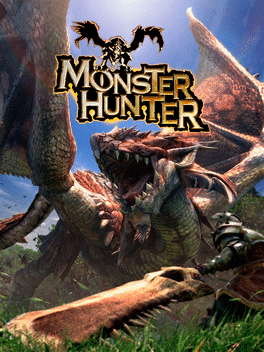
The book also treats presentation and systems as tools of design intent. It examines how camera perspective governs available information, how in-world interface elements and diegetic UI deepen immersion, and how fog of war, multi-channel feedback, and multi-purpose mechanics can reduce control complexity without sacrificing depth. Later sections extend these ideas to multiplayer, arguing that recognition systems, broader stat visibility, subtle movement-speed adjustments, and non-verbal communication can reduce toxicity and foster collaboration. The closing discussion of optional breadcrumb aids, such as Monster Hunter World's Scoutflies, summarizes the book's broader position: good design gives players control over their own difficulty and learning path.
Each row is a game or company this document names, each column a document, oldest first. A mark means that document names it. Select a row to see those documents.
ETC Press · 2023
ETC Press · 2022

ETC Press · 2022
ETC Press · 2021

ETC Press · 2021
ETC Press · 2021
ETC Press · 2020

ETC Press · 2020
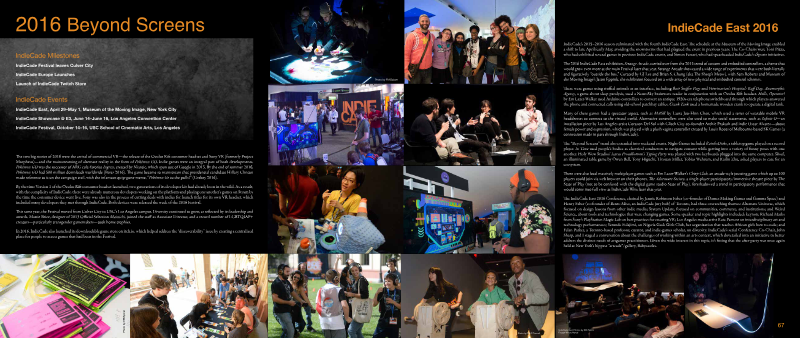
ETC Press · 2020

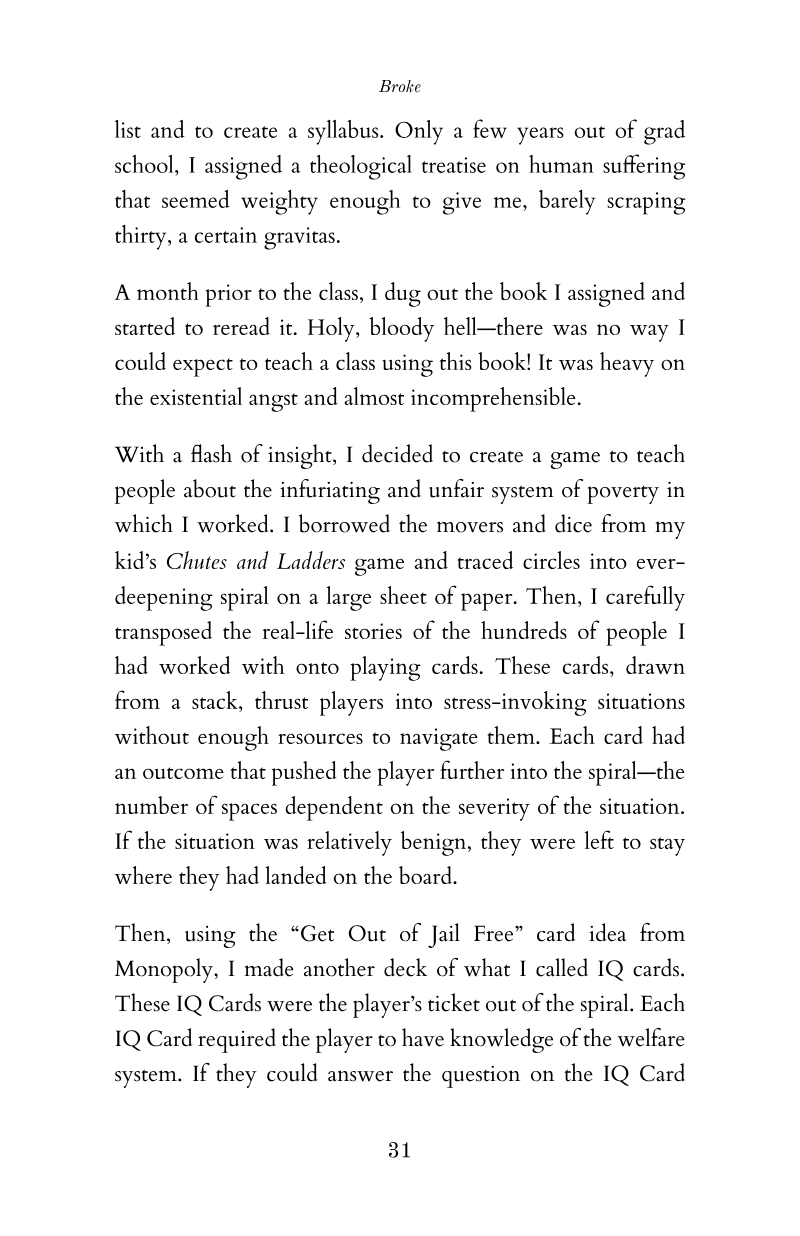
ETC Press · 2020
ETC Press · 2020
ETC Press · 2020
Jason Schreier · 2026