VideoDeconstructor of Fun
Fireside Chat: Thriving in the State of Survival: Affan Butt & Andy Zong
15 Mar 202418 min video
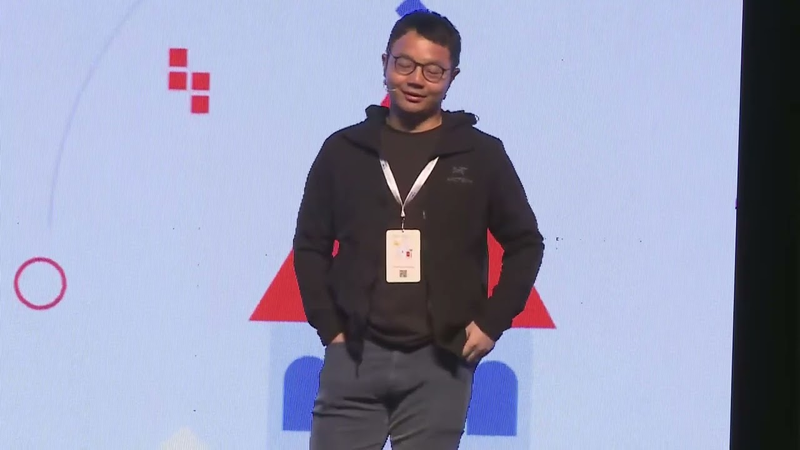
You just stand. I think we're going to stand. Is that my phone? All right, I guess we got everybody back from break for you, Andy. great. So, it's an honor to be here with my old friend Andy, founder CEO of FunPlus. Andy is probably one of the best-kept secrets in gaming cuz there's not much known about uh FunPlus and your private company and all that, but maybe it'd be great for the audience if you could give a little bit of introduction to yourself and FunPlus uh because you've been in the business for a long time. Yeah, yeah. Because in the morning we've heard all this doom and gloom about gaming is dead. I know they tried to put a spin on it in the end that maybe it wasn't dead, but so we need to bring up the I know, yeah.
Yeah, yeah. Yeah, thank you. It's a it's great honor to be here. And also that's that's my first time in in Istanbul and yeah. Great. Um I I think I I'm in this is my 19th 19th year in gaming industry. I started the my company 14 years ago in 2010. Um We started doing simulation games and uh like a family fun and this kind of things and then uh in 2015 we started to really really work on strategy games and uh we also sold some one of our business called Century Games and uh um I mean it's a long way for us. We we have offices in different places. We actually have um right now all all headquarters in Switzerland and uh have some publishing in Barcelona. We
doing some stuff in Lisbon as well. So so Europe is kind of um it's a very um very important place for the company. Uh and we have a a lot of uh people as well in in Asia as well. Uh we doing a lot of development in Beijing, Shanghai. Um So I mean the company has uh we scaled the company quite a bit in last few years uh before COVID and uh uh we have around 2,000 people across globally. Yeah. And uh um I definitely hope uh I I also I'm I believe uh gaming is always thriving. Um I built my company actually when people say social is dead. Yeah. Right? I built the company in 2010 and uh uh after the booming of Zynga and then people just all talking about social is dead and then uh we actually built a company. We built the first game called Family Feud, a social game and uh uh it's becoming very popular. It
actually used to be very popular in Turkey as well. Yeah, but I think Peak published it here, right? Yeah, yeah, yeah. That's their their Yeah, yeah. So Yeah. So yeah, so again, you've been in the business for a long time, done super well. Um we've we'll talk a little bit about how the market is changing. We heard this morning there's a lot of challenges. I think what the bottom the shittiest chart was about strategy games, which is uh you know, you Yeah, that's the company we sold out. So uh so what's motivating you? What's keeping you, you know, going and thriving? Um so that we can be, you know, inspiring the next Yeah, I think um I I think I just like maybe most of people here. I I am uh I think making games it's to me it's kind of very challenging, but also very fun job, right? It's kind of like a two sides makes it makes me feel motivated. Um and also I think um
I believe the gaming uh are really meaningful for I mean for the whole like for the people playing it and also for the society. I mean that's I I myself I felt working in game industry is a proud and also very meaningful. Yeah. Um so I I I would I mean these two things are the major things for me to really really want to dedicate it 10 10 years or 20 years in gaming. Um so I think yeah it's exciting and also proud. I think these two things. And within strategy games, what has changed because again you historically think about this being very kind of you know a smaller segment or well-driven versus maybe some of the other games we've talked about here. So, how has that changed for you over the years? And are you going to continue in that or are you launching other uh genres?
Yeah, I think um I mean there's there's few few changes in our few years. Um one very obvious change is IDFA. Yeah. Right? Um I think uh strategy game genre I think that we I mean the whole the whole genre right now you are people try to shift him from a more core audience to more broad audience, right? And uh and that means the game experience need to be very different. Um so people in the morning talk about the hybrid like uh uh experience. That's a very um proven approach right now because um hybrid approach is it's be able to proven to onboarding other genres uh users into the social like a SLG 4X this kind of social core, right? And uh some companies already really successful um both in simulation like uh what else
what else survival like uh some of the recent games like uh last war, right? And I think it's they have they've onboarding other people from tower defense and uh and uh and the running running mechanics of from from publishing. So, I think that this is this is a big trend uh to onboarding more casual and more broader audience into this um core genre. Uh we also working on that. We we we have a few games on that uh um I think the second thing I I I I felt um in the morning people talk people talk about IP. Uh I felt IP is uh is definitely something interesting. Uh some of the IPs not explored. Um and if you actually can find them and you can build a great experience with them, it's very interesting. So, we have a game um coming this year. We we already announced this DC DC IP. We
Yeah, it's kind of interesting for us as well. Um Is this the first time you're working with IP? Yeah, it's kind of Yeah. Yes. Yes. The full game, yes. Yeah. Um So, you're looking at like transmedia opportunities as well? Yeah, we are. We are. We are. Yes. We I mean, we already doing I think there's a huge opportunity in in cross platform as well because we we see all our PC revenue also start to grow a little bit. Um um So, I think Can you talk a little bit more about that? Your cross platform strategy? Yeah, I think that a I mean, cross-platform it's uh actually I mean, like a mobile only it's you definitely want to on-board in broad audience, right? But I mean, that's a huge uh drive of the mobile, right? And they have few billion users. Uh the another direction is you actually
can create a games multi-platform. In that way, you can um not just rely on the performance marketing because I mean, that's that's kind of something good and bad about the mobile, right? And I think uh So, you can build the games more optimized for core core audience and then then you actually use uh uh the this kind of like uh holistic marketing to really really get people in mobile as well to play as well. So, you you you uh I think this is just the two very different strategy. Um I think in the company we are building right now, we have a lot of resource, so we we are doing this two approach uh at the same time in different games. Uh so, So, we heard this morning again a lot of you know, predictions and some potential challenges again for this year. For you personally and for FunPlus, you know, how are you seeing kind of the market right now and this year maybe
next few years maybe a little too far to look, but in the near medium term, how are you seeing things changing? Yeah. Yeah. I mean, I mean, the I mean, the facts are definitely in the morning people already talk about the facts, right? Like a uh like a short-form video, um like uh medium they are taking people's time, right? And um gaming are fighting in that kind of time uh time measurement. I think in my understanding is I still very positive in gaming because um um as I said, I founded the company when people say social is dead and so so I I I always very uh optimistic about this industry and also like really it's about like a tactically for each company how to navigate this kind of um transition period, right? Uh
growing mobile growing cross platform and uh really really leverage to AI people right. So so I think I felt for each company it's really really about tactical things. Um Uh so other than that I I felt I I'm very optimistic. I also felt it's um good timing for startup because uh usually when the industry is people say this is dead and it's good time, right? And because because everyone if everyone wants to find the money, but yeah. Yes, yes. I mean that's that's my experience I felt the startup is you you are successful because you have a lot of money. Sure. I mean from beginning, right? So that's uh that's just my understanding I think. So I thought we'd get away without mentioning AI since you've mentioned it. Uh is that something you've you guys are using or or just experimenting or how do you see that in your company? Yeah, we we definitely learning um
because we we have we have organization has a lot of people so so um we kind of really need really really focus on the leveraging the technology to to really really um uh focus on the efficiency, right? Um I think AI is to me is I think it's very trans transformative. Um because I can see engagement like in uh because we are other than work uh in SOG we also building RPG games. Mhm. Like if for example, if I look at um early application like uh character.ai, right? I think the the time people spending on the character.ai is really, really amazing. They're spending 2 hours per day. Uh and also their MAU are growing really fast. Mhm. Um so to to me, like a character.ai is kind of like already related from gaming, right? Especially in Asia, people know that people
really like people play RPGs, they build the emotional connection with characters, they do cosplay, right? I think uh I think uh character.ai is kind of give me a a big inspiration like like how AI really, really um can make something is very interesting, but also um make the interaction is new and novel, but also engaging. So so I think I I I'm I'm very excited about about AI for um both efficiency and also innovation. Yeah. Yeah. So how's life changed for you the most, Andy, starting way back when it's like few people to now Yeah. 2,000 people. Hopefully we have studios here that get to that you know, scale as as well. So what do you What's it been some some cool good challenges to talk about or how do you spend your time now versus Mhm. Yeah, I mean the last 14 years of
building companies, I mean I would say it's fascinating. Yeah. Um Um I think I I I work with a lot of people. Um I also know a lot of amazing people in this industry. Uh I always I felt like uh everything is possible in gaming industry, right? So um for me it's um personally I think I my my biggest learning is I as I mentioned before number one is I don't think a startup is I don't think money is the the successful factor of the startup, right? You need enough some resources, but like building a really really great product with very small limited resource is the power of the startup, right? I think for me as well I try to build this
kind of culture and uh that the kind of that that kind of thing in the company of 2,000 people as well. Uh so that's I I spend a lot of time on that. Mhm. Um we are making some progress, but of course it's not as easy as like we started a company with 30 or 50 people. Yeah. But I think that's that I spend a lot of time. I felt it's also very fun. Like if I if I can make that really really happen in the big organization, I felt it's um it's interesting. Yeah. So are you going given your success the business you know, obviously is doing very nicely, you're very profitable. Are you looking at I think you've made an acquisition recently uh as well, but are you going to look at doing investments and and M&A hopefully obviously in the Turkish market as well or is that not part of your especially as the VC money dries up and other strategics we see are
more open to taking even minority stakes. Is that something you're going to look to do? Um I think in um Yeah, I think in the long run I think we we I think about that. Um we we definitely think about um investment and acquisition in the long run. I think that this year we we kind of because we we have so much launches because in last three or four years we we just scaled so much. Uh this this year will be a focus year for us to launch three or four products from our side and I think I think in the long run I think we we definitely felt acquisition and investment is a very very important factor for for the company in the in in the growth stage. Uh it's also very healthy for the for the ecosystem as well.
Yeah. So any again we'd love to have you do some activity in Turkey. Any advice to some of the founders here who again I'm sure are very familiar with all the challenges with you know they live through that daily but as you know with I don't know if you would still start a mobile games company today yourself but you know any any piece of advice for them? Yeah I mean here to learn so I felt uh the community is full of the energy and enthusiastic so I already learned a lot from that because I felt that's that's the most important thing for gaming. The the the the the the passion and the enthusiastic from developers right? I don't think I have too much to share because um um because there's so many successful companies in Turkey already globally and and definitely I I think we we we want to learn more here.
Well we hope to see you you know make some investments or acquisitions here as well. But thank you for taking the time and it's always a pleasure. Thank you everyone.
Auto-generated captions from YouTube — names and numbers may be misheard.
FunPlus founder and CEO Andy Zhong reflects on his 14-year tenure in the gaming industry, detailing the company’s evolution from a small startup to a global organization with 2,000 employees. Despite prevailing industry concerns regarding market saturation and shifting user acquisition landscapes, the discussion maintains an optimistic outlook on the gaming sector’s long-term viability. The analysis emphasizes that periods of industry skepticism often provide the most fertile ground for innovation and startup success.
Strategic adaptation remains a central theme, particularly regarding the transition of strategy games from niche, core-focused titles to broader, hybrid experiences. This shift involves integrating mechanics from tower defense and other casual genres to capture a wider audience. Furthermore, the company is actively exploring transmedia opportunities through intellectual property partnerships, such as an upcoming DC-branded title, and a dual-track development strategy that balances mobile-first growth with cross-platform expansion to mitigate reliance on traditional performance marketing.
Technological integration, specifically the role of artificial intelligence, is identified as a critical driver for both operational efficiency and creative innovation. The potential for AI to foster deeper emotional engagement—modeled after the success of character-based AI platforms—is highlighted as a key area for future development in RPG and strategy genres. While the company is currently prioritizing the launch of several internal projects, it views long-term growth through the lens of strategic investment and potential M&A activity. The discussion concludes by reinforcing the importance of maintaining a startup-like culture of agility and resourcefulness, even within large-scale organizations, to navigate the complexities of the modern gaming ecosystem.

Deconstructor of Fun · 2026

Deconstructor of Fun · 2026

Deconstructor of Fun · 2026

Deconstructor of Fun · 2026

Deconstructor of Fun · 2026

Deconstructor of Fun · 2026

Deconstructor of Fun · 2026

Deconstructor of Fun · 2026

Deconstructor of Fun · 2026

Deconstructor of Fun · 2026

Deconstructor of Fun · 2026

Deconstructor of Fun · 2026

Deconstructor of Fun · 2026

Deconstructor of Fun · 2026

Deconstructor of Fun · 2026

Deconstructor of Fun · 2026

Deconstructor of Fun · 2025

Deconstructor of Fun · 2025

Deconstructor of Fun · 2025
Deconstructor of Fun · 2025
Deconstructor of Fun · 2025
Deconstructor of Fun · 2025

Deconstructor of Fun · 2024
Deconstructor of Fun · 2024
Comments