1 free read left. Create a free account for unlimited reading + AI research.
Create free account
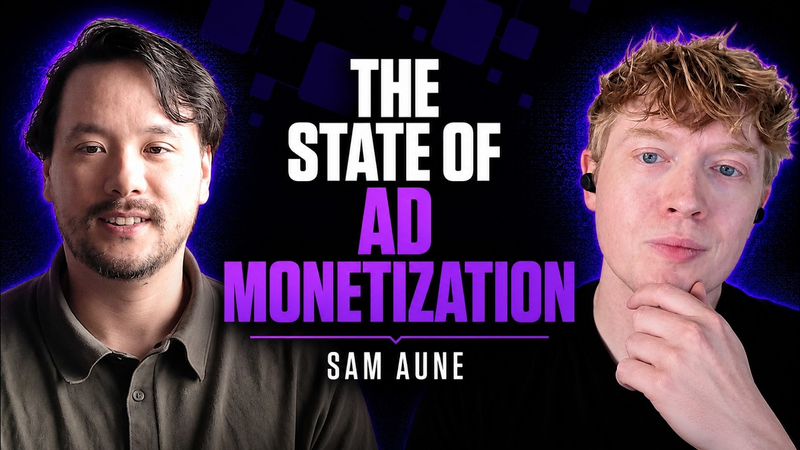
Mobile UA Landscape Impact on Gaming Companies (Pixels & Profits #7) ft. Matej Lancaric
Key insights
6 takeaways- 01Mobile user acquisition is shifting from interest-based targeting to event-based optimization and modeled conversions due to the deprecation of IDFA and the end of fingerprinting.
- 02A strategic divide exists between public companies, which prioritize short-term financial metrics, and private developers, who continue to use aggressive spending to capture market share.
- 03Long-term growth is now driven by rigorous creative testing and the ability to maximize the efficiency of ad spend within a privacy-centric environment.
- 04Scaling in the current ecosystem relies on creative-led marketing and platform-specific data from mediation partners like AppLovin and ironSource rather than legacy tracking tools.
- 05Developers are prioritizing financial discipline by shortening payback periods to between 30 and 90 days to ensure immediate profitability.
- 06Successful studios are increasingly utilizing web shops to circumvent platform fees and adopting genre-bending mechanics inspired by Asian market trends to improve monetization.
Ask AI about this video
Transcript
we're live everybody welcome yes we got we gotta start like that latte just like in our collab which I got a lot of great feedback on thank you very much welcome to pixels and profits today we are here with Mateo he is a mobile UA expert host of Two and a Half Gamers both the newsletter and YouTube channel so check that out he is a world traveler and also recovering from covid and today we are here to talk to mate about the state of mobile user acquisition and more specifically the impact and potential future impact to game companies including public game companies such as Unity applevin Facebook what will the end of things like idfa deprecation and now the end of digital fingerprinting do we'll talk about that but anyway welcome mate how you doing
today's episode is sponsored by data.ai to access estimates rankings downloads Revenue usage or engagement for millions of apps on the App Store and Google Play sign up for data.ai yeah getting better uh okay okay my voice is still upset I mean I'm still not 100 about that you know it's way better than that last week when I was laying in the bed all day long so uh yeah comedy is not fun it was my third time I guess third time is the channel so let's see uh yeah last year again in in August before Gamescom we got covered up out of nowhere this time P4 games combat the timing is better so let's see if I can make it actually to come on this year so yeah I guess August is my commitment anyway all right I think UA UA is dead we can end here thank you very much for listening this is great okay well I thought maybe one thing we could do is just start by going over how UA UA has been done
before and now today and kind of the changes that are occurring and again the potential impact to some of these companies that we we follow quite quite a lot uh such as unity and apple and Facebook as I mentioned so maybe I could characterize in simple terms my understanding of how it was done before and you know happy to have you guys jump in as well so so back in the day it used to be that a lot of companies would spend UA based on kind of like a percentage of Revenue whether it was like 20 30 sometimes you know the higher you took it the more aggressive you were trying to be it also from public financial statements we could see that the spend was something like 20 to 35 percent of Revenue in terms of like UA marketing spend in fact actually um I got a lot of my numbers from looking at glue financial statements Brian you know you were kind of at glue but you know that was roughly the range right like something like between 20 to 35 percent from from those old public financial statements yeah so I wonder if
you're looking at a public company like that it was a nice read from glue since it was small issue got a good read on revenues and in UA spend I would say the one difference there is you're seeing numbers in aggregate so it's not necessarily giving you the numbers that are spent uh per title and one of the uh I guess good things about being a diversified publisher and developer of mobile games if you want to call it that is that they had a few different levers to pull in terms of which games had better Roi and they could shift spend around in some certain kind of range but yeah depending on the growth objectives of the company and how you're managing ebitda uh that range that you said 20 to 30 percent on aggregate across a portfolio is quite good and you know for launches and things like that it could go way up or way down depending on the left side oh cool so get in there man let's go no because you're saying you're talking about 20 35 but uh what is the the life cycle like when is this happening because now honestly I'm working on on a game which launched four or five months ago and we are so we're making 150k a day we are spending 120 km
so it's way more than 20 way more than yeah you know if you look at like some of the data from whether it's sensor Tower data.ai and you know I personally look at the data.ai numbers but you're seeing some of these companies and we talked on Arco lab mate about some of these companies who are spending you know a huge amount on paid user acquisition relative to Oregon Ohio oh sorry go ahead yeah it's also it's also crazy how uh almost as well it's a good thing it's a good instructional read on what we talked about a couple episodes ago on cost of capital and whether or not you're a public company right so everyone has their own growth objectives and how far they're spending out in the curve for a public company Like Glue it was pretty much impossible to go above like a one and a half to two year payback just given you know we had to show profitability at any point in time but dreams I think five years
excited to jump in I remember there's been a glue said that they can't spend too much money because Polaris is spending everywhere and it's just like so expensive that they they they had to just pull back the spent that's right yeah I think that was in reference to there there was that UA war between play Ricks and matching to match and slash absolutely right yeah yeah exactly yeah that was uh that was a pissing contest that really like sunk a lot of people celebrities you know if the Grapevine is correct that dream is raising money again it makes sense that they're juicing the UA to deduce the funnel to juice the top line to raise more money so like you know private companies the they don't have the quarterly reporting Cadence like we said you know investors slammed glue they slammed Zynga every time the margins weren't good enough um private companies all they need to do is show the Top Line growth to raise more money and keep that you know keep that going you know you can look at it
positively you can look at that cynically but either way you know if that is going on it makes sense that they're spending really aggressively right now yeah I need to know about profitability at all we're just now like oh well they're growing is it profitable nobody knows maybe maybe no right so going back to like the history of UA and so like a couple of Concepts also that were mentioned so so payback kind of period would be like the amount of time that it takes like if I spent five dollars to acquire a user then how long will it take me to make five dollars back in my game and so um there's also this concept called row as or return on ad spend which is basically at a certain it's it's a DX metrics meaning at a certain day like day seven day ten day whatever um how what percentage of that five dollars that I spent do I have back right and and so um basically there are certain games and like some of the examples that were mentioned like Monte mentioned dream games for example a match three game some of these players in these kinds of games could be playing for ever right
and so even though like Brian mentioned the for for them payback might have to be within one and a half to two years back in the old glue days if you have a game that's like a match three or something that's that lasts forever you could potentially um just hope for your your you'll be getting paid back over a period of time but if you miscalculate you know then you can be really hosed like you could spend ten dollars and only get like two dollars back and then and then you're kind of hosed so I mean that did happen in terms of like a lot of companies did have aggressive models you know when the when the McKinsey guys come in and then they say well yeah actually they're great funny enough in spreadsheets you know a lot of games could be made profitable which is the existing few numbers anyway so kind of like what used to happen in terms of like spending on based upon a percentage of Revenue shifted with
Facebook when they came out with these products like AEO app event optimization vo value optimization which basically would allow you to Target players that are are whales and to actually um having some products where you're you're trying to Target specific rows and I think that some of these roast products still exist today right mate like I I believe yeah like app loving Tick Tock Facebook even on Facebook you can you can run yeah of course you just need to have the scan conversion schema uh uh okay Garden revenue and when you have Revenue you have purchase event and then you just select like different increments so basically you have 64 bits that you can you can work with and then you have one dollar increments or based on your analysis on the day one purchase um power or just whenever the player can purchase on the day one it can be either like 200. so usually we have up until 64
dollars but you can extend that to 200 500 whatever if you have this uh you can use the purchase optimization and even value optimization which is still possible on Facebook it's just it's just before now for now until fingerprinting is filled up even on fingerprinting I mean look indicate to do that that's the thing so uh so this is just like mixed mixed messaging so Facebook says we have disaggregated even measurement program which is now live amazing almost real time reporting on iOS wow main on paper again looks pretty good uh you have to have the Facebook SDK inside or you you can use mmps apps layer doesn't have it yet so you need to wait a few weeks I just has it and singular is now rolling it out to every client which also takes time so the safety this Facebook SDK because obviously a lot of people have Facebook
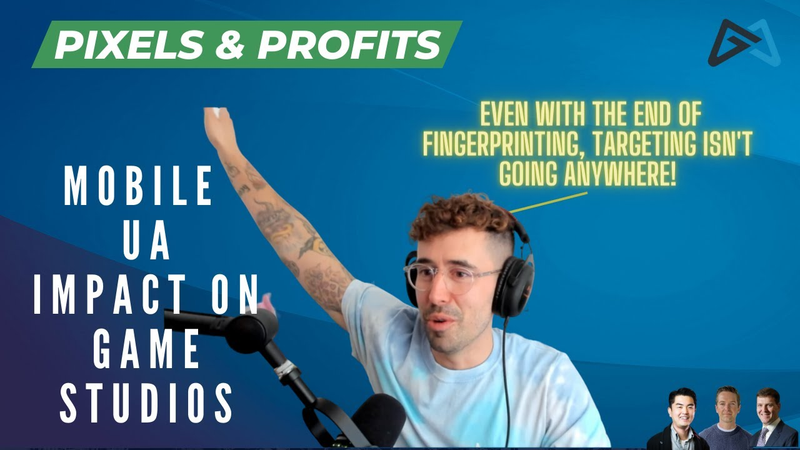
and also you know uh Firebase and Google same thing if you have Firebase you can run pretty interesting campaigns on Google ads and you know they're working together uh as the same Google product so you have better results that's what okay I guess we should go into it later but it sounds like what you're saying is even after fingerprinting is killed off the UA Market may still be kind of okay in terms from a targeting and kind of AEO vo that that type of product we still exist yeah that's uh that's not going anywhere uh the targeting kind of shifts from the old days of in interests and lookalikes basically to the event-based uh targeting so you are using these events on the campaign level which is purchase you can use whatever else engagement events so I know level 20 level 200 tutorial finisher whatever else you can you can you can use for you know growing dates of the game
but then everything comes down back to to purchase the valley all right so I think some of the some of the UA channels will be impacted more so if I'm looking at the the UL landscape at the moment so Facebook was always the greatest Channel and Google Facebook dies or is dying slow death so now it's it's Google it's up there for Android but there is Apple I mean and everybody's like oh well uploading is going to die as well because of the fingerprinting well no unfortunately unfortunately no they're claiming they're doing something on their end I mean you have all these modeled conversions they have the they have the biggest and the advantage which I understand doesn't have is the max if you have if you're on Max you can use Blended Rush campaigns address campaigns and uh and it's it's based on different different days for us so basically the Blended address is combining ads revenue and in-app driven you don't have this on
iron Source or maybe yeah but not blending so that's why this is like they're getting all the information from X right and for for our audience mate could you explain what Max is Max is a mediation uh so for ad Revenue you are plugging in different ad networks so you can squeeze the most out of the the address menu so yeah you're using mediation to have different networks Facebook inside admob aerosource even uploading unity all of this and you are there bidding against each other so you can earn more money uh this would be more beneficial the changes coming into large existing games uh over new launches or no difference um I think uh larger games uh but then as I mentioned now I think uh the the game that I manage at the moment we have 80 uh spend on uploading which is a little bit dangerous but it's unlocking a huge scale and it's still it's still
growing I I'm used to see after global launch there is a peak and then it's kind of declining one or two months we are still going up into like four months and like scaling seriously day by day thanks to uploading and this is a new game so if you have the if you have the the good setup on the game it doesn't matter if it's smaller or big that's that's what I think and how trustable is app loving these days is it no longer yeah ideal game Hydro data it's uh when I'm when I'm looking at let's say the internal data and the data they uh they have in apps um Apple I mean there's more there are differences because you know Day Zero for me is definitely different for the day Zero what they are having and you never know you never know but I think I heard some rumors that they are actually selling their gaming division or I don't know so you know this is I mean I was in
Seoul and I was looking at the some of the the information that they shared the basically the sheriff um Publishers and developers there on Max is just like going up I was like it's 150 000 developers at this point which is huge it's huge okay it's it and it's they're improving it so so heavily that you can you know if you're not on Max you are missing out on the UI side of things like quite heavily honestly yeah that's the thing right yeah it sounds like it was a good a good acquisition I think that was like three guys right if I remember correctly but anyway all right well okay so back to the story guys so you started in the old days with the UA spending on a percentage of Revenue then kind of shifted to these more sophisticated things once Facebook came up with products like aeovo and then you could do um even more sophisticated things like Roadhouse targeting things like that
um but today I guess and kind of what we were talking about and you apologize to the audience we've been kind of jumping around all over the place but today we're kind of in this kind of Market in flux where it's like if you kill the ability to identify users you can't have these sophisticated products doing things like AEO and vo and so that's kind of like the big question today and I think what we want to do is probably just I think we've got a number of questions and so for the audience out there if you're interested in the user acquisition landscape and what the potential impact of some of these things to to public companies could be that's why we brought mate on here and actually maybe I could kick it over to you Matthew in terms of just starting this q a with the UA Master yeah we're here today to figure out if UA is dead or if this is Long Live UA it is dead yes please don't do your way it's fine don't agree
um you know I think Brian kind of laid it out you know with some of his history from glue but I pulled some numbers from a smaller mobile game publisher that's still publicly listed there's not too many of them anymore so it is hard to find like good data but G5 is listed in Sweden and they still break out UA spend as a percentage of total uh expenses in Revenue so looking at them and again by no means a proxy for the industry but we can look at the trends and how it's shifted over the last few years um you know pre-covered they spent about 27.5 of Revenue on UA so that's that's quite you know it's in that range of 20 to 25 but for 2020 to 22 they spent just 21.9 and then in the first quarter of this year it was below 18 so they're really pulling back on UA in the last few years um I think there's a lot of reasons for that a the Top Line grew more they haven't launched as many games there's lots of their seasonality in the first quarter that they maybe pull back on they didn't you know so lots of things that that move the needle but I think overall the trend is that they're spending Less on UA than they did in the past um so I guess just what you've seen particularly working with smaller and
mid-sized game developers and not the Giants what have you seen in terms of budgets um how are companies thinking about UA spend and prioritizing um you know profitability versus growth yeah a very good question so usually what I see at the moment is a shorter payback periods so you mentioned two years uh not everybody can afford two years also different genres different payback periods but now era too yeah yeah and I I usually now try to aim for payback like 30 60 or 90 days because you know times are tough uh people want to have their money in their bank account because it's something understand they're kind of kind of safe and uh and this is also the the case for for this game the diverse it's almost like a bit much but I just jumped in uh recently we are optimizing for day 30 100 and still can spend 120k a day uh it's very aggressive call it's a very
aggressive goal but you know that's that's just how it is I mean we don't want to move uh to 60 90 because it's very tricky I've seen this situation it's like oh the numbers are amazing let's just scale more and then move the payback period to 60 90 120. and then like like Jake I mentioned like oh well but the prediction wasn't that great and then we are not gonna see the money back anytime soon so I'm seeing shorter perfect periods uh on some of the games I mean it's not always 120k a day but it's less it's lower budget obviously if you're spend if you're aiming for short payback the budget goes uh mate can I ask you uh kind of a more tactical question so you're spending 120k a day with a target of 100 payback in E30 so yes so 100 you know like roads by d32 do you like when you're adjusting the daily budget do you do that based
upon like a D3 or D7 to D30 visible d0 d0 gold 20 if we are above 20 [Applause] um okay that's that's you're playing Vegas yeah yeah I mean yes yes yes and no uh yes you know but there are some multiples between day three and day seven obviously yeah they they zero 20 kind of is the curve where we need to hit the 100 of day 30. okay and honestly so I I started uh when I started working with this uh this game no Facebook because it's like no Tick Tock because it was wasn't performing well now Facebook is is getting back on scale because we just there wasn't a good creative honestly so we tested like 20 different creatives and found the angle that works on Facebook on Tick Tock now it's it was basically zero now it's we're spending like 10K a day out
of nowhere thanks to the Victor creative challenge so you have this like small bits here and there that can help you unlock this scale and then like right now is the day Zero profit is like profitability is like 200 because of the the of the creators the revenue skew on these games are they indexed more towards ads revenue or IAP or a little mix it's uh it's 50 50 or 60 40 uh towards uh heads and that's why the short paper if yes if it's skipped more towards iips then it would be a little bit longer but I know I work with one game that uh right now is aiming for two-year privacy and we're spending like five million a month and 10 different channels 10 different channels it's just you need to diversify to almost everywhere if you want to scale and sometimes it's on 1 million a month sometimes it's a 40
50k a month because you hit the ceiling so you need to add these channels uh to your UA mix to be able to you know to grow the game and then maybe you will have five channels uh for 20K a month and then suddenly it's 100 so you need to stack this up so yeah you see it's definitely not there but it's just uh it's getting um harder yeah let's say you know that's the part of the job that's the part of the job so you often hear about like uh the demand side and supply side of the advertising market so can you give us a quick overview of the delineation here like who are the major players on both sides how they interact with each other and how they make money so you have you have I like I said that plugin you have iron Source you have also your Facebook admob all of these big big UI networks they are having also like both sides of the equation uan basically because player now is
definitely uploading then you have iron source and then then you have admob which is a mediation but it's just it's not good honestly sorry guys it's not good uh and uh and they're just I mean uh you could see the war between iron source and Max like they're trying to pull the clients and developers from from each other offering deals uh you know back Channel deals and everything which uh usually uh kind of is interesting but then some of the some of the some of the developers don't understand uh what those deals mean and even if they get uh let's say 200k upfront cash it doesn't mean that you know is better but yeah anyway you you mentioned this briefly but like so through the major players that investors know about given that they're public or apple open and arm source so I guess what are the competitive Dynamics like between these two two companies and
is it really a situation of eating one of those lunch or is there room for both of them to grow at the same time I know you just mentioned this too so you can scold me again but just dive a little bit deeper into that yeah I think uh yeah that definitely eating each other's line but they iron Source could grow on the UI side if but they it looks like they're falling behind like Max is like way ahead and uploading is way way ahead of them uh they just worked really hard in the last year to introduce different campaign types so as I mentioned you you can Target purchases and uh and payers you can Target ad revenue and address you can Target both I don't know if it doesn't have it that's like the super super powerful for every game out there that that has both ads and in-apps so these are like these are the biggest advantages and if if iron Source could potentially bring this into the onto the UA table it would be very interesting it would it would be very very interesting Unity has this
like a hybrid Ross but they don't have the very powerful mediation so it doesn't work that great is applying for example just given like this space in general has been going on with like constant change and iteration and a lot of kind of volatility does this in your opinion lead Publishers with an incentive to launch games now I mean I'm not saying like unpolished games or whatever but are they trying to launch campaigns actively maybe um thinking that this is the last kind of chance before there's a major shift in the market again and would that have some sort of impact on pull in like seeing really good quarters that you know may not repeat themselves yeah I mean this is a great uh quarters definitely need to repeat themselves afterwards it's just getting worse and worse but there was never never a good time in general like to launch a game maybe in January uh every January and February March is kind of like a good uh situation for UA always after the
Christmas but uh I'm seeing uh not I use an unpleased games but games that are good enough uh to put it out on the market to get data and then just improve on as you go which means like what like 90 percent finished came and then developers are adding new features so I mean now it's not gonna get any any better this year so if you have a game launch it now and then just uh try to yeah try to work on it quite a bit and guys I forget is is like the end of fingerprinting has there been a definitive date set for that I think at the end of the year end of the year yeah yeah calendar Q4 and so I'm hearing like end of October mid of November something like that yeah I heard December as well so I was like so Brian are you suggesting buy these these ad networks before uh in that
quarter and then sell after that that quarter well look it's it's complicated right because it has a lot to do with uh sentiment and positioning and those aren't getting any easier given the tech tape right now and we can certainly talk about that a bit um but right like if you if you think that uh Publishers are incentivized to launch now and there's a robust business that may not repeat itself like sure this is there's companies out there that are publicly traded that are unilaterally exposed to the UI environment or at least you know 50 of their revenues or 100 of the profitability are indexed to those themes uh it's like keeping on track of competitive Dynamics in that space and also just the overall um health of that UA channel is going to be extraordinarily important for them but then you have like you know do you think management teams are going to be straightforward about these things are there other uh designs in in Mobility for what they think they want to do with those companies are they going to acquire things are they going to sell themselves it's it's uh I mean they were grossly not transparent about idfa every
single company basically lied to investors faces about idfa hurting them so how can we go through that position six months ahead of time you get a lot of money but you know those trades can be just beat you up in the face over time too because they are you know by and large yeah in the last three months for a lot of people that were assorted I mean a lot of short covering has happened across the market but yeah totally I guess in the uh the private markets too we were just talking about dream and some of these other companies that are um spending out on the curve maybe three plus years what that is hoping for is that there is some normalcy and complacency that pushes the m a landscape back to what we saw in 2011 2021-2022 like who is going to pay three to four times revenue for a business that's not profitable but has extraordinarily solid top-line growth and everything that I'm seeing in the space um I I don't have a good answer for that except the Saudis right yeah
so mate in that context and let's get back to this question so once I did just want to jump in on uh I believe that fingerprinting is getting killed by iOS for iOS 17 right which is still in beta um that's the Privacy manifest that Apple's calling it um usually Apple launches the new iOS when they launch new devices right around that so end of September early October plus or minus okay so I think the important question to then try to get you know try to get a perspective on is when fingerprinting does go away so mate we were kind of speaking at the beginning of our conversation about the potential mitigation to that basically by some ad networks having an SDK being able to pull data I don't know how okay that is with with apple or not but so could you what is your perspective like fingerprinting is gone in theory when you have no IDs you should not be
able to have these aeovo products in theory but what do you what are you saying is going to happen in your opinion in theory you know in theory like the theory is that's for 10 years already so uh uh but you have all like everybody's now doing the modeled conversion based on the whatever data they have and if you have ton of data then you can model almost everything and Facebook has their own SDK Google has the no SDK and even if you if you scan and that can you can model out those uh those cool versions based on the day one uh and they scan four which is coming I mean Facebook rolled it out and then pulled it back because it was such a big failure uh but that that's gonna open up like some new potential opportunities because you're not going to look at the day one only but you are going to look at the day 7 prospects and day 35 Post Texas well anything so I guess in the vein of what you were just describing Apple building and AD Network
um could you argue that's good for game developers because theoretically they'll privilege their own ad network with their own data so you can bring back user targeting you just might be paying for it so it'll be more expensive but on the same time the you know the return on on what you spend there could be really good is that kind of how you're thinking about it yeah I'm thinking about it exactly in that way and honestly I don't care if it's if if I need to spend more and get the the same or hit the same Target that Roscoe's if it's tick tock Apple I've been Unity whatever I mean I I don't care honestly I don't care if if that helps me grow uh and help the game grows as well it's it's fine now you have Google plays out because I think too you know Google gets antitrust all the time people are always talking any trust with Google and part of it is this reason right it's the tie in between the products and the ad Network and I'm curious if Apple because I mean this has been rumored for what two years and we
haven't really seen anything about an ad Network I'm curious if you know the business folks the product folks and the policy folks are all kind of debating you know how do we not cross a line that's going to get us in trouble here because Apple has kind of I think you know with the App Store yes they've gotten in trouble but like kind of I think less than Google they've had antitrust focus on them and I'm curious if that's a gating factor for them entering you know like uh Facebook has its own issues with privacy as well they're just paying fines here and there nobody cares it's been us for right so Hello Apple is now received as uh the Privacy focused company thanks to all these changes so you know they're already building this this narrative for a while and while we're on the subject of antitrust you know one of the things that's happened because of antitrust Focus has been um the opening of app stores to a degree uh game developers are now pushing web shops to uh you know for for purchases
to drive adoption how is the growth of web shops affecting the UA landscape um how do Publishers you're working with think about spending on different channels to drive people to web shops as opposed you know through in-app purchases within the app stores themselves yeah for some some games it's uh it's kind of still pretty early but I see the mid core and hardcore games that are pushing these like almost like well 80 90 of their players to web shops and then honestly their own web portal or whatever so they can bypass the 30 it makes a lot of sense right and this is going to be such an important part of the the whole whole new way because you you're getting additional money right so yep it's it's very it's very very important on the other hand it's it's kind of you know you need to think about like there is still like a step in between so you can have a lot of well uh people churning out in between
but that's still it's still worth it for sure so mate maybe one question I could ask you then is for uh maybe the audience out there who are game developers or game studios that are looking for a typical launch today like what are typical budgets that you're seeing like how much money should you have ready and I know of one successful game where I believe they spent like 5 million in their launch and so like is that typical or how much should a game and you know I understood there's going to be different factors that impact that budget but maybe you could talk through what are the typical factors that go into determining a budget for a game launch and what are some of these rough numbers from your perspective yeah so you have you you need to have different scenarios for Global launch because usually the global launch plan is you have a you launch a game you can throw that plan a out of the window because everything
just you know changes immediately do you need to have plan A B C D and then some other pickup lens as well so that's why I usually have uh like three different budgeting scenarios maybe four based on the based on the goals we have sorry as I mentioned so we have the different day zero day three day seven rose gold if we hit those calls I don't know 10K a day we are hitting the goals okay let's let's move to 15K a day if we are hitting the goals let's move to 20K a day and then like gradually increase the budget so the times where you had five million and did a big splash lounge and then scaled back I think like I believe that's over and it's like I don't know a few years back five years ago or something like that now it's more like gradually launching so usually I have these scenarios so you have small budget around like a couple of hundred thousands per month then I tried to aim for a million five millions and then you have the the scanning budget somewhere
there like 10 million a month based on the numbers you you can you can actually achieve so in between right so based upon the different scenarios would dictate a certain daily budget yeah and so and then based based upon your daily budget and your projected um your payback window yeah then that would determine that's how much money you need to have before you start seeing your money back essentially exactly and also profit Bros the finance Bros language this is all about path dependencies right that's the term that you'll hear a lot from economists and whatnot and it's it's exactly this right it's rather than you know being nailed down in specific scenarios evaluated the different steps and be ready to and have a plan for what happens at each step and go from there so you rather than um you know assuming something will happen you're ready to react based on how things play out mate is you're looking at the space and particular games that are just launching are you noticing any uh similar
qualities amongst those games and that could be soft or hard qualities like the genre or like the founding team or what do you think is driving success in this market well I think the genre expertise is driving a lot of success if you have that then you can launch basically anything you can see the raw match how they launched you have the Monopoly call which is interesting it's definitely different from whatever I saw and then you have these these different companies coming from China like uh or South Korea or Asia basically you have the like we discuss Frozen City why not survival which is like not killing it 20 million a month and uh more and even yeah even more even more nowadays and you have strategy games there is the kingdom guard guys uh that are pushing it so much now rash Royal is killing it as well so honestly it's a combination of different things and the marketing is a very big part of it but you'd have to have the genre expertise and like having the best possible
product obviously cliche but like if you don't have the good product you can't spend against anything basically so Matt Matt gave a little read through of G5 and I think I looked at Aristocrat maybe like three or six months ago that was also a pretty good read like uh demonstrable uh progress in driving margin leverage through reducing UA do you think that that's contributing to some games having some success like pulling users away from games that might be a little bit stale or have pulled back in that Cadence could be uh I know also for example the case of ridicor so they were spinning quite heavily after the acquisition and then suddenly out of nowhere they just pull back the spend to zero yeah yeah so they could actually get the money back because they're they're still like Revenue stayed flat so they they were earn like a lot of money but they're in spending zero obviously it's like oh well okay so we we had to spend this amount of money and now we're just turning the profit It Seems like by and large the public
company is the ones that have had to chip back on UA budgets so that would also be incremental to like the take two Zynga ecosystem as well yeah it's like it's like a geographical thematic you're seeing a lot of strength out of Asia in particular for on the developer side anything any like signs of Hope in Europe and U.S uh it's uh from what I see not yeah yeah not that much I mean Asia is like far ahead of Europe and U.S uh in the mechanics the marketing uh tactics like and they they bought out survival literally took Frozen City game they put it into the game as an onboarding funnel and then when you hit Level Seven it just zooms out and it's a strategy game it's so clever it's so clever like nobody was ever thinking about this in in U.S or Europe it's really like they're far ahead and I think in particular Chinese are just they're at
another level right now so it is what it is and then you know Europe is moving more towards four-day work week so yeah exactly yeah let's you know let's chill you know everybody's so everybody was like burned out you know we need to we need to work less uh which is fine whatever exactly all right well I guess I I don't think I have any questions I don't know Matt um Brian if you have any other questions and if not mate do you have any last minute words of advice or maybe you can also let people know how to get in touch with you to sign up for the um brutally honest brutally honest news out there uh you know Jokes Aside uh so UA is definitely not dead it's harder and it's gonna get even harder as we go but it's a part of the job and you know
you just everybody needs to work a little bit and try to find workarounds if it's playables if it's tick tock if it's uploading different campaign types it's just this is how it is so if you are you know focusing on Facebook these days only topic expand the diversify and like that's the way to go at this point and if you want to reach reach out to me it's uh launcher dot me l-a-n-c-a-r-i-c dot me or sign up two and a half Gamers uh you have a new channel [Laughter] yeah I know I know I don't know all good all right everyone well from the pixel Brothers in mate nice thank you very much catch you next time see y'all later thank you very much guys all right foreign [Music]
[Music]
Summary
The mobile gaming industry is undergoing a fundamental transformation in user acquisition strategies, moving away from traditional interest-based targeting toward sophisticated, event-based optimization. As privacy regulations like the deprecation of IDFA and the impending end of fingerprinting restrict granular user tracking, developers are increasingly relying on modeled conversions and mediation data from platforms such as AppLovin and ironSource. This shift necessitates a transition from broad, high-spend launch strategies to iterative, data-driven scaling that prioritizes specific return-on-ad-spend targets.
Financial discipline has become a defining characteristic of the current landscape, with many developers shortening payback periods to between 30 and 90 days to ensure immediate profitability. While public companies face significant pressure to balance these short-term financial metrics with growth, private developers continue to experiment with aggressive spending to capture market share. To navigate these constraints, successful studios are diversifying their marketing channels and adopting innovative tactics, such as the implementation of web shops to circumvent platform fees and the integration of genre-bending mechanics inspired by Asian market trends.
Ultimately, the ability to scale in the modern mobile ecosystem depends on creative-led marketing and deep genre expertise rather than reliance on legacy identification tools. As the industry faces continued volatility, the focus has shifted toward maximizing the efficiency of ad spend through creative testing and platform-specific data utilization. By prioritizing long-term retention and financial agility, developers can maintain growth despite the loss of traditional tracking capabilities, ensuring that user acquisition remains a viable engine for revenue in an increasingly privacy-centric environment.