ReportAEVI
Estudio sobre el Consumo de Videojuegos entre la Población Adulta Española y en Familia
202342 pages~25 min full read
The study investigates how video‑games are consumed in Spain, focusing on family interaction, the adoption of parental‑control tools, and the impact of streaming personalities on player behaviour. It draws on data collected in 2022 and compares it with earlier figures from 2015 to illustrate recent trends.
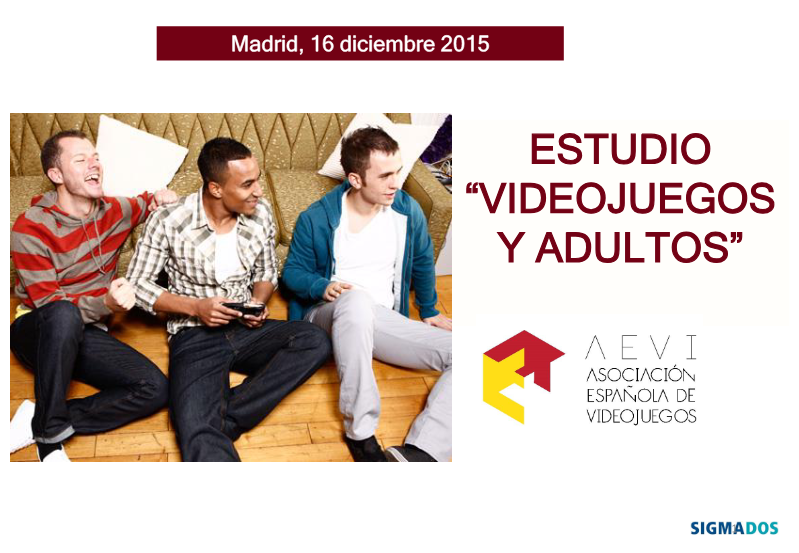
A striking finding is that nearly eight in ten Spanish parents reported playing video games together with their children in 2022, up from just over a third in 2015, indicating a rapid cultural shift toward shared digital entertainment within households. Despite this increase in joint play, only about thirty‑nine percent of gamers employ any form of parental control—seventeen point five percent do so regularly and twenty‑two percent occasionally—while more than forty percent never use such measures and almost twenty percent claim ignorance of them. This gap suggests limited awareness and uptake of safety mechanisms despite heightened parental involvement.
The research also highlights the growing relevance of streamers, noting that many families monitor the content creators their children follow, which further shapes consumption patterns and expectations. Overall, the findings point to a need for broader education on parental‑control options and for policies that address the influence of streaming platforms, as the Spanish gaming market continues to expand across all age groups.
AEVI · 2025
AEVI · 2025
AEVI · 2025
AEVI · 2025
AEVI · 2025
AEVI · 2025
AEVI · 2025
AEVI · 2025
AEVI · 2025
AEVI · 2025
AEVI · 2025
AEVI · 2025
AEVI · 2024
AEVI · 2015
AEVI · 2011
AEVI · 2008
Niko Partners · 2026
Anzu · 2026
Telekom Malaysia · 2026
Deloitte · 2026
Niko Partners · 2026
Bryter · 2026

SELL – Syndicat des Éditeurs de Logiciels de Loisirs · 2025

Newzoo · 2025