1 free read left. Create a free account for unlimited reading + AI research.
Create free accountReport Breda University of Applied Sciences
1 free read left. Create a free account for unlimited reading + AI research.
Create free accountReportBreda University of Applied Sciences
Newzoo estimated global game industry revenue at $159.3 billion for 2020.
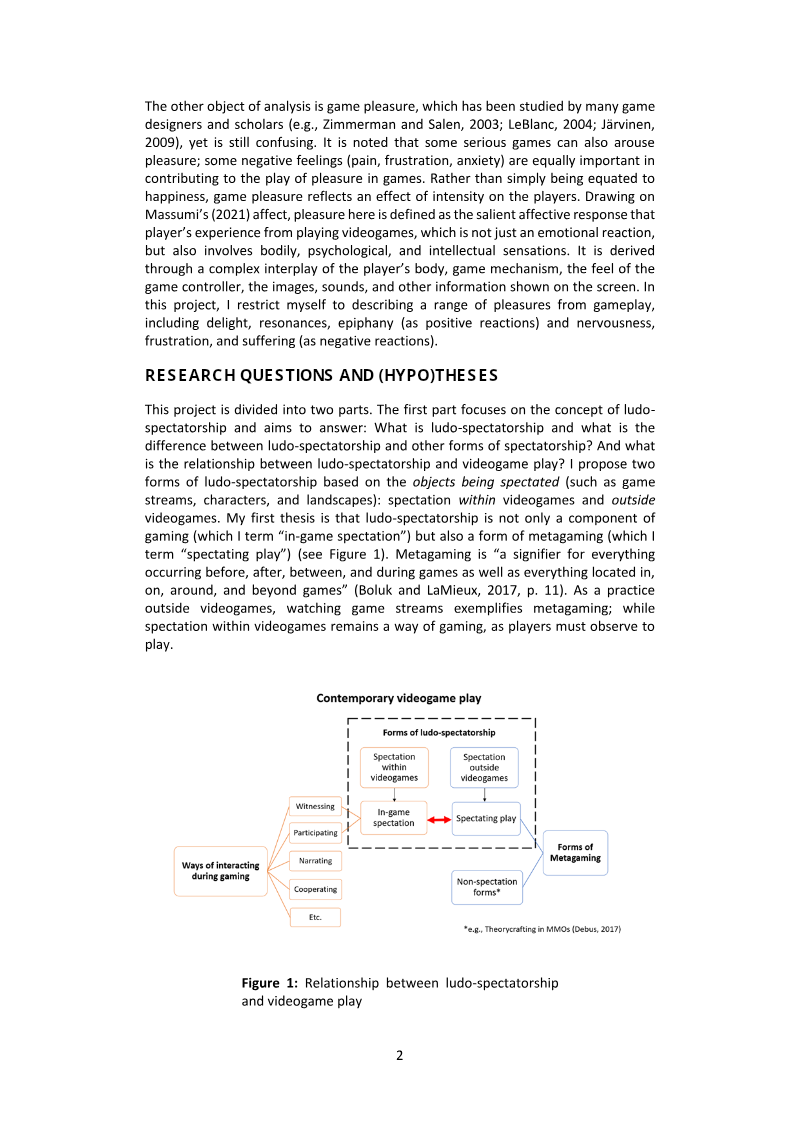
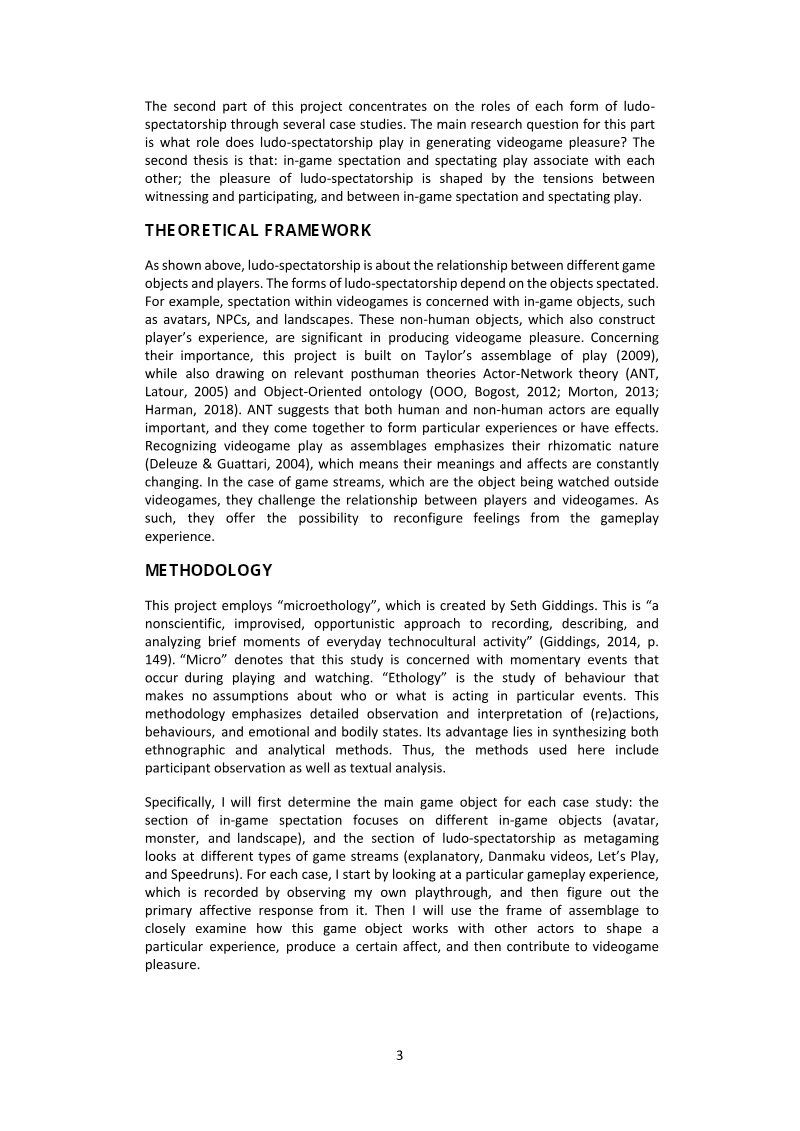
Esports is presented in this article as a preview of how sport and leisure may evolve in a increasingly digital world, with the COVID-19 pandemic having accelerated that shift. Written by Samuel van Kiel and Mathijs van der Kroft of Breda University of Applied Sciences for the 2020 Trendrapport toerisme, recreatie en vrije tijd, the piece argues that competitive gaming, which could continue during lockdowns when traditional sport was suspended, offers insight into the digital sport experiences likely to define the coming years. The authors draw on industry figures and recent examples to support their case.
The central statistics concern the scale of the gaming market. Market analyst Newzoo estimated global game industry revenue at $159.3 billion for 2020, compared with $21.5 billion for the music industry in 2019 and $136 billion for the film industry, and projected 2.7 billion gamers worldwide growing about 6% annually. Live viewing of game streams reached roughly 12.3 billion hours in 2019 according to the Technology Policy Institute, and IDC reported over 1.72 billion hours of esports viewing during the pandemic period. Traditional sports also experimented with virtual formats during lockdowns, most notably the Virtuele Ronde van Vlaanderen, which drew 613,486 TV viewers and 250,000 online viewers and appeared to attract a younger audience.
The authors identify behavioural interactivity as the most important dimension of digital sport experiences, drawing on a framework by Flavián and colleagues, and argue that interaction, participation, and social cohesion are what reach younger generations. They recommend that sport organisations view sport primarily as a social play experience, develop a clear vision on combining onsite and online formats, keep digital content short, and explore cross-overs between gaming, esports, and traditional sport while respecting their differences. The article is a trend essay rather than an empirical study, and its evidence is largely drawn from industry reports and secondary sources.
Breda University of Applied Sciences · 2026
Breda University of Applied Sciences · 2026
Breda University of Applied Sciences · 2026



Breda University of Applied Sciences · 2026
Breda University of Applied Sciences · 2026

Breda University of Applied Sciences · 2026
Breda University of Applied Sciences · 2026

Breda University of Applied Sciences · 2026

Breda University of Applied Sciences · 2026
Breda University of Applied Sciences · 2026
Breda University of Applied Sciences · 2026
Breda University of Applied Sciences · 2026
DiGRA · 2019