1 free read left. Create a free account for unlimited reading + AI research.
Create free accountArticle Matthew Ball
1 free read left. Create a free account for unlimited reading + AI research.
Create free accountArticleMatthew Ball
Developers can build virtual experiences without needing to engineer core code. This allows creators to focus on artistic output rather than low-level engineering.
It's like a pre-built kitchen for a chef, providing all the complex appliances so they can focus on cooking.
The Unreal Engine serves as the foundational core of Epic Games’ business model, acting as a critical technology suite that enables developers to produce high-fidelity virtual experiences across gaming, film, and enterprise sectors. By providing the complex code required for physics, rendering, and networking, the engine allows creators to focus on artistic output rather than low-level engineering. This technological dominance creates a powerful flywheel effect: as more developers adopt the engine, Epic gains access to broader performance data and tool innovations, which in turn strengthens the engine’s capabilities and market position.
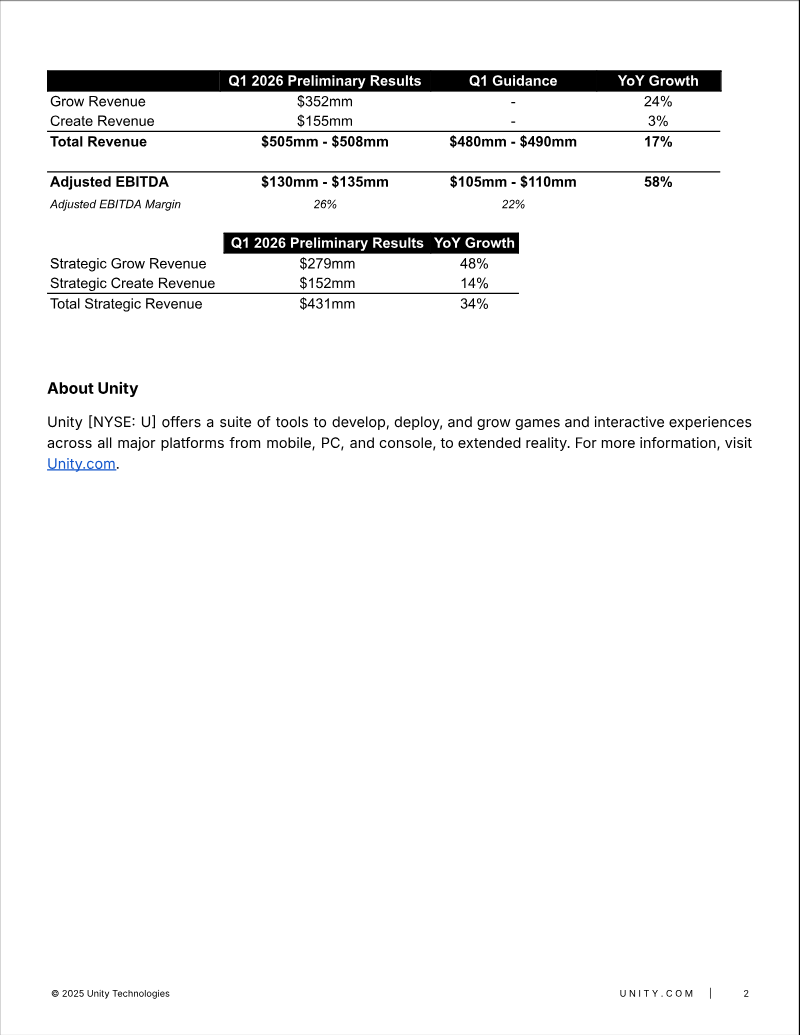
The industry landscape is currently dominated by two primary third-party engines, Unreal and Unity, which cater to different market needs. Unreal is favored for visually rich, high-performance console and PC titles, while Unity maintains a stronghold in the mobile gaming sector due to its accessibility and integrated advertising network. Although major publishers often maintain proprietary engines for specific, high-revenue franchises, the increasing complexity of cross-platform development and the rising costs of engine maintenance have driven even large studios toward third-party solutions.
Beyond traditional gaming, Unreal Engine is expanding into film production, live events, and architectural simulation. This diversification mitigates the risks associated with the gaming market and establishes Unreal as a standard for real-time virtual production. The engine’s deep integration into professional workflows, combined with the long-term nature of live-service game development, creates significant switching costs for studios. Consequently, Epic’s technical leadership is reinforced by strong network effects and a vast, trained workforce, making it difficult for new competitors to disrupt its market share.
The games and companies this document names on the inner ring, other documents about them on the outer one. Select a cover to see it up close and open it in a new tab; drag to move, pinch or Ctrl + scroll to zoom.
Matthew Ball · 2024
PocketGamer.biz · 2026