Key insights
5 slides
Core tension
The cinematic experience is defined by the tension between heard dialogue and seen text.
Filmmakers use multilingualism to build narrative reality.
1 / 5
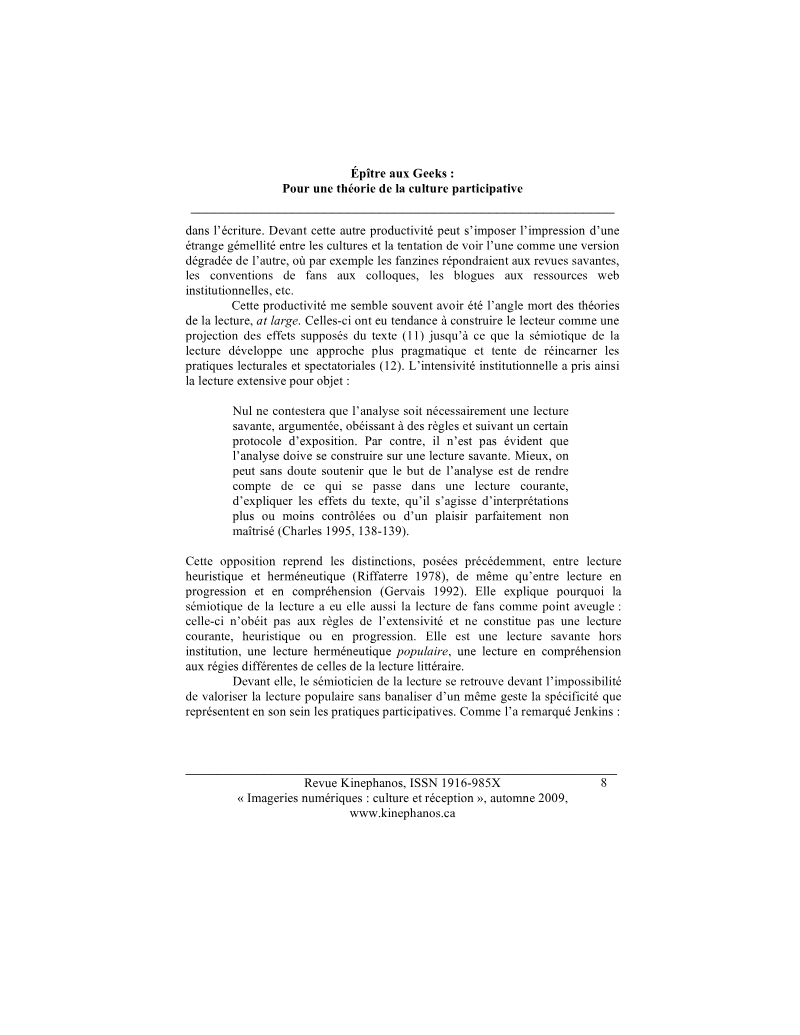
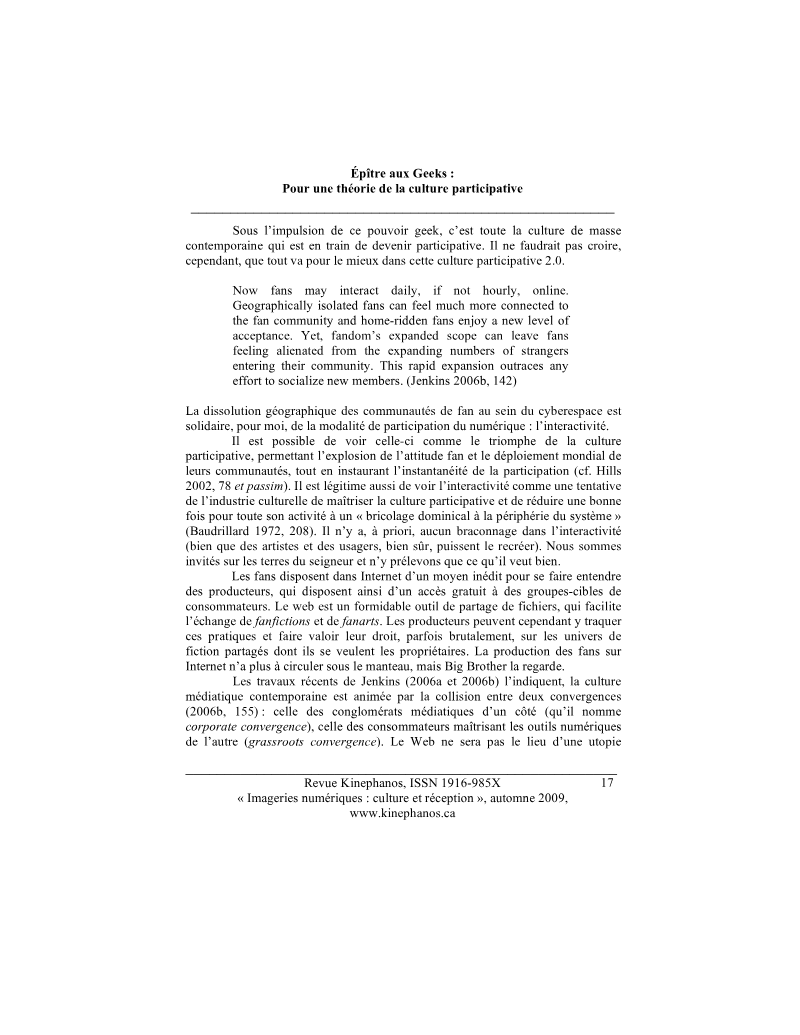
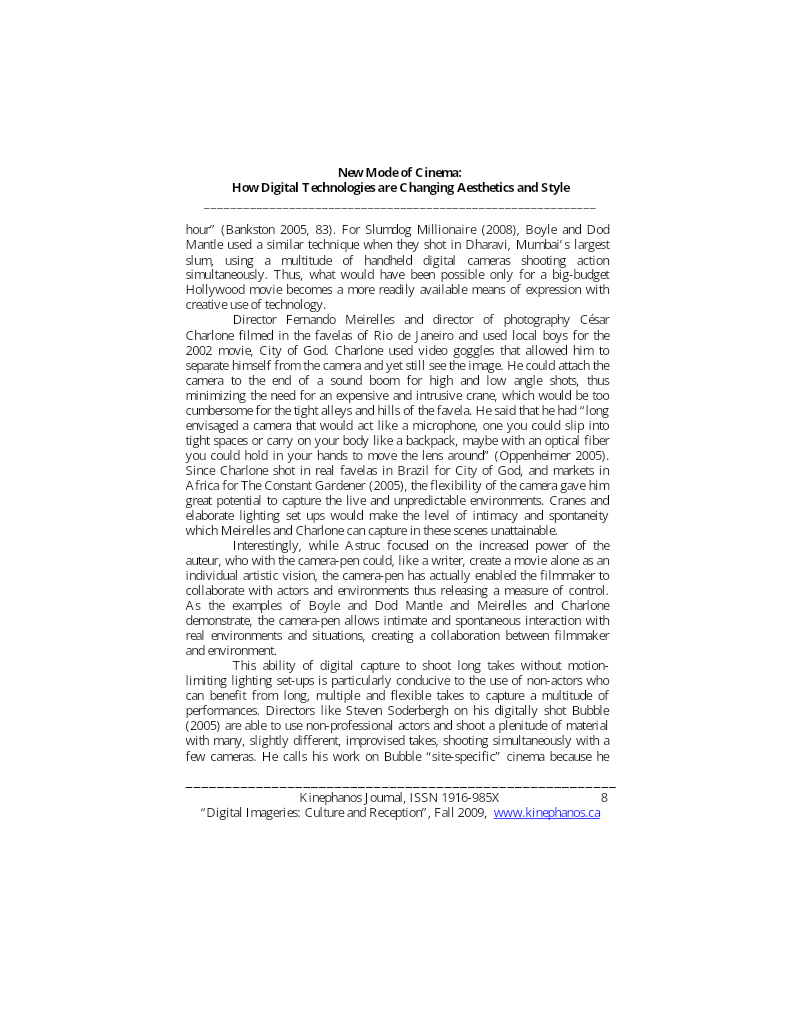
- 01Standardized translation practices like uniform subtitling and dubbing often flatten linguistic nuances, compromising the cultural authenticity and narrative depth intended by filmmakers.See it on page 14
- 02The tension between heard dialogue and seen text creates a non-neutral linguistic space that is frequently obscured by industry-standard localization methods.See it on page 14
- 03Modern distribution strategies prioritize accessibility through voice-over and standardized subtitles, which often disconnect the viewer from the original aesthetic and visual intent of on-screen elements.See it on page 14
- 04Historical methods of crafting localized visual inserts for signage and correspondence have largely been replaced by more efficient, yet less visually integrated, digital translation techniques.See it on page 14
- 05The translation of cinema acts as a transformative process that fundamentally redefines a film's linguistic integrity rather than serving as a purely technical necessity.See it on page 14
- 06Global media distribution is driven by a constant negotiation between written and spoken language, where the interplay of idioms significantly shapes viewer perception.See it on page 14
Ask AI about this report
Summary
The cinematic experience is fundamentally defined by the tension between heard dialogue and seen text, a duality that challenges the notion of film as a neutral linguistic space. Filmmakers frequently utilize multilingualism to construct narrative reality, yet standard translation practices often obscure these intentional complexities. By prioritizing uniform subtitling or dubbing, the industry frequently flattens the linguistic nuances that define a film’s cultural authenticity, ultimately altering how audiences perceive foreign environments and narrative depth.
The evolution of cinematic conventions reflects a broader shift in how global media manages the translation of on-screen elements such as signage, correspondence, and digital interfaces. Historically, localized inserts were crafted to maintain visual integrity across different markets, but modern distribution strategies increasingly rely on voice-over narration or standardized subtitling. While these methods facilitate international accessibility, they often diminish the silent eloquence of the original visual message, creating a disconnect between the intended aesthetic and the viewer’s final experience.
This dynamic is further complicated by the intersection of modern capitalism and digital media, which forces a constant negotiation between written and spoken language. As the industry continues to prioritize global distribution, the chaotic interplay between the idiom heard and the idiom seen remains a critical factor in shaping viewer perception. Ultimately, the translation of cinema is not merely a technical necessity but a transformative process that fundamentally redefines the linguistic integrity of a film, ensuring that the experience of watching a movie is always mediated by the conventions of its translation.