Loading the document
1 free read left. Create a free account for unlimited reading + AI research.
Create free accountWhitepaperEntertainment Computing
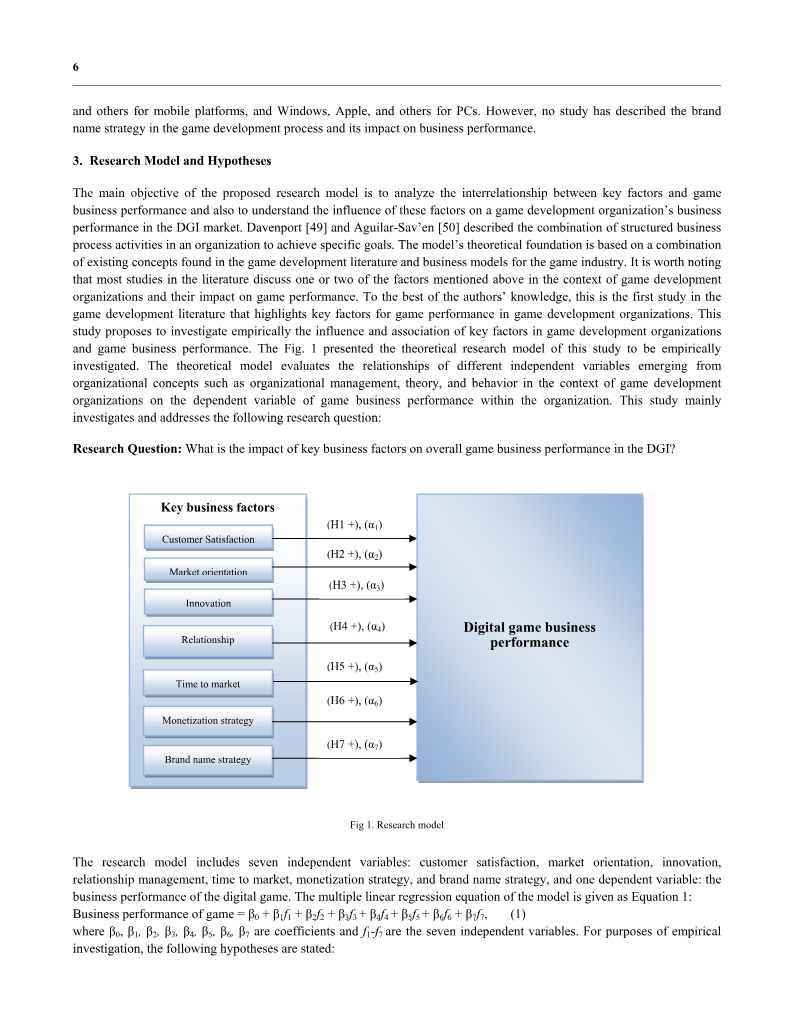
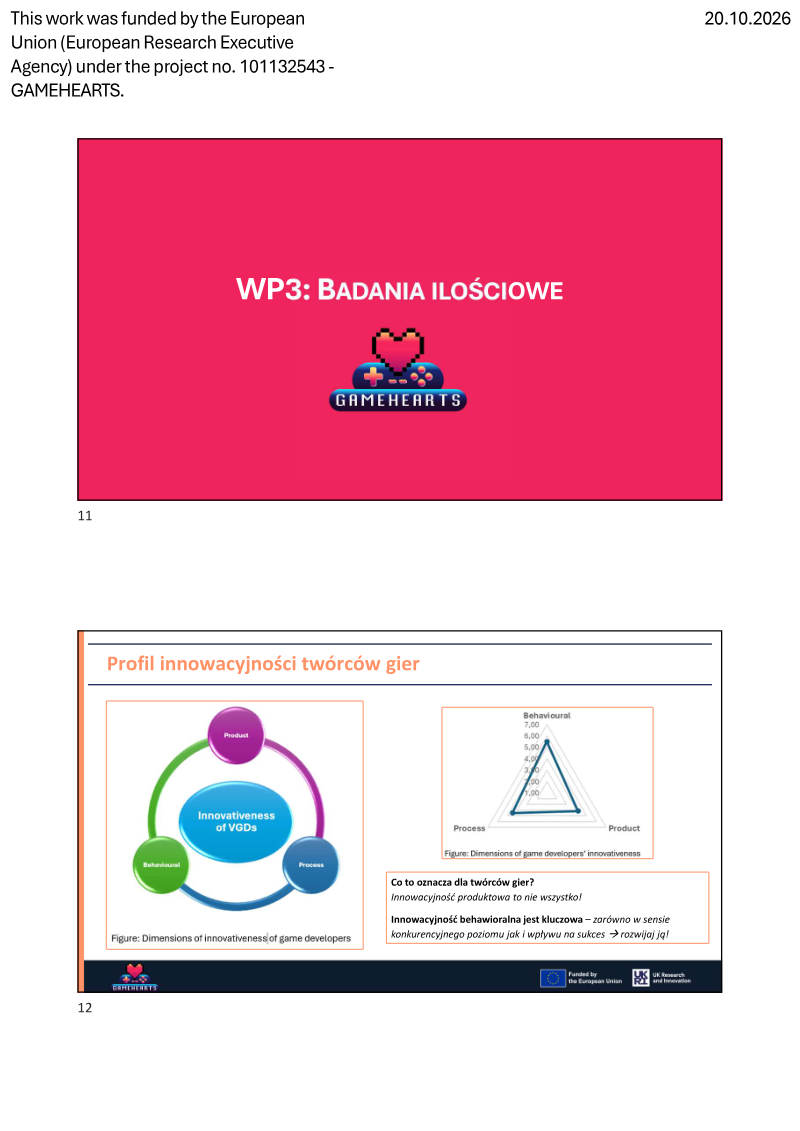
Customer satisfaction, market orientation, time-to-market, monetization strategy, and brand name strategy are crucial.
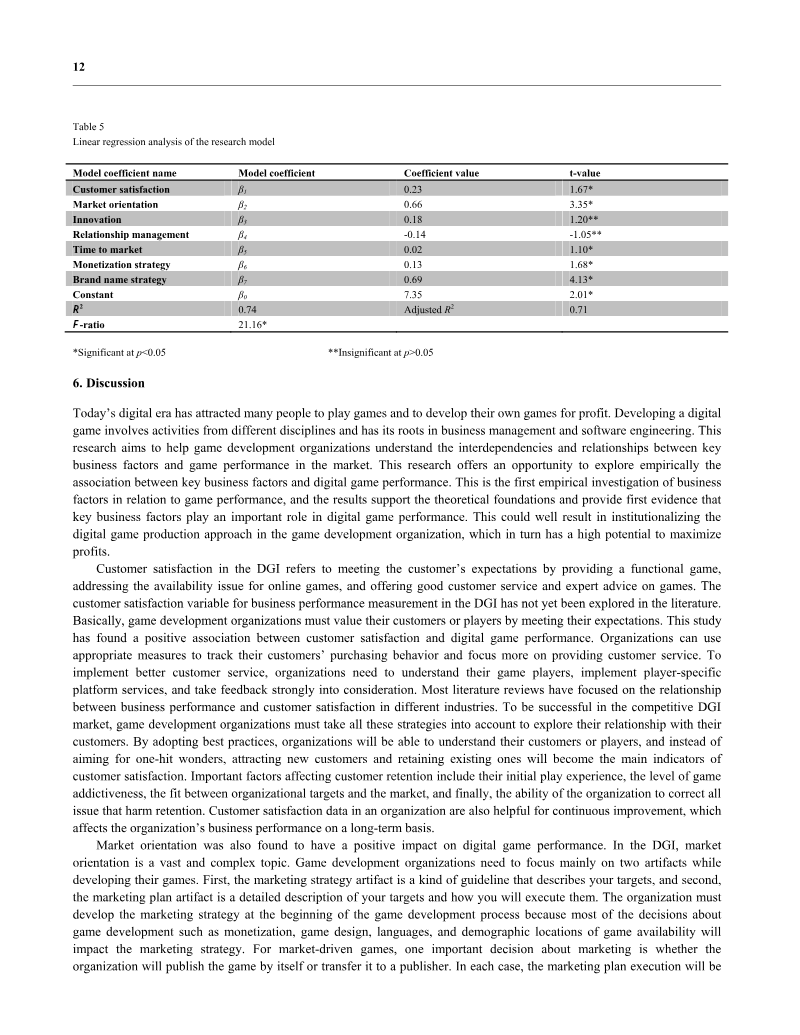
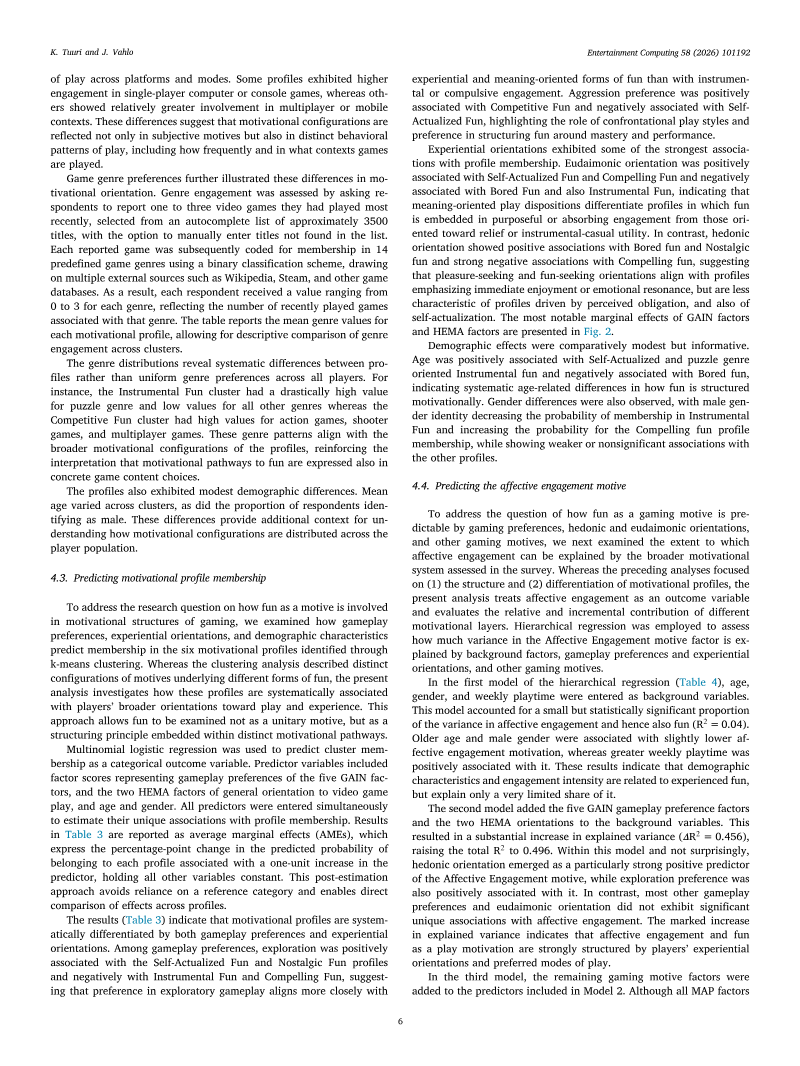
Digital game performance is fundamentally driven by a specific set of strategic business factors that dictate commercial success in an increasingly fragmented and high-pressure market. By analyzing the influence of seven core organizational variables, research confirms that customer satisfaction, market orientation, time-to-market, monetization strategy, and brand name strategy serve as the primary pillars of performance. These elements collectively account for a significant portion of variance in business outcomes, providing a robust framework for game development organizations to mitigate the risks of commercial failure and enhance their competitive positioning.
The study utilizes a quantitative approach, drawing on survey data from 61 industry professionals to validate a theoretical model through parametric, nonparametric, and partial least squares statistical methods. This analysis achieves an adjusted R² of 0.71, underscoring the predictive power of the identified factors. Notably, the findings challenge conventional assumptions by revealing that innovation and relationship management do not hold statistically significant correlations with overall business performance within the current industry landscape. These results suggest that while creative development is essential, commercial viability is more heavily contingent upon disciplined market execution and strategic alignment with consumer expectations.
Spanning the digital gaming sector, this investigation offers a foundational assessment of organizational maturity and strategic prioritization. While the findings provide actionable insights for developers and stakeholders, the scope remains constrained by the sample size and the subjective nature of professional assessments. Nevertheless, the research establishes a critical link between business management practices and digital game success, emphasizing that long-term sustainability in the industry requires a rigorous focus on market-facing strategies rather than relying solely on internal innovation or relationship-based models.
Entertainment Computing · 2026

Entertainment Computing · 2026

Entertainment Computing · 2025
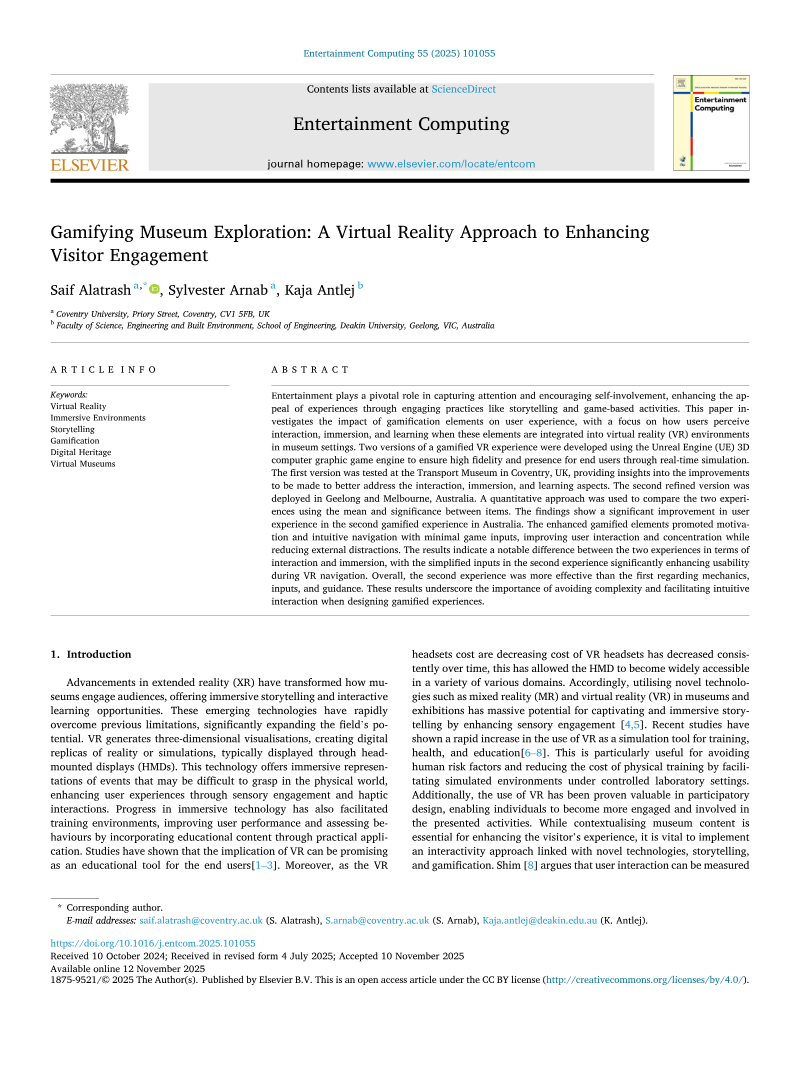
Elsevier · 2025
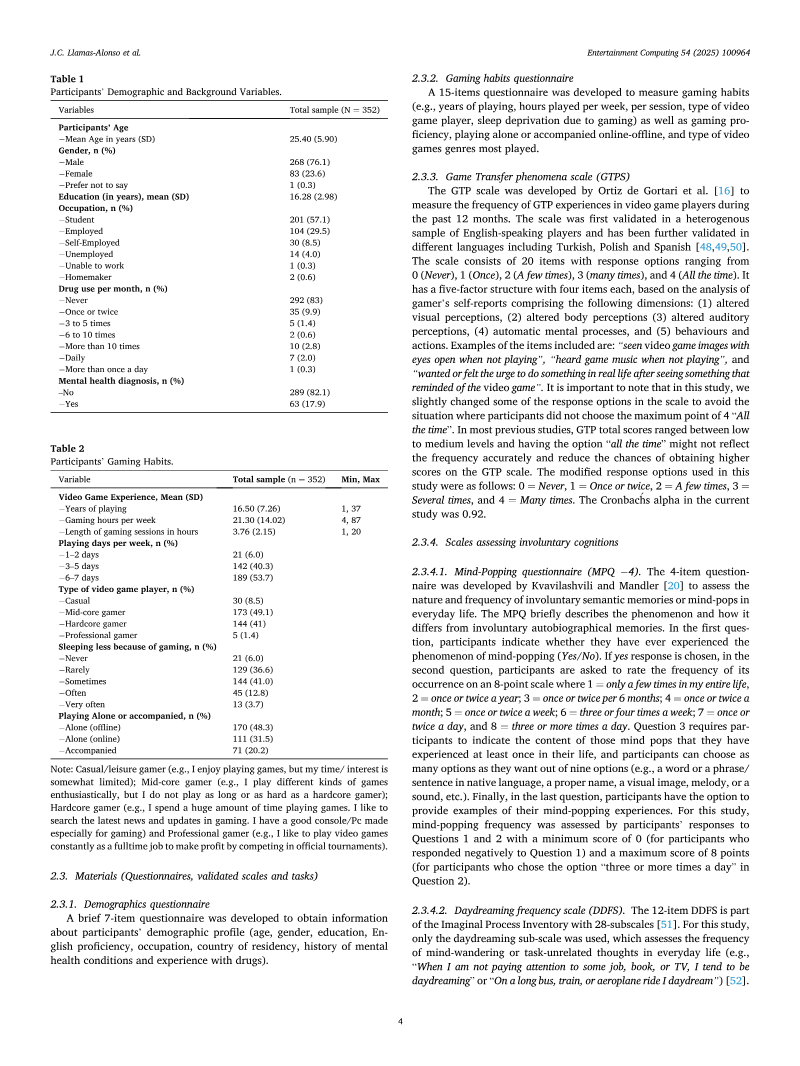
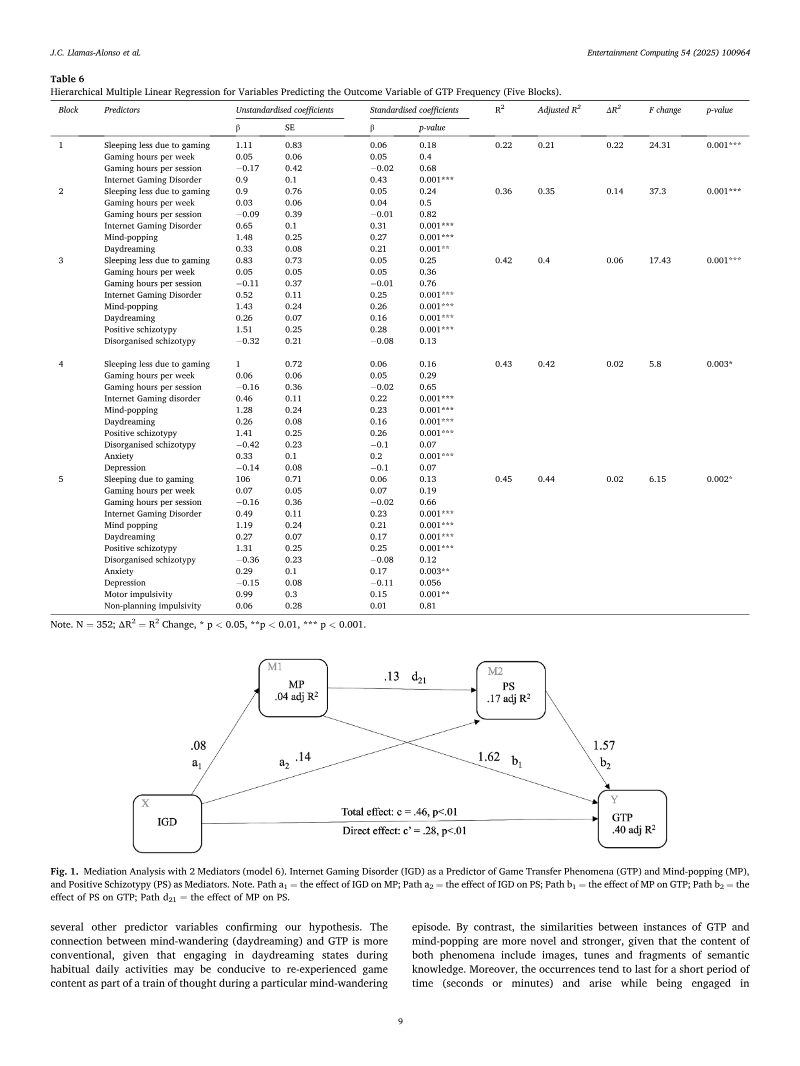
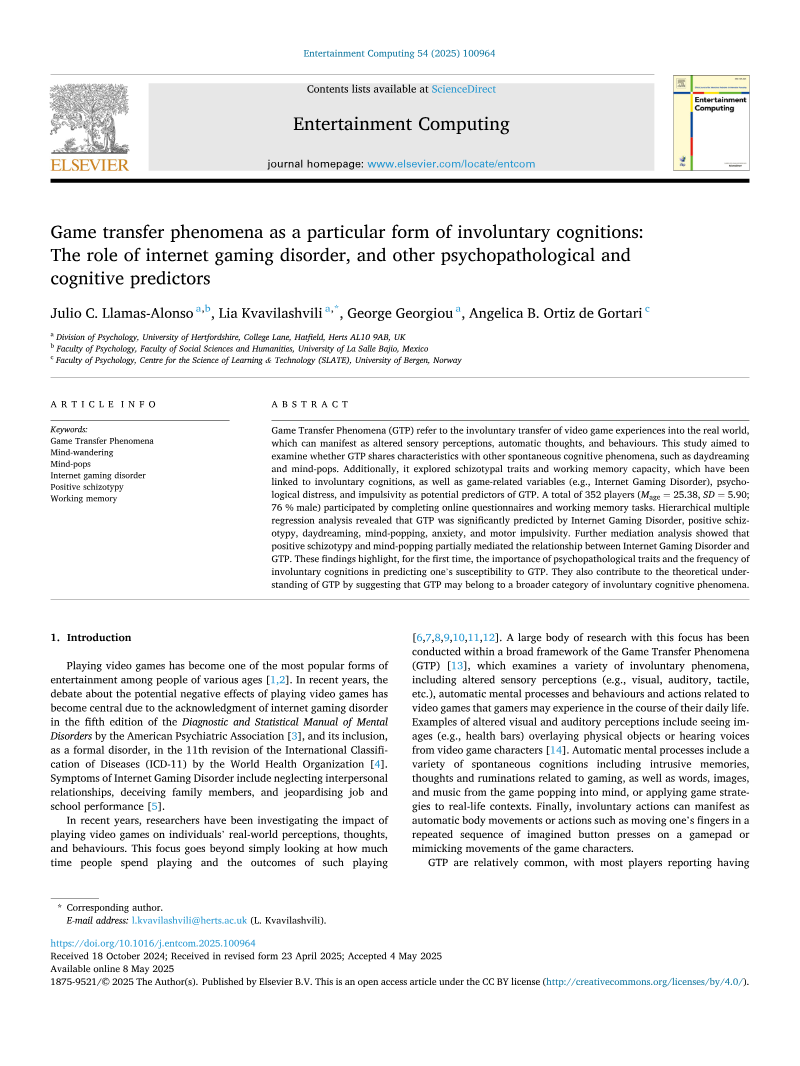
Elsevier · 2025
Elsevier · 2025

Entertainment Computing · 2025

Entertainment Computing · 2024
Entertainment Computing · 2024
Entertainment Computing · 2024

Entertainment Computing · 2023
Entertainment Computing · 2023
Thomas Brush · 2026











Comments