Key insights
5 slides
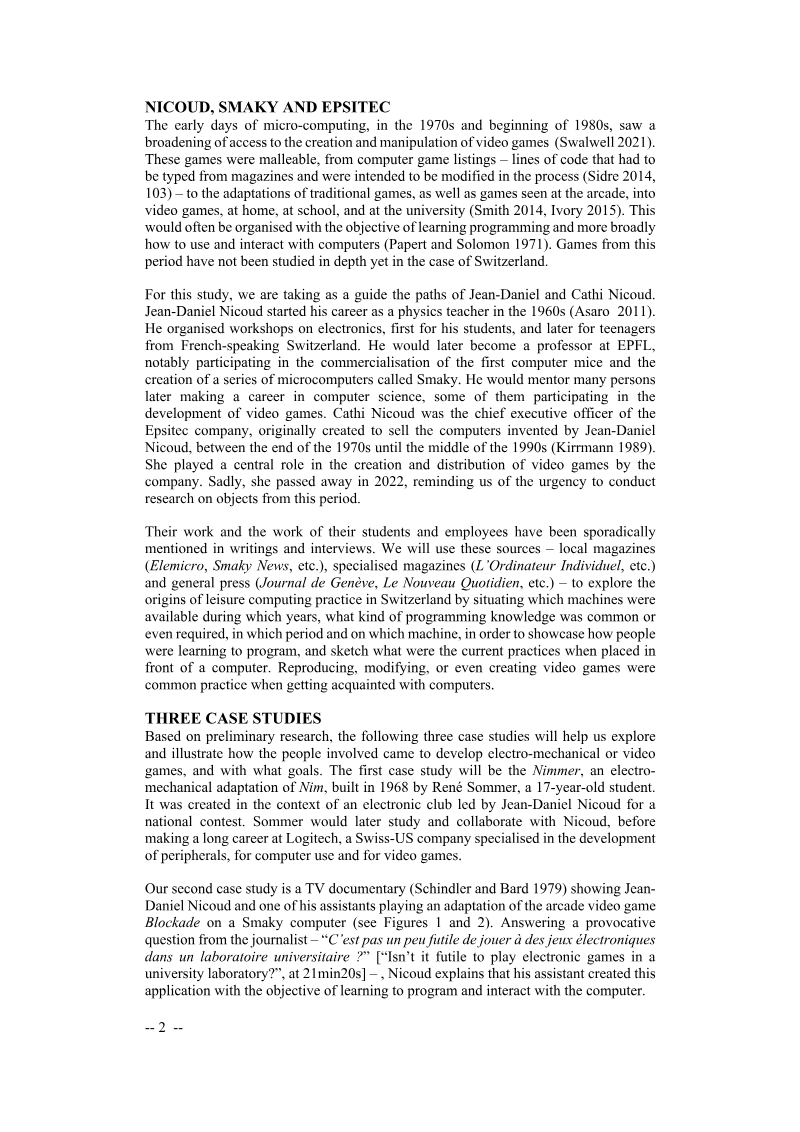
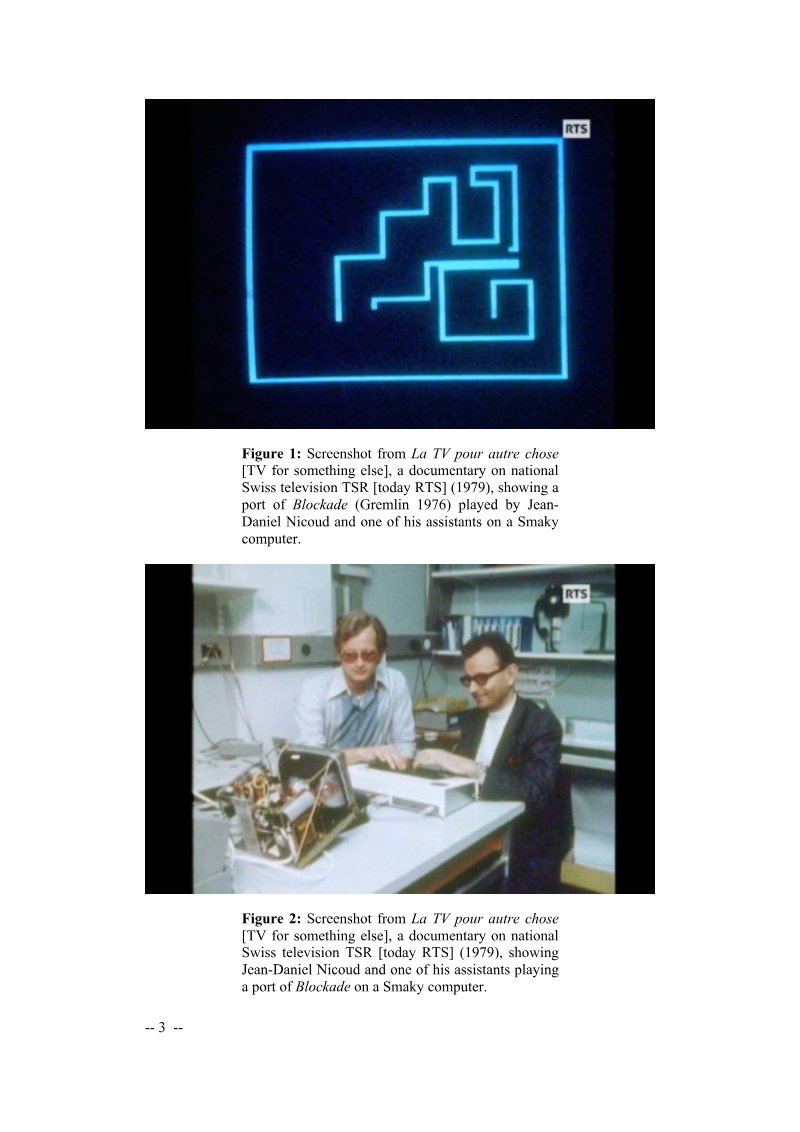
New artistic focus
Contemporary art is shifting towards immersive, sensory installations.
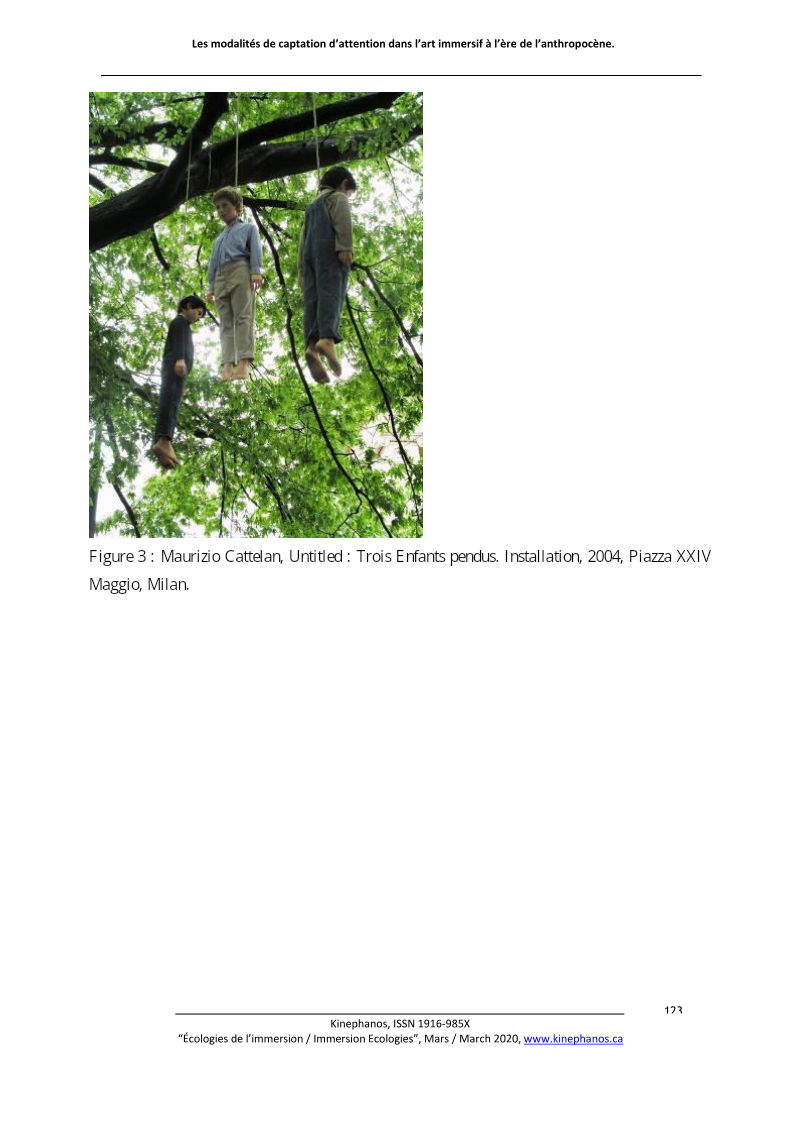
These installations use natural elements to make viewers confront the environmental impacts of the Anthropocene. The goal is to create a physical and sensory experience.
1 / 5
- 01Contemporary art is shifting toward immersive, sensory-based installations that use natural elements to force viewers to confront the environmental impacts of the Anthropocene.See it on page 1
- 02Doug Aitken’s work since the 1990s utilizes multi-screen, non-linear audiovisual installations to explore the tension between industrialization and geological change.See it on page 5
- 03Aitken’s trilogy—comprising Monsoon, Diamond Sea, and Eraser—serves as a primary model for transforming museum spaces into sites of phenomenological inquiry regarding human presence in a globalized world.See it on page 5
- 04The 14th Lyon Biennale exemplifies a broader trend of artists using autonomous, reactive systems to address ecological concerns through biological and organic processes.See it on page 4
- 05Artists such as Hans Haacke, Daniel Steegmann Mangrané, and Tomás Saraceno incorporate living materials like insects, condensation, and cosmic vibrations to emphasize the interconnectedness of all living systems.See it on page 4
- 06These immersive artistic practices function as catalysts for environmental consciousness by bridging the gap between human activity and its ecological consequences.See it on page 3
Ask AI about this article
Summary
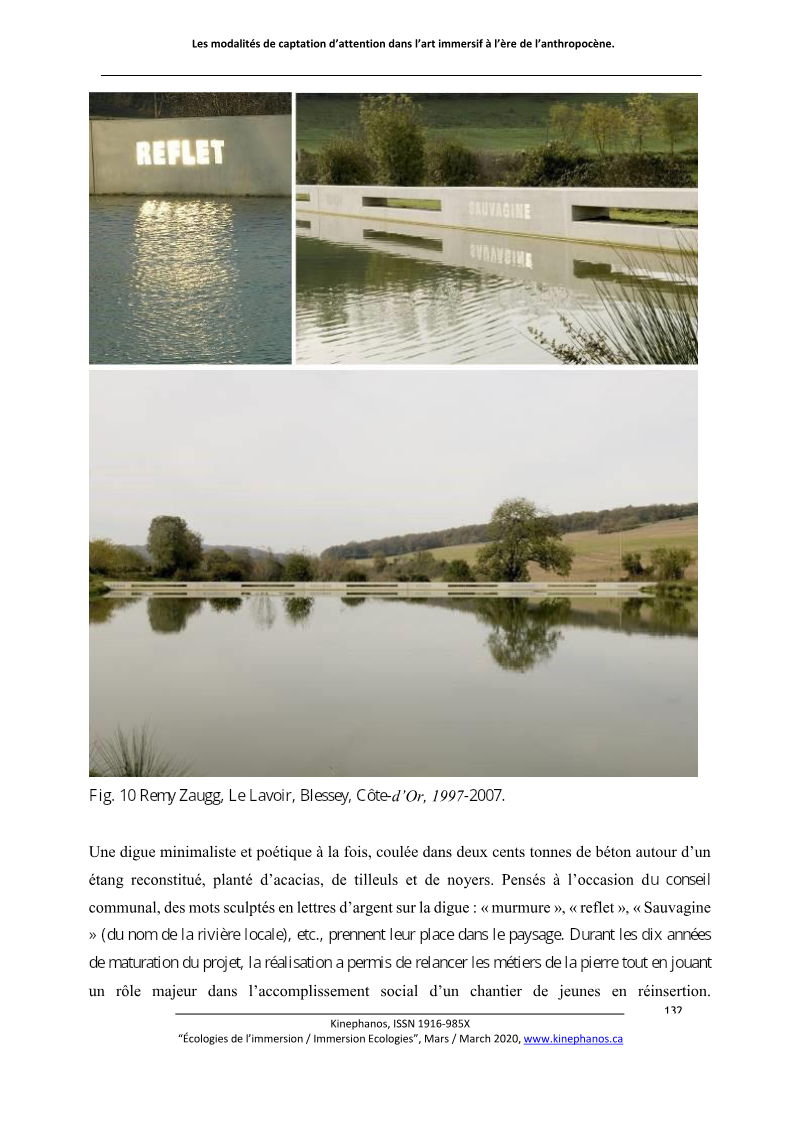
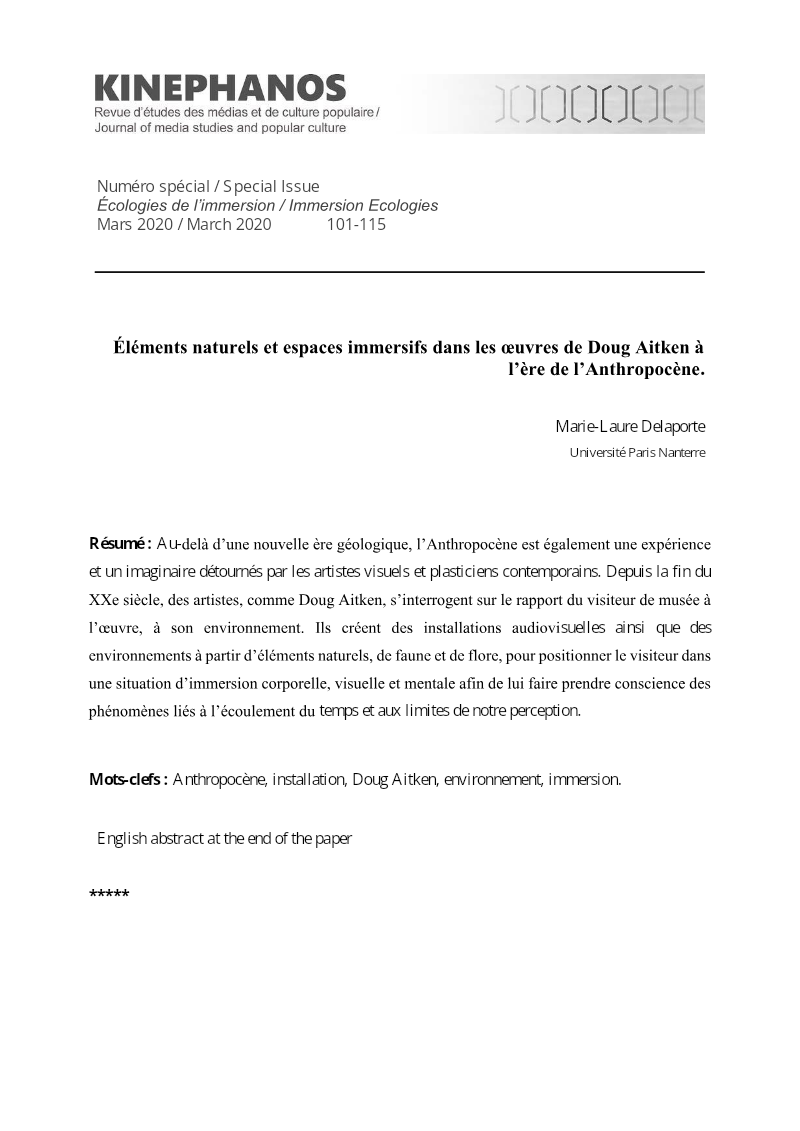
Contemporary visual and plastic arts increasingly engage with the Anthropocene, a geological era defined by human-induced environmental transformation. By utilizing natural elements—such as water, flora, and fauna—artists create immersive installations that move beyond traditional representation. These works aim to place the visitor at the center of a physical and sensory experience, fostering a deeper awareness of environmental fragility, the passage of time, and the limitations of human perception.
The work of American artist Doug Aitken serves as a primary case study for this aesthetic shift. Since the 1990s, Aitken has employed non-conventional narratives and multi-screen audiovisual installations to explore themes of erosion, geological change, and the tension between industrialization and nature. By surrounding the viewer with fluid, non-linear imagery, his installations—such as the trilogy comprising Monsoon, Diamond Sea, and Eraser—transform the museum space into a site of phenomenological inquiry. These environments force the audience to confront their own presence within a globalized, changing world, effectively turning the act of viewing into a self-reflective experience.
Beyond Aitken, the broader artistic landscape, including the 14th Lyon Biennale, highlights the use of "natural systems" to address ecological concerns. Artists like Hans Haacke, Daniel Steegmann Mangrané, and Tomás Saraceno utilize organic materials and biological processes to create autonomous, reactive environments. These works, which often incorporate elements like condensation, living insects, or cosmic vibrations, emphasize the interconnectedness of all living things. Ultimately, these artistic practices function as catalysts for consciousness, using sensory immersion to bridge the gap between human activity and the environmental consequences of the modern era.