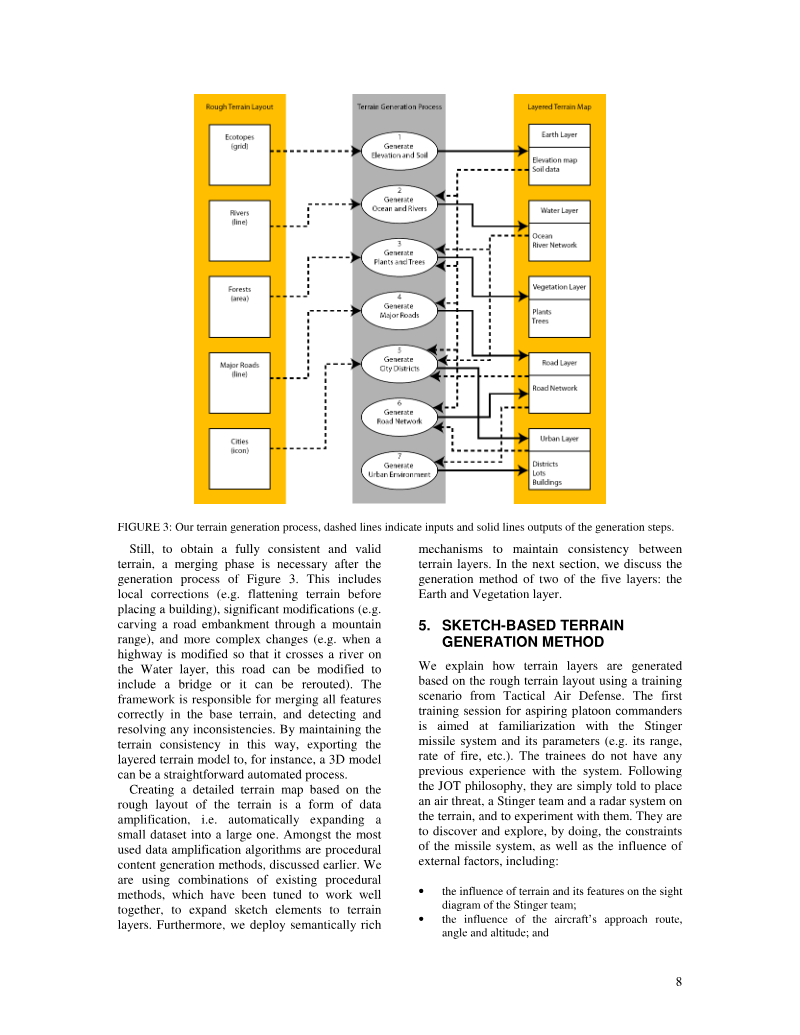
The integration of ecological modeling into interactive 3D visualization represents a significant advancement in procedural environment generation. By translating landscape maps and statistical ecological data into high-density vegetation distributions, this framework bridges the historical divide between scientific accuracy and real-time performance. The primary objective is to enable the creation of visually convincing, ecologically sound landscapes that function seamlessly within standard web-based environments, addressing long-standing industry challenges regarding data complexity and rendering efficiency.
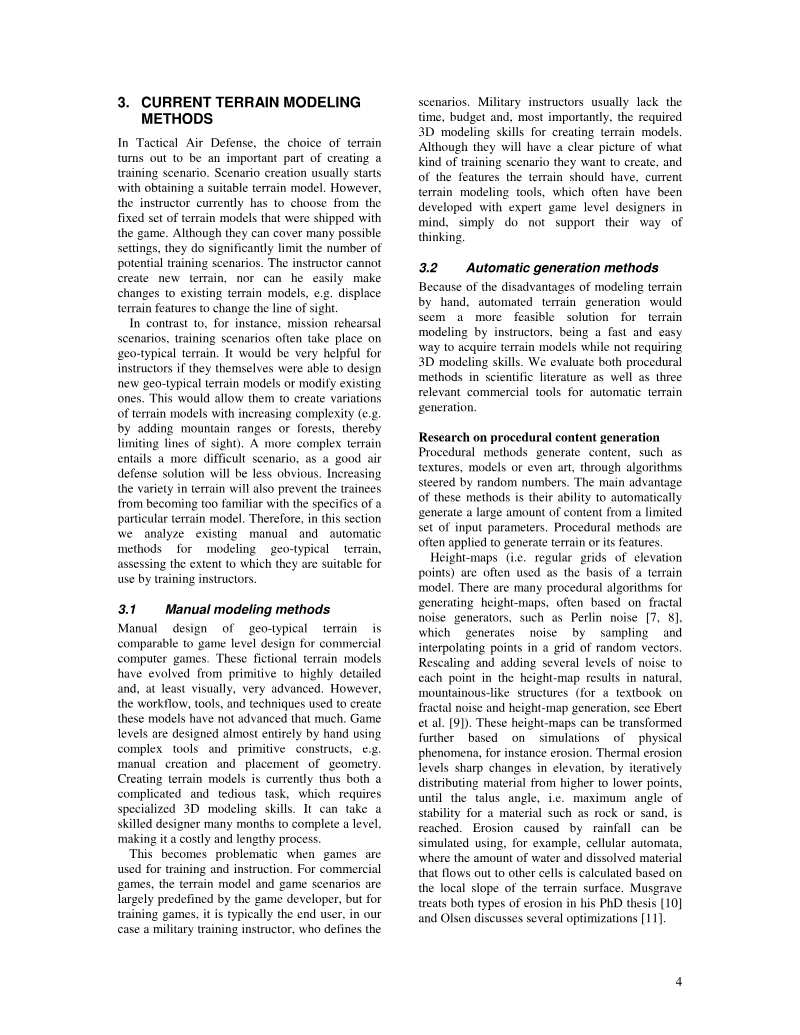
The technical architecture relies on a sophisticated pipeline that combines Poisson Disk Distribution and Wang tiling to establish uniform plant placement, followed by a modified fractal Brownian motion algorithm to classify species based on specific environmental constraints. To maintain high performance, the system employs a multi-level quadtree structure that manages varying plant sizes and species groupings. Rendering is optimized through geometry instancing, node-based L-systems, and a robust level-of-detail scheme that transitions between 3D models, billboards, and terrain color maps using alpha blending to minimize visual artifacts.
Validation by ecological experts confirms that the framework successfully maps complex environmental data into large-scale, realistic plant distributions. Operating within WebGL, the system achieves interactive frame rates exceeding 50 frames per second on standard browsers. While current limitations exist regarding shadow rendering and billboard perspective at extreme distances, the framework provides a scalable foundation for future enhancements. Ongoing development aims to incorporate volumetric billboards, advanced illumination models, and the integration of fauna to further elevate the realism of these procedurally generated natural environments.