More from Hindawi
View all
More on Game Development
View all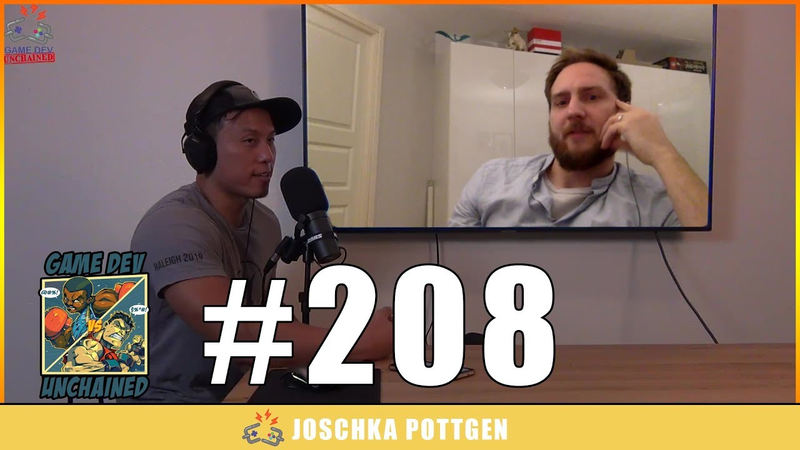
Game Dev Unchained
Physic Scientist to Game Engineering with Joschka Pottgen | Game Dev Unchained Episode 208
Game Dev Unchained · 2019
Whitepaper
A Realistic Reaction System for Modern Video Games
DiGRA · 2005

Deconstructor of Fun
Google Wants You to Make Games With Prompts
Deconstructor of Fun · 2026
The Game Business
"Anyone can make a game now" — Meta Horizon VP Interview
The Game Business · 2026



Whitepaper
Building Digital Educational Escape Rooms: A Modular Toolkit With Low-Code Authoring Approach
European Conference on Games Based Learning (ECGBL) · 2026
The Game Business
Unity CEO: “The cost of building a game is coming down markedly”
The Game Business · 2026

GameMakers
The Most Important Number in Unity’s D2C Launch Is Zero
GameMakers · 2026

Deconstructor of Fun
Why Most Game Engines Die, and How AI Builds "Living Worlds"
Deconstructor of Fun · 2026
Extra Credits
Only XBOX Can Kill Xbox, Unreal 6's AI Update & Pokémon Training Drones | Games For Breakfast
Extra Credits · 2026

Whitepaper
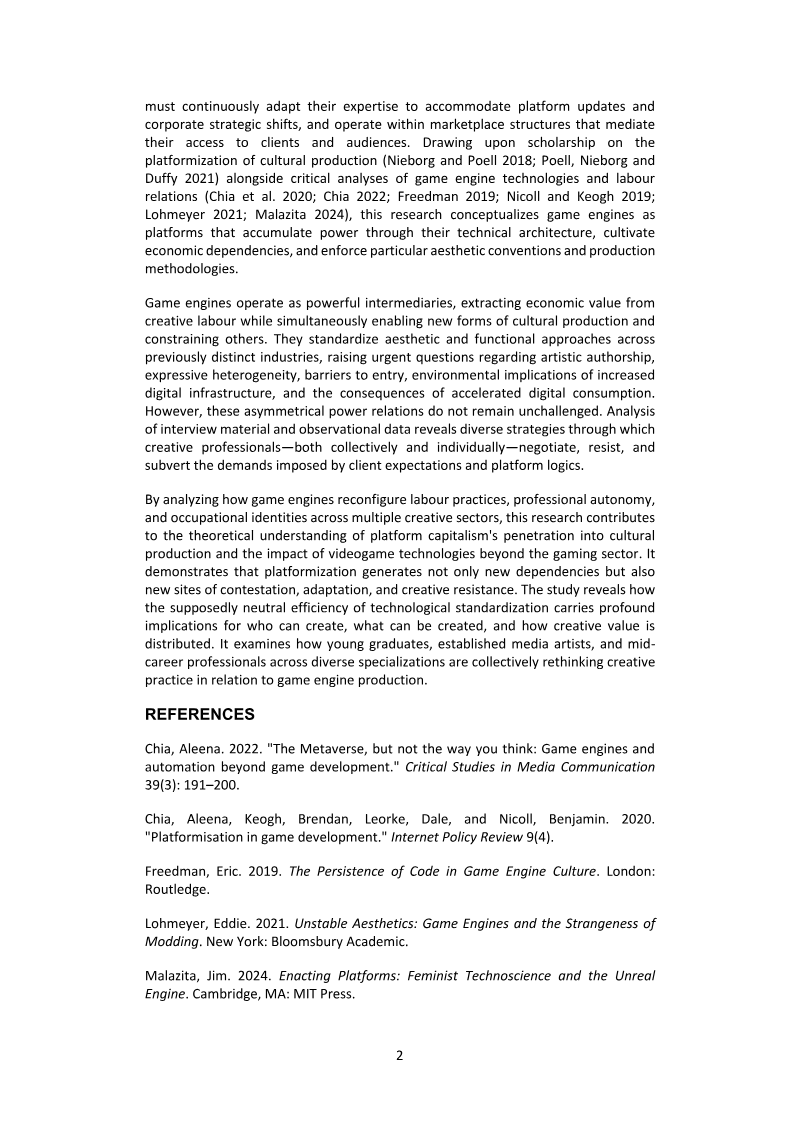
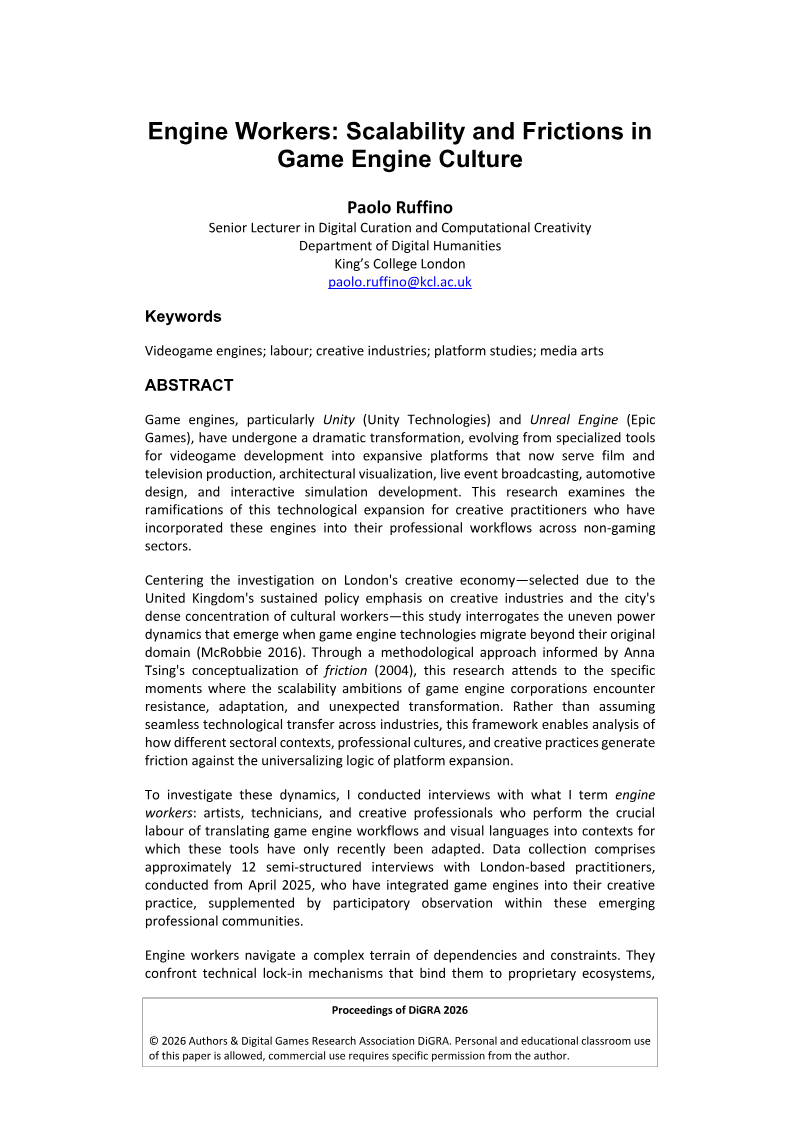
Engine Workers: Scalability and Frictions in Game Engine Culture
DiGRA · 2026
Whitepaper
The Infinite Game in the Engine of Control: Proletarianization, Platform Capitalism, and the Future of Playful Pleasure
DiGRA · 2026
Whitepaper
Playing with the Past: The Pleasures of Nostalgic Design with Playdate
DiGRA · 2026