
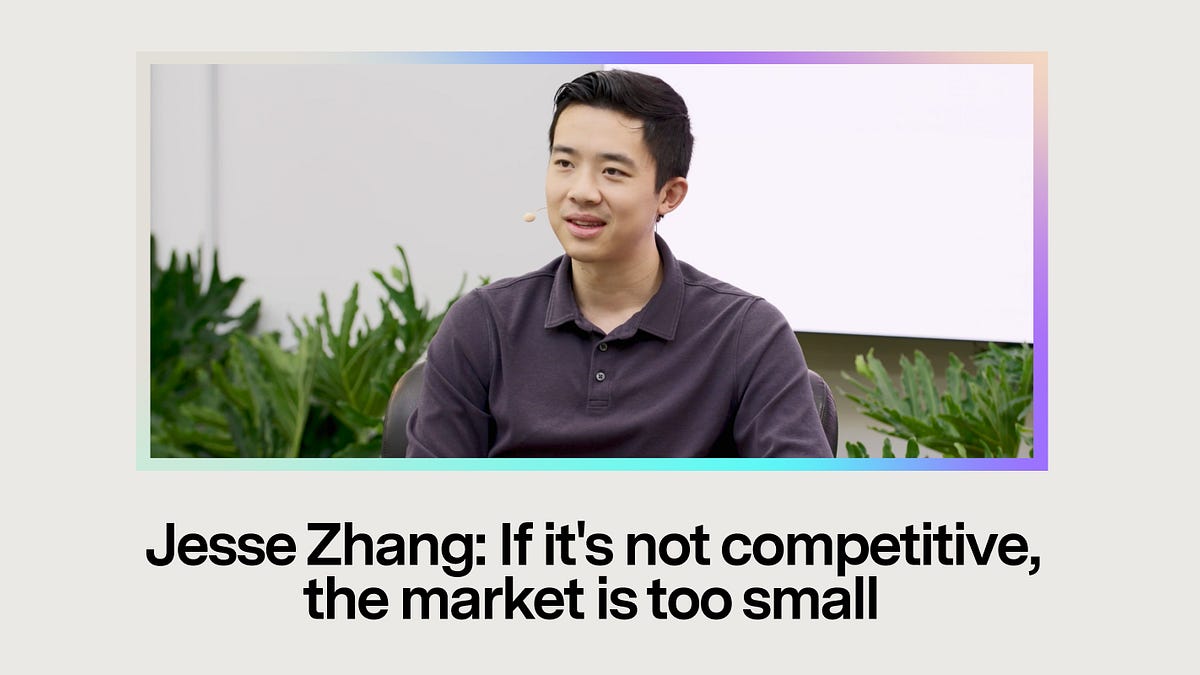
Founders of early-stage startups are cautioned against relying solely on algorithmic distribution for growth, a strategy often described as buckshot growth. The core thesis posits that abdicating growth responsibilities to automated platforms is a strategic error. Instead, founders are encouraged to act as students of the game, actively studying the mechanics of emerging distribution channels to identify creative, non-obvious opportunities before standard industry playbooks are established.
The analysis highlights that while mature channels like TikTok, Instagram, and Twitter remain necessary for visibility, they are increasingly saturated. Consequently, startups gain a significant competitive advantage by being early adopters of new paradigms, such as the current rise of AI agents. By understanding the underlying logic of these platforms—such as how agents make decisions or how invitation heuristics function—founders can engineer growth hacks that bypass traditional barriers. Historical examples, such as manipulating early Facebook invitation acceptance rates, illustrate the effectiveness of deep platform analysis over passive content broadcasting.
The recommended approach emphasizes a dual-track strategy: maintaining discipline in established channels while reserving resources for moonshot experiments. Founders are urged to move beyond generic growth tactics and instead focus on identifying and engaging with niche communities where their specific target audience resides. This requires a proactive, hands-on effort to understand user behavior and platform mechanics. Ultimately, the responsibility for growth rests with the founder, who must be opinionated about their audience and willing to experiment boldly to achieve traction in an increasingly crowded entrepreneurial landscape.

a16z Games · 2026
a16z Games · 2026

a16z Games · 2026

a16z Games · 2026

a16z Games · 2026

a16z Games · 2026

a16z Games · 2026

a16z Games · 2026

a16z Games · 2026

a16z Games · 2026

a16z Games · 2026

a16z Games · 2026

Almedia · 2026

Gamesight · 2026

InvestGame · 2026

InvestGame · 2026

Moloco · 2026

AppsFlyer · 2025

GamingReport · 2025

King · 2025

Kochava · 2025

Video Game Insights · 2025

SocialPeta · 2024

SuperScale · 2024