Key insights
6 slides
The shift
Executives prioritize data-driven segmentation over personal gaming habits.
Strategic distance from the product can prevent executive overreach. This allows for more objective, data-driven decision-making.
Key number
Take-Two reported $1.58 billion in earnings driven by NBA 2K.
NBA 2K achieved an 80% year-over-year increase in average sessions per player. In-game spending jumped 42%.
Platform shift
Microsoft titles became top sellers on PlayStation hardware.
The industry is moving toward a platform-agnostic future.
Market pressure
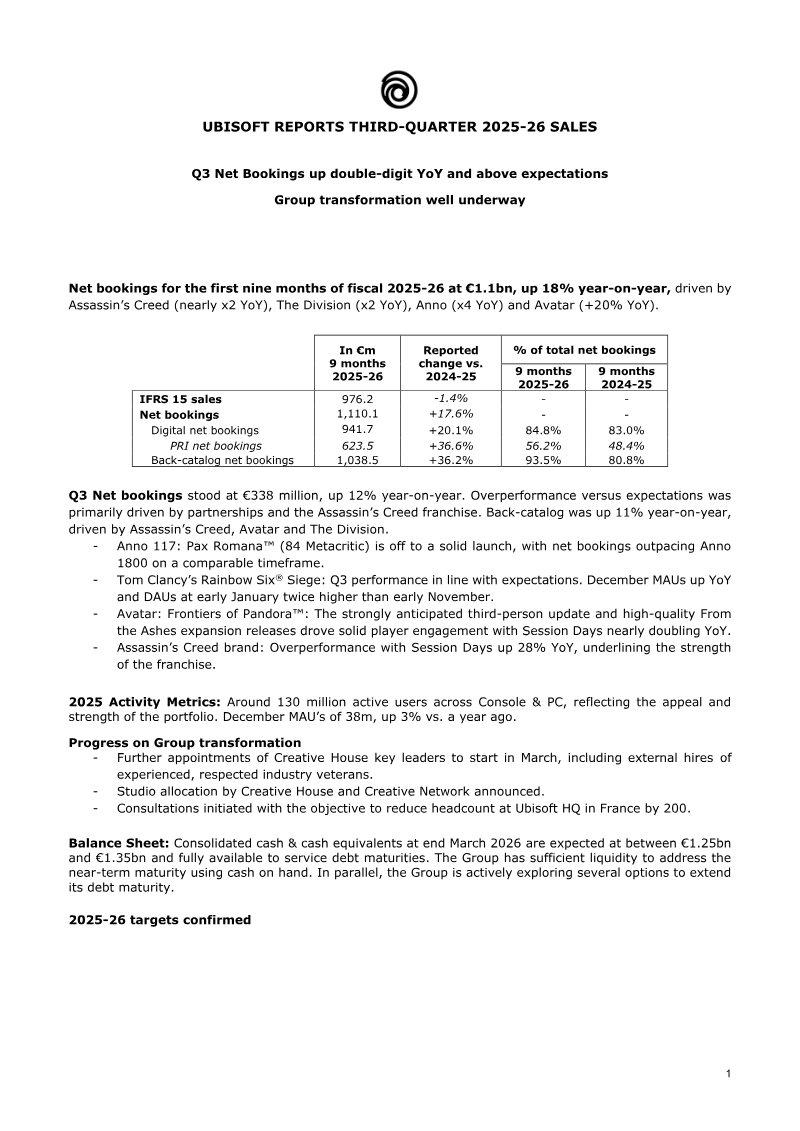
Ubisoft discontinued XDefiant amid rising development costs and saturation.
High development costs and market saturation force companies to discontinue underperforming titles. This challenges the industry's ability to maintain margins.
Legal complexity
Epic Games faces significant litigation costs to challenge platform policies.
Legal and financial complexity is escalating in the industry. Companies must balance technical ambition with legal and operational resilience.
Portfolio focus
Publishers prioritize base portfolio sustainability through distribution innovation.
The immediate focus is on sustaining base portfolios through distribution innovations. Leaner, IP-focused business models mitigate the financial risks of high-budget development.
1 / 6
Ask AI about this report