1 free read left. Create a free account for unlimited reading + AI research.
Create free account
DICE and Massive founders on Nordic gaming scene

Key insights
6 takeaways- 01The Nordic gaming industry evolved from a 1990s hobbyist demo scene into a global development hub, catalyzed by the mid-1990s success of titles like Battlefield.
- 02The industry has transitioned from a landscape of isolated studios to a diverse ecosystem anchored by major companies and a dense network of spin-off developers.
- 03The rise of mobile gaming has expanded the industry's scope, allowing for a broader range of creators to participate beyond those with deep technical backgrounds.
- 04Modern game development has shifted toward exploring complex, emotive themes that were previously deemed unmarketable in the industry's formative years.
- 05The democratization of development tools, specifically Unity and Unreal Engine, has significantly lowered entry barriers and reduced reliance on traditional publisher-led models.
- 06Despite the current industry focus on monetization and community management, the core passion for technical innovation remains the primary driver of development.
Ask AI about this video
Transcript
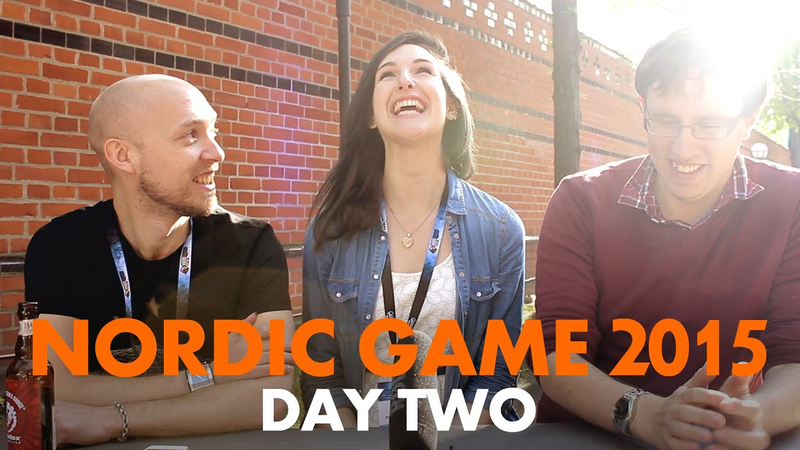
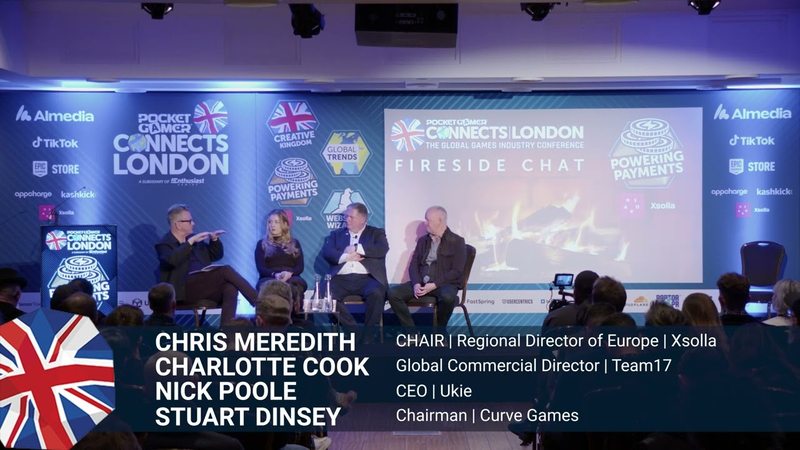
we're here with some of the founding fathers of the Nordic games industry who they themselves you need no introduction but do you want to give us a quick go of saying who you are sure my name is Martin walfish and I'm the founder of massive entertainment hi my name is Frederick lilligrin I'm a founder of dice did I hear right it was 95 so a lot has changed in that time especially in the Nordic space I mean what have been some of the biggest developments that you guys have seen well obviously the entire mobile space is is the biggest change everywhere not just in the nordics but it basically means that so many more people can actually develop games and and get get their games played by by the audience everywhere yeah have you had much of a focus on myself as a career really but for the for the Nordic space I think when we started it was one or two companies today you have an actual industry in the Nordic region with some anchor tenants
like massive and dice being hundreds of people in in one company and then lots of offsprings from that so you have an entire industry now because what what was the Nordic region seen as back in the kind of 90s early 90s because now we think of it as just an epicenter there's so much talents was it was it considered like that back in the day or has it been a well creating games wasn't really a real career back then obviously it was can you really work with that but we had a demo scene we had a lot of people hacking on computers and creating fantastic visual demo is basically so there was a lot of talent here and that's really what what sort of started and sparked the industry in this in the region when did you notice changing when did you set up and go oh this is such an exciting time to be part of the industry I think really when we uh when dice actually went you know and did Battlefield was probably when it really took off and that's like 96 97 uh
you know around that time frame is when it really started to to get going the technology was so nice I mean you you're saying didn't have email or any of was social media all the stuff that we see like building communities it's so important now you didn't have back then what was that like back then it was just a game just create something that is fun to play and sort of everything else you didn't have so in a way it was easier just focus on making it fun because do you think that games have lost their sense of fun somehow now being focused on monetization and building communities and implementing all these mechanics I don't think so I think actually there is so many more games out there than in our days because we were restricted by working with Publishers there was limited opportunities to get out there now you see such creative coming out of the in the scene with with Incredible
stuff about war and and heartache and stuff like that I don't think would ever get a a space before because everything was so commercial so I think actually it's it's better now there's a lot more creativity coming out I totally agree I mean it's the whole 3D play and social and online and everything I mean it just adds to the game experience so it it I think games today are more fun than they used to be we're in a good in a good spot is there anything cheeky question that you're frustrated about in the industry at the moment anything you think we can change or you've seen kind of twists and it's not as good as the good old days I guess oh that's a really good question um yeah no I mean in a way it's easier than ever to create games and get them out there so that the change that has been I mean really it's been for the better um absolutely I don't really think there's anything
that I would really say was better before I mean I think it's the same passion people now start they have so much more opportunity there's so much technology and middleware and everything else but allowing people that might not he have the really deep technical skill set that we we needed to have that can actually create stuff with unity and Unreal Engine and all that stuff and and so there's so much more opportunities I don't I wouldn't want to go back awesome thank you so much guys for taking the time to chat and have a great rest of conference thank you thank you so much
Summary
The Nordic gaming industry has evolved from a nascent collection of hobbyist projects into a robust, global epicenter of game development. Originating in the early 1990s, the region’s industry was initially fueled by the local demo scene, where technical talent focused on pushing hardware limits through visual experimentation. The transition from a niche interest to a professionalized sector gained significant momentum in the mid-1990s, particularly with the success of titles like Battlefield, which helped establish the region as a viable hub for large-scale production.
The industry has undergone a fundamental transformation, shifting from a landscape dominated by a few studios to a diverse ecosystem characterized by anchor companies and a thriving network of spin-off developers. The rise of mobile gaming and the democratization of development tools, such as Unity and Unreal Engine, have lowered the barrier to entry, allowing creators without deep technical backgrounds to participate. This shift has expanded the industry's scope, moving beyond the limitations of traditional publisher-led models that previously restricted creative output.
While early development was defined by a singular focus on gameplay mechanics in the absence of modern community-building tools, the current landscape is viewed as superior due to its increased creative freedom. Modern games now explore complex, emotive themes that were previously considered unmarketable. Despite the increased focus on monetization and community management, the core passion for development remains unchanged. The current era offers unprecedented opportunities for innovation, and there is little desire to return to the restrictive, less accessible environment of the industry's formative years.