ArticleGameDev Reports
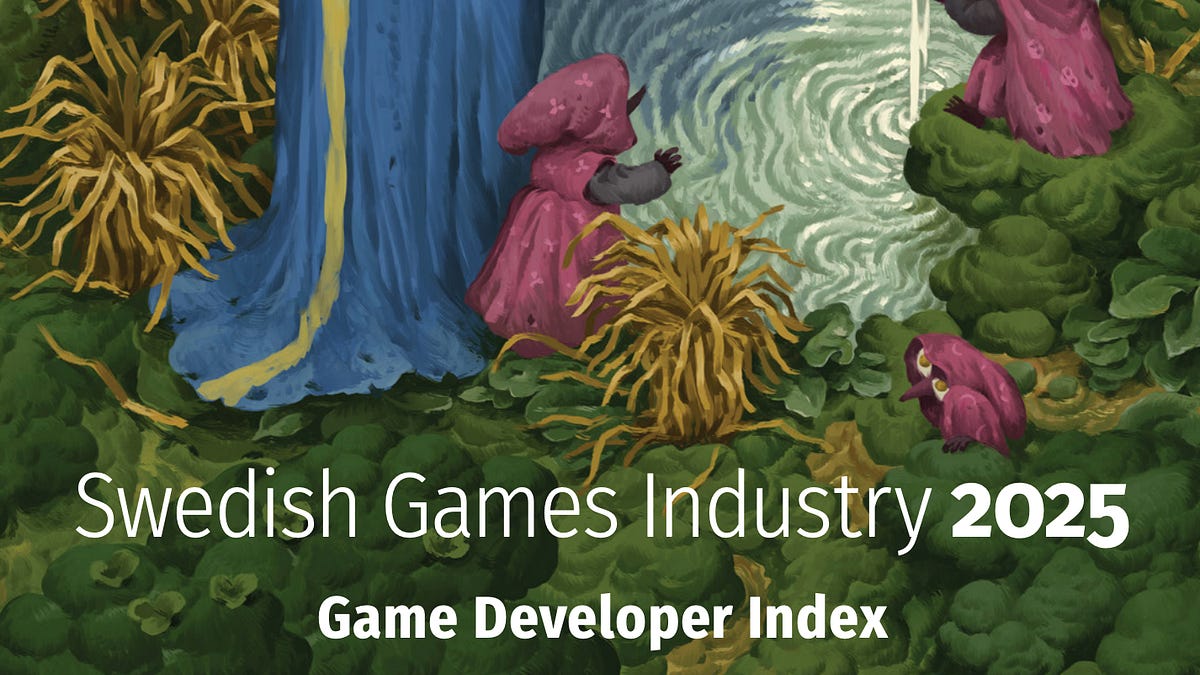
Dataspelsbranschen: Swedish Gaming Industry in 2025
7 May 20261 pages~6 min full read
The report presents a comprehensive snapshot of Sweden’s gaming sector for 2024, projecting trends into early 2025. It documents a robust growth trajectory: combined domestic revenue reached SEK 36.783 billion ($3.483 bn), up 6.4 % from 2023, while global revenue—including foreign subsidiaries—totalled SEK 72.797 billion ($6.9 bn), a decline largely attributed to Embracer Group restructuring. Ten firms surpassed SEK 1 billion in revenue, and 49 crossed the SEK 100 million mark, a net increase of six companies.
The industry comprises 1,101 registered studios, a 9 % YoY rise. Most are micro‑studios: 89 % employ fewer than ten people, generating over SEK 6 billion ($568 m). Medium‑size studios (10–50 employees) contributed SEK 6.2 billion ($587 m) and 1,800 staff; larger entities (50–249 employees) added SEK 11 billion ($1.042 bn) and 2,600 staff; firms with 250+ employees generated SEK 13 billion ($1.231 bn) and employed more than 3,500 people. Average revenue per employee remains steady at SEK 3–4 million ($284k‑$379k). Geographic concentration lies in Stockholm, Skåne, and Västra Götaland.
Employment totals 9,130 workers in 2024, with women representing 23.5 % of the workforce (2,150 individuals). Recent layoffs—about 500 positions by October 2025—have already displaced several hundred artists, designers, and developers. Publicly listed gaming firms (23 in total) generated SEK 42.6 billion ($4.034 bn) and closed 32 investment deals through mid‑2025, including major Embracer Group divestitures and MTG’s acquisition of Plarium. The European Investment Fund’s investment in Behold Ventures marks the largest EIF gaming fund allocation.
Key titles driving viewership and sales include Minecraft, R.E.P.O., PEAK, Battlefield 6, Split Fiction, and Helldivers 2. The report underscores a healthy yet volatile market, with strong domestic growth counterbalanced by structural shifts and workforce churn.
GameDev Reports · 2026

GameDev Reports · 2026
GameDev Reports · 2026
GameDev Reports · 2026
GameDev Reports · 2026
GameDev Reports · 2026

GameDev Reports · 2026
GameDev Reports · 2026
GameDev Reports · 2026
GameDev Reports · 2026
GameDev Reports · 2026
GameDev Reports · 2026

InvestGame
8Bit · 2026
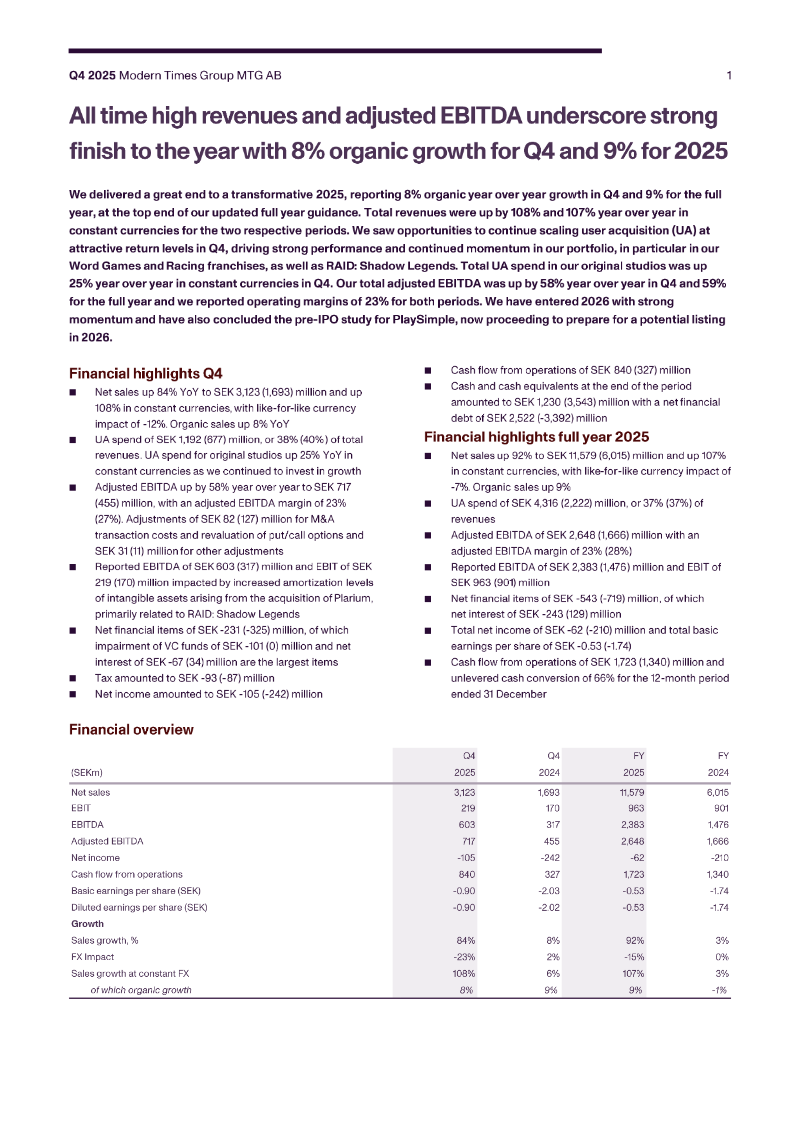
Modern Times Group · 2026

Ukie · 2025

Direcció General d’Innovació i Cultura Digital · 2025
PCF Group · 2025

Departement Cultuur · 2025
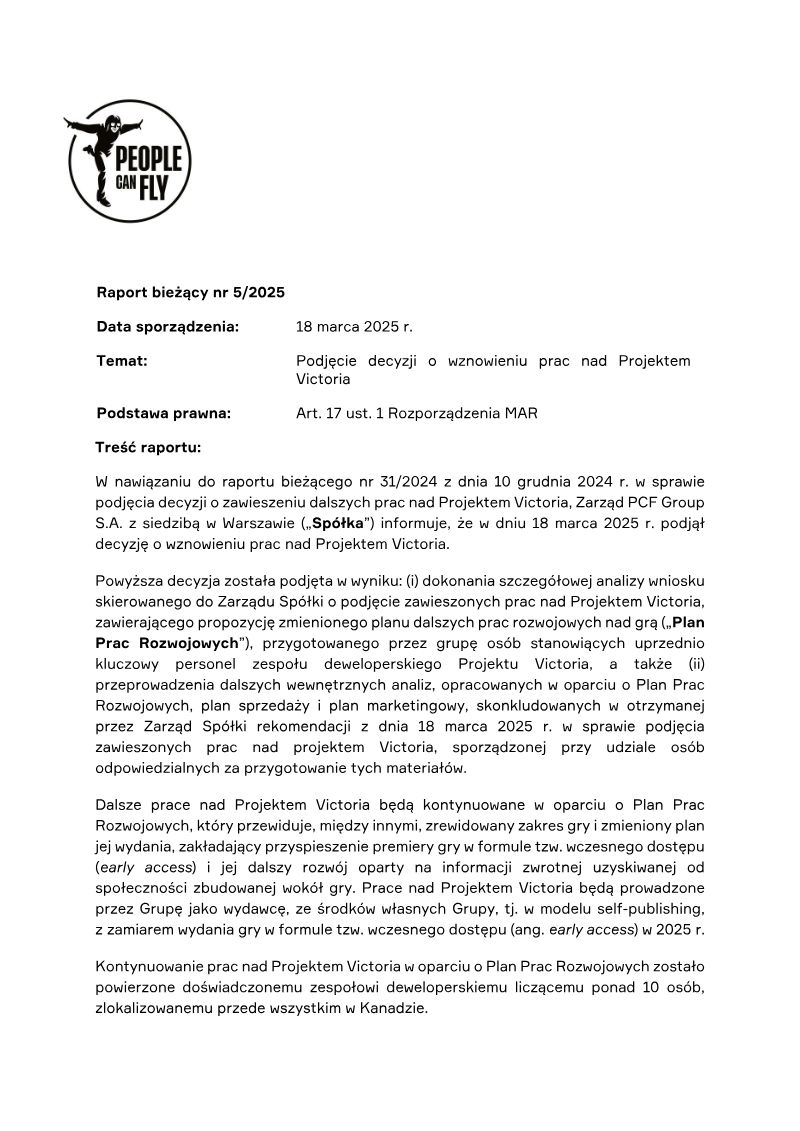
PCF Group · 2025
Starbreeze · 2025
Dataspelsbranschen · 2025
InGameJob · 2025

AEVI · 2025