1 free read left. Create a free account for unlimited reading + AI research.
Create free account
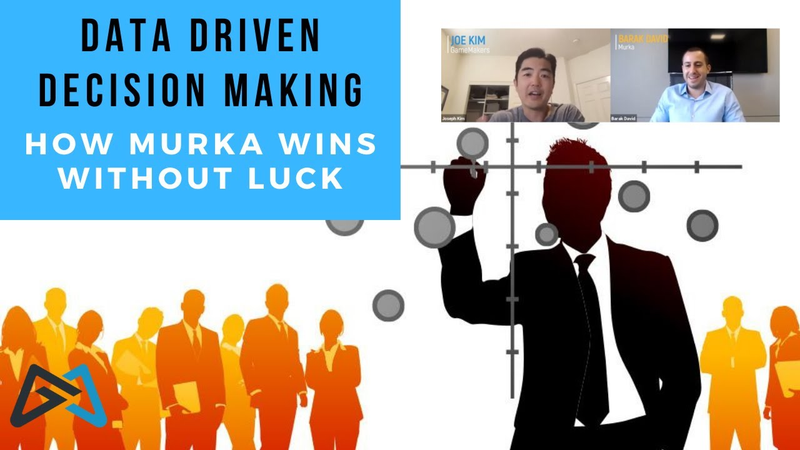
Data Driven Decision Making | Murka's Growth Through Data at the Organization and Product Level
Key insights
6 takeaways- 01Murka applies analytical rigor beyond game metrics to human resources, systematically utilizing employee feedback to monitor organizational health and culture.
- 02Murka utilizes a three-tiered player segmentation model—categorizing by demographics, activity patterns, and a 360-degree holistic view—to dynamically adjust live-ops, rewards, and challenges.
- 03The organization maintains a structural separation between business intelligence infrastructure and business-focused analysis to ensure teams can adapt to player behavior without being overwhelmed by data.
- 04Product teams are required to tailor metrics to specific features rather than relying on high-level KPIs to avoid dashboard fatigue and ensure insights remain actionable.
- 05Data analysts are embedded directly into product and monetization teams to facilitate the use of machine learning for predictive modeling, including churn forecasting and conversion optimization.
- 06The company’s operational strategy prioritizes predictive technology to enable personalized user journeys, allowing developers to adjust content and offers in real-time.
Ask AI about this video
Transcript
welcome everybody merka the social casino game developer of games such as the hit game scatter slots has recently been on a revenue growth tear with revenue up from roughly 2 million net in january to 2.6 million net in may according to app annie so a growth of 30 in just four months further according to merca we developed a unique approach to making successful games it's not just occasional luck so the company is currently growing at about 50 percent over 50 since the beginning of the year and outperforming the market roughly 600 million revenues since 2015 they've got five games with more than 10 million dollars in revenue three games with more than 150 million in revenue players in 190 countries over 500 employees and 3 million monthly active unit users so one of the key factors in helping
drive revenue according to the company is their approach to data-driven decision-making in other words how do we use data to help inform decisions both at the organizational and the product level to help us understand this approach and a framework for implementing such a system is barack david who is currently ceo of merka and formerly director of operations at pletika welcome barack okay yes i thought we could first start just by finding out a little bit more about you and your background obviously platika america fantastic companies but if you could tell us a little bit about your career and kind of your current focus that'd be fantastic yeah so uh i've been growing in the itec industry over the 10 years i started from the technological titles and then i moved to more operational business so i'm a computer engineer and they have my mba in the last five years i'm held in
position like chief innovation cto director of operation and then my current law really i met the ceo of morka and really excited to be here and thank you for inviting me all right great well maybe we could drive uh dive right in basically by first talking about what is this what what do you mean by data-driven decision-making so what does it mean and what are examples of some of the kinds of decisions this approach helps inform so i think first of all is the understanding that every decision that we make every step that we are making related and contain the data in it so the first uh strategy of the company every step that actually we are doing in the day to day need to be based on data less on emotion less of intuition but really based on data so i think that in the first first level you need to understand that your organization need to support it so how you are implementing into the
marketing the monetization how you you're developing new feature on your product so it's a we have experience and we can base it on our experience but mostly it's better to base it on data and i believe that when you base your decision on data and not in your intuition it can lead to a much better uh results so it's like a synergy you need to build your organization it's like a puzzle and every piece need to support it because your organization each department each terminology that you are doing every step of the way that you are building it need to support because otherwise you will not be able to create a good decision making and i think this is the beginning so you ask for example so we can talk about the example so the first example is uh you know in our you know industry payback payback strategy so first of all you need to base your payback how you are calculating your marketing user acquisition it's
based on in-game activity it's based on marketing price so you need to combine both of it to create a real smooth picture and to create your data decision which game i need to invest more which game i need to invest which platform which which publisher so this is let's say i think is the beginning of the beginning and most of the uh um the decision is is going to there because in the end of days the spend of the companies so uh the project helps yes how you know that you have a good retention how you know that you have a good investment of your money even the strategy of launching new games yes how you know what to decide what to launch how you know your initial kpis so i think that this is like the the initial step if you are talking about examples and i know that we will dig into it further but this is the let's say the tip of the iceberg got it and it actually seems like the
way that you're talking about it it's not it's actually kind of maybe even three levels right so it's like organizational decisions it's the product decisions and then even like if you have a portfolio of games kind of at the portfolio level too like how as you had mentioned like allocating money strategies exactly so maybe we could start at the organizational level like what are what what's a good example of something that you guys are doing at the organizational level where you're using this kind of data data framework to help inform decisions so i think that even before we are discussing what we are doing is how we are doing it okay you need to build an organization to to support this data and uh it may sound funny but it's not it's not very easy sometimes you can have uh you know initial thinking and then the data can you know be a um and another go take you to another direction so you need first of all uh to harness your team and
the company the management team everyone need to believe believe in data and understand it it can drive you to do to get a good decision so i think this is the initial level and when you're talking in organization so you are talking the structure yes to how how the how the organization is building so you can first of all you can for example at murca our data and monetization department are combined together because the understanding that the monetization monetization is based on data and their need to go together so from organizational level it's really to support and the technology in your company must support your data so i think everything is like step by step but the build the organizational level is the initial level that must give you the support and to execute uh really your strategy and so i think if you want we can
dig into like a few examples that can be a very interesting yeah that would be helpful because i it seems like potentially you could use data for almost any decision at the organizational level right like how much should we pay this guy what's this person's performance but you know i i think that if because you guys have implemented the system understanding what uh you know what a specific use case that actually has worked out for you guys would be very very good to know just because there's so many theoretical things that we could potentially do but like a real real live example would be very useful yeah so first of all i think that you can based data and the initial level of the organization to see if your employees are happy yes you can ask them you can gather data you can understand if employees are happy in what they're doing or whether they are not happy not enthusiastic to do a job and then you can create a much better culture and much more a happy culture in your organization because you know what
what are the problems so it's less popular but this is something that goes in all big companies around the world and i think that understanding that you can use it to make your employees much more happier so i think this is a a very good and so this is the initial you can you can ask you have many tools today to gather data and you can get better understanding of the atmosphere so i think this is the first right so is there a way of of like finding out how happy employees are besides like a survey is there are there for example we did a few days ago we asked all the employees and something that we are doing frequently are you happy today at work it was a do you feel good when you come to that work how you are feeling when you you're working at home you know it's very difficult times when you cannot access each employee personally and you cannot see if they are smiling in the morning because
everyone is working from home so i think yes you can ask you can gather data you can understand the data from the organization level and from the department level maybe you have a problem in such a department so it's not about gathering data it's i think in the organization level it's more about like asking employees and they're getting conclusion from this uh from this data i think and then once you like let let's say you gathered that data and you found out oh wait a minute employees this month are a lot less happy than before what do you typically do based upon you know once you've once you understand there might be a potential issue there so i think it first of all you ask yourself why and if something happened and basically we are familiar and we know our employees so we know what is happening and when it's happening and almost restful uh period and there are more calm period but they understand what is the root of the problem and then when you recognize the root of the
problem you can very easily fix it and because in the end of the day the people is our uh main resource and we want them to be happy it's it's very important important to feel like they are they're in a good atmosphere in a good company so i think this is very important it's something that we are not doing perfect of course but we are attending to improve all the time yeah i think one of the other tricky aspects of this is that you know generally when you're measuring these kinds of things that it's ideally an ideal scenario you could tie this back to your ultimate metric right which might be revenue from a game product or something like that so if you have a game team and you're measuring their happiness then if the ideal scenario is yeah they're happier and that means that that has this impact on the outcome of the game project or something like that but yeah in this case it's hard to measure right and games take two years or a long time so so far it's more complicated but of course you
can understand that the atmosphere is the company have directly affected and they're well uh you know correlated with the with the result that you have in the end of the day because the the people are driving the business and you cannot you can't ignore it okay and then so how about now at the at the game level what are some specific examples or use cases there so i think first of all um after the organization we are crafting our strategy uh really based on data okay our business plan uh we have a technology that enables us to predict uh to predict what will happen next weeks what will happen next month what will happen in the upcoming few years you know and you are creating a lot a lot of data data sheets and a lot a lot of scenarios that can help enable you understand the real picture what will happen if i put more more marketing here what will happen if i will cut it what will happen if i will invest here
more and then it's enable you first of all in the company level to craft your strategy and especially we are in a growing um path and we are trying to also get into new genres so i think that the ability and the flexibility give us in the strategy level it's it's priceless and we are investing a lot of the technology and a lot of tools that we will enable us and the second point is uh marketing so today the whole world is going to an auto bidding and what is automating you know you have a ml and the data science that basically the algorithm invest for you the money and do the bidding for you and we are going there almost 100 so this is basically to trust the data and understand that you know the the machine can do it better than us of course with our expertise and with our guidance
but basically this is something that we are doing a lot and in the last point is their product you know uh every feature every new product the segmentation the prediction the customer behavior analysis uh the monitoring went 24 7. so everything is based on data everything is based on the behavior everything is based on changing in behavior so i think that right now i can say that in each department uh from the hr to the product to the marketing we are using data in all levels uh with the understanding it help us get better decisions so okay so if you were let's say you're a medium-sized studio and if you wanted to try and take a more data-driven approach to decision making at the organization level at the product level at the portfolio level what would be your recommendation so it sounds like at the product level you're saying or at that maybe the more functional level
in terms of marketing uh you know auto bidding is one specific use case i think at the organizational level you're saying it might be useful to measure employee happiness but what are what would you say are the maybe the top three things that you should be instrumenting data against to help you make decisions so i think if i'm a small studio i will be focused on first of all our my players behavior so to understand what's uh a passionate day what they like more where they are stuck in the game uh when they like to to do the in-app purchases how hot they are even everything like and to create for them a much better atmosphere in the game because in the end of the day we provide entertainment and this entertainment need to be good and nowadays it's need to be personal it's not enough that you have a good entertainment it's need to be personal and the the direction to go to the
personal is to go really and to understand and to analyze the data and your game designer need to understand the data and your analytics department to understand data and then to craft and to focus on the customer on the player's behavior so i think that this is the main the main point and this is what you need to do to create a perfect game okay you know one of the things that i've kind of been thinking about when it comes to trying to instrument data at the organizational level is this problem of like just not having enough data points so for example like let's say let's say i wanted to try and measure what is the most effective recruiting process or let's say i wanted to measure okay i know that the people who evaluated talent these are the people who evaluate talent that predict the success of you know long-term hires the best but the problem is is that
there's just limited data sets right and so like a person that might be at a company for let's say three years may have evaluated i don't know like 20 people and have been you know you don't say like that the data set is so limited there are certain decisions where it's hard it's going to be hard to instrument data to help you understand to make those decisions about okay well we know that these people are the best at evaluating talent and stuff like that so is that the biggest limiting factor in terms of data driven decision making at like the organizational level like you have to find applications where there's a lot of transactions or how do you think about when when you're trying to apply a data driven model against different problems in a company how do you pick the spots or how do you pick the specific applications so i really believe that you have data everywhere and it's not going to be like based on millions of uh of different data sources and it's not
need to be even big because if you and you know it changes started few years ago but data analysis they need to understand the business and it's all started with what if you are asking the right business questions because if you know to ask and this is the most difficult part by the way to ask the real question that will provide and you will give you a will contribute to the business when you know to define exactly what you want to ask and what you need to ask then to gather the data around it it will be much much easier and i can give you example what we are doing in our games and they we are dividing into three levels and uh who is i can describe this technique how we're doing it in our games yeah yes so uh first of all i think in the first level is we have the as i said customer behavior
analysis and customer segmentation so in the top level in the first level we have 200 different segments okay in each game and we are creating a knowledge about the in-game activity payment activity and marketing data in order to understand first of all in the top level how the players looks like okay what is is a preference uh is a pair is non-pair is an active is a semi-active is churn its new user is regular is a reactivate and we are dividing all our games between 200 segments and of course you can be in few segments but this is the the first uh the first level so we will understand what is the kpi that we need for you what is the uh what will be your retention what will be your everything and how you will act in the game so i think this is the first of all second and let's say the middle level um is the segmentation based on specific
user activity what it means specific user activity for example let's take a me and you let's let's say that we are doing the same amount of spins every day and we are we're investing the same time in the game and even in the same slot but uh our for me for example my uh my average spin is much higher okay my average bet and for you it's much lower so it's not make sense that our live ops and our challenges would be the same because if it will be the same it will be or more challenging not not challenging it for me at all or it will be a over overkiller for you and in the end of the day you need to find the balance because you want to challenge a you want to create a chase so it's not help that we are doing the same amount of spin or the same time in the game you need to understand what is the my personal uh user activity
so and this can be based on payment preference level balance rate in slots preference and if in the first layer we talked about doing a segmentation in predefined segment in the second layer we are talking about specific user activity which enable us to create much better environment for him and this can be any user in any activity it's not predefined it's really to analyze his activity and to create for him a better atmosphere and the last level it's really the deepest segmentation level is to crossing all these segments and data that we have and to get a you know full picture 760 degree customer segmentation and to really define for you the best user experience the best
challenging and really to craft for you in the game what will be the best experience okay so let me try and uh understand that a little more in a little bit more detail so you've got the three levels the top level is more of the user segmentation level and so like you said you could do your segmentation in various ways right so whether it's by level or payment you know some people do rfm some people given that you can segment your users in a lot of different ways how do you decide what's the best approach to segment your users or how do you determine which segmentation approach is the right one so it's it's very complex and this is why we have not five different sales but we have 200 so it's something that was developed in time and our data team is changing and adapting all the time when you're defined someone to be part of a segment you need on
you need to understand examine all the time that you did the right decision so you need to understand whether he needs to be belong in this segment and if he is belong to this segment whether we see a good result because of the atmosphere we create for him and this testing all the time and questioning all the time enable us to change all the time the strategy all the time change the segmentations change the groups in order to create a better and better segmentation to add more segments if you have the tools and technology so it's enable you also to create more and more segments to put one players in few segments and then to create a full picture so it's it's really a complex and something that bid like for years and the understanding and it's really i think if you ask me what is the key for success here is to understand that what you decided today it's not for sure will be right tomorrow and to question all the time and not to stick
to the status quo because things are agile in our world things are changing very very fast you need to understand that you need to run and you need to speed and really to to create a good uh this will create the best the best environment so i guess you could potentially just create a bunch of different segments using multiple approaches and then you could tie it to a metric right you could tie those different segments against different metrics and then at the second layer activity so in terms of is that like playing the game monetization do you look at what what are the can you give us examples of how you would approach measuring activity against the segments yes so so i think activity is more related to your for example payment preference even not how much you pay but where you like to pay your interest in our live ops you are interesting you're interested only in slot uh what is your slot preference
you you like specific slot you like to play in many slots uh you so it's it's really something that more define you with you know set of many many parameters that define you as a as a unique player because in the end of the every player and you know we talked about millions of players that we have every player is unique and they have his own preference and we want to create for him the best experience so we will enjoy and come back so so is this more of a like just a different type of segmentation against activity type is that yeah the difference is in segmentation you predefine the groups and yeah put player inside you know attach player and here it's a little bit different you have your parameters and you just define what are the so-called answer to those questions to those parameters so i don't need to put you inside a segment that i predefined it's more about your user activity and what you are uh
okay and then the third level is you're saying providing a good user experience could you give us some examples around what what that would look like yes so so as i described for example live ops the price that you're winning need to be fit to your level need to be fit to your balance and so you will want to to achieve it first of all if it will be too low so you will say okay i don't need it it's not a chase for me it's a useless if it will be too high you will say okay it's too high but how i will go there so this is a first the second it's the complexity so in the end of the day you want to create an environment that it will be challenging because even for a let's say more engaged user if you will give them challenges that they will finish you know very very fast it will be not challenging in the end of the day it will be it will not be fun so you want if it
will be too too easy it's not good if it will be too difficult it will be frustrating so you need to create the balance and this is something that we are all the time changing and adapting because uh if it will be in the right balance you will you will want to achieve you will be in the way to achieve and it will create you you know this chase and yeah i think i yeah i think i understand so this third level is really about trying to make sure that the user has a good experience so you're trying to match against what you're saying one rewards two challenge is there anything else that you're you're trying to match the user experience against i think also preference like uh if you if there is a slots that you like if there is something like obviously like more so it's like all the preference in the the last deep segmentation level we're really crossing all the parameters with the game activity and create like let's say a
unique picture and a unique atmosphere for every uh players because we want them to enjoy really it's a it's all about fun and different creating fun yeah so as an example what you could potentially do is you could say well we have a lot of we have a big segment of our players that like love classic slots and so when on at the third layer you're saying well from a user experience perspective are they able to access enough do we have enough classic slots machines to serve that segment is that is is that like an example yeah that can be an example yes okay okay so then like just kind of in in terms of like how you would implement something like this like in terms of the infras the technology infrastructure required like what have you um could you describe to us like some of the technology involved or the team involved to implement this kind of a system at a
studio yes sure so i think that first of all again in the i'm all the time going there is the company structure so you need to have a structure that they will support for example we have a two separate department we have the bi that's responsible for the data aggregation and the cleaning and to prepare it and then we have the analysis that it's on the bi they don't need to to gather the data and they just need to ask the right question and to ask the business question and uh this is barack i'm sorry sorry to interrupt but like how big should that team be like how would you scale that team for like whether it's one game or for like you know a team how do you what's the size of that team so we are talking about dozens of people because we are in a world of data and you need your infrastructure to be strong and to enable you to enable you to ask questions because
in the end of the day if you are saving data that it's not really and you cannot access it and you cannot really create a good questions out of it so it will not help you so i think that this is the first and second you can rely also on partners so you know you have adjust your firebase that relating to marketing so really to use all it if we want we can discuss about more technical infrastructure so uh we have the server solution which is aggregating the data and then you have your a client solution and as we know the tableau and everything that give you the that give you the ability to to create dashboard and to create like much more uh easy way to read that another layer that we have the arg studio and that we are for our data science solution that they are using it and really again analyzing the data in the more data science way
okay and do you guys have a preference because i know this is a big religious war but in terms of data warehouse versus the visual is to tableau versus liquor d now so we are using the tableau and we are using also google and power bi but uh we are trying to to use everything that help us so so we are trying to use every technology that is out there that can help us and we can talk about i can give you an example how we are optimizing how we are using the data because the first way it's how you aggregate but then you need to understand how you see it and for us we have like three main level so the first level is the dashboarding you know it's a online let's say with gap of five minutes and this is all the dashboard that we all know about the most famous is our revenue dashboard and that you can see everything and you have a
you know tvs that show you if every something is going on and you have the this the online monitoring and for our noc team and the marketing dashboard they're talking about pricing and what is going on so you have this online tools the second you have this next day let's say the aggregation of the data the summary of the day that you see the dow the update or the retention and so on and then you have more like conclusion report which is weekly and monthly report so this is the first step because this is something that you need to to consume so you are consuming all of it and each report need to answer and need to be let's say related to specific community specific team then you have all this a b testing infrastructure this song that we are doing a lot that you want to test something you are using the ab test you are using a8 test so we are testing every step on the way
something that we are using inside the game outside the game and they are really to get the decision this is more the let's say technological teams are doing and of course you have the the active monitoring which if something happened we have uh our system connected to the mail to the slack if it's recognized changing in behavior so automatically it will send you a push in slack to the relevant people in in in may something happening down with connectivity with loading time with revenue so automatically you know and this is like the push and this i think three levels are enable you to to get all the time what you need and to create the best the best picture because the end of day you want to go and see the whole picture so yeah and maybe i can also ask you just about your approach in terms of like the on the dashboarding side in terms of kpis and it seems like i i find there are two types of
organizations when it comes to the dashboarding part and maybe it's also a stage based thing where initially when you launch a new game you've got like uh you've got like this standard dashboard of your main kpis and then over time it grows and grows and grows and then over time then it shrinks right where it's like well i would say then then there's kind of two approaches one is there's teams that have a [ __ ] ton of kpis but in my experience nobody really even like this like okay we got all this stuff but nobody really looks at it but i feel like the more pro teams are the teams that then took those kpis and shrank it down to like five because they know exactly these are the five kpis that drive the game and we don't need and so some of these dashboards don't even include like dao right it's like because uh we don't care about that that doesn't impact the game these are the things that impact the game i don't know if you have any thoughts on that yeah yes so so i think you're right
in some organization there are so many dashboard that you see that you know we are examining also the usage of the dashboard because sometimes the organization is coming and telling you we need this dashboard and then you're developing me in the dashboard and you see that nobody's using it after a while yeah and i think that we can let's say divide it to two there is the business part and the business part i'm talking about high management i'm talking about myself that they need to see like to open a dashboard and to see right now what is the situation so this need to be a very simple that can show you revenue and i think that basically uh this is like the main thing that you need to see because then you can from it you can see also dow and you can see the activity in the game and so on and so on so i think that the business dashboard need to be a very simple you need to see what is your dow what is your revenue what is the retention and the very very simple but this is even
something that we will not use daily for the more this is some why we combine the data and monetization because for monetization manager to understand if the offer if the live is is correct you need to understand much more deeply data and here there are more ways to understand what is the conversion rate from this offer what is the interesting they are closing immediately they want to see they like this live ops what is the activity need what is the the click on pushes everything so i think that for the let's say professional teams it needs to be much deeper but from the management team and from the you know high perspective strategy of the company you can have a very simple you know down down revenue retention and marketing prices but that's that's basically all and you can after you're learning the business you can have any conclusion from very like as you said like five kpis that you
understand exactly it was good it was bad what is going on and so on what where do you think the where do you think art comes into the picture in other words let's say that we're in soft launch and your game designer is like okay this feature is critically important to this game i know this feature is important and you a b test the future and it's like ah the feature isn't it's not testing very well but the designer's like well no it's because you need more players in the game and this and if these things happen then it'll be better and so there's like the designer who just inherently believes that something is going to work but but then you've got some data and of course you know you're in soft launch did you push statistically significant a number of installs is the philippines or you know some of these other countries is that going to be the same as in the west so there's like
question marks in terms of the data there's also art versus the data that you got how do you how do you balance between those so this is a known problem you know because it's a funny but when you are coming to examine data you know we are all human beings and you have a let's say you want you want to get an answer that you have the feeling that you already you know that you have some feeling and you want that the data will support this feeling and sometimes it's a contradict your initial thinking and then it's come and just say okay do i need to uh count on my instinct on my let's say intuition and or i need to be based on the data and this is why you need the people that will believe that data is a tool for decision making and not just to support their initial ideas so and it's a very complex it's a very complex
topic because it's um many times it's create difficulties and to be based on the data and not on what you think and maybe mainly when we are talking about creating and feature that took many you know a a lot of time to to develop and then you are kind of not getting love but you are you have a motion to this feature and it's must work and when the data is contradicted it can cause a problem so i mean and i can give you an example of one like a real real world example where the data kind of led us in the wrong direction which is like the launch of a game d1 was terrible 25 percent d7 terrible d30 terrible but we felt the game was a good game but it's like oh we can't really be marketing against this game but it turns out that yes d1 d7 d30 terrible d365
incredible so and so basically what happens is that you have long term revenue stacking on this game just because yes top of funnel you gotta you know you got a lot of people who churn out but there is a crazy hardcore segment that loves the game but that you know just looking at the data you can't because the the test itself if we're saying okay we're just going to measure the first 30 days or 60 days or 90 days it would have led us in the wrong direction and so like how do you kind of think about i mean i guess do you just accept sometimes the data is going to lead us in the wrong direction or how would you think about those kinds of situations so i think that first of all even when you you tell the story in the end of the day it was ba you based yourself on the data that you got after one year but so yes it didn't help you to take a
decision uh you know uh on spot uh but this is a very unique situation let's be honest because if your funnel is shrinking and then to say that is more liner it's unique but it's happened and this is for example i personally believe that when you're developing a product especially game fast as you can put it on market even if it's only a mvp start filling the market and then you can get very you know you know that you released an unfinished game but you're starting getting your data so and then you know it's cost the company money because you're putting money it's make everyone work harder because you're start investing but in in correlation to that you're starting getting uh you're starting getting data and it's help you support and of the day yes you have intuition and not all the time you you have the right
data and you need to understand your experience which is based on other things that you have done in the last years or in the last month you can be based on it but yes it will be for me it will be as a decision making will be very difficult to put money on a project we chose a very low retention in the first 30 days and and then i right and to your point it's not necessarily the data i think it's the construction of the test case right because we're saying well we believe that we can understand how to spend marketing against the game by looking at the first 30 days or 60 days but in this case we didn't think about the year-long case or you know another example is you know let's say battle pass right and so let's say we implemented a battle pass system and for a lot of games battle pass actually just doesn't make sense but our revenues drop by 20 or 30 percent after we implement battle pass but it turns out that actually when we look at the rpu curves
that the rpu curves is just lower at the beginning but then catches up over time but if we just looked at revenue in the short term then be like ah you know it's it doesn't make sense so yeah i guess it's the tricky part is like the construction of the test case and understanding or hypothesizing what would happen to un to develop what your test case would be probably exactly and it take us to to ask the right decision this is why today data people are really business people especially in the gaming they need to understand the business what they're asking they need to raise a lot of hypotheses and to understand yes data not need to be that after one day it can take you like a long long time yes it will not be very good to the businesses after one year you will discover it but still you have you have a way of freedom and to understand what exactly will happen you need to know to ask the right question and not not to be like uh you know frustrated
from the answer so to some degree and this maybe that's going a little too off top topic but would this just based upon some of the examples that i gave you would that seem to indicate that maybe it's better to have your data guys really understand a game so that they can construct the right test cases rather than to have that phd book smart nerd guy to construct the test case that doesn't really understand the game yeah so i don't want to offense anybody but yeah i think i i think it's not a contradict i think that you need to have both and sometimes it can be the same people or they can be like in in the same team or it can be like you know on the same level and so on so for example i will tell you that we have our in analysis department we have a product analysis that are sitting in the product and in the game and know the game they know that but they are sitting in
specific game and like this is their speciality you have their monetization and economy that expert is a yes it's all in analysis department they expertise in the monetization and the live ops and then the economy you have the data science that more we didn't discuss but predictive and prediction model that this is like you know another level how you can use the data not in in a past way but on a future way uh you have the machine learning engineer that create you all these models so i think that if you know and this is something that for me is very important you don't have like this team that's sitting like over there and the product and monetization sit over there they need to work together in the same team they need to be the data analysis that work in the product need to understand product need to understand the game and yes you need to understand also data and i think there is a layers
yes the data science and the ml engineer need to be less close to the team but still to understand the business and all of them need to be passionate about games because this is the business right and maybe we could like dig a little bit more deeper into what you're talking about in terms of the predictive stuff so what what kinds of predictive types of things are you guys working on so when we are talking about prediction is uh uh to discover the user uh the upcoming user activity let's say based on his past activity and for example we have a churn rate model yes that can be based on your activity until now can predict like in very high uh percentage if you will churn when you will share a and this is first model that is very important for us because if we recognize uh in advance we can offer you something else we can change your experience in the game and this is a
very important conversion rate prediction model so will you be converted in what point after how many spins so this is really help us to optimize you the monetization offer and also optimize the marketing because you know which user came from which funnel and you want in the end of the day something that starting user acquisition need to become into a you know converted the user so it's it's also very important we even have a model about next purchase the amount that you will purchase what is your comfort zone and so on so really to enable us to provide you what you want so when i will know i don't need to present you every one second a pop-up that take you to you know to purchase if i know that your next purchase will be most probably in three days from now so it will create you much better experience if i will not to show it to you when you want to to
to do the purchase so it's a primary application more like sales and offers and things like that or other things as well yeah so we talked about yes this purchase of course but the conversion rate the churn rate activity the return rate the application there would be more on the crm side so you think someone's churning so you send them an offer you send them a message hey you know we have these new features or something like that yes and i think that we can create even a better experience we are creating a better experience and uh you can know you know someone can it's not going to be a new user someone can change after six months so you can understand this activity and uh what is it was initial activity and what is is actually current activity and then you can predict uh with the with all the models and that are improving all the time because it's based on machine learning so i think this is can help and the ltv of course and then you can do an a b testing and to create a better environment for all
your users so based on this ltv forecast so really something that the prediction model is is you know is the present but it's more the future because in the end of the day you want to create an atmosphere that will enable you to get each decision based on prediction model because you want to react on things before they are happening and the this is the the key for success to to react before something happening this this is priceless okay so i guess i have one last question for you which would be what's like the sort of cutting edge what's like the forefront of technology in terms of data-driven decision-making is it like this predictive stuff that you're talking about or is it you know i hear some people talking about user journey where you've got like state machine models against player behavior or this notion of user adjacencies to try and move people into higher payer buckets and things like that like for you guys what's like the
the cutting edge things that you guys are researching so i think that personal user journey so and um to create the best best best experience for every users and every user need to get a personal experience and i think that this all the other thing that you you talked about if it's we are talking about retention and the payment and conversion it's all based on this because if you will be able to create a good and personal user journey all the rest will come because if you will enjoy and i will provide you a good entertainment you will stay and it's all it's all based on it so i think that we are putting our players in the middle like in the center we are putting them and we are trying to do all our effort and the first like the main thing that in our mind is all the time to create for them a better a better experience and to do it personal uh as we can okay got it all right well
uh barack that's all the questions that i have do you have any final message for our audience any way they can also contact you if they have any questions or want to try and i know you you have you guys have a new publishing thing happening right maybe you could tell us a little bit about that uh yes sure we are trying now to get into new markets and we are looking for a new is a small m a or company in really early stages to invest on with the understanding that we're crafting a new strategy we are trying to grow in the horizontal in the vertical way so really uh we are trying to creating to go into new generals and with our expertise marketing product data expertise we believe that the partnership can be beneficial from both sides so yes i'm encouraging you if and if someone ever if someone have questions they can ping
me on linkedin video i have a personal blog also about v.com so really uh to ask any question uh about our publishing so we have a murkagrows.com so really to look at it and if there is any relevant we will be happy to contact and the final message if you want me to say it's really to to understand the data is the present and the future and they're really to to not afraid from it and to guide and to take all your organization in the same direction in the same terminology it can lead to a ideal ideal result all right well thank you very much for your time brock thank you i'll do it thanks bye bye [Music]
me [Music]
Summary
Murka achieves sustained revenue growth and market outperformance by embedding a comprehensive, data-driven framework across its organizational, product, and portfolio operations. The core thesis posits that objective data must supersede intuition to optimize user acquisition, marketing expenditures, and product development. This analytical rigor extends beyond technical game metrics to include human resources, where employee feedback is systematically utilized to monitor organizational health and culture. By prioritizing predictive technology and a supportive internal structure, the company establishes the necessary foundation for scaling game operations and informing long-term strategic planning.
The operational strategy relies on a three-tiered segmentation model that categorizes players through broad demographics, specific activity patterns, and a holistic 360-degree view. This granular approach allows for the dynamic adjustment of live-ops, rewards, and challenges to align with individual player skill levels and preferences. To maintain this precision, the organization maintains a clear structural separation between business intelligence infrastructure and business-focused analysis. This division ensures that teams can ask pertinent questions and adapt rapidly to shifting player behaviors without being overwhelmed by excessive data.
Success in this environment requires a multi-layered infrastructure that balances real-time operational dashboards with deep-dive data science. While high-level management focuses on core KPIs like revenue and retention, product teams must tailor metrics to specific features to avoid dashboard fatigue and ensure actionable insights. By integrating data analysts directly into product and monetization teams, the organization leverages machine learning for predictive modeling, including churn forecasting and conversion optimization. This shift toward personalized user journeys enables developers to tailor content and offers in real-time, effectively bridging the gap between analytical expertise and deep game knowledge to drive long-term engagement.