1 free read left. Create a free account for unlimited reading + AI research.
Create free accountWhitepaper DiGRA
1 free read left. Create a free account for unlimited reading + AI research.
Create free accountWhitepaperDiGRA
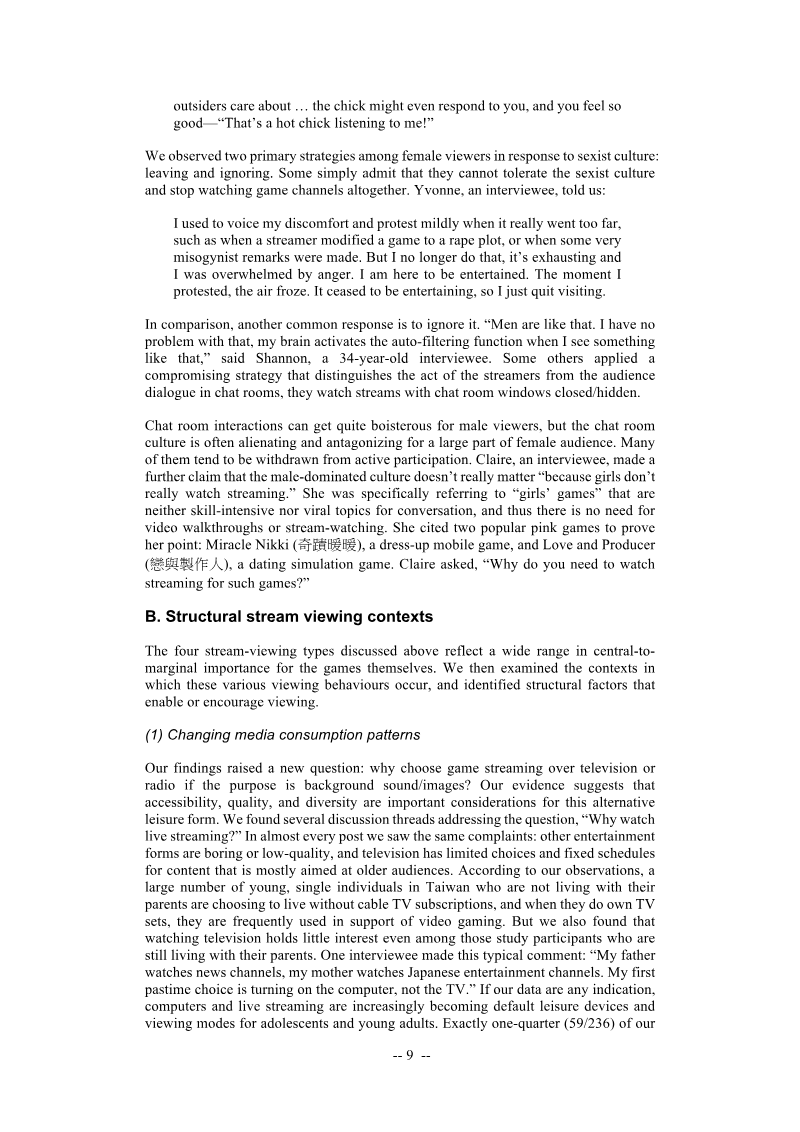
The paper reports that Twitch.tv reportedly draws over 100 million regular viewers and generates roughly one billion US dollars in market value.
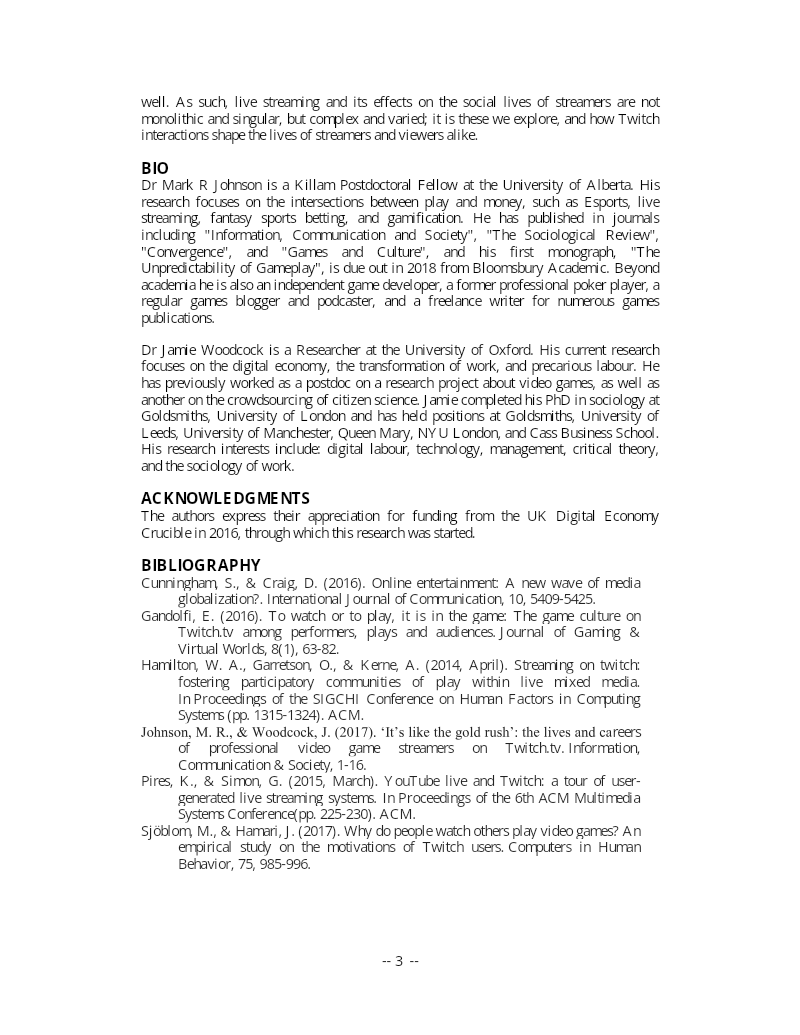
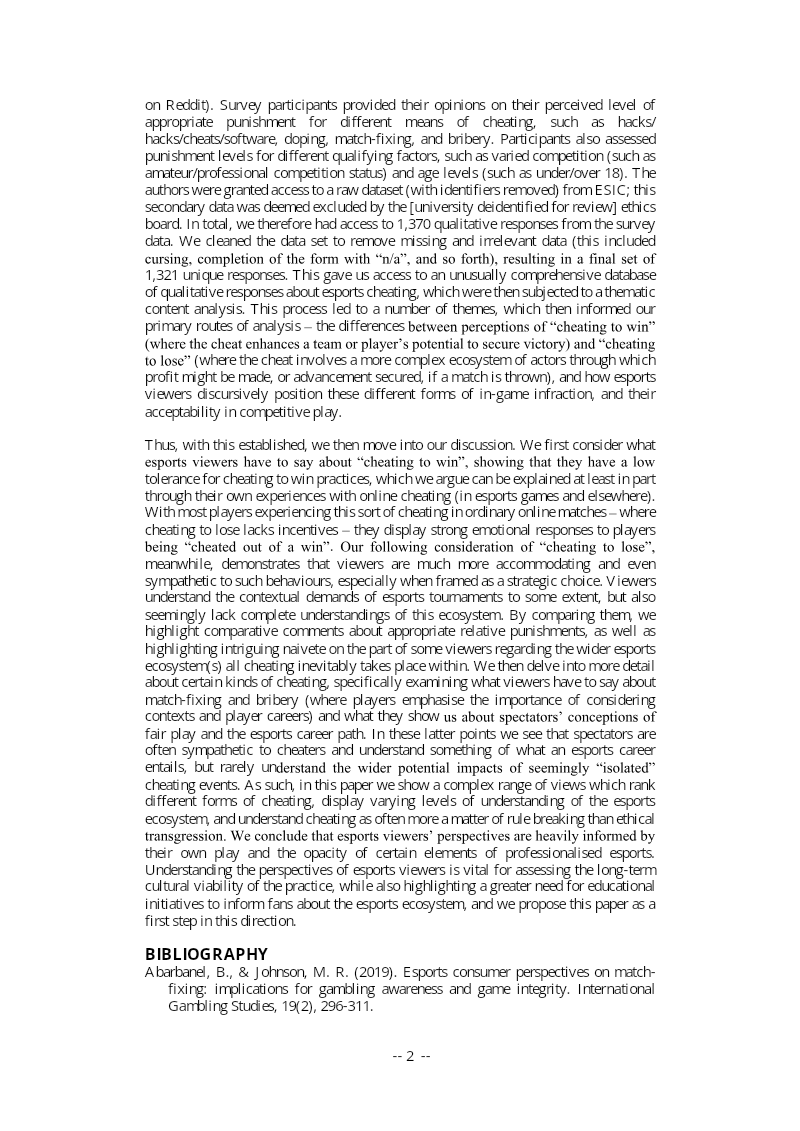
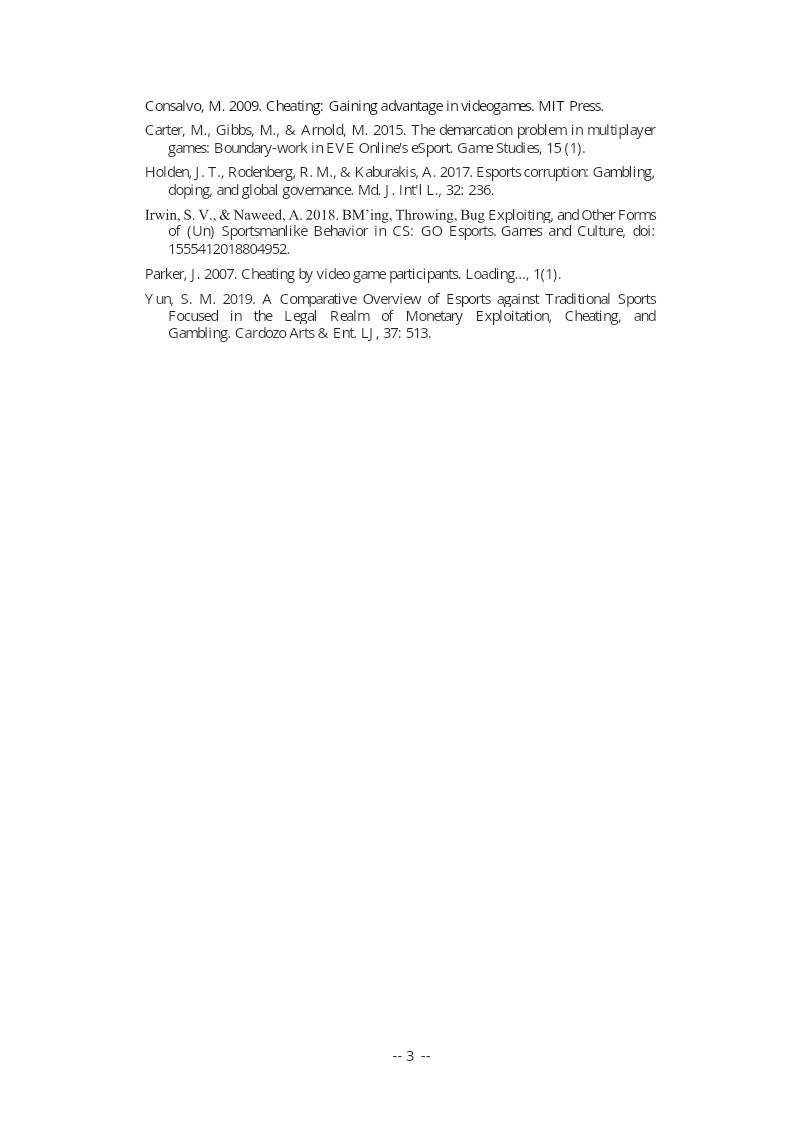
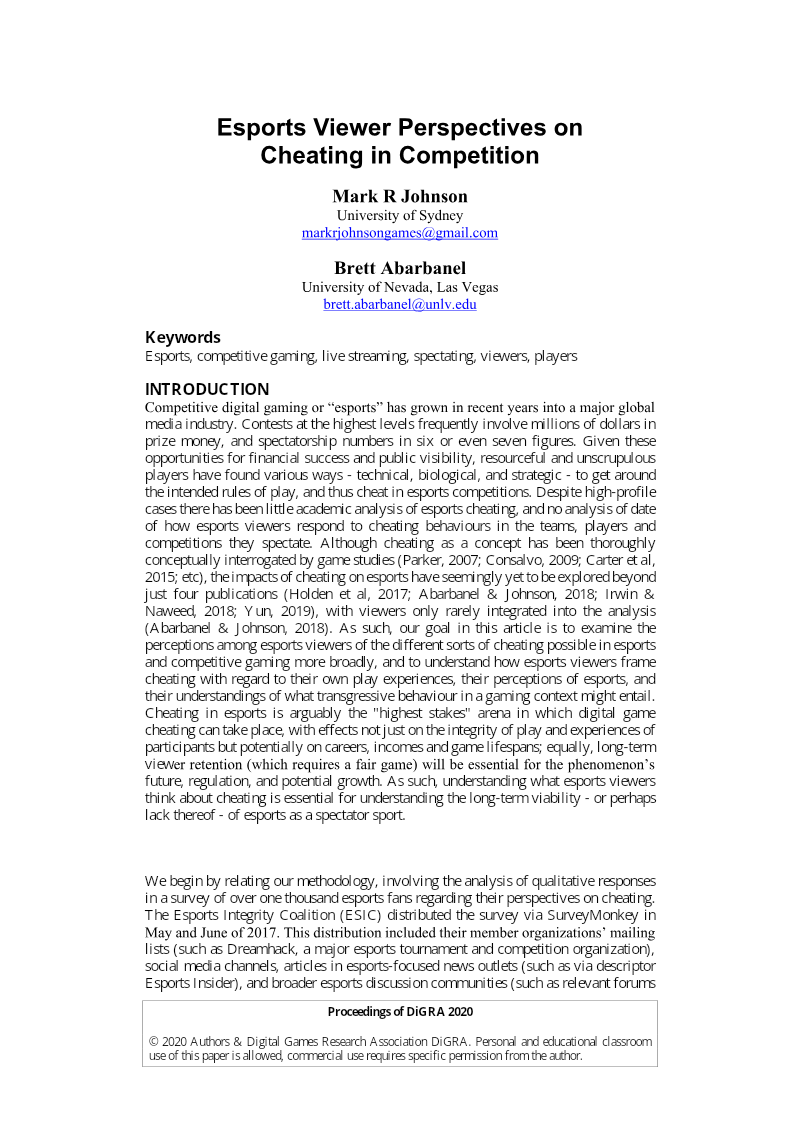
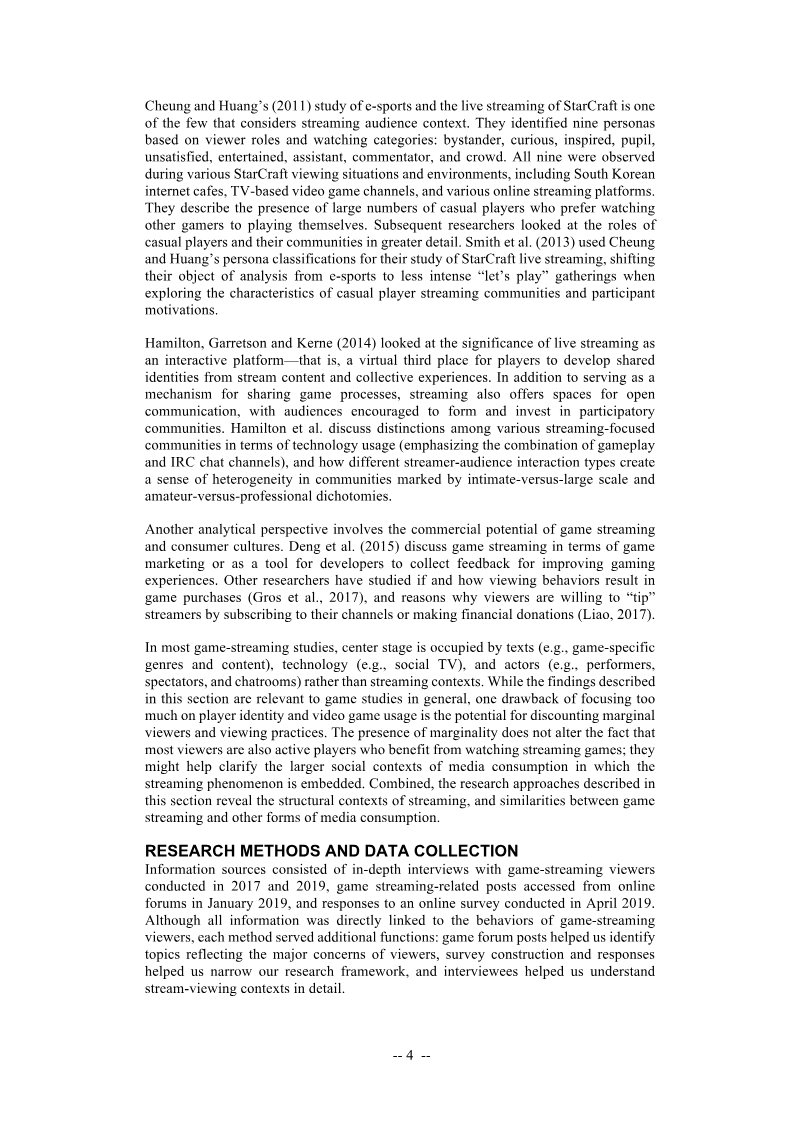
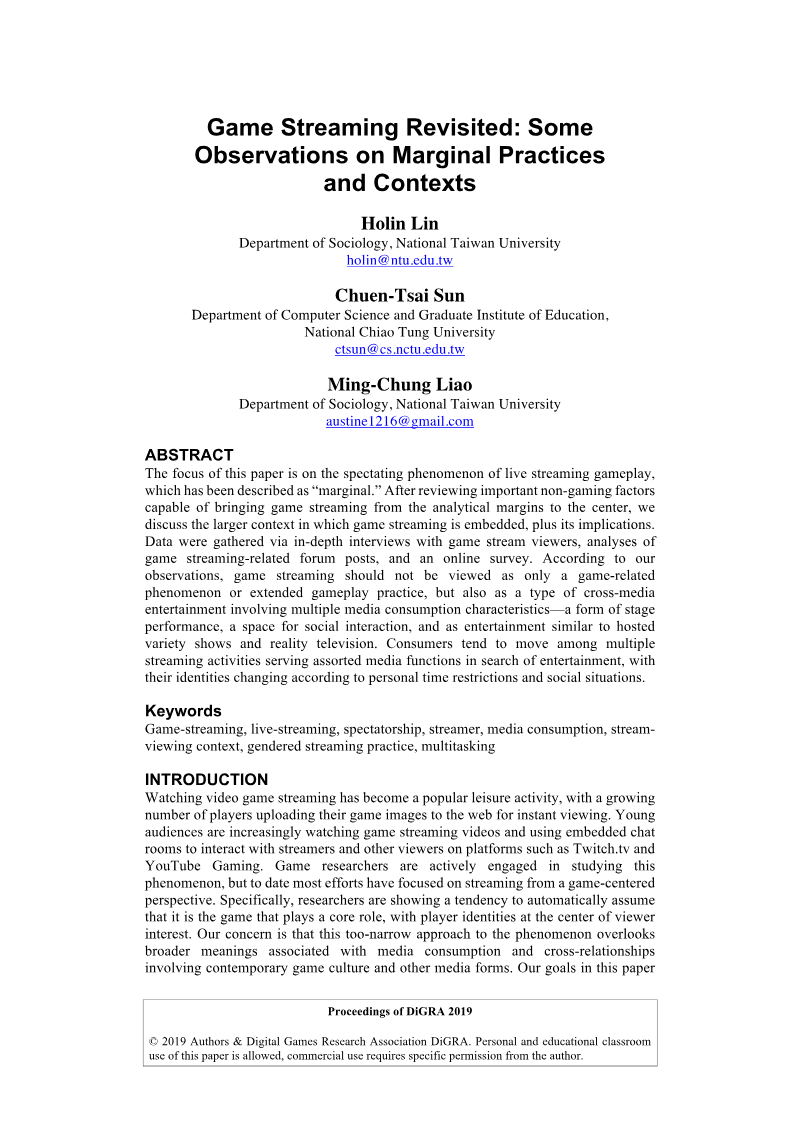
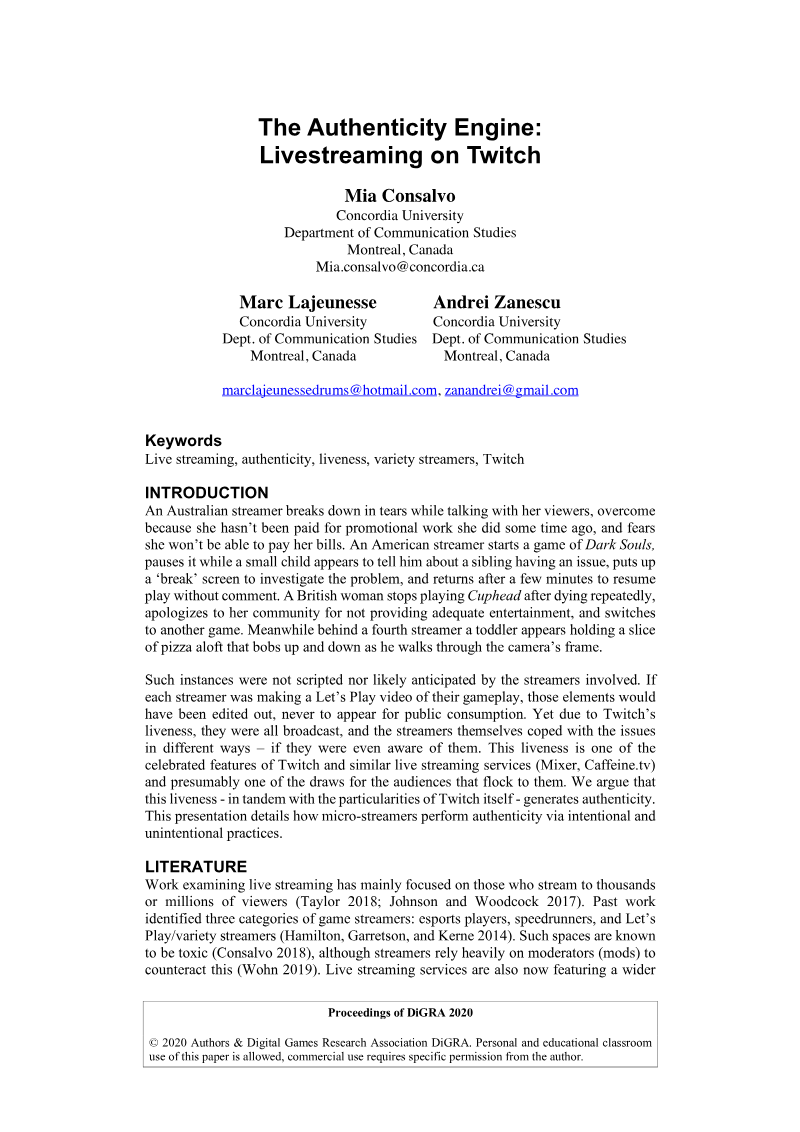
This paper examines the communicative dynamics of Twitch.tv, the dominant live-streaming platform for video game content, which reportedly draws over one hundred million regular viewers and generates roughly a billion US dollars in market value. Its central concern is the interaction between streamers and viewers through Twitch Chat, a real-time channel that shapes both the economics of broadcasting, which relies on donations, subscriptions, sponsorships, and "bits," and the social status of participants within each community. The authors position live streaming as an increasingly important object of study for game studies, given its rapid, continuous exchange between media producers and consumers.
The analysis is organized around three areas. The first concerns the emotional and affective labour streamers perform, including friendliness, solicitation of donations, parasocial intimacy, and humour, much of which requires substantial preparation and draining effort despite appearing spontaneous. The authors also find that many professional and near-professional streamers broadcast as characters rather than as their "real" selves, which they frame as a form of self-branding in a crowded marketplace. The second area examines unpaid moderators, who remove disruptive content and act as representatives of channels without financial compensation, a dynamic the authors connect to neoliberal forms of work in which recognition and social status serve as the primary rewards.
The third area considers the effects of streaming on streamers' personal lives. Respondents report largely positive views of their careers but describe significant costs, including strained family relationships, health problems, and stress caused by long working hours. The authors also note that the platform can alleviate social anxiety and help streamers form friendships and professional connections, concluding that the social impacts of live streaming are complex and varied rather than uniformly positive or negative.
Each row is a game or company this document names, each column a document, oldest first. A mark means that document names it. Select a row to see those documents.
DiGRA · 2020
DiGRA · 2020
DiGRA · 2020
DiGRA · 2020
DiGRA · 2020
DiGRA · 2020
DiGRA · 2020
DiGRA · 2020
DiGRA · 2020
DiGRA · 2020
DiGRA · 2020
DiGRA · 2020
DiGRA · 2019