1 free read left. Create a free account for unlimited reading + AI research.
Create free accountWhitepaper DiGRA
1 free read left. Create a free account for unlimited reading + AI research.
Create free accountWhitepaperDiGRA
The study compares streaming with stage performance, social interaction spaces, and reality or variety programming.
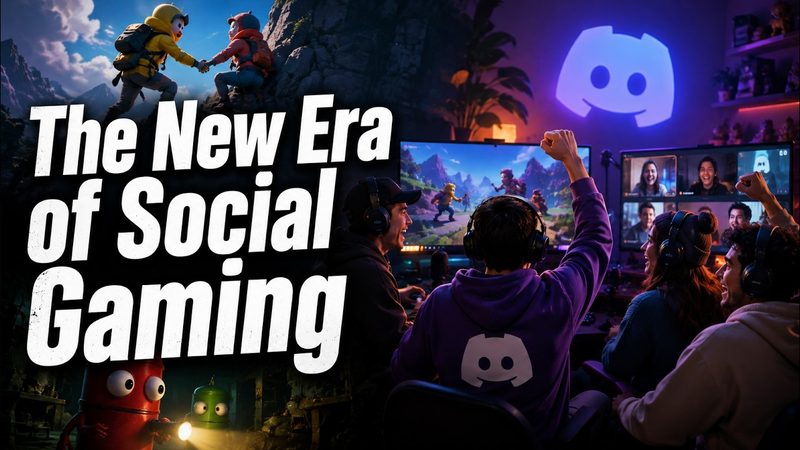
Game streaming, this study argues, should be understood not only as an extension of gameplay but as a form of cross-media entertainment, comparable to stage performance, social interaction spaces, and reality or variety programming. Its authors challenge earlier scholarship that treated viewers as fixed "players" and overlooked the contexts and marginal practices in which streaming is actually consumed. Drawing on interviews conducted in 2017 and 2019, sixty-six forum threads from Taiwanese platforms PTT and Bahamut spanning 2015 to 2019, and an online survey of 236 respondents, the research focuses on young adults in Taiwan. The sample skews female (163 respondents, against 73 male) and includes a notable share of former serious players, reflecting the broad range of people who now watch streams.
The study identifies four distinct viewer types: play-centered viewers, fan-based viewers, vicarious audience players who experience games through others, and background media users. Background multitasking and social companionship emerge as the principal motivations for many viewers. The research also documents a male-dominated chat culture that shapes the experience of female viewers, many of whom leave or ignore sexist interactions, a finding that points to the social costs of streaming environments beyond their entertainment value.
A central conclusion concerns the habitualization of streaming as everyday leisure. Roughly one quarter of survey respondents reported that watching live streams had become a habit, and the authors connect this to several converging forces: relief from loneliness, the availability of affordable high-speed internet, and the rising social value of gaming capital among young people. Localization gaps and the shift in gaming from massively multiplayer online games toward mobile titles are also identified as contributing factors. Against the backdrop of declining television use among young audiences, the study concludes that game streaming has taken on a default leisure role, functioning as performance, social interaction, information source, and background companionship simultaneously.

DiGRA · 2022

DiGRA · 2022



DiGRA · 2022



DiGRA · 2022

DiGRA · 2022

DiGRA · 2022



DiGRA · 2022

DiGRA · 2022

DiGRA · 2022



DiGRA · 2022



DiGRA · 2022

DiGRA · 2022
DiGRA · 2019