1 free read left. Create a free account for unlimited reading + AI research.
Create free accountWhitepaper DiGRA
1 free read left. Create a free account for unlimited reading + AI research.
Create free accountWhitepaperDiGRA
The analysis traces repeated phases of convergence and divergence, each shaped by institutional strategy as much as by technical capability.
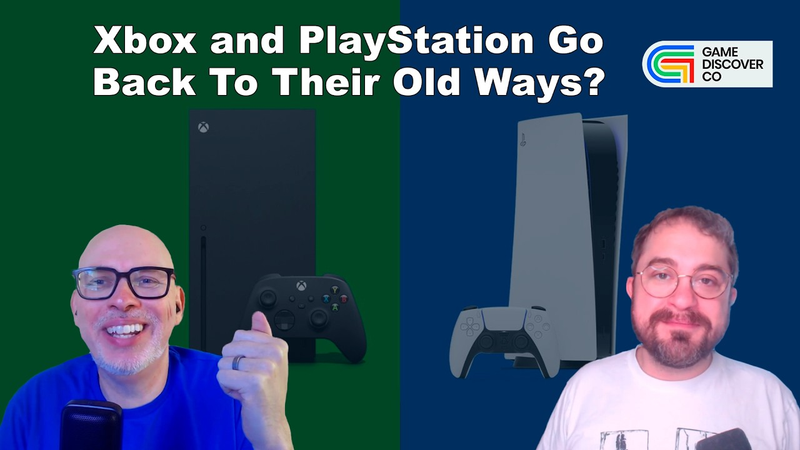
Console gaming's history since the 1980s, as this analysis traces it, has moved through a repeating cycle of convergence, divergence, and convergence again, with each phase shaped as much by institutional strategy as by raw technical capability. The study begins with hybrid computer-console devices such as the Commodore 64, which faded in the late 1980s as dedicated consoles from Nintendo and Sega took hold. Nintendo held over 80 percent of the US market and about 90 percent of Japan's in 1989. The 1990s brought a resurgence of convergence as Sony entered with a CD-ROM-based PlayStation in 1995, capturing over 20 percent of the games market by 1996 through aggressive pricing and a larger software library, while Nintendo's cartridge-based N64 arrived later that year.
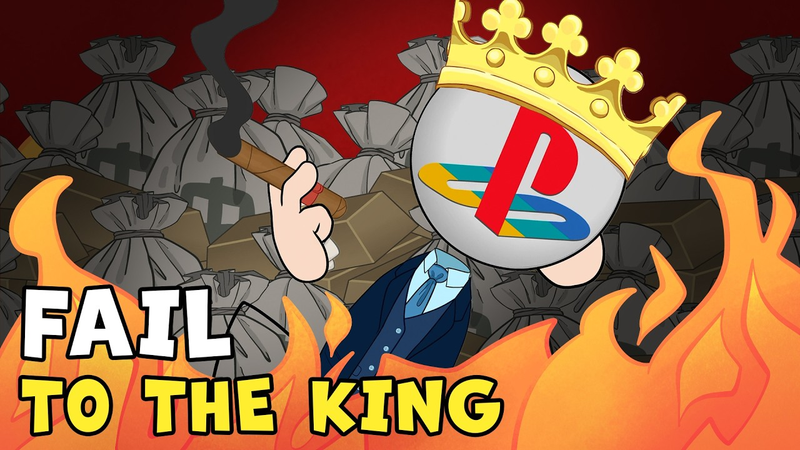
The analysis then follows the market from the late 1990s into the early 2000s, when Sony's PlayStation came to dominate and Sega withdrew from hardware after the Dreamcast's online strategy failed amid slow modem speeds and weak uptake of its service. The study contrasts the multifunction hybrids of Sony's PlayStation 2, with its DVD playback, and Microsoft's broadband-oriented Xbox against Nintendo's single-purpose GameCube, noting that by late 2001 US fourth-quarter sales were roughly evenly divided among the three manufacturers. The author argues that such outcomes are better explained by corporate strategy, particularly the securing of content partnerships, than by technical superiority.
Beyond the hardware narrative, the study identifies a growing aesthetic and cultural blurring between games and film, with games reaching nongamers and cinema borrowing game-style spectacle. It also finds that policymakers' grasp of the medium remains limited, citing an Australian ban on a PlayStation 2 title and ongoing US debates over game content. The work closes by calling for further research into the interplay of games culture, institutional factors, and the hardware-software relationship, which it could not examine in full.
DiGRA · 2023
The Game Business · 2026