1 free read left. Create a free account for unlimited reading + AI research.
Create free accountReport DiGRA
1 free read left. Create a free account for unlimited reading + AI research.
Create free accountReportDiGRA
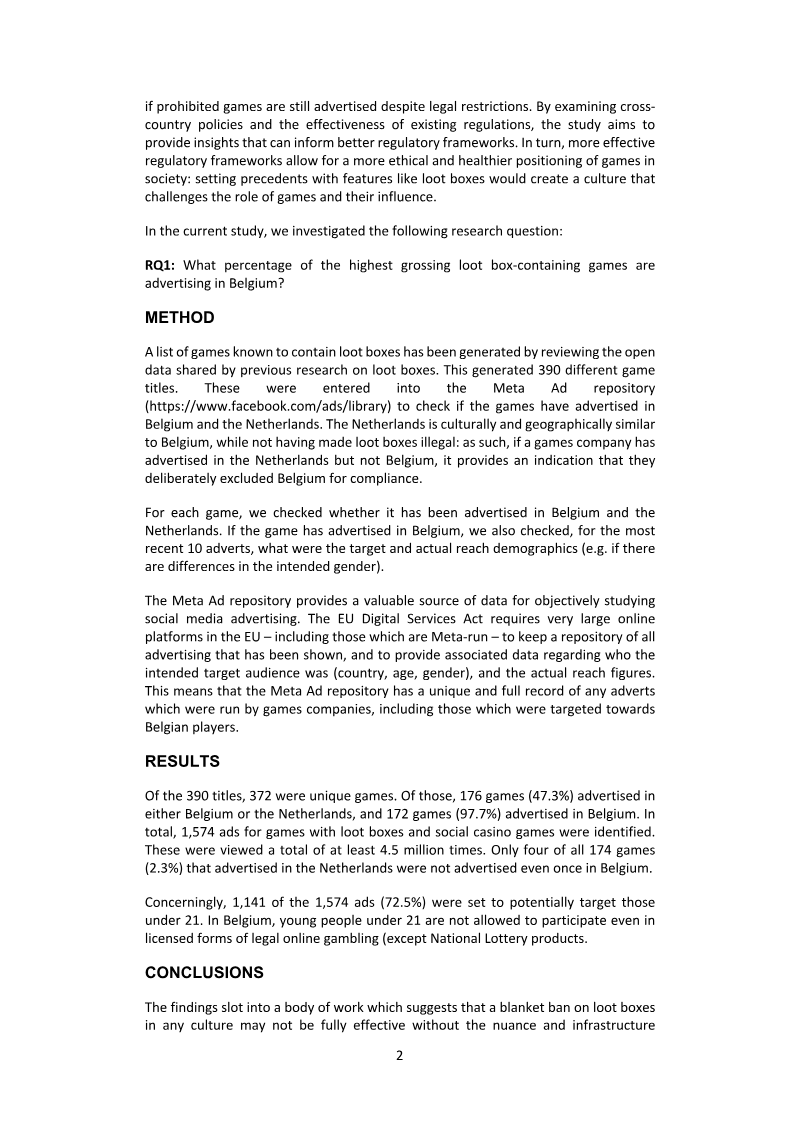
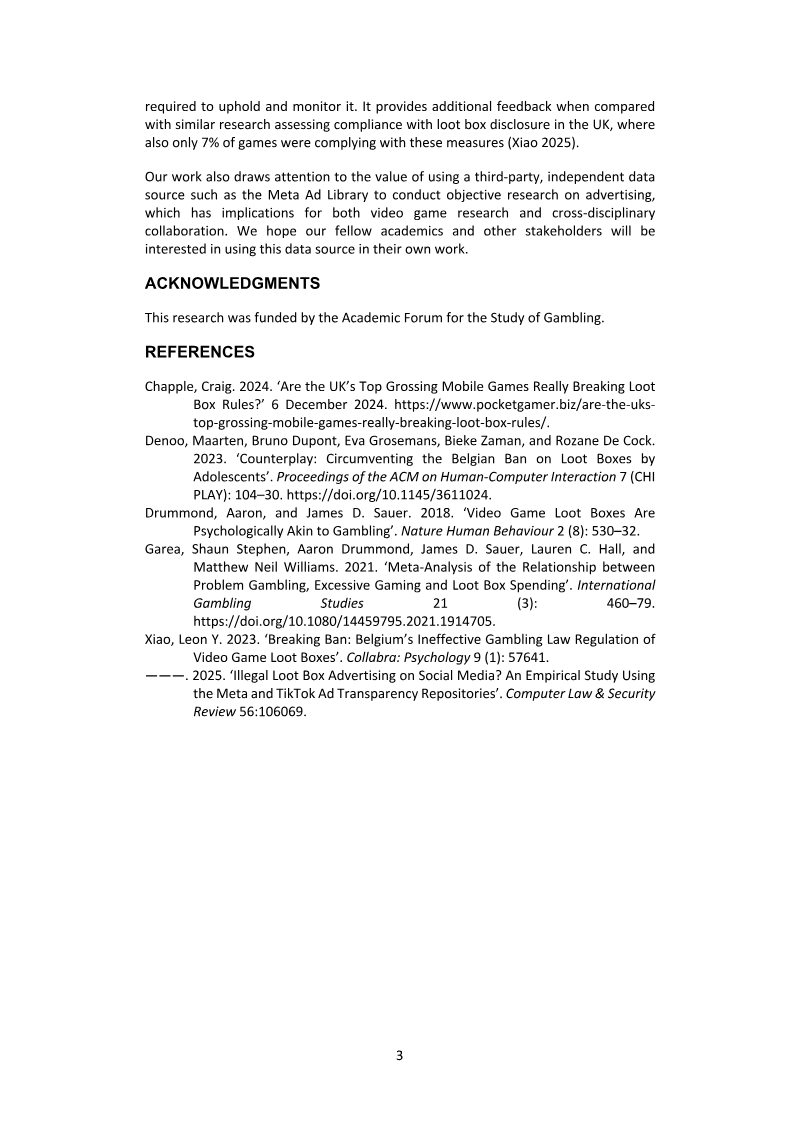
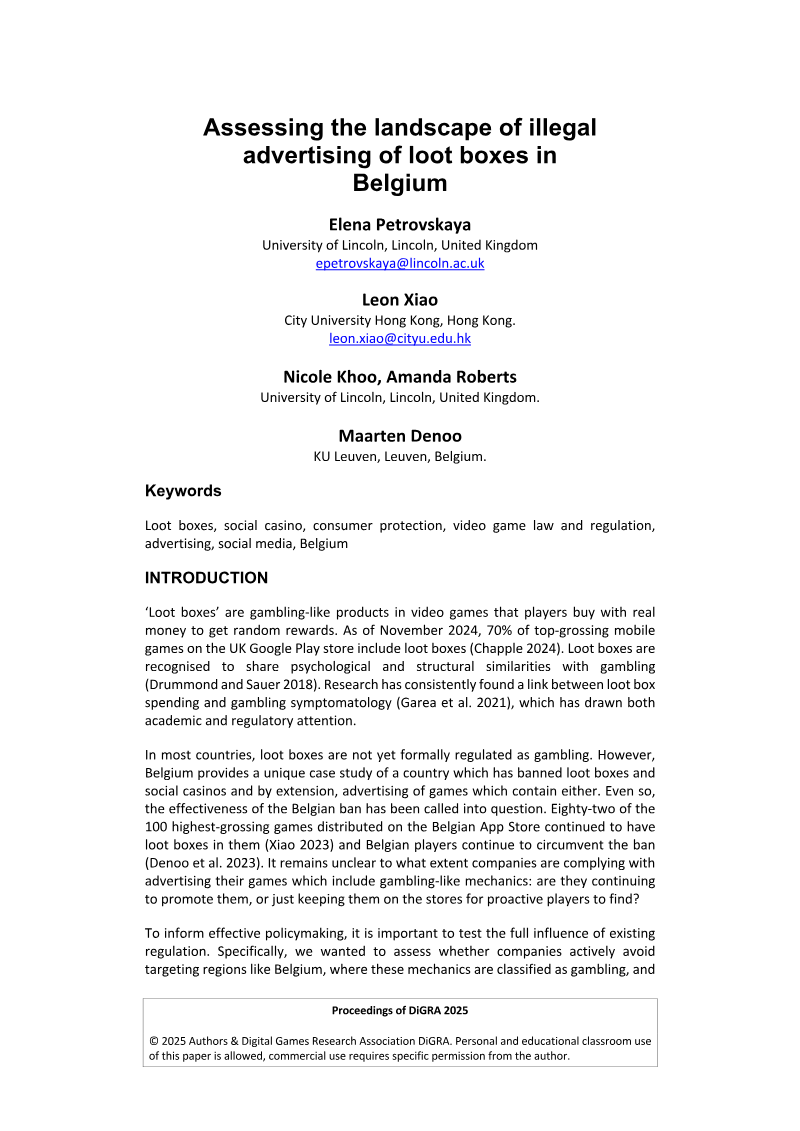
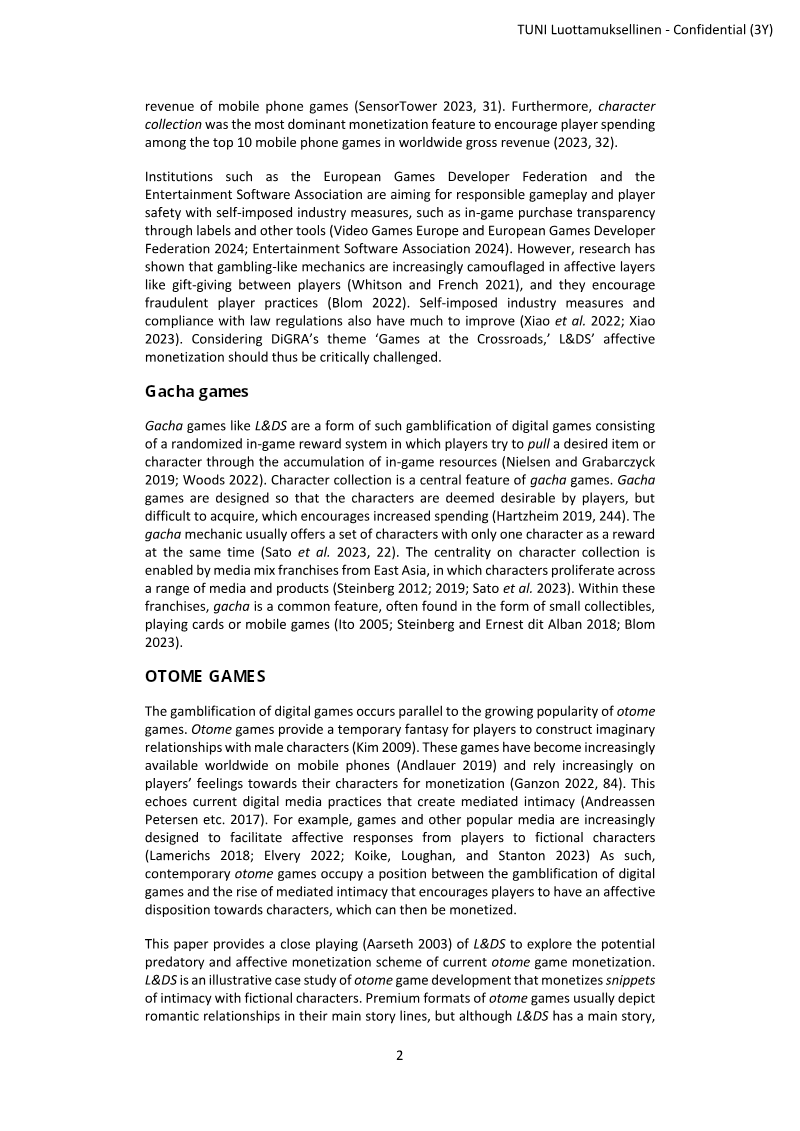
Loot boxes are paid in-game items that deliver randomized rewards. They are psychologically similar to gambling and have been associated with problem gambling.
This document is a research proposal examining how companies comply with loot box regulations across five jurisdictions: China, South Korea, Taiwan, the United Kingdom, and the Netherlands. Loot boxes, which are paid in-game items that deliver randomized rewards, are psychologically similar to gambling and have been associated with problem gambling, yet most fall outside existing gambling law. Governments have therefore pursued alternative approaches, including mandatory probability disclosures, self-regulatory commitments, and consumer protection rules that require prices to be stated in real currency rather than in-game currency.
The study's central aim is to assess whether companies are actually meeting these requirements. It builds on earlier work finding that Chinese companies complied with probability disclosure rules in 2020 but often presented the information in hard-to-access ways, and that Western industry self-regulation has seen lower compliance than legal mandates. The author notes that four years have passed since the original Chinese study and that the industry has changed considerably, so a fresh assessment is warranted. Among the jurisdictions, the Netherlands is singled out as the only regulator to require all in-game purchases to be priced in euros, a rule that conflicts with advice from the UK advertising regulator.
Methodologically, the project will examine the 100 highest-grossing games in each of the five regions, identifying loot boxes and documenting any compliance measures. The findings are intended to show how widespread loot boxes are across markets and to indicate whether existing rules are being enforced effectively, with the goal of informing policymakers in these regions and elsewhere considering similar regulation.

DiGRA · 2026

DiGRA · 2026



DiGRA · 2026



DiGRA · 2026



DiGRA · 2026



DiGRA · 2026



DiGRA · 2026



DiGRA · 2026

DiGRA · 2026



DiGRA · 2026



DiGRA · 2026

DiGRA · 2026
DiGRA · 2026