1 free read left. Create a free account for unlimited reading + AI research.
Create free accountFinancial report Capcom
1 free read left. Create a free account for unlimited reading + AI research.
Create free accountFinancial reportCapcom
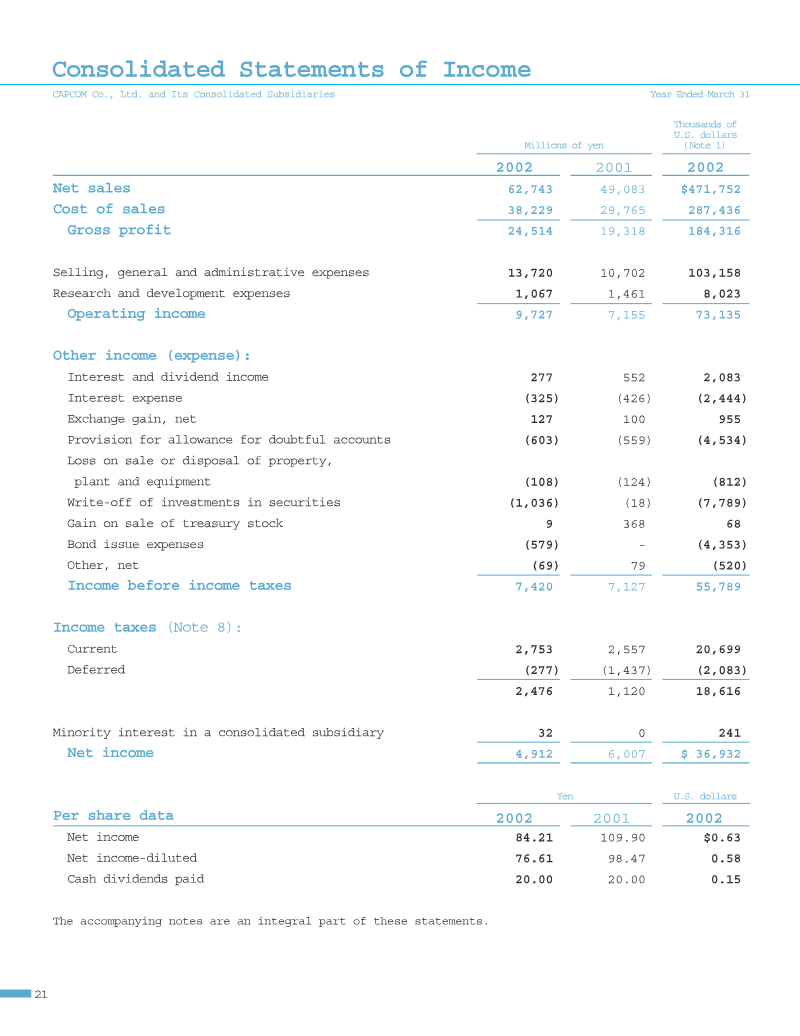
Capcom’s fiscal year ending March 31, 2003, represents a period of significant financial restructuring and strategic realignment. The company recorded a net loss of 19,598 million yen, a sharp reversal from the previous year’s profitability. This downturn was primarily precipitated by extraordinary losses totaling 36,850 million yen, which included substantial write-downs on real estate assets and the cancellation of unprofitable software development projects. These financial pressures necessitated a comprehensive overhaul of internal operations, including the adoption of new accounting standards for sales returns and the strategic reversal of capital reserves to eliminate the accumulated deficit.
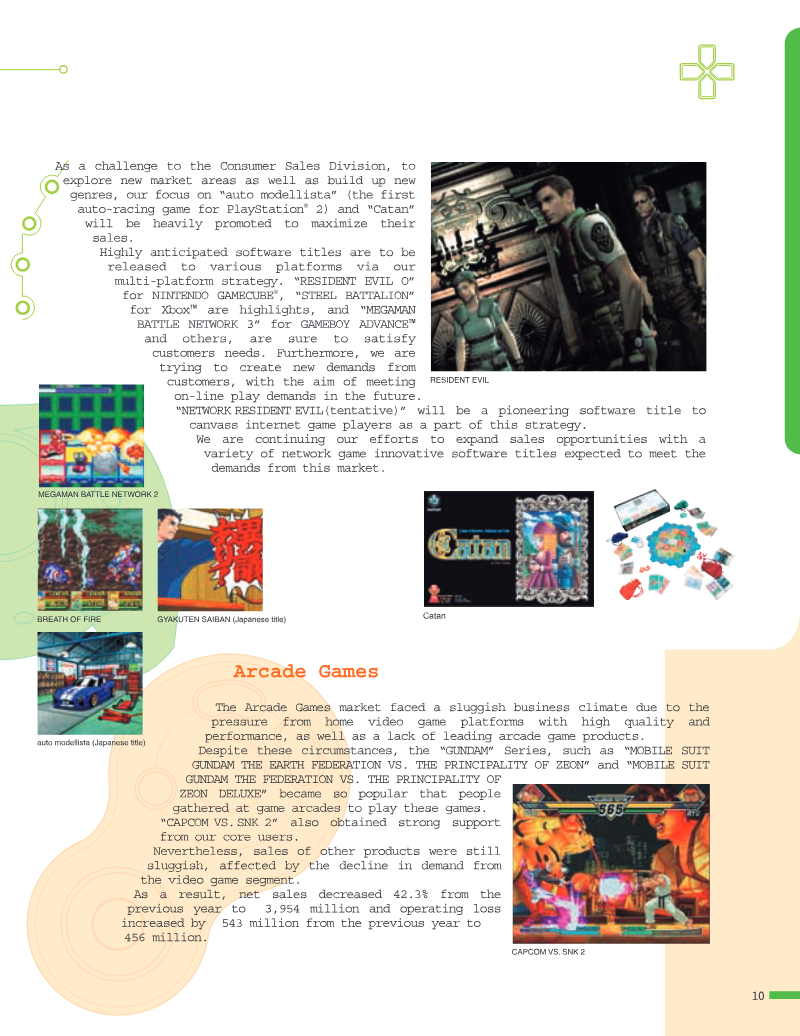
Despite these challenges, the company maintained a robust revenue stream, with consolidated net sales reaching 62,036 million yen. The home video game segment remained the primary driver of this income, supported by a strong international presence that accounted for 42.4% of total sales. While the arcade operations segment demonstrated growth, the overall performance of the home video game and arcade game divisions suffered due to weak demand for key titles. Consequently, total assets declined to 106,648 million yen, reflecting the impact of the aforementioned write-downs and the company’s reliance on long-term debt obligations and interest rate swaps to manage financial risk.
To restore long-term profitability, the company implemented a fundamental shift in its corporate strategy. This transition centers on a quality-oriented research and development approach, which prioritizes the concentration of resources on a select number of high-potential titles rather than broad, unvetted development. By adopting an operating officer system and committing to multi-platform development, the organization aims to enhance operational efficiency and mitigate the risks associated with market volatility. These reforms are designed to stabilize the company’s financial foundation and improve its competitive positioning within the global gaming industry.



Capcom · 2026

Capcom · 2026
Capcom · 2026

Capcom · 2025

Capcom · 2025
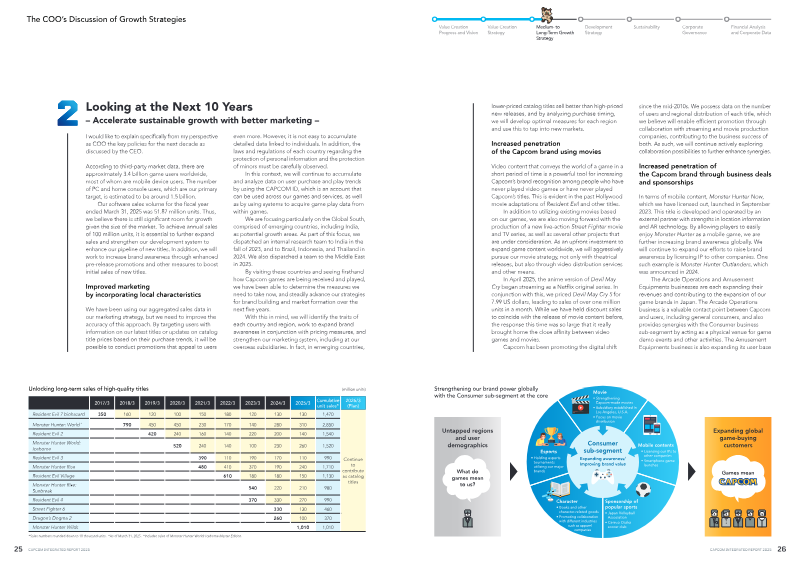
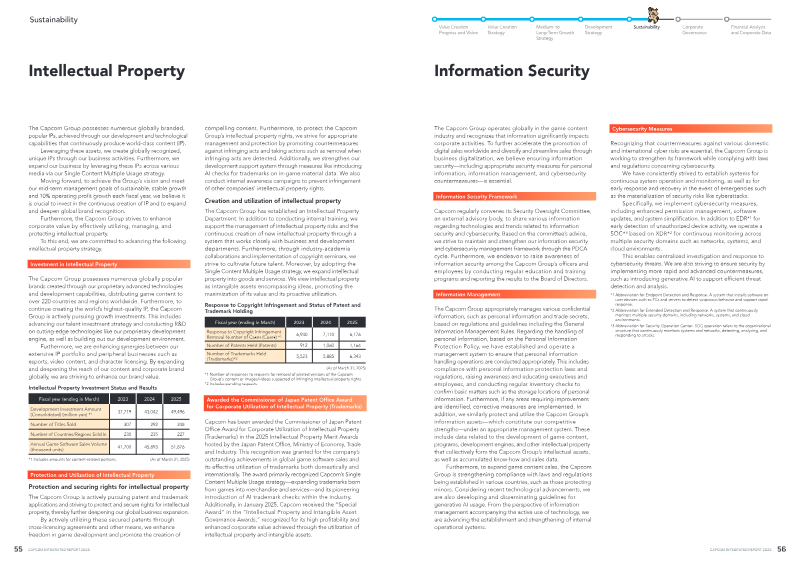

Capcom · 2025
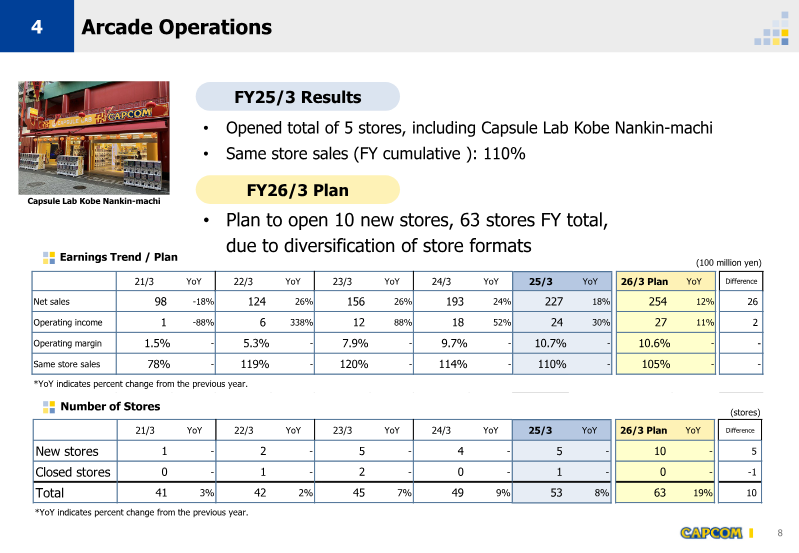
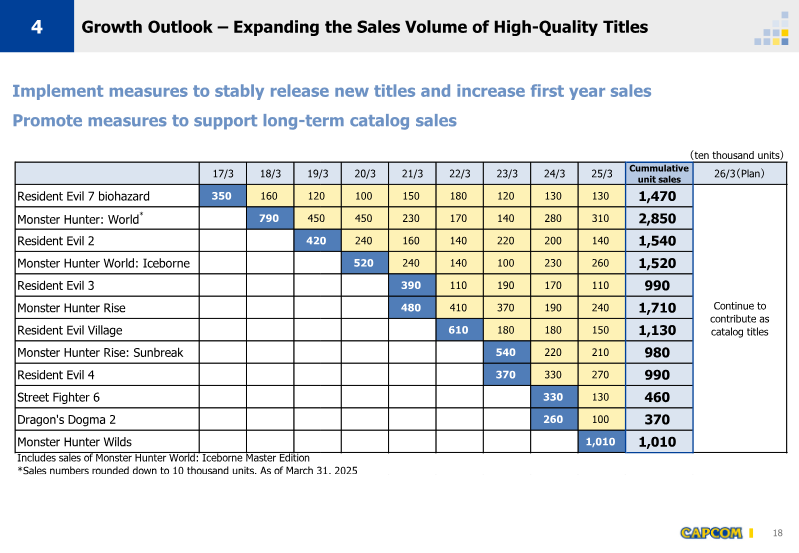
Capcom · 2025
Capcom · 2025
Capcom · 2025
Capcom · 2025
Capcom · 2025
Capcom · 2025
The Game Business · 2025