VideoDeconstructor of Fun
Building Supercell Under the Sun with Massimo Caporale, CPO at Bandai Namco Mobile
12 Jun 202267 min video

welcome welcome welcome everybody it's the deconstructor of fun podcast i'm your host michie kadkov and today my guest is massimo caporala chief publishing officer of bandai namco mobile massimo welcome to the podcast and could you tell our listeners a little bit more about yourself what do you do where do you come from i mean people know from your name you come from italy but but what about your gaming career and um and everything about yourself so massimo the floor is yours hi misha hi everyone thank you so much for having me here as a it's a pleasure um sure as you say you can tell by the name of italian i was born and raised in in rome uh but actually my gaming career started in scotland that's actually where i did my my university i started in uh you know software engineering and ai because i really wanted to get into the the gaming industry and i figured back then ai could be quite useful for that uh but then i realized i didn't really want to be a developer so but i still got into the game the games
industry straight off uni i started in qa and started mobile actually you know back in the java java times uh my first game was uh uh fifa 2005 uh 18 18 years ago i can hardly call it a game nowadays right but that was the that was the mobile gaming back then uh and yeah that's where that's where it started and uh and then i moved into production uh working on on console as well for uh for launch title on ps3 then i moved a bit more on uh on the publishing and business side of things mostly mobile aside from like one year stint on on console the rest of my 18 years experience has been focused solely on on mobile um i worked with various companies around europe based in italy uk sweden germany i worked for carriers uh publishers uh you know the whole the whole spectrum of of of mobile as it evolved from uh
yeah carrier-based distribution of java games to uh you know to smartphones uh nowadays i am i joined the bandanamco uh six and a half years ago uh in lyon where they were setting up the uh the mobile team in europe alongside of course mobile teams that were already existing in the us and the big one in in tokyo uh i joined as a producer because i wanted to be you know the face of my career where i wanted to be closer again to to making games [Music] and it's a this is actually a recurring team because many of the people we have here now are following that that path of really wanting to be more more hands-on after having been born in management positions um yeah so i joined the team where it was just started and and then after a couple of years i took over the management of the team and started working on the project of creating a more mobile focused uh company
and uh and we realized that we needed a kind of a uh a better location let's say uh where there was more more of an ecosystem of mobile gaming companies and where it was easier to attract um international talent as well so uh yeah so that's why we basically we researched a lot and that's why we ended up with uh with picking uh barcelona and uh so we have still the abandoned entertainment euro company is in lyon focusing on console and we created banana mobile here in barcelona to focus solely on mobile games so we we set up the company like almost three years ago now but we opened the office a couple of years um a couple of years ago and here we we started building a development team which is something we didn't have in lyon and it's actually the only
mobile development team uh that the group has outside of japan uh so we started that from scratch and then we we brought our publishing and marketing teams from from leon and then we expanded on them uh here so right now basically the company here is split into you know game development publishing and marketing teams and and my role here is to oversee all of those uh product teams um as you might know from uh you know from our discussions previously we have a kind of a we have a flat structure here so uh i don't manage the teams like tradition the traditional way like uh hands-on i'm here to act as a servant leader to support the the teams and provide of course the high level strategy uh and then leave the execution down to them to the team so that's my that's my role here yeah and that's and you know one of the key reasons why we're having this conversation is that the setup in barcelona is
in many ways unique but in many ways also familiar and in all the ways very different that you would consider a japanese game developer would adopt i mean we you know we know how japanese work they work very hard so i'm not saying you guys don't work hard i'm just saying that they work very long hours let's put it this way they work very very long hours so so what's really interesting about the bandai namco barcelona is that you guys are trying something very different when it comes to the way you're making the games not only from the parent company but also from most of the mobile studios and most of the game developers around the world according to my knowledge i know this is probably old news but you used to have 17 people you might probably have more now as you said the team is split between publishing and game teams but also the game teams is split into smaller teams working on different types of prototypes and your goal is not to ship anything
small of course bandai is one of the largest developers and publishers in the world so your goal is to ship big games that make impact in bandai's portfolio but also you're not making games with existing ips but you're making games with new ips so you're also creating ips you don't have according to them my information and public information you don't have deadlines you don't manage people like as you said and we'll talk more about that latest news is that you work only a four day week i don't know only is the right word to say but you've constructed the way that you work a four day week and everything that i just said is counter to anything that one would think about a japanese developer and um yeah and and you know we did a little bit of an analysis and deconstructed funding when you read it and that's why it's really important that we have a conversation but when you read it uh you can sense an unintended signs of culture of complacency because you have
the beautiful city of barcelona you have four day week you don't have deadlines you were working on prototypes which is the most fun thing you could be doing when making games um you know it's uh it gives a little bit of a different perspective so i'm curious to to hear like how did you end up choosing this type of a model like what led to it yeah there's a lot to unpacking what uh what you covered and some corrections to make actually so let's let's try and analyze this um so the why the why is the most important right it's like why why uh have we built a company's way so as i said you know we were um we decided to build a new company focus on mobile and that's actually a great opportunity to take a step back and consider you know what culture we wanted
because changing the culture of a company exists is super hard when you build a new company where you're gonna hire a lot of new people then actually have a prime opportunity to you know to center the right the right company culture um well basically we analyzed the the the market and we analyzed you know what we need uh as you say you know as part of a band and um group we have very successful mobile titles so we won't be satisfied with like you know average performing uh title so we need to to shoot for them for the top 100 you know uh that that would be that would be something that you know could fit well in our portfolio and make us proud within the group so for that really uh we think uh the focus of innovation uh it's uh it's super important for us um because uh and i know you have something to say on the innovation as well right but
um but basically to create a space uh for for us in the in the market we we saw that innovation is really it's really important right we don't want to make another uh another uh similar games to the top grossing ones that model has been tried and failed many times and i mean we have to look at this also in the in the context of the bigger group approach uh where we still do continue to work on certain kind of games based on japanese aps uh or you know arcade anime so what we want to do here is to expand our group portfolio and try and give more targeting innovation uh for that um you know we saw that the companies that basically uh manage to put out different kind of uh titles uh out there like different general quite innovative uh with different ips they're quite a handful
right i mean i know you mentioned uh in your article uh references to supercell by all means that's one of our uh inspirations uh we went to visit the the their office to chat with them before before setting up the company understand how they work uh the stuff that works the stuff that doesn't work the challenges they have so we're very aware of of uh of the limits of this as well and how challenging it is but basically the focus on innovation uh is what led us to uh understand that to to reach that goal we need to give more uh more freedom to the teams right um and the creating new ips is is is twofold also one is to complement the other there peace that we already have coming from japan we want more western focused ips and the other one is actually to foster innovation right because innovating based on existing ap is very challenging because ips especially rops come with many many constraints
uh whereas you know giving the team the freedom to work your new ips uh allows them really to explore uh more so that's one factor the other factor is also yeah we want to create a uh you know a top level company here there's a fight for talent going on clearly so you have to differentiate yourself not only on the product you put out but also on the company you build and what you offer to the talent right so uh we we recognize we need to innovate on the company side as well uh so by being different and coming here in barcelona where there is already an existing uh pool of talent uh you know that that for us was a was a good strategy to to be able to attract the best talent and again is the you know the the focus on uh on flat structure led us to having the need to have a small team and a focus on quality versus quantity this quality versus quantity we have with the selection of
products we work on we don't we don't work on uh tens of products we really want to focus on on top grossing titles a few of them that perform well uh we have it on on people you know small teams with very high experience uh and yes on the fourth day week as well uh you know i want to focus on you know maybe less quality time where we can really concentrate all work together and perform uh and strike a better balance with uh you know with our life so we have an extra day off and we think this can lead to more creativity more more innovation happier healthier uh teams and why not it's also a way to to differentiate ourselves you know and and attract even even better talent um so that's why in terms of the the team that you mentioned we uh yeah we
have 17 people in the game development team as a whole as a company we're 38 now we are growing slowly again one focusing on quality more than more than speed we target for now a maximum size of like 70 people because we want to maintain that kind of structure which we know we've seen companies you know fail and have big issues when they grow and they go like 200 people yeah flat structure not manageable right you need to put layers and layers and you put people there they need to manage other people and that kind of messes up the whole the whole infrastructure culture so we really fight to keep this to keep this more um we don't have the lines you mentioned well well yeah we don't have like uh schedules week by week schedules um because i believe the deadlines are only
uh meaningful where they're logical right where there's a logic behind it then then it's meaningful but that doesn't mean we have like no pressure on the teams or no deadlines at all to uh to do anything and yeah just take your time enjoy life on the beach as you say you know as otherwise one people here and they understand that they here have the best chance of their life to you know make games make you know the best games they can possibly make because we we give them all the opportunities for that so i i feel everyone is very conscious of the of the big opportunity and that you know this is not gonna last forever if there's no no results so the pressure is there uh and and you know in fact you know from the article that you put out you know we said that we were working on on four prototypes well that just became three because one was killed uh this week uh because of the the pressure having to you know really believe in what you're
doing and that you can bring this out to market in a timely manner so we don't have deadlines from the top by the studio we know we need to achieve you know we need to release something uh next year let's say you know and uh and uh we need to start showing showing progress and showing shown results yeah i mean there's well there's a lot of unpack what you said as well so it seems to be there the focus is on on freedom uh because when you build the right type of a culture when you focus on innovation uh that means you need to build a culture with with freedom because it allows people to explore you've said freedom also in the sense that you don't have existing ips you're working on like token battle or anything like that because you have a freedom to explore rather than iterate on an ip so that that's another element of the freedom and then of course the the flat culture and the flats flat structure of culture flat
structure is an element of freedom as well because you don't have those managerial relationships you don't have to deal with the 101s and development plans it's like you're here to make games you're not here to uh move forward in your career path if you will it's like your career is the games you ship and which is you know everybody should understand that that's the most important part and and yeah and the final part is like i understood that those elements and as just like as i wrote in the analysis is it definitely is a game developer's dream because all these elements sound perfect for somebody who makes games but i tried to look it from the other perspective as well like yeah as a game maker paradise you got the barcelona you got you know the the backing of a very very strong publisher developer you have great people around you because you have the resources you have the culture you have the pull of the talent not only due to the location but also due to your funding that allows you know people to take a
risk and move to a different country in a different city so you're working with great people around you but then again like the four hour week sounds perfect for me but from a manager's perspective from executive perspective i think you're the person who feels the pressure to deliver and you're kind of withholding to some extent that pressure from the teams so that they can focus on the creativity so they can focus on innovation and you're kind of you're kind of the the person that the studio is carrying the pressure of actually delivering because we bandai has had previously studios in vancouver as well we know everything like we know we know the background and it's not only bandai it's any company if you can't deliver and what you said you will deliver the lights will be turned off no matter where you are no matter what the backing is that's just the reality of life so i i understand your perspective as well so i wanted to kind of like ask first of what are the successes as you switch to this model like have you seen the success case in seeing more
innovative approach uh seeing better pull of talent like what are what are the other pros of this approach so the the the pros are definitely that we have seen a lot of uh interest and a lot of talent coming here believing in uh you know in what we want to do like how we want to do it uh and that we managed to attract people with a lot of experience they really wanted to escape this this trap of being stuck in the managerial role uh and just wanna make games because that's that's what they love to do so uh put a lot of effort uh in in hiring the right people and i'm really happy to see the people that we have we have here um i'm happy also to see that the the uh you know the culture is absorbed and they live they leave the culture and they they help evolve it also because
clearly as a new company uh one thing is to have the culture on paper one thing is to live it and and discover day by day what challenges are there because it's not all uh uh you know work in the park clearly you know the the flat structure has its challenges as well how do you make decisions you know for example the big one um but uh i'm really happy of the be of the team we've managed to to uh to build here and uh and the fact that they are they're all happy and motivated you know they're not uh frustrated by the by the situation we're really motivated um then that said we as a company here in barcelona we we have we work on several different things not only creating new uh innovative games with new ips we have a publishing team as well that works on our existing aps uh partnering with external studios
and we have we're working on uh you know on two top 50 apple arcade games uh working on working developing on more games more games in the pipeline so that's our way also to differentiate the business and uh on the marketing side they don't only work on uh on the games published by publishing team they will work on games made by the game team as well in the future but right now they're also working on games coming from japan you know on top crossing games we're building a super experienced team here and actually we've seen great results with them working on on those games and we've seen year-on-year growth on on all the projects that we work on from from japan so we are already having an impact on the on the group here being able to attract this uh you know this western talented prime location with this structure and in fact despite planning to uh uh to build a company we're gonna
invest you know a lot of money in the first five six years losing money because we need to build the company we actually managed to be profitable from from day one uh thanks to the differentiation of the of the uh of the project that we work on uh so for me that's also a big uh a big success uh and this also allows us to uh uh you know share more with with everyone with all the with all the employees and and give them the promise of you know when when we can do even better you'll you'll you know you'll enjoy even more uh the success of the success of the company no big failures yet to be to be honest uh bit big but lots of lots of failures like on a daily basis lots of issues that we encounter and of course we take this as a as a learning you know and when it comes to games to processes uh how to work as a flat structure team people and
and so on yeah i mean massimo that's a veteran move that you're doing there you're putting your studio on the green right away so that you can continue investing into uh into new that's uh that's uh that's a whole different approach and so we know how it works on the executive levels when studio is on the red it can't be on the red for too long otherwise it's uh it's gonna face the axe but now uh that's a that's a very important um sort of a thing that you've done by bringing in the publishing as well as new game development under the same roof and because your team size are relatively small it's probably quite simple to keep it on the green until you start scaling actually the games and the marketing budgets kicks in so so yeah better remove kudos on that so so okay and and um and yeah okay so you switch this model it has been great in bringing in people it has been great in keeping people happy it has been uh you know working as intended and you haven't seen any
uh negative parts of it that leads to my question is like how do you hire to make sure that you hire the right type of people meaning people who are probably hungry because you're looking for senior people and the risk with senior people is that they're not always hungry they've kind of been there done that they're more like i could be a great mentor for somebody uh i could do a hell of a talk i could you know enjoy my time at the studio and teach the young guns but doing myself stuff you know i could dabble a little bit but i'd rather have a team and then the second part is how do you make sure that you hire humble people because um what i mean by humble is is not meek but but people who have done things they are senior they're veterans they've seen it they've done it they have success in their in their life how do you make them work with others because they might come in and say this is how i do things i'm very passionate i'm very you know goal driven aggressive in a good sense but i also
might be bulldozing others because this is the way that i do things and it has worked in my career and thus you know i'm working so just just thinking about like how do you how do you really hire i don't know if you hire hungry and humble people but those are kind of like the uh the the the characteristics that i would be looking for uh when when uh when searching for the type of profile that i was reading yeah now we have we have we put together like a list of uh things that are important for us when we hire people to make sure the whole interviewing panel is is aligned with this and we you know we have the the candidates go through several interviews with basically different disciplines and the whole the whole uh team is involved in the in the hiring process uh and we tackle different aspects in each interview but basically yeah definitely we you know we are looking for senior people professional highly experienced
uh and that's for us is a must because we want to keep small teams but the small team still need to compete on the global market with uh teams of 100 people right so so they need to be super super experienced but correctly you say they need to be like hands-on they won't need to want to be hands-on uh so it's definitely not for everyone we know uh we've seen many people that just don't fit the culture you know uh if you are kind of arrived you want to find a comfortable place that's not the place for you uh if you're not humble uh you know that's you know with a big ego it's probably not gonna work out uh so it's we know it's not for everyone and then we do our best to you know filter through the interview process the the things are important for us another good point is that they need to be uh you know autonomous proactive uh people that can uh you know
manage their workload manage themselves because we we have no no manager it's important they're autonomous and proactive uh humble is important you have to accept the failures and to be part as a team so they need to be collaborative and they need to be candid as well uh you know and sharing their sharing their feedback uh the only way to achieve big things is to work in a team and to improve day by day so we encourage everyone to share you know candid feedback uh we took inspiration from supercell we took inspiration also a bit from some parts of netflix culture when it comes to you know candid feedback uh minimizing rules uh is super important as you correctly say you know uh i act a bit as a filter not only to to filter the pressure but also to filter or out all of the bureaucracy and uh the you know yeah some processes that you know has been a japanese companies we we do have
right but we do uh uh we all services team you know me the ceo as well we do a lot of work to try and minimize the the impact of the team so they can spend their time where where it's most important uh you know on on thinking about making games but yeah that's that's the kind of kind of people you look for sounds very familiar um you know i've the feedback loop especially is really important and for for those who are not familiar with the netflix feedback loop it's it's really like a four-part thing where you start off with the feedback that is always given with an aim to assist somebody so it comes from a good place it's always actionable so you're providing direct something that people can take uh you know take taken to the next level and not something vague and not something personal uh the third part is always important that the feedback is appreciated because the goal is to get feedback up not feedback down or feedback to the peers so you have to
thank for the feedback first so that you can keep the loop going and the final part which is important in autonomous organization is that the person who receives the feedback can either accept it or reject it so it's up to them because they own their own work and they stand behind their own work and they can't hide behind somebody else saying that he or she told me to do this and that's why i did it but i didn't even agree with that so um yeah that's that's an interesting part how do you i'm very curious how do you test for humility because i find it as one of the most important uh most important sort of a characteristics of a candidate and also something that is very difficult to test for um and especially you know spot for during the the probation period as well like it's a it's incredibly important and very hard to test for so how do you do that yeah i mean there is no official test
for that to be honest [Music] we look out for for death throughout the interviews and we have very different profiles carrying out the interviews i also interview everyone um and i you know i try and dig in that in that culture uh area um a lot more than you know like technical areas of course um and then we observe this during during uh during probation as you say um and you know we can make mistakes it happens it happens it happens but um yeah um fortunately i i don't have any secret tips to to share uh on this point uh other than uh you know talk with the people and uh try and get uh try and get the feel for that ask about how they handle certain situations certain failures you know yeah but you can only test after a
certain point anyways yeah yeah like the what i've been you know kind of discussing with with with people who interview and interviewing myself is when you're testing for humbleness like one of the easiest way to approach it is to see how much the person uses we versus i that's uh that's a quite typical thing when talking about failures when talking about successes when talking about you know you can ask them how have they handled certain failure so you can see whether they kind of went back and we did something or where they just kind of like pushed through it and kind of gritted out and did the same things again and also for for those who are interviewing it's it's sometimes useful to ask the candidate in a third person perspective of like hey what would um how would your you know previous team um characterize you or how how would they say about you so that they could kind of reflect on themselves and and you can see people with with humility that that
um that are putting elements of development but also the difficult part about humility is you don't want to hire people who are meek who are too humble because they are the ones who don't give feedback who always consider themselves inferior to the rest of the team and then they will just fail because they don't have the self-confidence of push through it so it's it's a really hard thing where you kind of have to balance in between of like person who is who is you know autonomous confident and and and uh you know at driver but at the same time the person who doesn't drive over others but is actually a team player so it's a it's a that's why i'm asking how humility is uh is a very important factor totally totally i mean i i don't buy that uh we versus i think completely because yeah when when someone answers me always oh we did this we did that yeah okay but what did you do you know how did you impact that you know i i really want to see what that person can bring and i want the person to be
uh you know conscious of you know the the value they bring and kind of sell it sell it to me and i want to understand how they're going to impact positively the the team how they would do things right because i'm not gonna hire the whole team i'm gonna you know high quality person so of course uh but yeah it's like uh it's it's very difficult i agree yeah it's it's a balance yeah and those are those are good questions to kind of dig deeper it's like exactly like so if somebody is trying to be too humble you're like so what did you do like what was your role what was your direct impact and then and and you're kind of getting them to answer you know in a real way and um and another part is probably because you are offering such a great culture such a great location probably great pay but it's not as an expensive location as many other european cities so you have a tax benefit you have a salary that is comparable to most of the game development cities or game development clusters and you're living at a slightly lower cost region um it's a it's a you know a triple threat if you will so it's no no wonder
that he chose chose that location over others but there are plenty other companies as well so you have to actually compete pretty hard against against them i wanted to ask regarding that the uh the hungriness so you have this great location how do you test then for a person who is actually you know coming in to work and not coming in to uh to cruise or or to kind of like get to the uh the uh the vacation life of barcelona uh how do you how do you filter those out and you haven't even seen the office yet because we have another oh i i saw i saw some pictures i said beach okay is it by the w hotel no no it's uh we can see that blue there we can see it's another video we can see everything but i know it's uh those those two towers uh the map free tower by the olympic port so a bit further down the coast um so how do we test for for our
hunger-ness yeah that's part of the the motivation uh the motivation test which i actually uh dig a lot into so i want to understand why they're interested about you know coming to work for us what is their ambition what they actually want to do you know if they come from a management role you know why they want to change how do they how do they manage you know what is their management style because that tells me a lot of how they're going to relate with the team yeah but basically basically is understanding what they really want to do because i i'm clear with that you know this is a two-way deal so uh we we want you to be here and be productive and happy but you need to be happy right doing what you want to do you know so we need to be transparent on what is that the person really wants to do in their in their life what is their next step they've been uh you know director of these uh or that
you know now you want to be hands-on why convince me you know like tell me and and you can normally uh tell if people are are driven by a passion you know what's missing in their life what's pushing them to go from maybe a comfortable uh you know management position where they need to pass stuff past messages along and that's it i want to go back into the the game you know um yeah these are this basically the the ambition for me is what uh what's the driver to understand if they have that hunger of of doing something accomplishing something uh or not yeah that's a that's a that's a good part uh and especially it's very clear to ask for because you have a very clear profile you're looking for people who have extended experience and career and they're kind of taking not a step back but a step to the uh parallel where they're focusing again on being an individual contributor instead of a lead
um i don't know if you try this but one of the things that that i like to uh ask regarding the the hunger is uh because hunger is is like work ethic essentially and work ethic is something that defines you people rarely become hard workers later on in their in their life they're either hard workers throughout their life or they're not like that's how it tends to be so sometimes it's good to ask like what kind of jobs they had as a teenager because people who work hard when they were teens tend to work throughout their life at least that's that's uh in my experience so i don't know uh but um but yeah um so yeah how do you have any thoughts on that because you're kind of thinking um yeah i uh mixed mixed thoughts uh yeah i mean everyone has gone there has got their personality uh and that doesn't change at the same time what you do motivates you
to work as well right so yeah someone that's good at doing something might not necessarily be as hard working doing something else right so of course that's why for me it's important to understand the motivation that that drives them here because if the motivation is not aligned then i cannot expect you know excellent performance from from these people and then on top of that you know again we're not we're not in a factory having to push the productivity to the maximum we really want the engagement more than anything we want people to put their their you know their whole mind and dedication into um into it um so yeah hard worker in the sense very dedicated and engagement but you know i i don't need to have people that are really like uh you know working through the night uh you know that's not the kind of profile that we um the kind of quality that we that we need here we are we're prioritizing more the the quality and the input they can
they can bring uh over the hard working kind of load hours profiles but well you know there's what i meant was is even let's say somebody's a teenager let's say they didn't have a job but they did a sport let's say they played football and you know a person with a great work ethic is if they practice you know themselves if they put in different skills they're like i need to work on my passing i need to work on my kicking and they're improving and they're you know getting their spot and they they love it of course nobody's forcing them to do it but they love it they want to become better and their their passion they're playing a team sport as well so i i tend to ask these type of questions like you know what did they work for to achieve something when they were a teenager so i just went to school and just kind of did the minimum then then things can change but it's a good indication that whether it was a sport or whether it was art or whether it was programming when you were a kid you know somebody just taught themselves how to
program whether they learned how to draw where they learned how to i don't know act yeah what challenges did you did you pick up when you were young exactly exactly or throughout your life you know what challenges you you yeah yeah and worked yourself without anybody telling you but you were motivated to achieve that and that has been what characterized you as a as a as a young kid already or uh you know a teenager to me that's uh that's a strong sign that that the person has a work ethic of course given that they have the motivation to to do the uh to do the stuff so anyway just just something i love interviewing yeah i've done quite a few interviews so i've come up with all kinds of tests i don't know if there's a right that's why i'm kind of throwing them and i like that you're pushing back and and and uh and it makes me reflect as well whether those are good questions or not um you mentioned supercell in the beginning that you went to their wooden palace that is actually not far from from here uh you sat down with the teams kind of
discussed and i know that you have some ex supercell people working uh at bandai namco mobile what what uh what were the sort of a key learnings that that you got from them because supercell has evolved quite a bit like even if you read through the the ceo's blog posts there's a lot of self-reflection of what went wrong what went right how do we keep what was right and evolve to to uh you know to compete in this sort of a new era of mobile um [Music] well visiting them and and discussing with you know people that have worked there um indeed we when we did this exercise initially um was like yeah three four years ago so definitely the the super sale of uh of back then um which as you readily say has evolved uh
because they are facing challenges and also uh yeah the the team is expanding there and you know the culture evolves uh normally so i mean i don't wanna i don't wanna speak for uh for supercell is you wanna chat with them about their their own uh challenges but um [Music] we did learn that it's you know uh it's not all a work in the park it's not all easy they were very honest in sharing their you know their challenges uh whether it comes to hiring or or or making decisions or you know making up teams so it's really really uh uh it's really hard uh to to have this structure right especially from a management perspective uh because yeah we have we do have the the pressure right so so at some point you need to
kind of direct and and you can't it's difficult to just take a step back and just look and hope for it to work out you know you can't do that so um but at the same time we saw that uh the the results you know are there because it's it's the one of the few if not the only company that has managed to you know to achieve success over and over again with different kind of games and different ips um so we're very aware of the challenges they had back then very aware of the challenges they have now um and this is going to definitely inform our our future the steps we we take and we try to uh to avoid uh those many many of the issues i think are are coming from the pressure on doing better and better and better more and more and when you're you've done so much you know it's difficult to top uh stop yourself and surely growing in size is a is a big challenger because you you start to
having to making compromise you know you might have to you know like lower the bar of the people you hire perhaps if you want to have bigger teams you know it's normal uh put more layers in there um so i feel a bit they're facing challenges other companies have faced you know in the growing i think a lot comes from from that uh it's also true that uh the kind of liveops level that that is needed and expected nowadays is different so you do need bigger teams um our approach would be to try really and focus on you know developing games that can be developed in a small way that can be handled with without huge huge teams and still uh you know keep uh keep the core team you know here cohesive and
be smart in how we outsource more maybe some kind of content creation i mean there's a lot of a lot of discussions in the in the studio in you know how we're gonna avoid those pitfalls because as you know we have people that have at least through that as well so uh yeah so have you have you talked to supercell since uh the the sort of a kickoff like three years ago have you been able to to get some you know some pow wow with them because one of the things that you could read uh you know and if you talk to supercellians is like they've almost divided the the jobs which makes sense there's live games and there's new games and these are anybody who's worked in development understands that these are totally two different jobs they you know you might have similar roles but the content of that role is is different no matter where you are whether you're an art director or a new game or an art director on an existing game you know one is production heavy big scale outsourcing and the other one
is probably hands-on with great visual development skills like the absolutely different types of art director same goes for literally every other discipline whether we're talking about a technical director or um or a game designer or a game director so that seems what they have done is kind of like divide them so they keep the old ways of making new games and then the uh the live games are more mature way of operating of course not the 200 people teams but you know larger and the other the i wouldn't say that lower the bar of equality but just bring different types of people like you not everybody has to be the badass individual contributor now you actually need pieces of the machine that's that's sadly it you have to have specialists so that's the way uh that's the way i kind of kind of see it but uh but yeah have you been discussing with them yeah we have we have several contacts uh
there we've been discussing on various uh on various aspects of the challenges that they have uh as i said we have yeah with people that have lived through it that you know can help us understand the challenges and prepare for those for those uh but also the reality is that we are in a very uh early stage of the of the company so we started building the studio two years ago with the first employee and now we have uh 17 members in the development team um so we are uh we're facing the uh yeah the the challenges of obvious of a startup basically uh trying to um you know define uh the way we uh we work and discovering every step of the way the moment we we know we we go like okay let's take the next step with uh with this game idea you know suddenly more more challenges uh uh appear so we're
very aware of the challenges further down the line uh by the same time we're we're very much focused the team is very much focused in the challenges we uh we face today which is indeed you know we're going to find the innovation push out of the market and start uh start getting things out there being very aware that you know many more failures await us uh in the coming uh in the coming uh uh months and years uh until we're gonna have a success that we can be happy with yeah um that's that's uh that's a profound way um i wanted to ask you regarding also regarding supercell um you know there's the pr of supercell and then there's you know the real supercell so the real supercell is a high-stress environment uh it's uh it's a it's a incredibly well functioning beast of an organization that is able to complete you know profound games with small teams
and that is not due to you know lack of work ethic and special and you know and and um and you know talent so how do you approach this this sort of uh um you know balance between pressure and um what's the opposite about pressure i don't know um i don't know what's different we've been living in high-pressure life that we don't even know what's the uh what's the oh what's this let's say yeah more balanced lifestyle yeah yeah because because the part that supercell's pressure i feel comes from is the peer-to-peer pressure uh you you've stacked the team so well that everybody and it's so skeleton in the sense that that you don't have to have that top manager kicking everybody's chair and demanding you know demanding their best output it's it's you it's even worse it's the peers that are demanding the best out of you and they're the ones that give you the
feedback and they're the ones that are that are watching if you're slipping or not if you deserve your spot under the uh the golden sun of supercell so that that's how it functions that's how it functions in many top organizations whether we're talking about um f's you know the barcelona football club or whether we're talking about a top-notch hedge fund uh that you know the peer pressure is what drives them rather than than the uh the manager so what how do you kind of like balance balance the balance and pressure so the pressure i think is needed right appear to be pressure is needed as you say it's what drives forward the the the business really if you in a flat structure uh where you don't have the this excessive pressure coming from from the top you have to have it anyway otherwise you know yeah nothing is gonna move so we we do have the mindset of having to work like
a you know like a team like a sports team to be honest we we have to ensure that the best players are are there and if someone is not uh you know is not playing at their best you know we can try and fix it of course we try and fix it but if it's not working out it's not working out you know uh so i think that that pressure is pretty much needed so we do encourage that you're responsible you know to your team to your peers uh freedom and responsibility is something that we're gonna have is gonna ring a bell as well but you know you get the freedom but you need to show your you deserve it and you know how to to use that freedom so yes that can lead to a high stress environment we try and counter that with you know initiatives such as the four day week trial uh they were running now it's a trial running for for six months you know where we try and give
uh more uh you know life balance to everyone uh still ensuring that they can you know con concentrate in those four days or you know their their best work uh but i have more time to also have more balanced lifestyle uh but yeah i mean there's no there's no uh way we're gonna be successful if we don't have that kind of of pressure people don't feel like every minute they spend here they need to give their total best right other way otherwise yes becomes a culture of complacency and and you know we're never gonna achieve our ambitious targets right so we have that and then we we try and balance it with uh with other other things so i'm curious how come you don't communicate this in in the in the employment branding uh that that it is an environment with clear expectations and and you know we
hire top-notch people for top-notch results uh it's i'm not supercell kind of does the same they they don't communicate it they do communicate it in the interview process uh there once you kick it off they'll be like they're very clear of this is not uh this is not a vacation spot like this is 100 all the time so yeah how do you communicate that it's it's pretty much the same so i mean we are very very clear every step of the way uh and i'm personally very very clear this is not for everyone uh you know this is uh you need to come here if you are fully committed to you know giving your hundred percent uh in taking the opportunity and make the best game or or you know but not only the game you know this goes for the marketing team for other teams as well but like give your your your full self uh to this and be prepared because it's tough and it's
not for everyone and if we uh if we are clear with that and people are are happy to take the challenge uh you know that's that's the way to go forward but we are very very clear throughout the interview process uh we might not uh you say advertise it too much in the in the job ads let's say i think of course you know a recruitment is a is a whole specific skill with the funnel where you want to uh [Music] hook people first and then get them to the process and give the entire information at the right time so that's that's another we are very clear yeah i understand because it also the fact that if you put in too much of these elements upfront with your uh employer branding you will be getting only a certain type of candidates uh probably more men uh probably more competitive uh because others will will even though they fit the role perfectly and they
would work an excellent way in your company they would just feel more intimidated to even apply so i understand that the reasoning for both you as well as supercell to to keep uh you know the the facts only to once the process has been kicked off so it's never a surprise but um but for those who don't know it might be a surprise in the beginning when they tell you how it really is um so i wanted to kind of like before i let you go i wanted to ask how does the uh bandai as a whole like how do they see this organization because you function in a very different way so i'm curious like how were you able to sell it to them i mean uh you could say that supercell is is making a ton of money so we're gonna do what they do so that's a good reference uh but also there's only one supercell and i know spaceape has been uh working on this model and they have their first piece of success but but it's not like you know it's been uh it's been a joy ride for them it's it's taken them a long time to to find their stride
um this is basically the selling pizza that you just said there's a there's a proven model out there that works but guys you know be aware that this is not an easy ride there's no job oh let's just do that and it's gonna happen it's gonna be tough we need to be in for the for the long ride you know it's gonna take time to to invest to build this company build the culture build a team fail many times until we have the success uh but uh um yeah the good thing about uh bandanamco as a group uh is actually they're you know the group is very happy to experiment to try new things uh imagine that in the group there's like 60 different companies and each company is you know effectively it's part of the group effectively operates independently so uh this shows that they are not uh the group is not afraid to you know try new uh new things and uh latest
announcements of the company wanted to invest in metaverse and you know it's like the the culture in bananamko is very open to um try uh experiment uh these mixed with of course we you know in the years before we came up with the proposal uh we worked a lot on building trust we showed uh that we could achieve a lot with the leader we had a small team in in france but we still were uh we're you know showing good results and so we build the trust which of course helps in especially in the uh in japanese culture there's a lot of personal trust building needed so yeah that's that's basically how we we uh i say we but really is is our ceo uh is the one that's done on the job uh to you know to convince and and [Music]
the group as a whole and they have full trust and they raised you know rate away their their trust in what we're doing uh in every occasion so so this has been great uh other other studios as i said we we we are the only mobile uh development studio outside of japan and japan as i said very different culturally so this would be quite difficult to do in japan so we don't have like direct uh sister companies that that compare to us but many of the other development teams and companies in the group they share with us are very interested in following you know how it's going for us you know what learnings we can we can share with them both for the uh company culture as a whole but also with individual initiatives like the uh
for the week that we trial they were running you know everyone reached us okay share with us please you know how's going you know what you found out the learnings so we can see if you could work for us or not uh all right well then final one what's your advice for for studios that are looking to test this type of a model where should they start what do should they watch out for um how they should how they should try it or should they not even try it if if let's say you have a studio that is functioning a certain way is it even possible to pivot because you have certain type of people already like it would require a massive restructuring and do you even have the talent to attempt this type of an organization uh what's your take on that well i think every company is different right and depends on the people that they have the size but uh i think it's very very challenging to change the company culture once once you have the company established you know so
uh that's why we did it when we were creating a new company uh then again if it's like a small enough company where people can be you know can get on on board with the idea they're quite aligned already maybe it's possible but this is uh only only they will know uh for sure uh i think that um from my perspective it's something that something that need to take into consideration is that it's hard it's super hard it's a lot harder than uh than it sounds to be honest right because um making this flat structure work it's hard but and it takes time it takes time right because you need to have you know it's not your normal way of working and everyone if you start from scratch everyone that's gonna try and do it will not have done it before so there's a lot of learnings that you need to do as a team and that takes time it takes time there's no
shortcut for that you can talk to as many people and companies have done it but you know still going to take time so you need to for a try you need to be ready to for the long haul you know ready to put the time in and you must have the means to do it as well you know and that's not for every company we can do it because we have uh the backing and the setup where we can do it um but if you can do it you know i think you should do it because what i found so far in this in these past two years is that's fantastic to you know you get to work with super talented people they're they're they're happy to to be here uh and put their very best to to build something that uh that they're passionate about uh and that's really rewarding you know it's rewarding for for them it's rewarding for uh for me as well so and i'm convinced
now more than ever that this is the the the better and healthier way to work you know hopefully i mean soon we'll be able to show with results that i'm right uh uh but it again it's gonna take uh it takes time so it's gonna take a bit more time yeah well well i get it so in this type of well if i can summarize it in this type of approach it's less about the processes that you set up so less about the uh the you know the management that you have it's more about the culture that you build and the people that you hire and that's why it's so difficult because uh building a culture is it's it's never done it's something that you have to be constantly doing constantly improving constantly investing into and there are many advices to do that but not one right way and you can fail in multiple different ways that is you know will come in a surprise one single hire will can can you know severely hurt you so there's a or one
single person who stayed for too long one one single not firing somebody can hurt you significantly so so there's a lot of everything everything is everything and that's why it's so hard because you don't even know exactly and it's evolving i mean the totally you're right the the culture is the decor and building it and every every company has to build their own culture right you can take inspiration by the end you are you are going to develop your own culture which is a job which is never done uh and hiring is very important because the people make the culture right as well as you say so it's a constant work of working on the culture trying to uh to keep it on the right uh on the right track making the right hires processes we started as i said you know we try and put the least amount of processes but of course process are needed at some point and they will surface you know you will surface the challenges and you need to kind of start building uh the some processes that can
help you uh you know move along and move uh faster but it's everything you need to start building from scratch basically so yeah yeah so and and exactly so it's all encompassing and that is that was that's what makes it so difficult you can't just change the process when something is not working and be like okay now and let's try this now it's better so get it um all right uh massimo what kind of people are you looking for for bandai namco mobile it's for for those who are listening they got through this they're fired up they should issue not ready they want to do it but uh but what kind of uh what kind of a skill set so they know already what kind of a what what is the character of a person that would fit in your organization but what is the skill set that that you're looking for well we are um you know we are hiring uh different profiles uh in the game team we're looking for uh some profiles in
the marketing team as well so uh i would say um check out our our uh website or linkedin profile to be up to date with uh you know the profiles the way that we need because we are our approach is to slowly uh build up the team uh so we're not gonna push out like uh 50 job specs at one time um you know we're gonna go slowly and surely looking at the the profiles that we that we need so uh right now we're looking for um uh looking for creative designers uh we're looking for uh artist developers all um different kind of profiles and if you don't see something that's right for you but you think you're right for us you know get in touch uh with us uh because we're also happy to um to review uh you know answered applications for for the right people as up in the past and uh you know we can make uh
space for the for the right people all right well there's a link in description of this podcast so just click on that and you'll see all the uh current open positions whenever you're listening to this and um and if you fit the profile of the type of people they're looking for definitely something you should apply barcelona is amazing city bandai namco is a fantastic company and it seems like you have a an excellent setup for game makers to realize their dreams and make the type of games that they can be very proud of so on that note massimo thank you for joining the vodkas and kind of explaining through uh the the analysis and and correcting or just you know adding more context to the analysis that was made on the structure of fun i always appreciate when when when people come in and and kind of dive deeper uh into and then give their own perspective that is the correct perspective because we only operate on on what has been said and analyze the
words and and what we see and what we hear so so thank you massimo for that thank you so much misha for having me it's been an absolute pleasure all right thanks everybody for listening and catch the next episode and remember to apply to bandai if you're looking for next challenges
Auto-generated captions from YouTube — names and numbers may be misheard.
Bandai Namco Mobile, headquartered in Barcelona, functions as a strategic innovation hub designed to complement the parent company’s traditional Japanese-led portfolio through the development of original mobile intellectual property. The studio operates on a high-performance, startup-inspired model that prioritizes quality over quantity, intentionally limiting team sizes to approximately 70 people to maintain agility and creative focus. By adopting a flat organizational structure, the studio fosters an environment where autonomy and rapid iteration take precedence over rigid corporate hierarchies.
The studio’s operational philosophy draws heavily from the Supercell model, emphasizing peer-to-peer accountability and the elimination of unnecessary management layers. To sustain this, leadership recruits seasoned industry veterans who demonstrate a specific balance of humility and self-confidence. The hiring process is rigorous, focusing on a candidate’s individual impact and internal drive rather than traditional metrics of tenure or long hours. This culture of high expectations is balanced by progressive workplace initiatives, such as a four-day workweek, which serve to mitigate the risks of burnout inherent in such a high-pressure, performance-driven environment.
Ultimately, the studio’s success hinges on the meticulous preservation of its cultural integrity. Leadership acts as a buffer against external corporate bureaucracy, ensuring that small, cohesive teams remain shielded from pressures that might otherwise compromise their creative output. While this model requires constant refinement and significant investment in personnel, it serves as a scalable, sustainable alternative to traditional development structures. By consistently delivering results, the studio has established itself as an independent, agile entity that provides a blueprint for innovation within the broader Bandai Namco group.

Deconstructor of Fun · 2026

Deconstructor of Fun · 2026

Deconstructor of Fun · 2026

Deconstructor of Fun · 2026

Deconstructor of Fun · 2026

Deconstructor of Fun · 2026

Deconstructor of Fun · 2026

Deconstructor of Fun · 2026

Deconstructor of Fun · 2026

Deconstructor of Fun · 2026

Deconstructor of Fun · 2026

Deconstructor of Fun · 2026

Deconstructor of Fun · 2026
8Bit · 2026
Ukie · 2025
Deconstructor of Fun · 2025
Deconstructor of Fun · 2025

Deconstructor of Fun · 2025
Direcció General d’Innovació i Cultura Digital · 2025
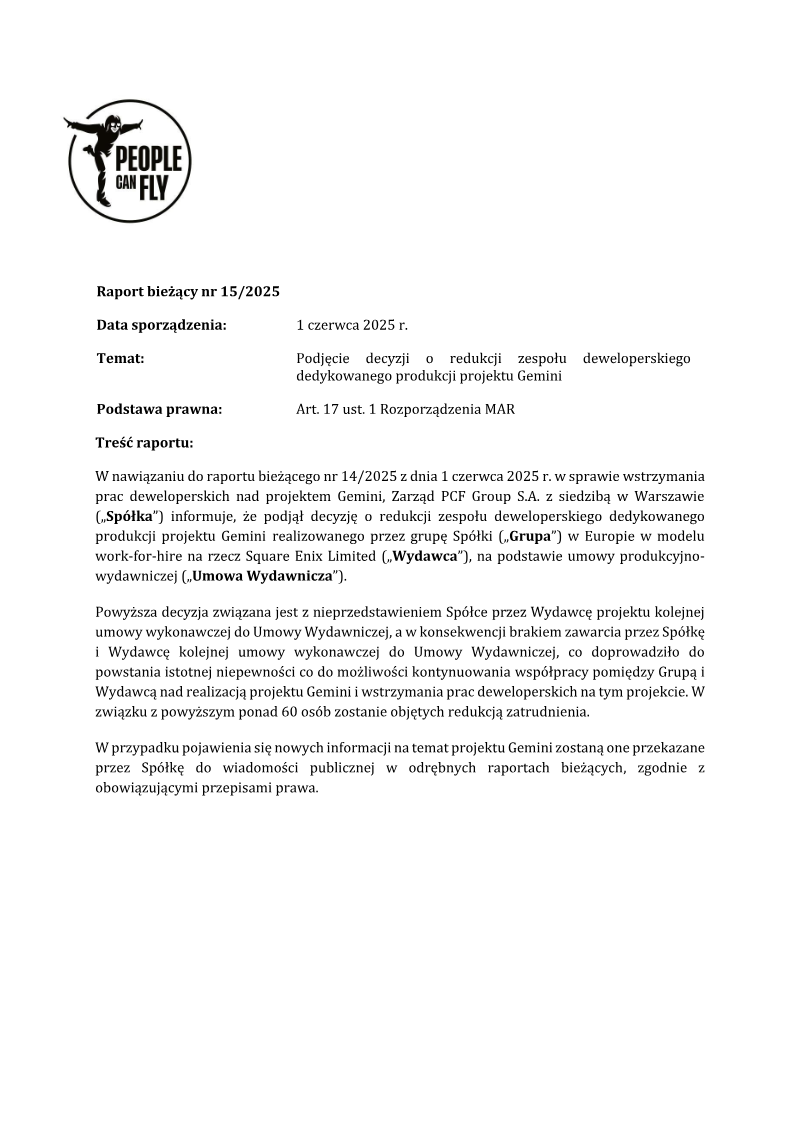
PCF Group · 2025
InGameJob · 2025
AEVI · 2025
Polish Agency for Enterprise Development · 2025
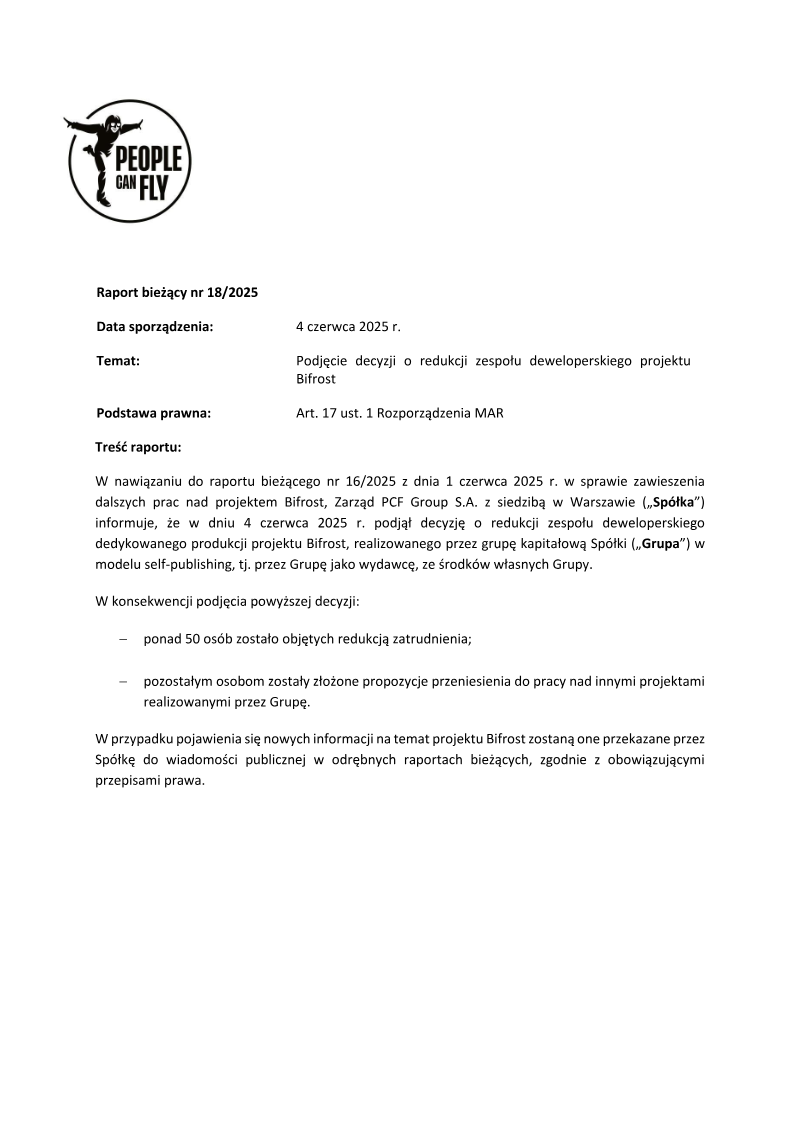
PCF Group · 2025
Comments