This analysis examines the recent resurgence of Supercell, a mobile gaming giant that faced significant stagnation between 2022 and 2023. After experiencing a 50% drop in weekly downloads and a revenue decline to $2–4 million per week during that period, the company successfully pivoted in 2024. The findings highlight a dramatic recovery for Brawl Stars, which saw its monthly active users grow by 2.4x and revenue increase by 8.8x between June 2023 and February 2024.
The primary thesis suggests that Supercell’s "comeback" resulted from a willingness to challenge internal assumptions and move beyond an organizational echo chamber. A critical turning point was the realization that removing loot boxes had negatively impacted player enjoyment. To rectify this, the developer introduced Starr Drops, a system that reintroduced randomized rewards and gacha elements to drive engagement. Other successful tactics included adding incremental gameplay features like "Hypercharges" to incentivize character progression and implementing social mechanics such as win streaks and community-wide challenges.
The scope of this analysis covers Supercell’s global portfolio—including Clash of Clans, Clash Royale, and Brawl Stars—with specific data points regarding the impact of exiting the Russian market, which previously accounted for $161 million in revenue. Methodologically, the insights are drawn from executive presentations at the 2024 Game Developers Conference, Sensor Tower market data, and observations of the company’s shifting user acquisition (UA) strategies.
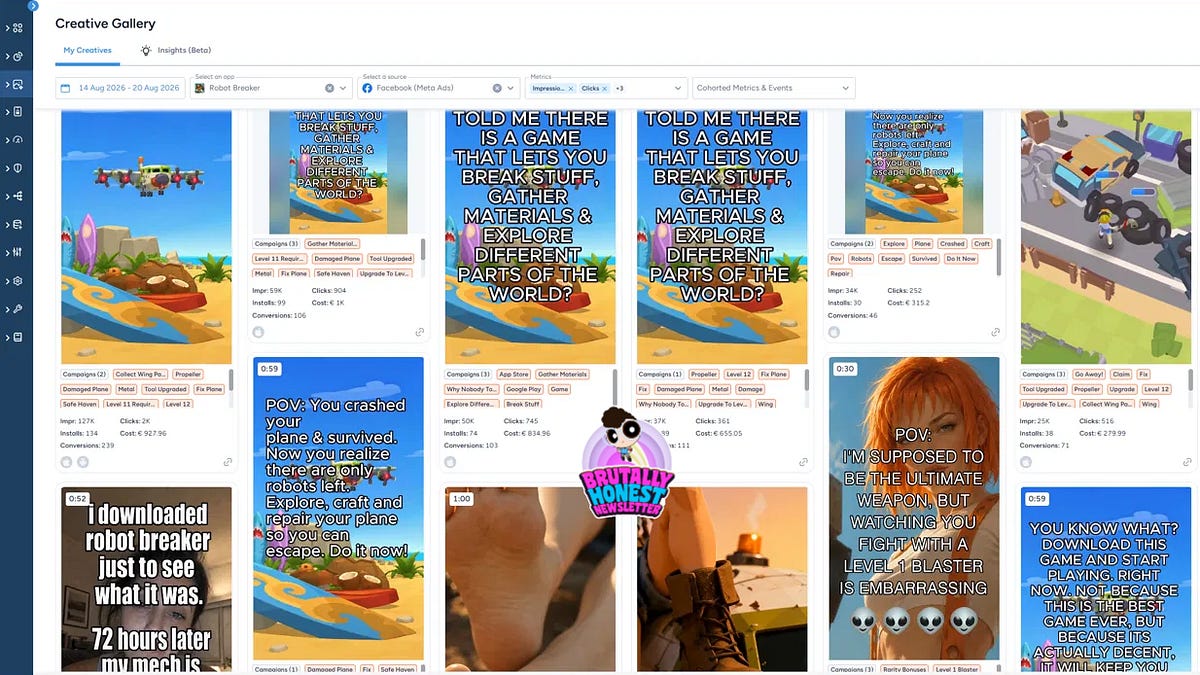
Strategic hiring and operational restructuring also played a vital role in this transition. By recruiting veteran talent from Riot Games and Blizzard, Supercell refreshed its creative leadership and adopted a "Scaleup" model. This approach treats game teams as startups with creative freedom but limited budgets, ensuring that underperforming titles are canceled early while successful ones receive aggressive UA support. Ultimately, the findings indicate that Supercell has moved away from a brand-only marketing approach toward a diversified strategy involving story-driven creatives, playables, and strategic partnerships.