1 free read left. Create a free account for unlimited reading + AI research.
Create free accountWhitepaper European Conference on Games Based Learning (ECGBL)
1 free read left. Create a free account for unlimited reading + AI research.
Create free accountWhitepaperEuropean Conference on Games Based Learning (ECGBL)
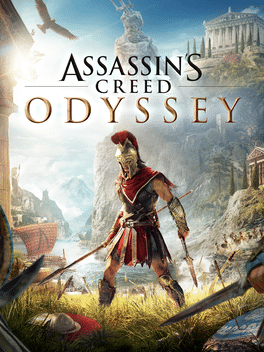
This study examines whether exploration of Assassin's Creed Odyssey's Discovery Mode can teach Ancient Greek architecture more effectively than text-based instruction. Twenty participants without design training were divided into two groups of ten: an experimental group that explored three architectural features within the game, and a control group that read a transcript of the same in-game narration. Learning was assessed through post-tests comprising nine theory questions and twenty spatial questions, with the central aim of determining whether immersive, game-based exploration improves retention of architectural details and spatial understanding relative to text.
The experimental group recorded consistently high spatial comprehension scores, ranging from 80 to 100 percent, along with solid theoretical performance of 60 to 90 percent. The text-based group performed strongly on theory, at 70 to 90 percent, but its spatial results varied widely, from 40 to 100 percent. The authors interpret these patterns as evidence that interactive, immersive environments offer a clear advantage for spatial understanding and produce more uniform outcomes across learners. These conclusions rest on descriptive comparison of accuracy rates rather than formal statistical testing, a limitation that bounds how firmly the findings can be generalized.
The authors attribute the game's benefits to its contextual and visual cues, which appear to support both spatial learning and retention of factual content, as well as to heightened engagement and motivation. They note that some text-based participants nonetheless built spatial mental models, though less consistently. Based on these results, they recommend integrating game-based and experiential methods alongside text-based instruction in architectural education, and they call for future research on long-term retention, varied forms of interactivity, and application to other spatial domains.
Each row is a game or company this document names, each column a document, oldest first. A mark means that document names it. Select a row to see those documents.
European Conference on Games Based Learning (ECGBL) · 2026
European Conference on Games Based Learning (ECGBL) · 2026
European Conference on Games Based Learning (ECGBL) · 2026
European Conference on Games Based Learning (ECGBL) · 2026
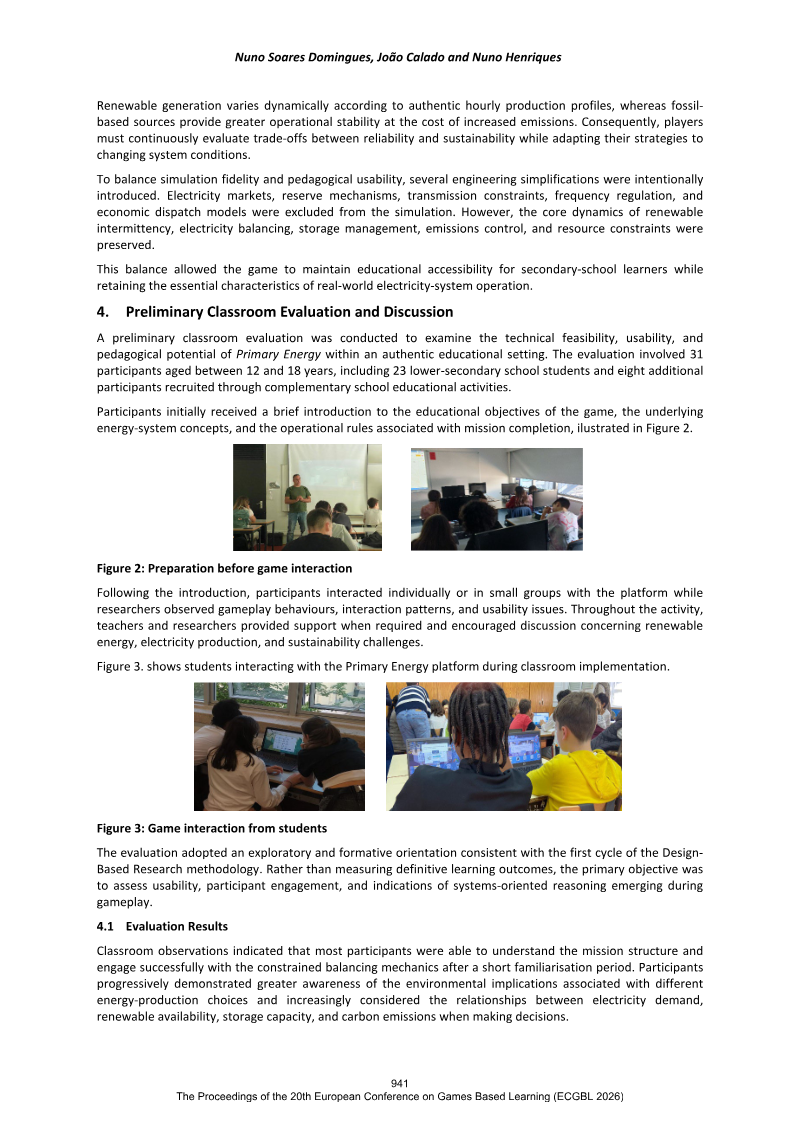
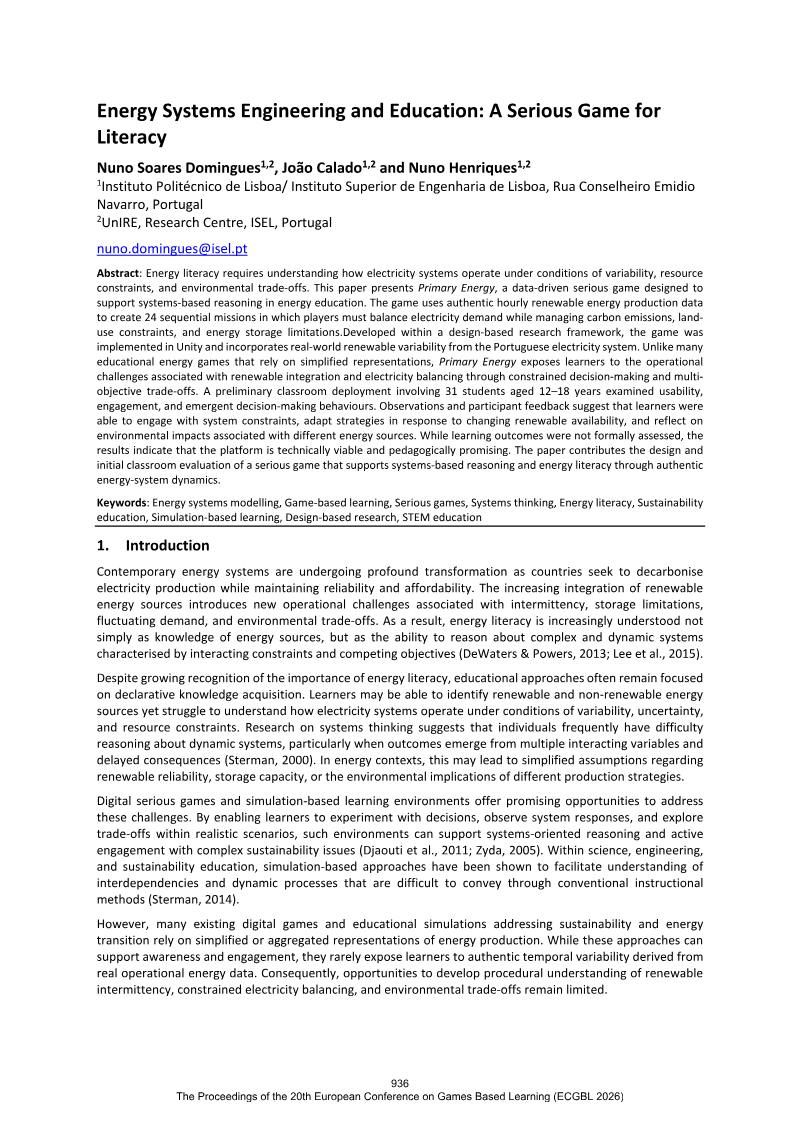
European Conference on Games Based Learning (ECGBL) · 2026
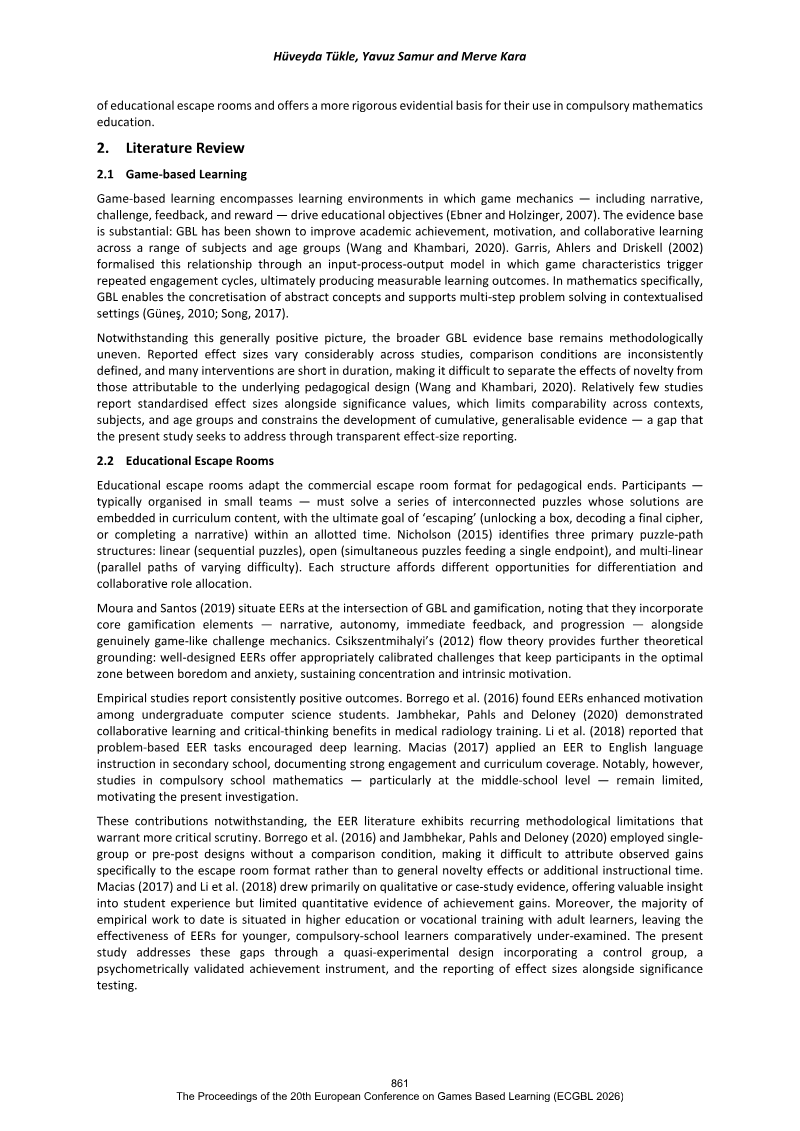
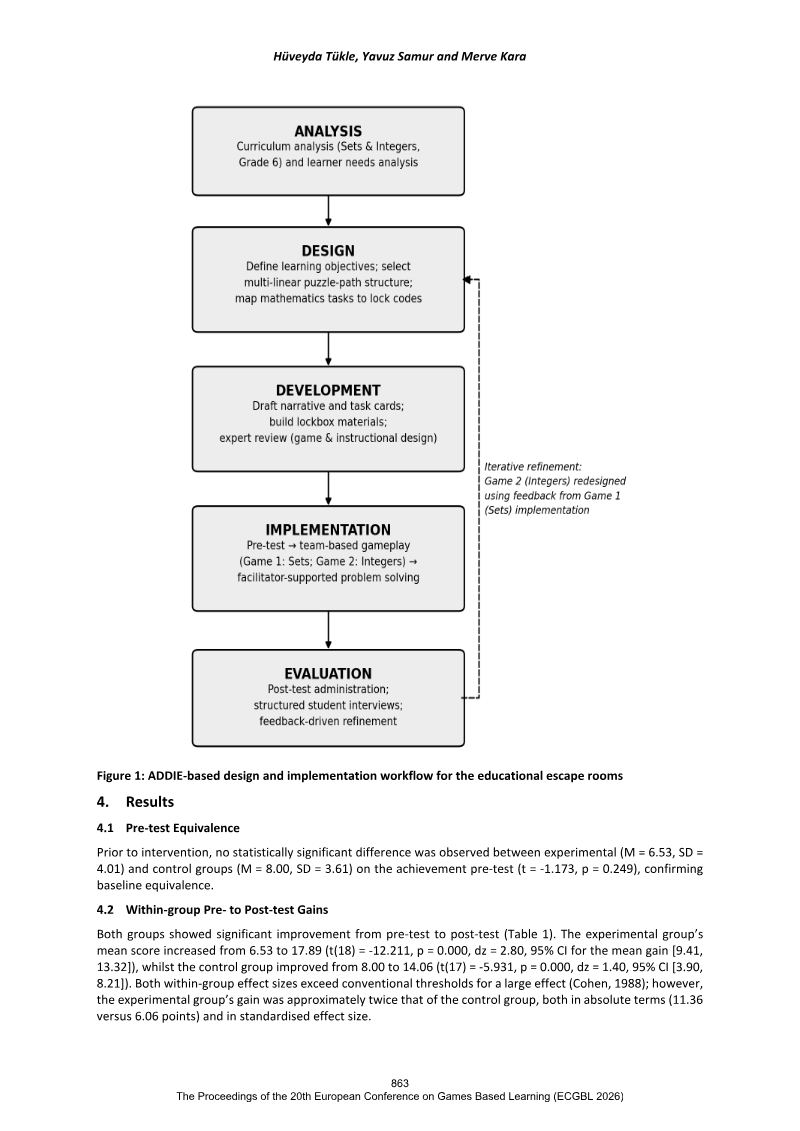
European Conference on Games Based Learning (ECGBL) · 2026
European Conference on Games Based Learning (ECGBL) · 2026
European Conference on Games Based Learning (ECGBL) · 2026
European Conference on Games Based Learning (ECGBL) · 2026
European Conference on Games Based Learning (ECGBL) · 2026
European Conference on Games Based Learning (ECGBL) · 2026
European Conference on Games Based Learning (ECGBL) · 2026
European Conference on Games Based Learning (ECGBL) · 2026
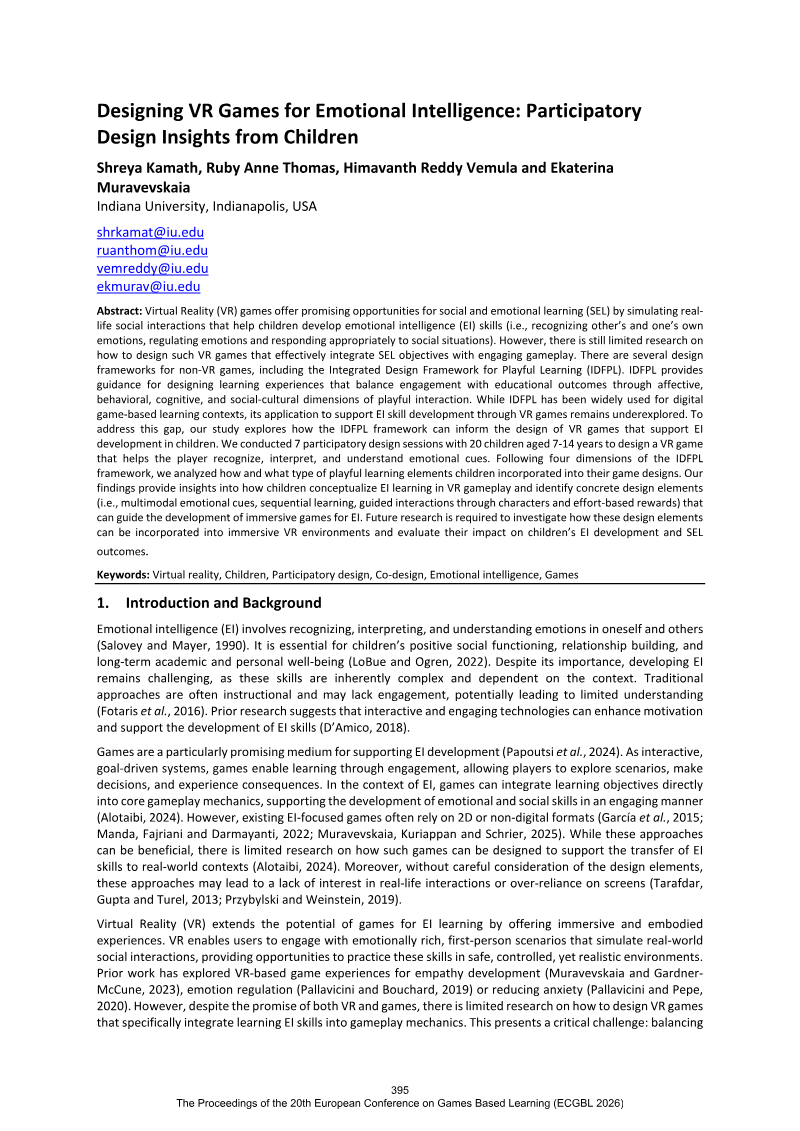
European Conference on Games Based Learning (ECGBL) · 2026
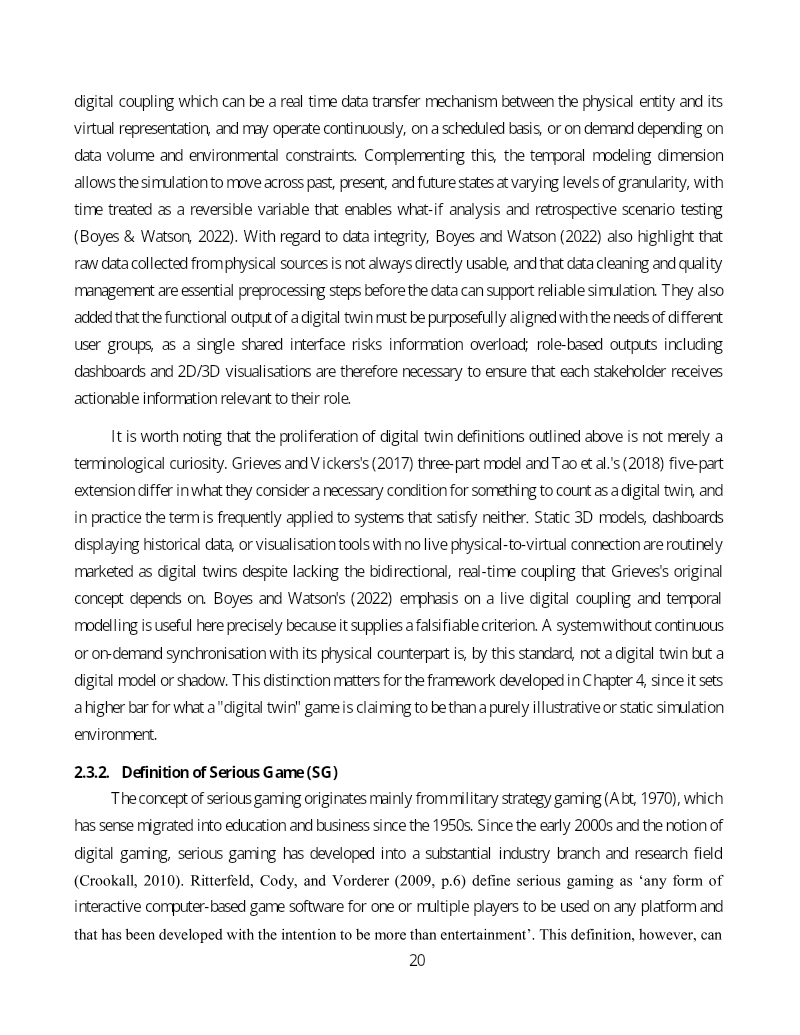
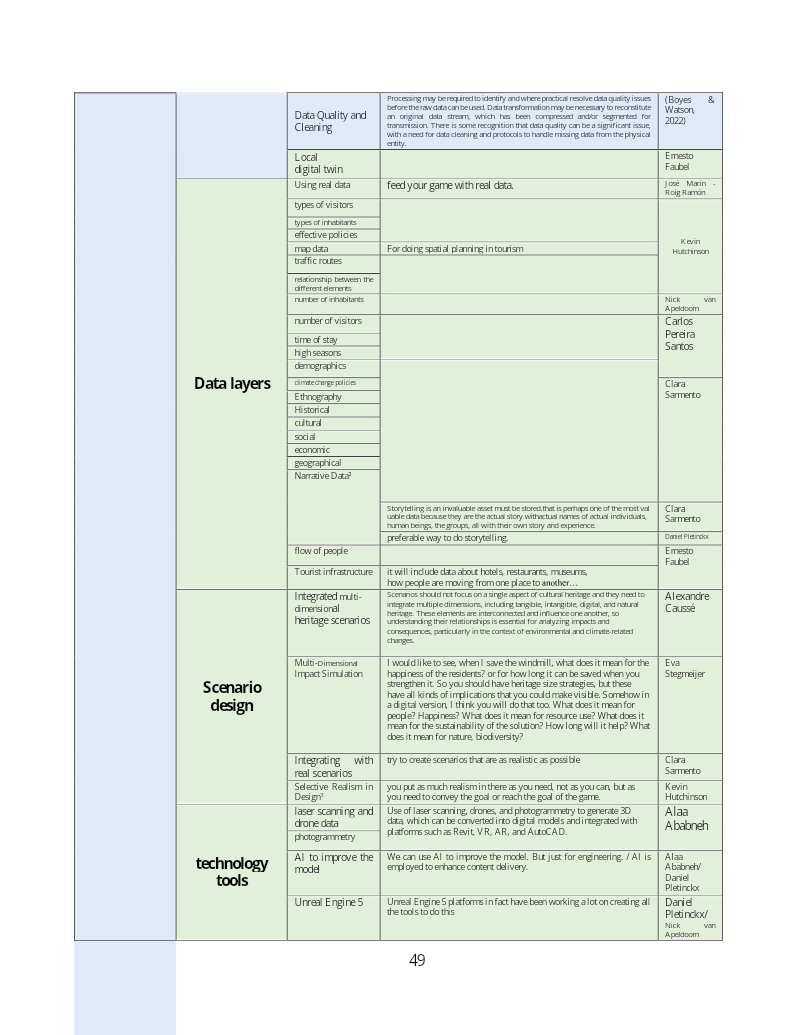
Breda University of Applied Sciences · 2026