1 free read left. Create a free account for unlimited reading + AI research.
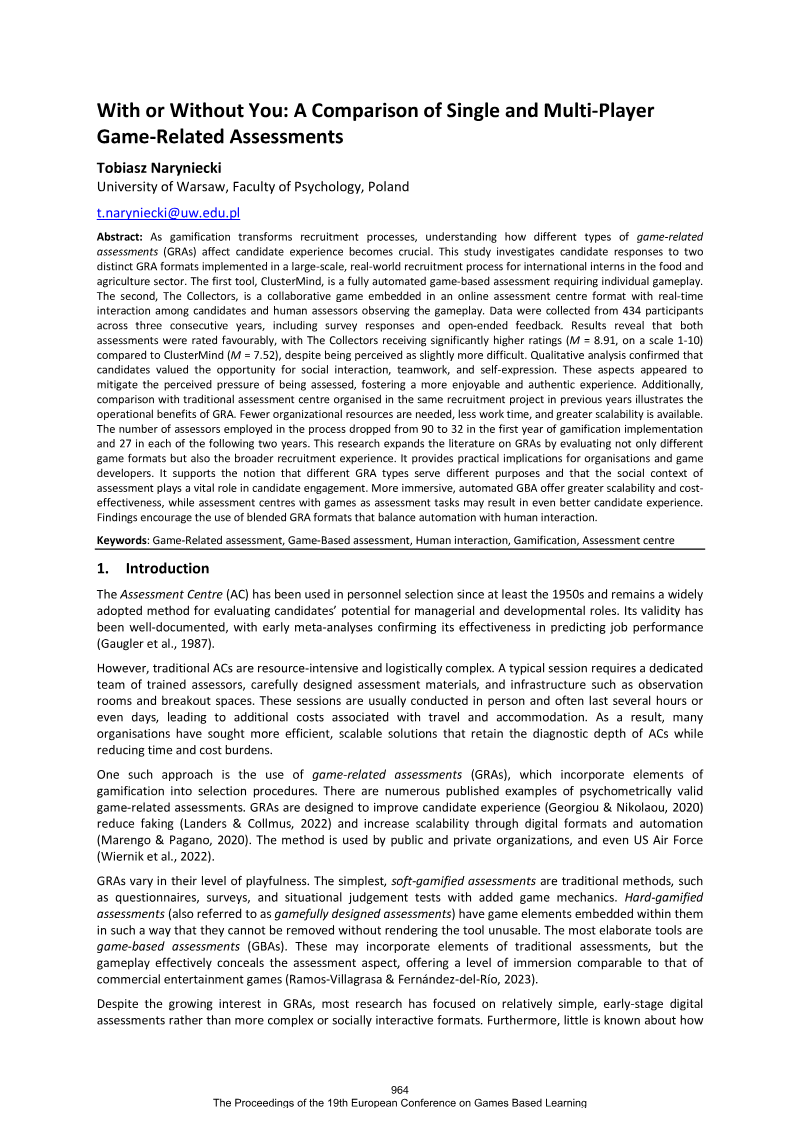
Create free accountWhitepaper European Conference on Games Based Learning (ECGBL)
1 free read left. Create a free account for unlimited reading + AI research.
Create free accountWhitepaperEuropean Conference on Games Based Learning (ECGBL)
Players resolve challenges on a fictional island through character dialogue and mini-games. The app is designed to foster argumentation and informed decision-making about energy sources in science education.
This paper presents the design and preliminary evaluation of Energy Island, a conversational adventure mobile application for Android intended to foster argumentation and informed decision-making about energy sources in science education. The game places players on a fictional island with scenarios such as a school, town hall, research center, market, bank, and recycling point, where they resolve challenges through character dialogue and mini-games. These challenges span water conservation, nuclear plant decisions, photovoltaic panel recycling, and respiratory health linked to pollution, culminating in a choice among wind, solar, nuclear, hydroelectric, biomass, and natural gas energy. The authors frame energy as a socio-scientific issue that requires citizens to reason through values and evidence, and they argue that narrative-driven games can increase motivation and support conceptual learning.
The application was developed by a small team using Unity and C#, with PHP handling storage of learner outcomes, and was tested with 29 preservice secondary teachers at the University of Málaga, most of whom held engineering or technical backgrounds. Participants used the game over roughly two weeks as part of a semester-long course and then completed a 26-item usability and satisfaction questionnaire on a five-point Likert scale, along with a 0 to 10 overall rating and an optional open-ended comment. Reported results were mixed: the average overall rating was 4.79 out of 10, with 62% of participants rating it between five and eight, while most respondents did not find the game exhausting, did not feel panicked, and did not perceive slow response times. Open-ended feedback focused mainly on interface issues such as small fonts and menu design, along with requests for additional hints and restart options in mini-games.
The authors conclude that the application was generally well received and easy to use but needs additional support resources to maximize pedagogical value. The study is limited by its small, homogeneous sample of future teachers rather than secondary students, and by its reliance on self-reported perceptions rather than measured learning outcomes. The authors state that analysis of energy-related learning gains and testing with secondary students are planned next steps.
Each row is a game or company this document names, each column a document, oldest first. A mark means that document names it. Select a row to see those documents.

European Conference on Games Based Learning (ECGBL) · 2026



European Conference on Games Based Learning (ECGBL) · 2026

European Conference on Games Based Learning (ECGBL) · 2026



European Conference on Games Based Learning (ECGBL) · 2026



European Conference on Games Based Learning (ECGBL) · 2026



European Conference on Games Based Learning (ECGBL) · 2026



European Conference on Games Based Learning (ECGBL) · 2026



European Conference on Games Based Learning (ECGBL) · 2026



European Conference on Games Based Learning (ECGBL) · 2026



European Conference on Games Based Learning (ECGBL) · 2026



European Conference on Games Based Learning (ECGBL) · 2026



European Conference on Games Based Learning (ECGBL) · 2026



Breda University of Applied Sciences · 2026
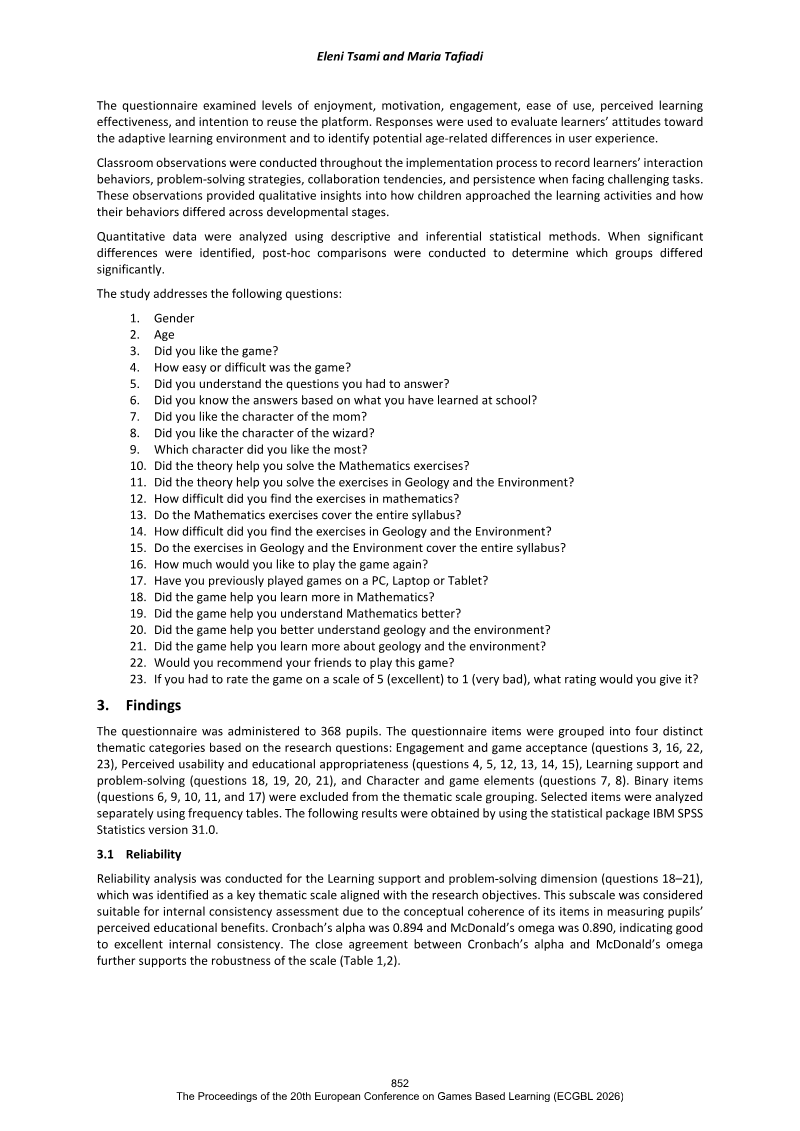
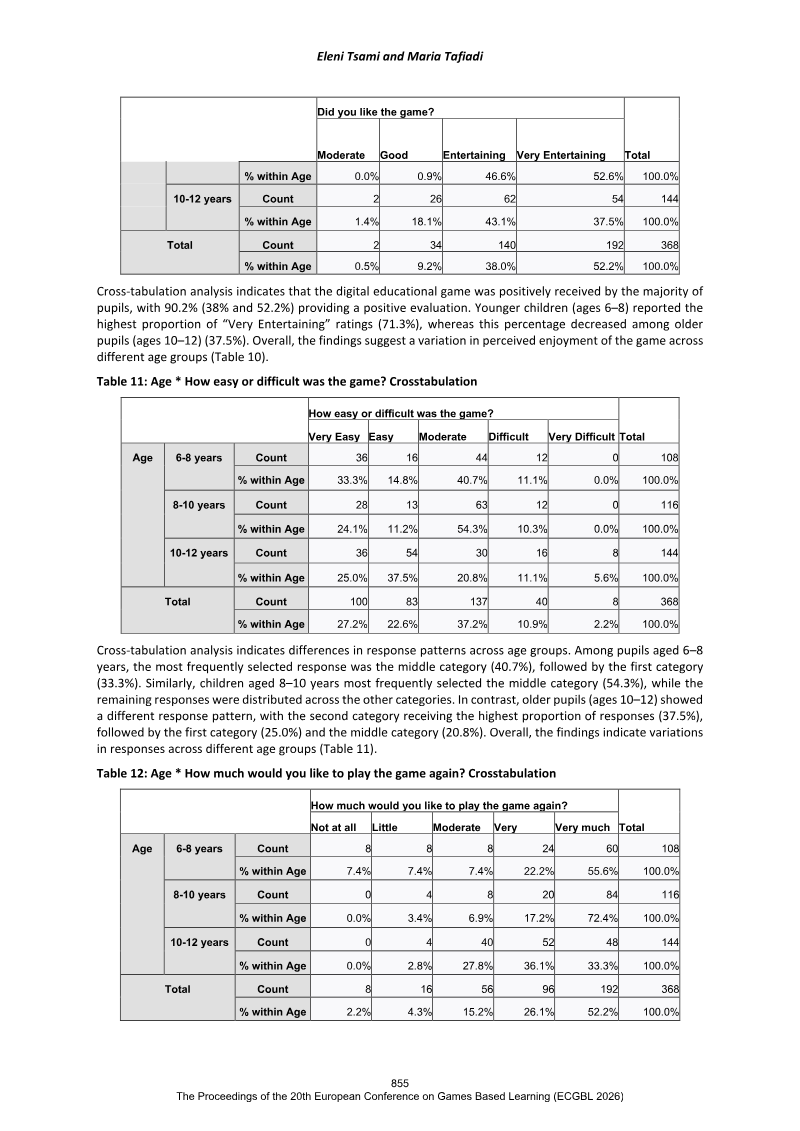
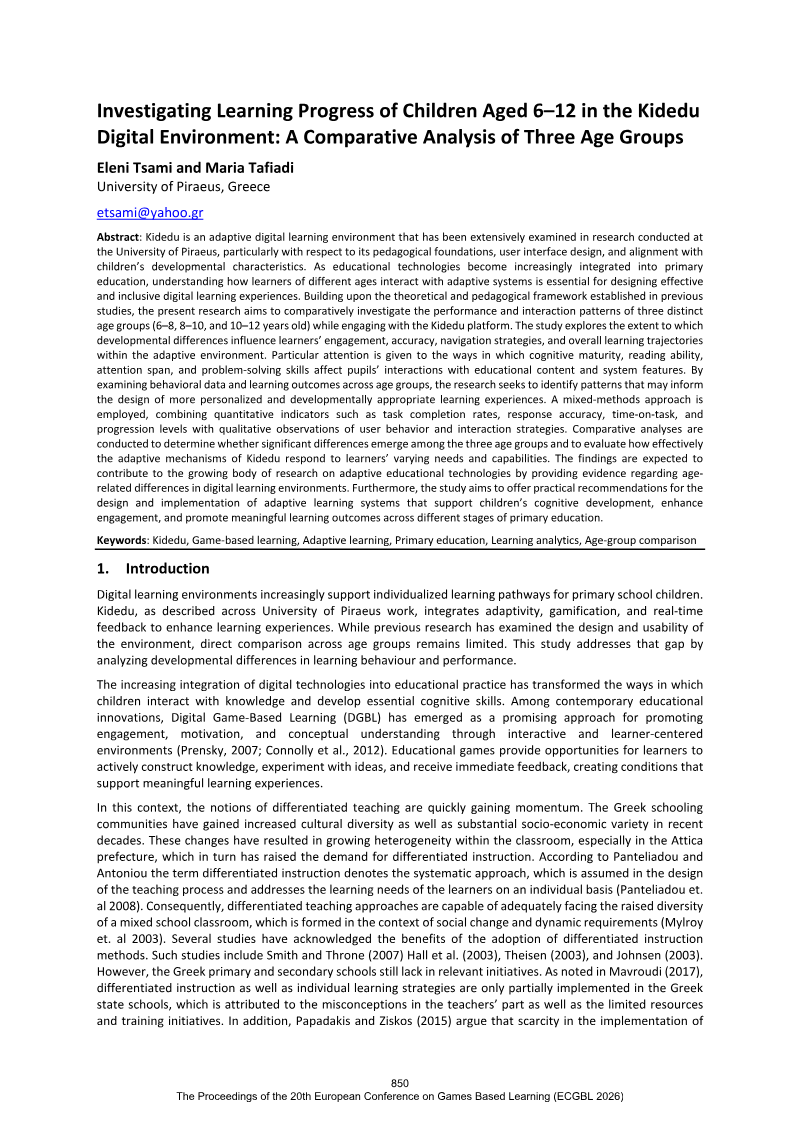
European Conference on Games Based Learning (ECGBL) · 2026



European Conference on Games Based Learning (ECGBL) · 2026