1 free read left. Create a free account for unlimited reading + AI research.
Create free account
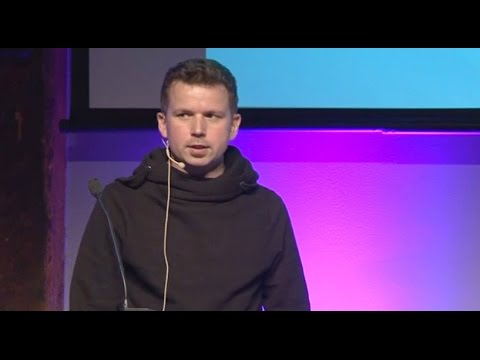
Boomlagoon's Tuomas Erikoinen talks character driven games and user retention
Key insights
7 takeaways- 01Prioritizing character-driven design over purely functional mechanics fosters deeper emotional connections, which serves as a strategic framework for increasing long-term user retention.
- 02Limiting the primary cast to a maximum of five characters ensures player recognition and allows for the development of distinct, memorable traits.
- 03Side characters must be designed with discretion to ensure they support the primary cast rather than distracting from the core narrative focus.
- 04Visual progression mechanics, such as evolving character designs and integrated storytelling, are essential for maintaining player interest beyond the core game loop.
- 05Establishing a consistent art style early in the production cycle is critical to avoiding technical debt and maintaining product quality throughout development.
- 06To optimize production, creative artists should focus on world-building while designers act as intermediaries to translate artistic visions into technical requirements for programmers.
- 07Character-driven design facilitates brand expansion into broader product families, transforming individual mobile titles into sustainable, long-term franchises.
Ask AI about this video
Transcript
uh so hello everyone my name is thasan I'm the founder and creative lead in boom Lagoon uh my today's topic is designing character driven games but before I go into the subject I'd like to give you a short introduction of myself so that's a me uh uh I started my career in 2006 in a in a Finnish gaming startup called pixel Gene which was quite soon after I joined it was acquired by roio and in roio I worked as the lead artist on a number of different Java Games and the bounce titles from Nokia if anyone recalls the red ball with ice and the massively successful angry birst and after AIO we founded boom Lagoon with Auntie Sten and ilka halila in 2012 and we released our first game Noble nut Lings in early 2013 and we are now later this year going to release our next game monzu in boom Lagoon we are focused on creating engaging character titles that
are fun to play with friends and that is pretty much the topic of what I'd like to discuss today so why character G design uh I tend to break this into three different kind of perspectives first one being the consumer perspective so the the characters and the world and the story behind them are something that the players can connect with on a deeper level and they're also something that the users find easy to Rel lay to and once we are able to establish this connection or a bond between the players and the characters they almost automatically then want to experience the whole story and the the story evolve and unfold and this also allows us to build build brands that engage and retain the user beyond the core game mechanics um mobile games today are still a bit limited as vehicles to storytelling and the characters
basically uh provide us with a or with tools that we can connect with the audience through different channels and different Medias and from the organizational perspective uh once we are able to successfully establish this cool consistent world of the characters it creates this shared Vision within the company and especially within the development team that makes our day-to-day life easier so that we have a common goal which then results into a more consistent product and from business perspective uh the characters kind of enable or allow us to think about different uh monetization methods beyond the individual games to other other digital products but also non-digital products so how do we then do the character d game design if you look at the more or less typical game design
approach it starts out with the uh some idea of the basic blocks of the game mechanics possibly some sort of a prototype of your game and once that feels good you start to think about the different monetization retention and social mechanics that you can put there and somewhere in the pipeline comes the the characters and this whole all these three different elements make the whole game concept and sometimes this can work really well but sometimes the different components especially the characters may feel a bit Loosely attached from from the game itself and this is what we've been we've been kind of trying to turn around uh so our approach starts from the world and the characters and this basically works as a separate track from from coming up with the game mechanic ideas and once we are able to find a character and a world that we feel is
globally appealing we start to dig in to those game mechanic ideas that we have and kind of merge these into a more more character driven game and in the pipeline of course comes the same free-to-play mechanics and this whole approach basically uh allows us to make the make the game more consistent to the to the end user but it also enables us to think about creating product families Beyond those individual games and here are some kind of like guidelines or tips and tricks that I I try to keep in mind when thinking about the characters and these are my personal opinions so you might not agree with all of them but here goes uh so with the characters you probably don't want to have more than five leading characters in your game since that seems to be a number that if you go on over that number people don't anymore remember remember all the
leading characters and the characters may not feel anymore less as leading characters again personal opinion but when thinking about the characters I tend to make them over to top somehow what whatever makes them stand out whether it's the proportions of the characters or they don't have any limbs or legs or whatever just ex exaggerated and the side characters then uh should be kept discreet because after all they are there to support deleting characters and not the other way around and when when thinking about the world and the story beforehand before going into the production of single games uh it's good to have in mind that world should and could become something bigger than the individual game so whether whether you're looking to make a product family out of the world or or a brand or whatever it is and the world also provides you with kind or provides you with tools and mechanics for your game to make a visual
progression mechanic in your game and I I tend to think that if you if you can make the the progression mechanics very visual whether it's like a rich storyline or evolving characters or or some collection or whatever it is it creates a a better connection with the player and feels more Progressive and basically from the production point of view so when I'm thinking about the art style it should be thought out thought out before going into the into the production so I tend to look at it first from the target audience's perspective so basically if we are doing a game to Japan for kids I probably want to go with some cute anime stuff but if we're doing a game for the Western World and hardcore Gamers should be more realistic and Etc and deciding that art style beforehand is also very important because it
heavily affects the development times in your in your game so if if you are to change your art style in the in the middle of your production it either means that your product is not going to translate into a consistent product or you have to put everything into your trash bin and make everything from scratch and nobody wants that and this is kind of through my recent learnings in boom Lagoon that that the most creative artist the the artists who are who create the best looking characters and best looking worlds are the ones that do not necessarily know that much about the technical aspect of creating games and therefore it's best to keep these persons separate from the from the from the technical aspect uh by having some sort of a middleman middleman in between or if it's possible it's best if if it can be the designer who kind of transl the R2 the game for the
programmers um to summarize the character driven design so basically gives us strong characters and strong story which builds interest and affection which translates into bit better engagement and better retention and they also provide a more consistent Vision within the company so that we have a clear goal in mind and all the products feel consistent from from game to game and it also enables us to think about different opportunities over those single games two product families franchises branding whatever it is and I guess I still have six minutes left but I was supposed to only have 10 but here goes uh uh so I'd like to end the talk then with the title art of our upcoming game monzu as you can see it's very character driven the green guy is the main characters and then B bunch of Side characters on the side and if you have a
finished Apple ID you can already go download it from the IOS app store but if not then you'll just have to wait for a bit and see uh that's it thank you [Applause]
Summary
Character-driven game design serves as a strategic framework for enhancing user retention and brand development in the mobile gaming industry. By prioritizing the creation of a cohesive world and distinct, relatable characters before finalizing core mechanics, developers can foster a deeper emotional connection with players. This approach shifts the focus from purely functional gameplay to narrative-based engagement, which encourages players to return to the game to see how the story unfolds. Beyond player retention, this methodology provides organizational benefits, such as establishing a shared vision for development teams and creating opportunities for long-term brand expansion into digital and non-digital product families.
The design process emphasizes several key principles to ensure effectiveness. Leading characters should be limited to five to maintain player recognition, and their designs should feature exaggerated, memorable traits. Conversely, side characters must remain discreet to ensure they support rather than distract from the primary cast. Visual progression mechanics, such as evolving character designs or rich storytelling, are essential for maintaining player interest. Furthermore, establishing a consistent art style early in the production cycle is critical, as mid-development changes can lead to significant technical debt or inconsistent product quality.
To optimize production, it is recommended that creative artists focus on character and world-building while designers act as intermediaries to translate these artistic visions into technical requirements for programmers. This separation of roles allows artists to focus on aesthetic appeal while ensuring the game remains technically viable. Ultimately, character-driven design transforms individual titles into broader franchises, providing a sustainable competitive edge in a crowded mobile market by building lasting affection and engagement that transcends basic game loops.













Comments