1 free read left. Create a free account for unlimited reading + AI research.
Create free account
Biz Daily: Can Gacha, Fusion and Collection work in the west?

Key insights
5 takeaways- 01The global mobile gaming industry could see revenue increase tenfold by adopting Japanese-centric engagement models that prioritize collection, randomization, and fusion over traditional skill-based progression.
- 02Western mobile development is currently in a state of pre-peak growth, lagging behind the Japanese market's superior revenue per user metrics.
- 03Unlike Western titles that emphasize player-driven skill improvement, these Asian-centric models create a persistent loop where game value is tied to the acquisition and management of digital assets.
- 04The core strategy for growth relies on three pillars: Gacha for randomized monetization, collection for inventory depth, and fusion for asset management and power progression.
- 05While Western developers have begun experimenting with card-based collection games, they have yet to achieve the depth or scale of engagement refined by the Japanese market over years of evolution.
Ask AI about this video
Transcript
hello and welcome to Biz daily I'm John Jordan so early this week we've been down to the develop Brighton conference which is one of the longest running uh UK um kind of game development uh conferences um and for the first day of that conference they have what they call their evolved day and that's kind of uh people talking about I guess the the more kind of Cutting Edge kind of uh platform so a lot of that this year was looking at stuff like VR and AR um and things like user generated content um but but a decent slice as was was looking about mobile games of course there is the argument that mobile games are perhaps um now kind of a a major part of the industry giving that lots of people think uh MoneyWise they're going to take over for they going to be as bigger than console games globally this year but anyway that's by the B so what was kind of interesting um was a of speakers were
kind of talking about the same thing so the keynote speaker was Neil Young so Neil Young is quite well known in the industry in the mobile industry he used to work at EA um but then set up NG Moko that was one of the um the first kind of pure kind of mobile developers well funded out of San Francisco which was then bought by DNA um and then Neil became kind of CEO of DNA in the west um so he knows the the mobile scene very well he knows the Apple bu very well um they made some very high-end games and they were on a first companies to go free to play as well and which is partly why D bought them um so he's been out the industry for for a couple of years and now he's kind of come back in with got a new company called Network and he was talking about um Peak mobile so this is kind of concept we've we've seen um heard a lot about in terms of oil so there's a Conant peak oil which is when there's um the point at which the the most kind of oil oil pumped out the ground will start to decline because it's a limited resource so they say and there's lots of discussion when PE was going to happen lot people thought it
was going to happen and um clearly stuff like um kind of sh oil and fracking all that kind of stuff has very much um kind of overtaken the Nays PE still may happen at some point presumably historically um and Neil's taking this idea and bring it to Mobile so basically the idea is that at some point in the mobile games industry the revenue generated from mobile games will will Peak um clearly we not at that stage yet that was his argument um but his um kind of I guess the the interesting part of his argument was um he thinks the market can grow 10 times um so that's a pretty big kind of upside maybe he exaggerating for effect um but certainly um on on most bases people think it can certainly double probably get a bit bigger but what was interesting from what Neil say was he says the only Market he thinks in in in the world which which is kind of a mature Market which is say a peak Market it's Japanese market so the Japanese Mobile Market has been big for a long time um it smartphones were more like
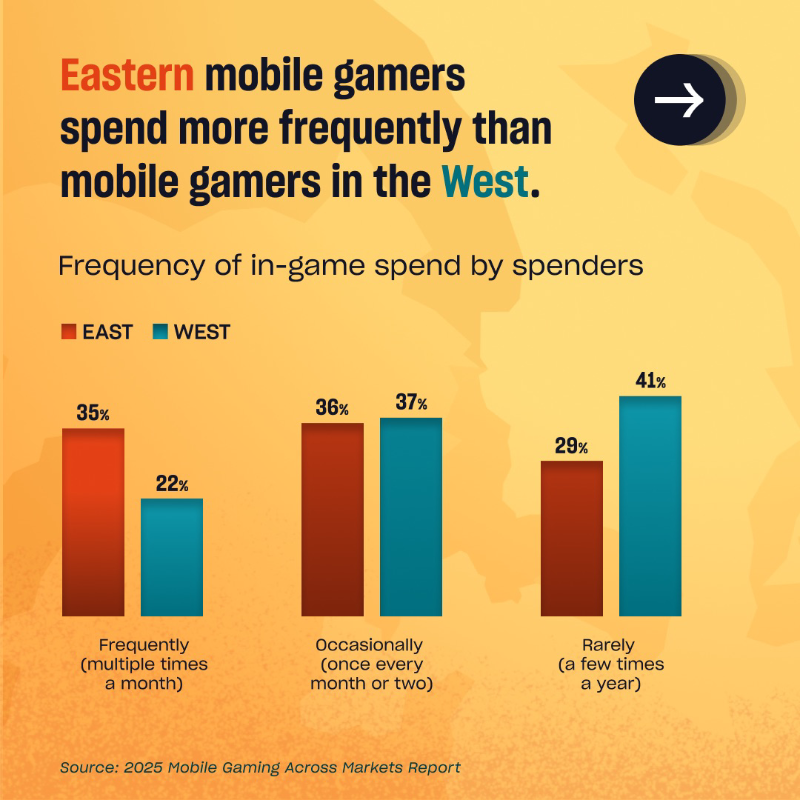
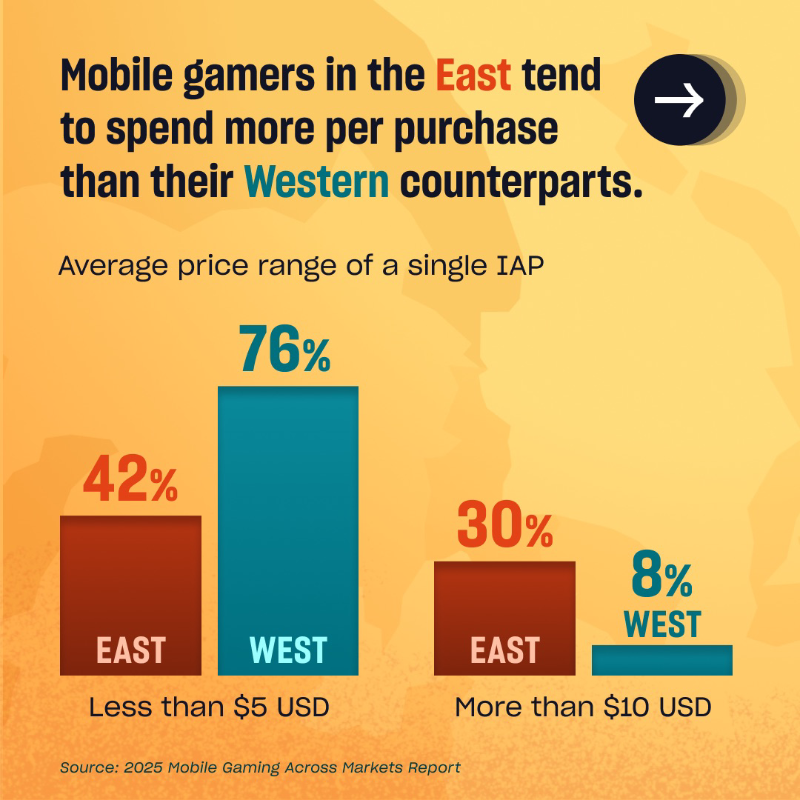
feature phones were more like smartphones really um and even when when smart phones came in um the revenue generated per person playing games went out considerably and that's why Japan is still although a relatively small country um is is the most lucrative and the largest mobile games Market um in the world um it probably a take by China at some point but at the moment you know Neil's argument is that um the kind of Revenue per person that we see in the in in Japan that that will start to spread to other countries so you kind of see a little bit in Korea Korea is a very strong Market from a very small population um so um and while that's kind of I guess kind of sociologically interesting and kind of makes sense I guess that this the way people spend money in Japan shouldn't really be necessarily any different to how we spend money in the west um what's kind of interesting was something uh is kind of how that happen so the argument um from from from that keyote and from other talks as well is that the Japanese kind of focused and
actually all the Asian markets have make make free toplay games very differently to how we make them in the west so in the west we've grown up with playing PC and console games they've be very much focused on skill based progression so we start the game off we're not very good and we don't have very good kind of items or weapons or or or characters or whatever um and as we kind of go through the game our items our weapons our characters get better particularly we actually get better at the thing we're doing so if we're um kind of using strategy our strategy kind of improves if we're doing a first person shooter the way we move and with with the kind of Weaponry improves that's always been how games have been in the West in Asia that is not really how things happen there is a to degree a skill-based element but that's secondary to to a kind of a collection element and that's why card games have been so popular particularly in Japan but also throughout throughout um Asia and what um you young say another um speaker Harry holwood from um marvelous entertainment another they Japanese publisher um and runs the uh European
armor of that and what both they were both saying is the kind of collection element which is combined with a kind of GES a g is kind of a random randomized kind of um kind of offering of of these kind of if they're characters or um so you kind of get there random randomness involved you don't really know what you're going to get when when you kind of unlock a chest or or or open a open one of these card packs um and so that's exciting if you get a a rare card um and what's interesting is even if you get a weak card you can go for a fusion fusion process and then you can combine different cars together to to kind of level up so you have this kind of Randomness um this kind of use of kind of consumable use of of what you found whether it's good or bad and that leads into collection um most of them are saying this has been the key driver to Japanese uh mobile game Revenue growth um and both of them see that as a big opportunity for Western developers so I guess that's be the interesting thing to see we have seen seen card um kind of
Collection Games you know the last year start to get more popular in the west but we haven't seen them quite at the at the Japanese levels of kind of deep engaged collection with you know potentially thousands of of of characters more cards um so that would be the interesting thing to see whether that actually that mentality will kind of spread from Japan and Asia into markets in the west that have never really like gu say magic the Gathering but never really on on a wise on a wide uh wide scale kind of adopted that kind of mentality so that'll be something to look for in the uh in the coming year to see whether whether or how how far up kind of peak mobile we are whether the market just doubles or whether the market goes up 10 Vol we'll wait to see see you tomorrow
Summary
The global mobile gaming industry is currently at a critical juncture, with experts projecting significant growth potential by adopting mechanics that have long defined the Japanese market. While Western mobile development has historically prioritized skill-based progression—mirroring the design philosophies of PC and console gaming—the Japanese market has achieved superior revenue per user by centering gameplay around collection, randomization, and fusion mechanics. This shift suggests that the Western market, currently viewed as being in a state of pre-peak growth, could see substantial expansion if developers successfully integrate these Asian-centric engagement models.
The core of this strategy relies on three pillars: Gacha, which introduces randomized rewards to drive excitement and monetization; collection, which encourages players to amass large inventories of characters or items; and fusion, which allows players to combine weaker assets to improve their overall power. Unlike Western titles that focus on player-driven skill improvement, these mechanics create a persistent loop where the value of the game is tied to the acquisition and management of digital assets. Industry leaders argue that these systems are not merely cultural quirks but are highly effective drivers of long-term engagement and monetization that transcend regional preferences.
Although Western developers have begun experimenting with card-based collection games, they have yet to reach the depth or scale of engagement seen in Japan, where these mechanics have been refined over years of smartphone and feature-phone evolution. The industry is now closely watching whether Western audiences will fully embrace this mentality. If successful, the transition toward these deep collection-based systems could propel the mobile market far beyond current growth expectations, potentially increasing total industry revenue tenfold as these sophisticated engagement models become the global standard.