The game launched in 2018 and saw a slow start. Its massive global success arrived by 2020.
Early adoption in non-Western markets provided the foundation. The game later expanded into North America and Europe.
Early community cultivation on Discord provided a necessary foundation.
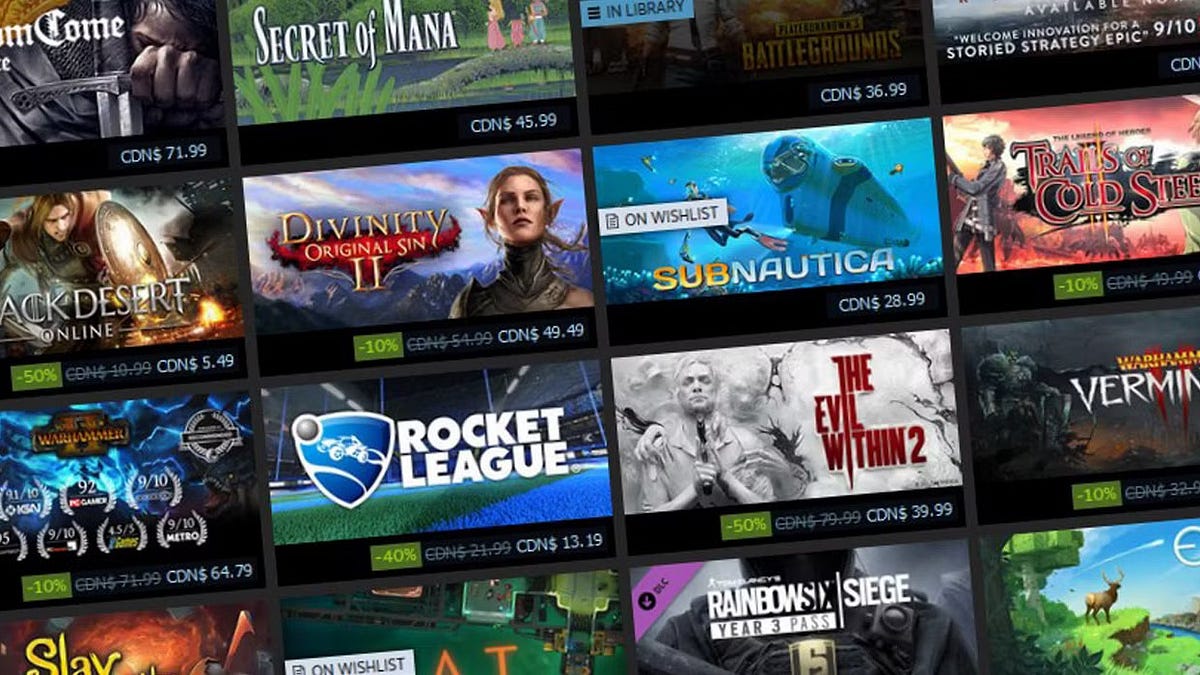
In early 2020, Steam featured the game in a daily deal. This increased its baseline sales and wishlist count.
High-profile Twitch streamers showcased the game's collaborative, social gameplay style.
The cross-platform strategy combined free mobile access with a paid PC version. Mobile platforms served as the primary revenue drivers through cosmetic in-app purchases.
The success of Among Us defies traditional industry expectations for multiplayer-only titles.
Industry lesson. Titles with modest beginnings can achieve global prominence when they provide a highly shareable, accessible, and engaging social experience.
The unexpected rise of the multiplayer party game Among Us serves as a case study in unconventional game discovery and long-term audience cultivation. Despite a slow start following its 2018 launch, the title achieved massive global success by 2020 through a combination of early adoption in non-Western markets, strategic platform features, and a viral explosion driven by Twitch streamers. The analysis highlights that the game’s success was not an overnight phenomenon but the result of sustained development, community engagement via Discord, and a cross-platform strategy that leveraged free mobile access alongside a paid PC version.
Key findings indicate that the game’s initial growth was fueled by players in Brazil, Korea, and the Middle East, with mobile platforms serving as the primary revenue drivers through cosmetic in-app purchases. Early visibility on itch.io and subsequent promotion by international YouTubers established a foundation that allowed the game to survive periods of low profitability. A pivotal turning point occurred in early 2020 when Steam featured the game in a daily deal, which significantly increased its baseline sales and wishlist count. This momentum was later amplified by high-profile Twitch streamers, whose collaborative, social gameplay style perfectly suited the game’s mechanics, leading to a massive surge in North American and European interest.
The analysis concludes that the success of Among Us defies traditional industry expectations for multiplayer-only titles. By prioritizing high player retention, frequent content updates, and a social-first design, the developers successfully navigated the challenges of the multiplayer market. The findings underscore the importance of patience and community-building, demonstrating that even titles with modest beginnings can achieve global prominence when they provide a highly shareable, accessible, and engaging social experience.
Comments