Key insights
5 slides
The problem
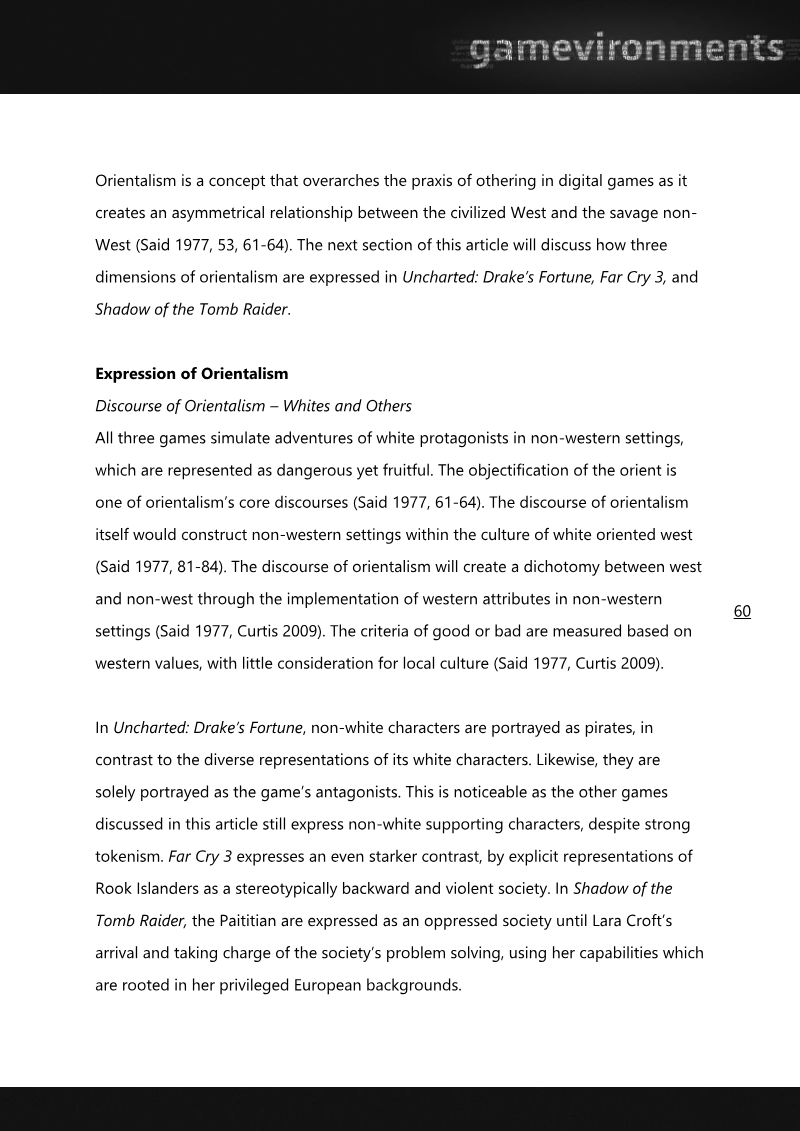
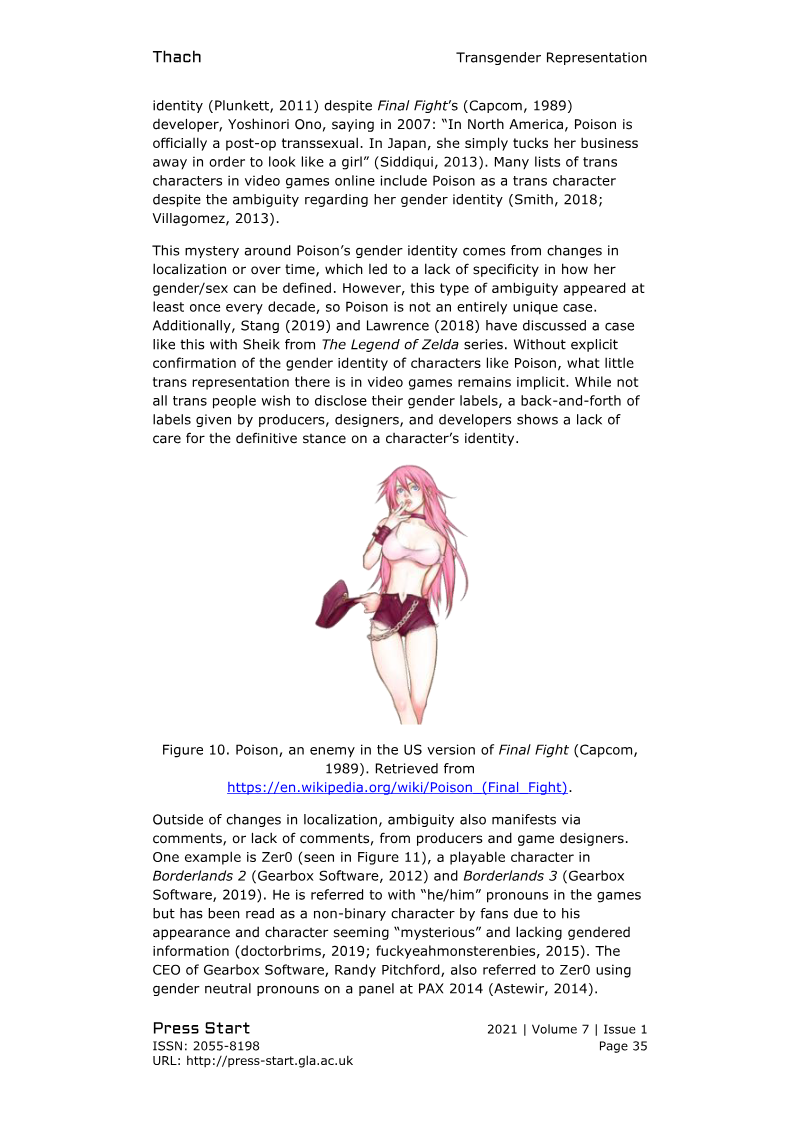
The video game industry uses 'color-blind' rhetoric to justify casting choices.
This approach frames the voice as a universal and neutral tool. It simultaneously privileges White sonic norms and meritocratic arguments.
Key issue. The industry's 'color-blind' rhetoric masks systemic racial inequality in voice acting.
1 / 5
- 01Digital blackface in video games refers to the practice of casting White voice actors to portray characters of color, a phenomenon that perpetuates racial stereotypes and limits professional opportunities for BIPOC actors.See it on page 16
- 02The industry relies on 'color-blind' rhetoric to justify casting choices, framing the voice as a 'universal' and neutral tool while simultaneously privileging White sonic norms and meritocratic arguments that ignore systemic racial inequality.See it on page 13
- 03Historical precedents in radio, such as the 1920s and 1930s, established a White supremacist standard for 'proper' elocution that excluded Black voices and normalized White male speech as the default, a legacy that continues to influence modern game development.See it on page 4
- 04Early gaming hardware, such as the 1980 Intellivoice peripheral, reinforced these biases by coding 'universal' speech as White and male, using technological constraints to marginalize diverse vocal representations.See it on page 7
- 05When BIPOC actors are hired, they are frequently pressured to perform stereotypical versions of their own racial identities to meet industry expectations of 'authenticity,' a practice rooted in the history of minstrelsy.See it on page 15
- 06The defense of controversial casting choices often centers on the 'talent' or 'merit' of the White actor, which functions as a political tool to obscure the exclusion of BIPOC talent from the industry.See it on page 14
Ask AI about this report
Summary
The video game industry frequently relies on a color-blind ideology that treats the human voice as a neutral, universal tool, a practice that effectively masks systemic racial inequality. By framing voice acting as an apolitical, meritocratic pursuit, developers normalize White, male-coded vocal performances as the industry standard. This reliance on historical White sonic norms—rooted in the legacy of radio and blackface minstrelsy—privileges White actors while marginalizing BIPOC talent. Consequently, the industry perpetuates a form of digital blackface, where the abstraction of the voice into digital code serves as a political alibi to obscure the exclusion of diverse performers.
These casting practices force BIPOC actors into a restrictive professional landscape where they must either adopt ethnically ambiguous personas or conform to harmful stereotypes to remain competitive. While White voices are perceived as flexible and neutral, marginalized performers are constrained by industry-imposed racial norms that dehumanize characters of color. This dynamic reinforces a hierarchy of aurality that treats White performance as the default, while simultaneously delegitimizing the specific cultural contributions of non-White actors.
Ultimately, the industry’s focus on intent over the impact of performance serves to maintain existing racial hierarchies. By dismissing these issues as unintentional or overly complex, developers avoid addressing the systemic nature of their casting choices. To move forward, the industry must recognize that the normalization of White sonic standards is a modern continuation of historical minstrelsy. Addressing these disparities requires a fundamental shift away from the myth of vocal universality toward a more equitable recognition of how race and identity are inextricably linked to the act of performance in digital spaces.