Games and companies in this document
More from Homo Ludens
View all
Whitepaper
Co Jest Źródłem Satysfakcji Gracza? O Kluczowej Roli Wymiany Autystycznej w Grach Komputerowych
Homo Ludens · 2019
Article
Glitch as the Representation of the Uncanny in Oxenfree
Homo Ludens · 2019
Article
From Symbolism to Realism: Physical and Imaginary Video Game Spaces in Historical Aspects
Homo Ludens · 2019
Whitepaper
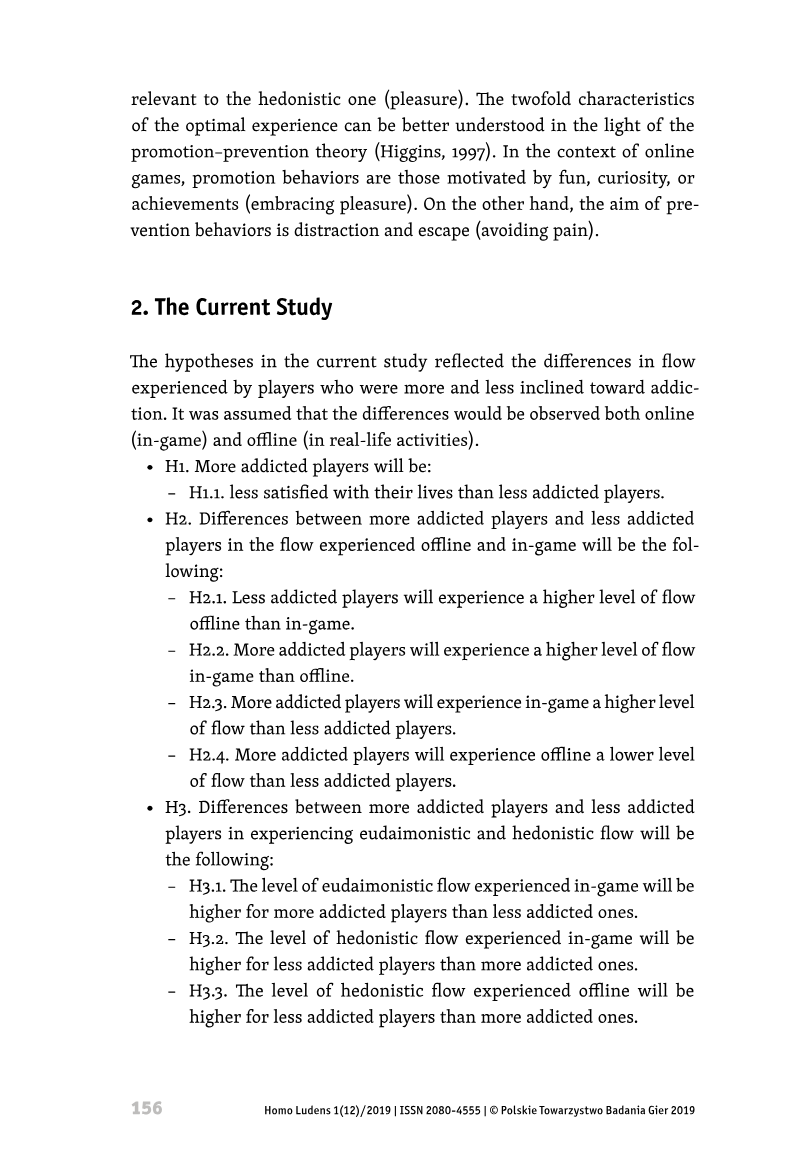
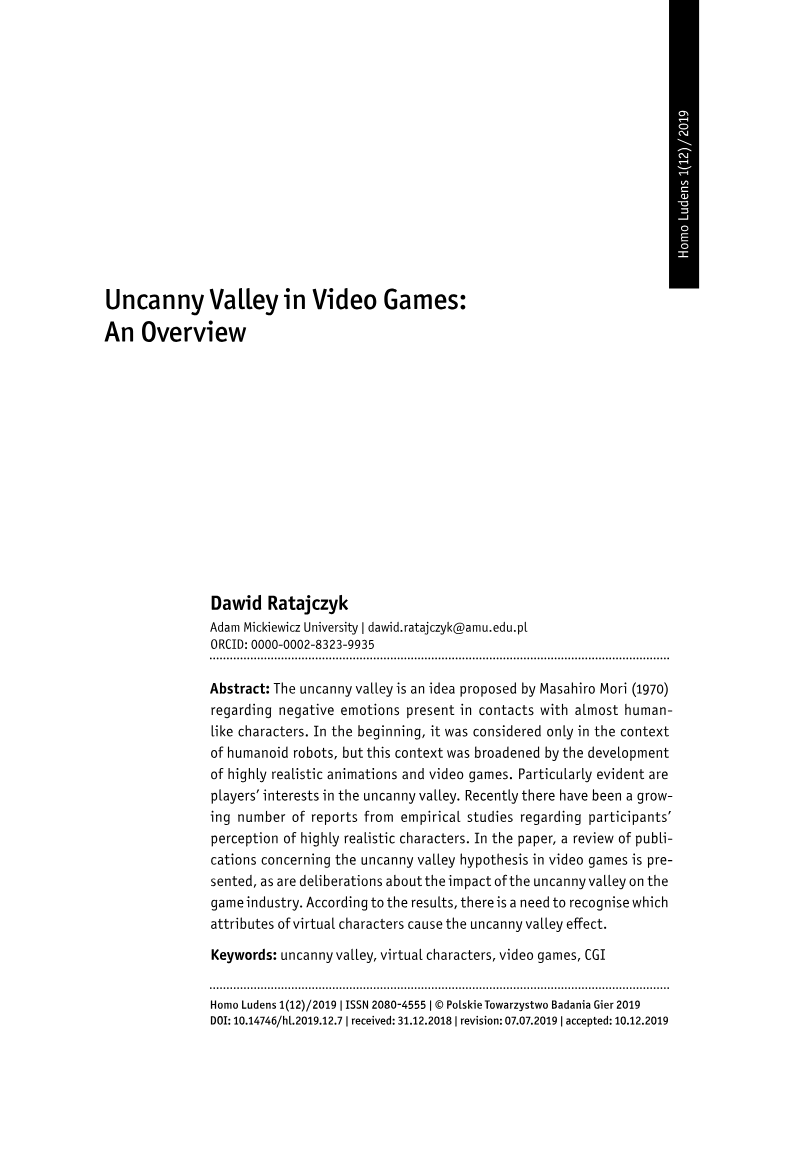
Two Faces of Flow: Preliminary Results From a Game Addiction Study
Homo Ludens · 2019
Article
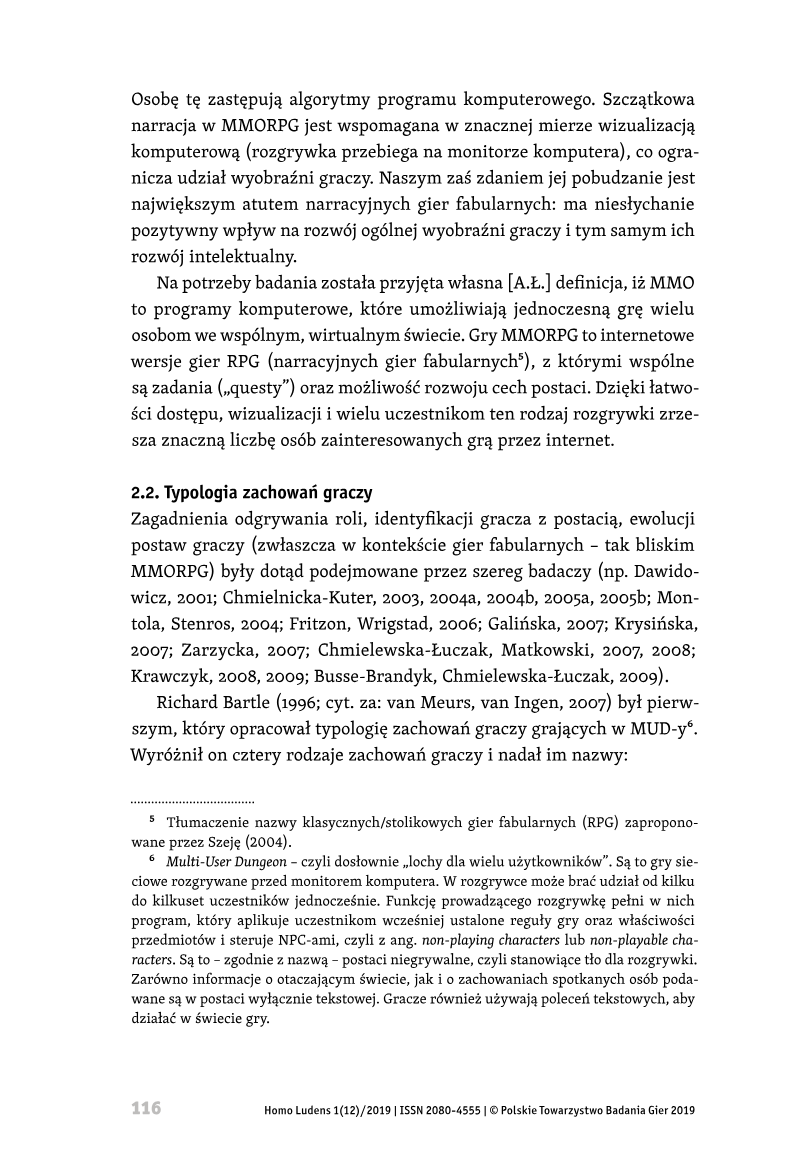
Uncanny Valley in Video Games: An Overview
Homo Ludens · 2019
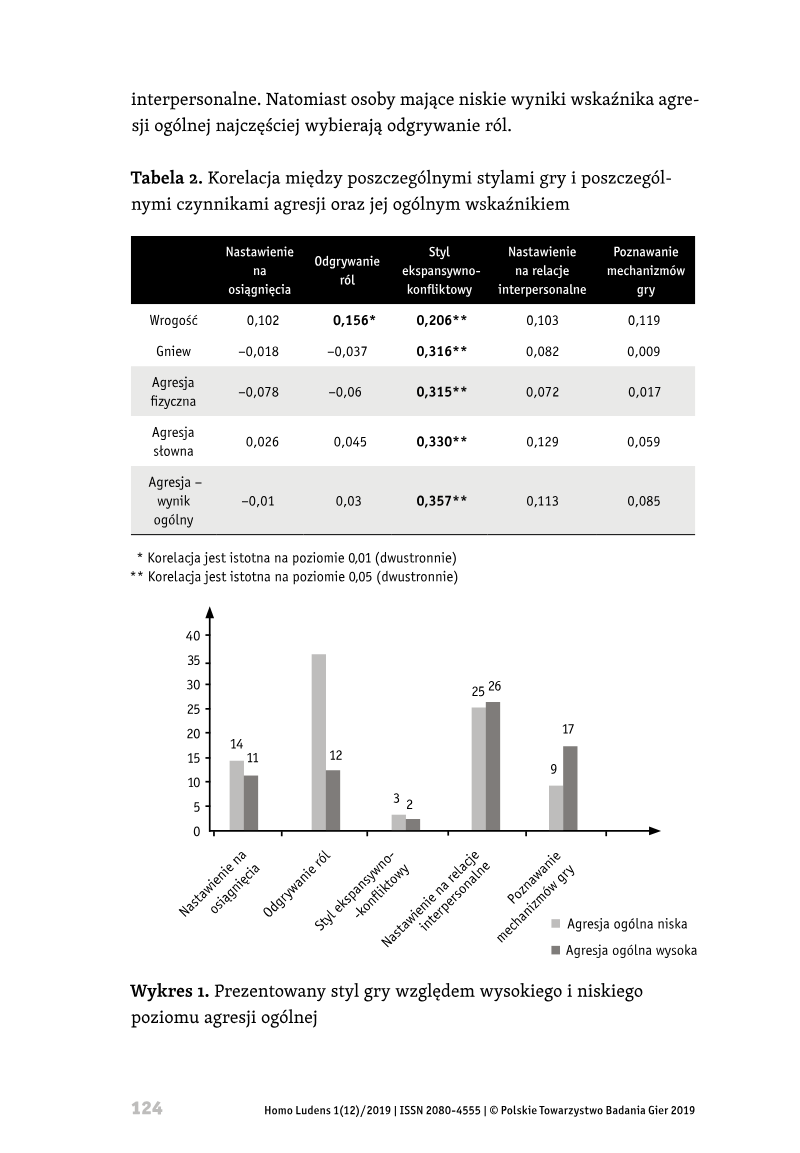
Whitepaper
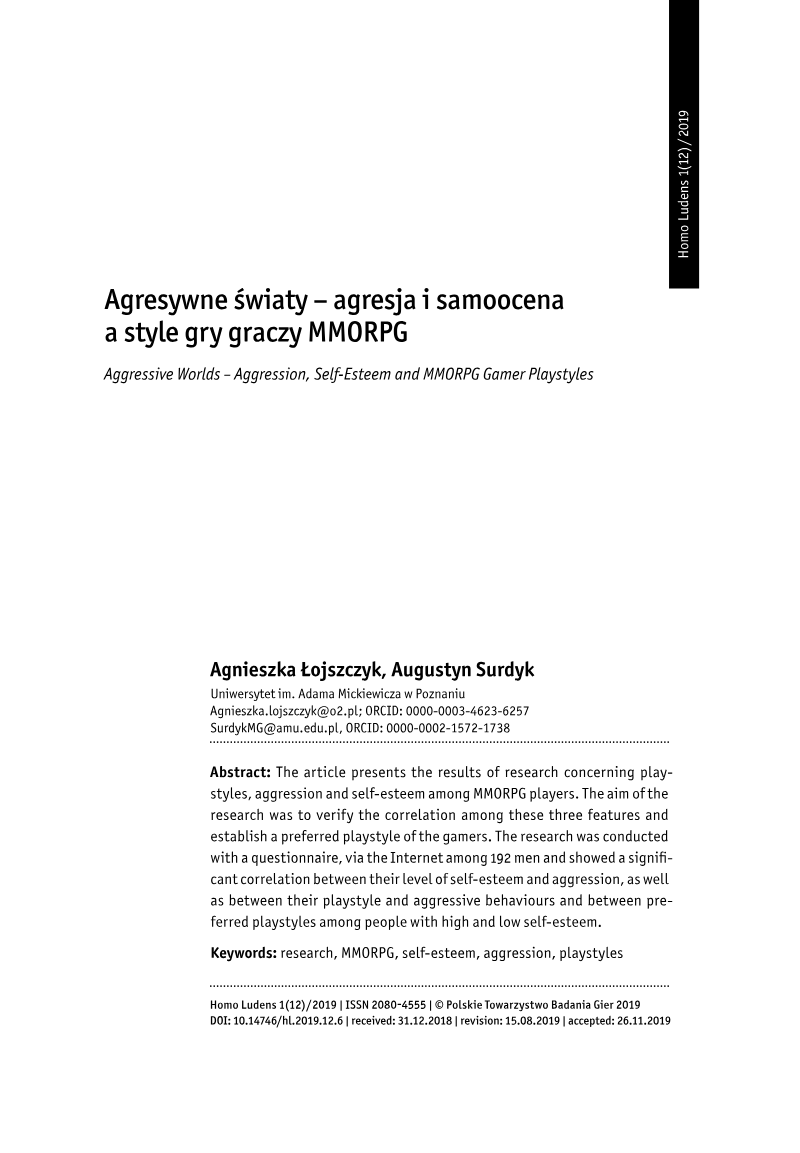
Aggressive Worlds: Aggression, Self-Esteem and MMORPG Gamer Playstyles
Homo Ludens · 2019
Article
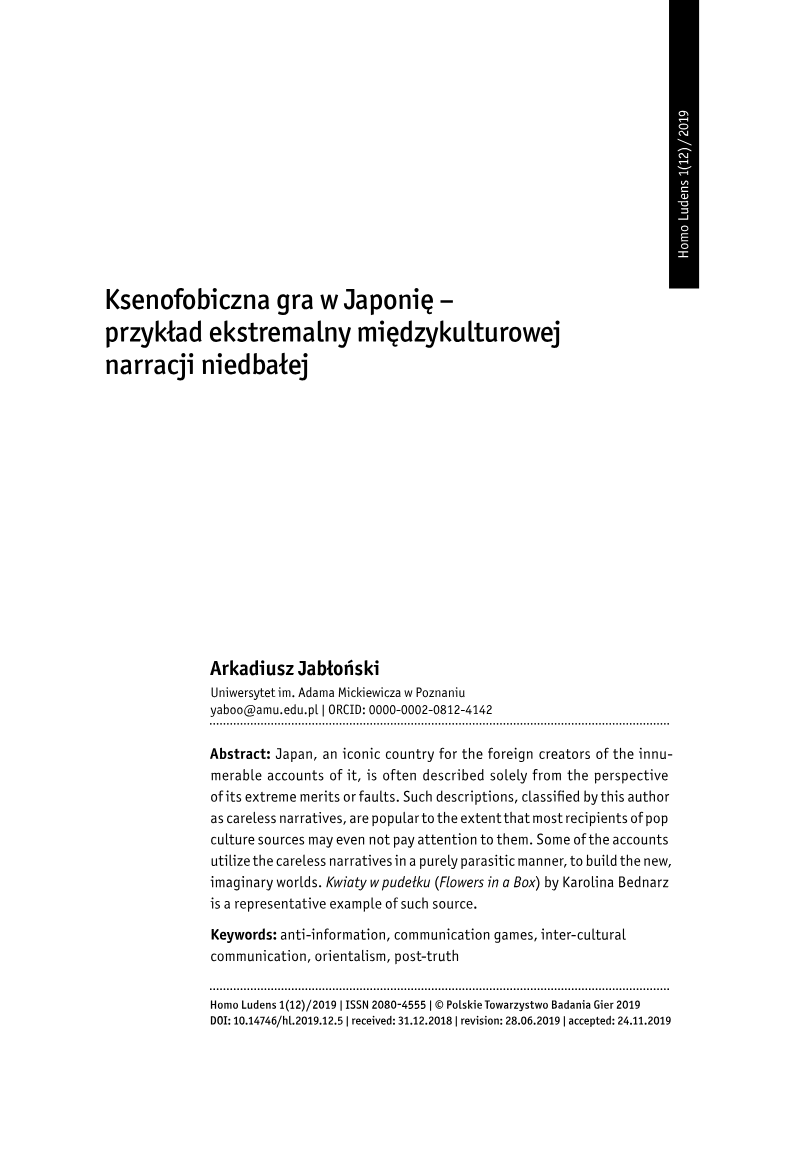
Ksenofobiczna Gra w Japonię: Przykład Ekstremalny Międzykulturowej Narracji Niedbałej
Homo Ludens · 2019
Article
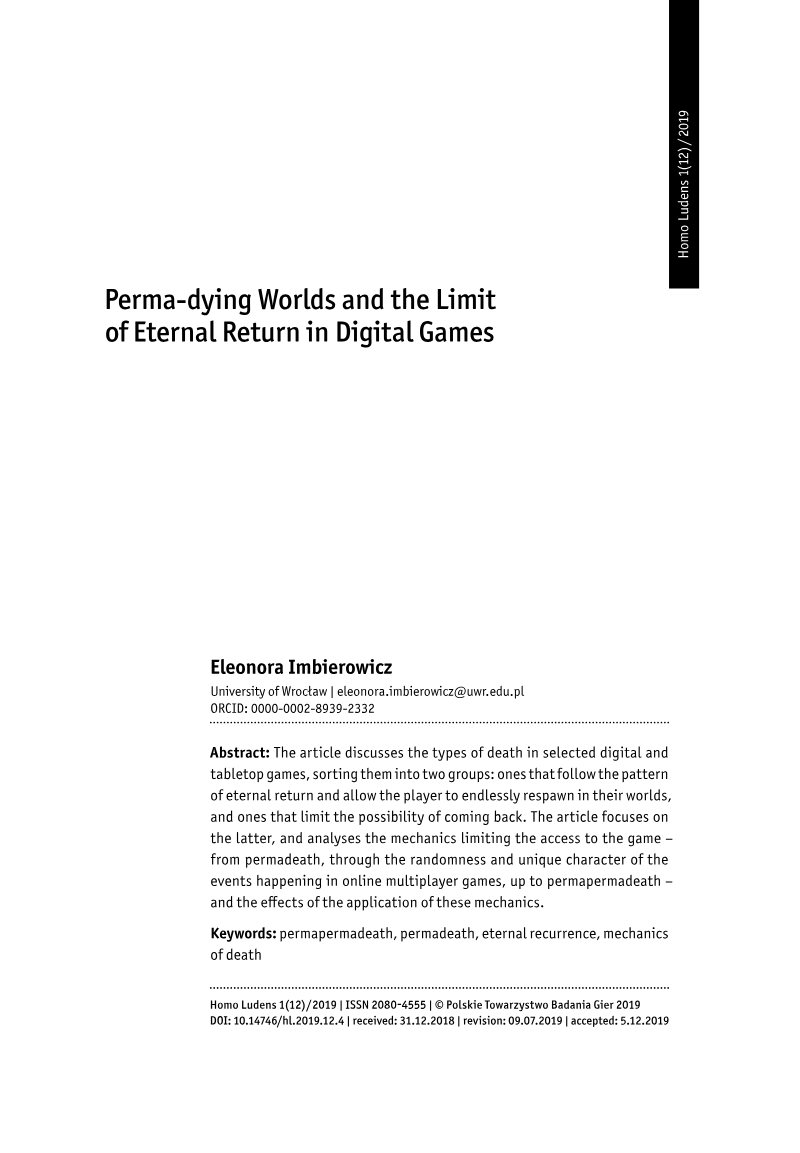
Perma-dying Worlds and the Limit of Eternal Return in Digital Games
Homo Ludens · 2019
Article
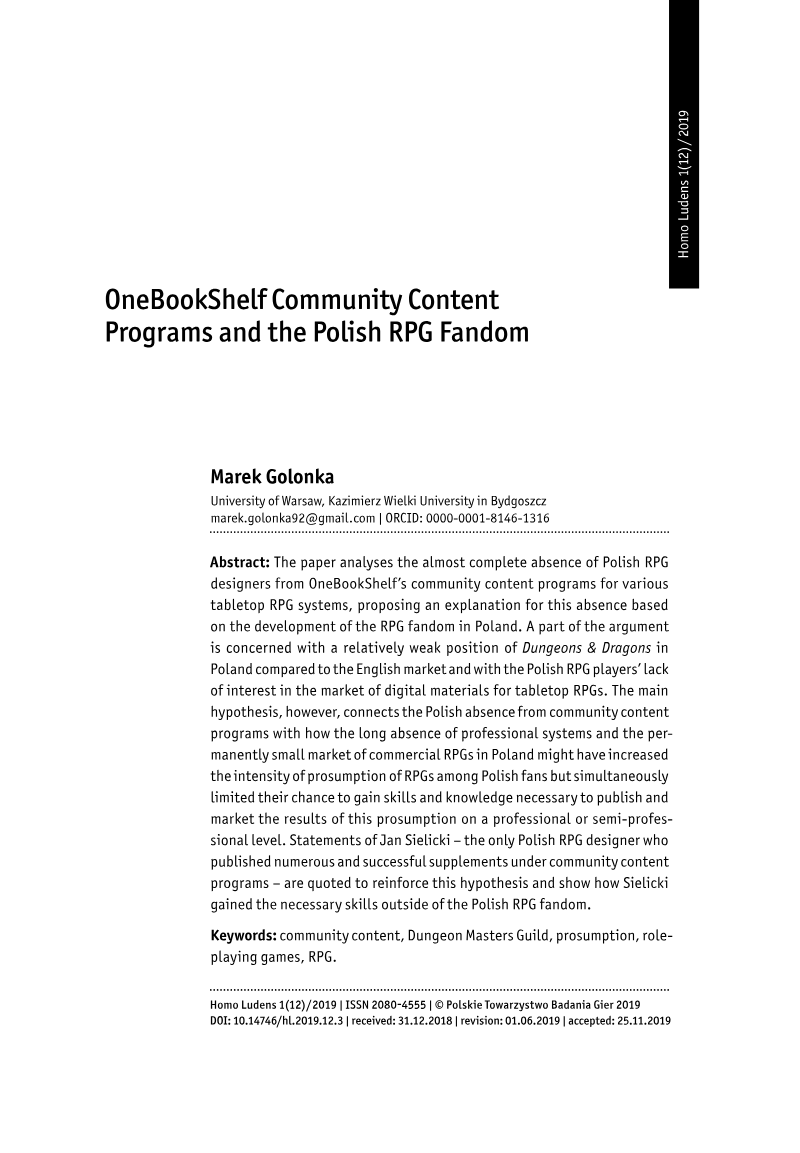
OneBookShelf Community Content Programs and the Polish RPG Fandom
Homo Ludens · 2019
Article
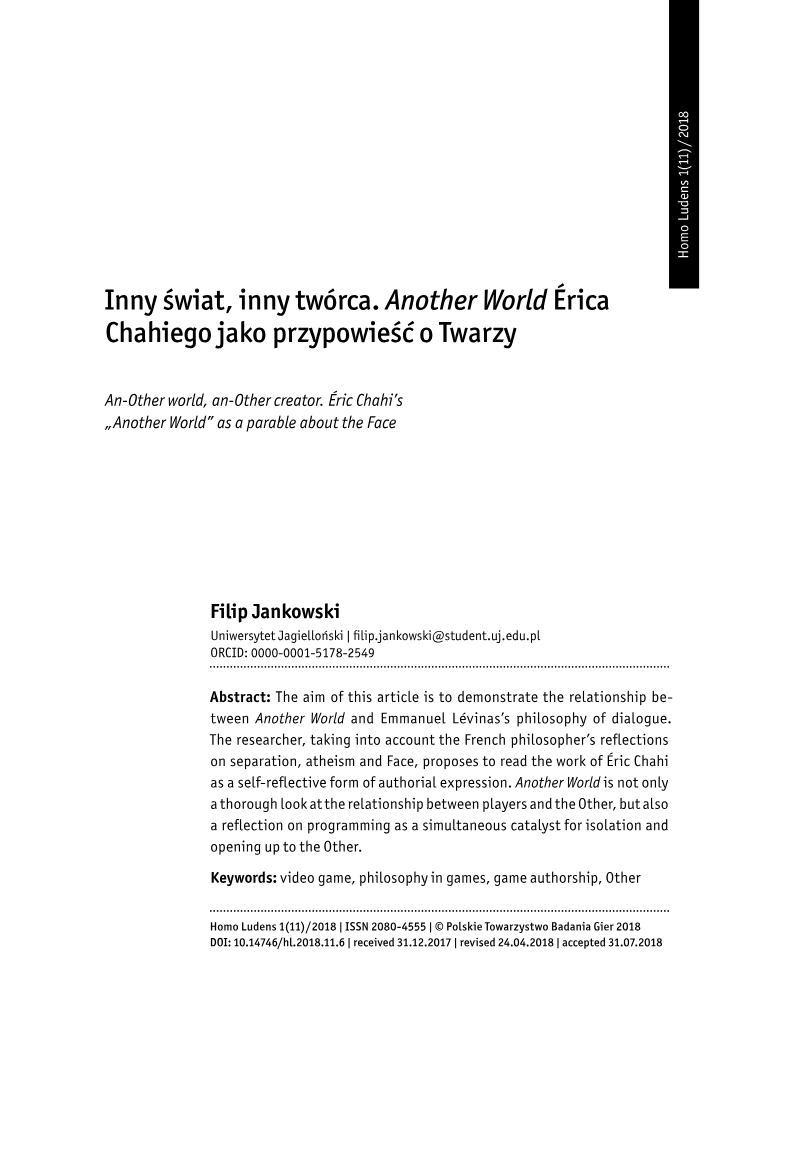
Inny świat, inny twórca. AnotherWorld Érica Chahiego jako przypowieść o Twarzy
Homo Ludens · 2019
Article
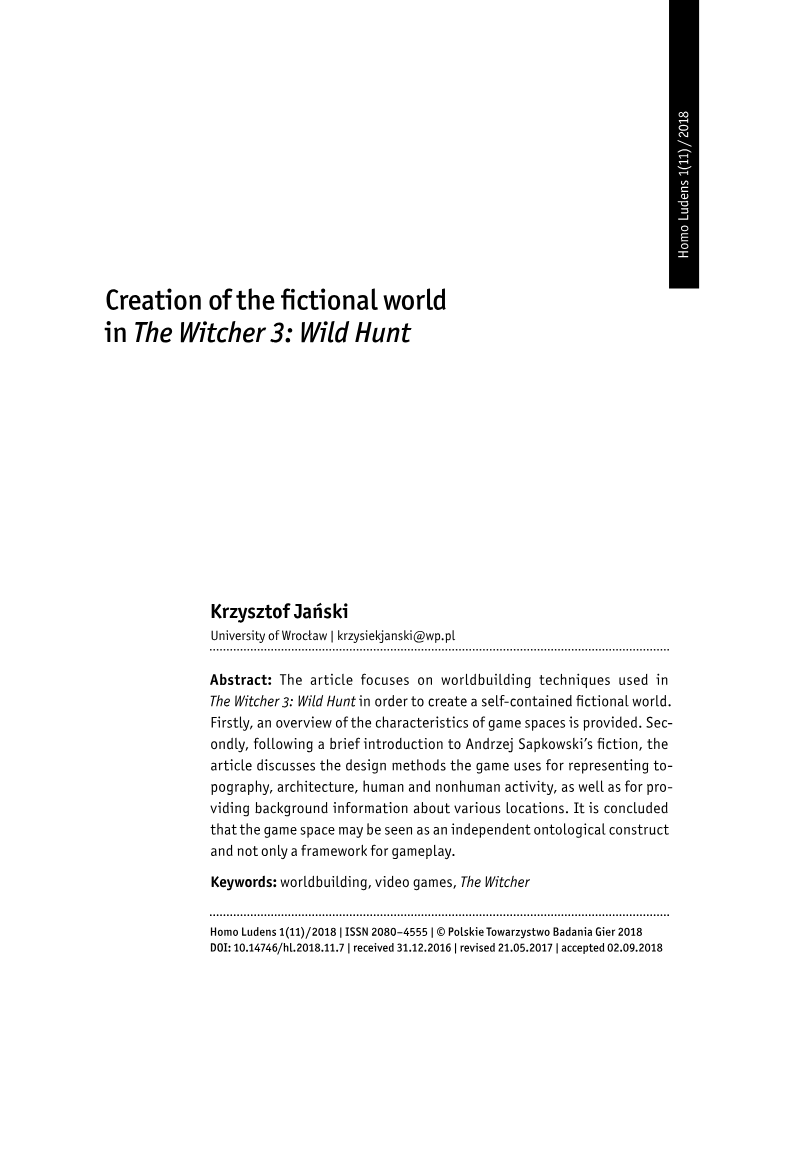
Creation of the Fictional World in The Witcher 3: Wild Hunt
Homo Ludens · 2019
Article
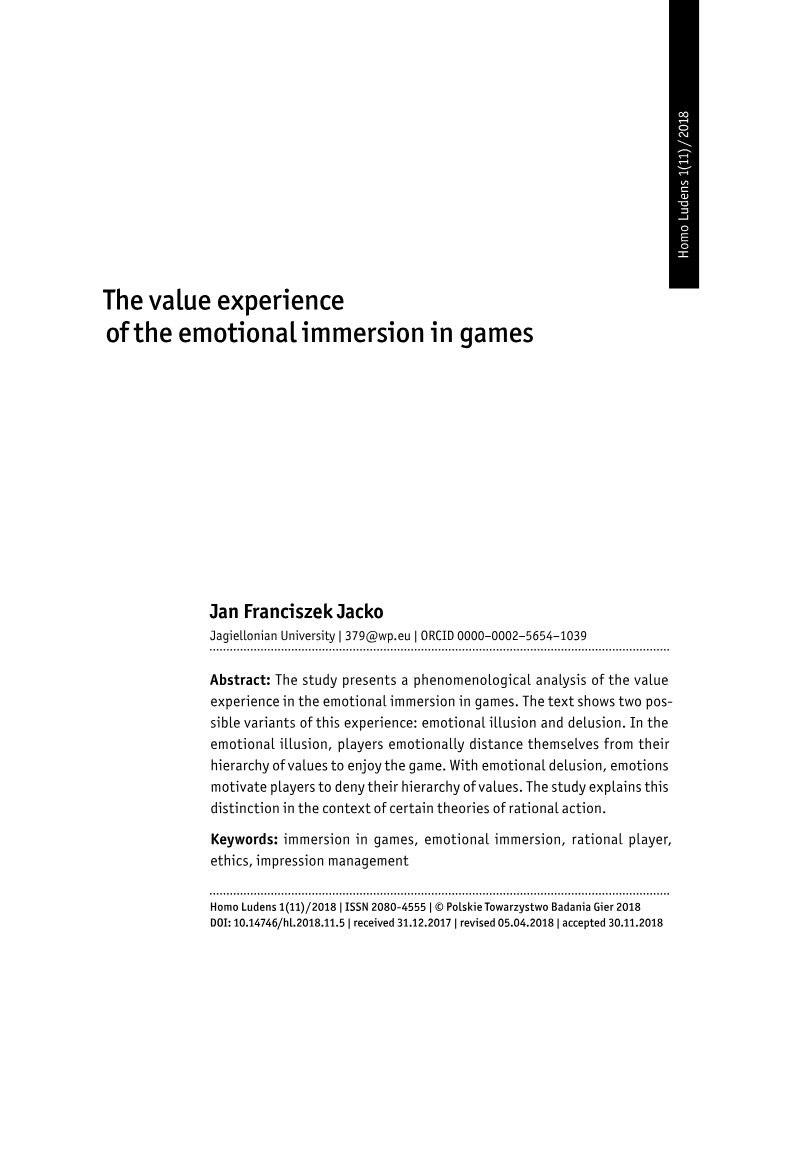
The Value Experience of the Emotional Immersion in Games
Homo Ludens · 2019