1 free read left. Create a free account for unlimited reading + AI research.
Create free accountArticle Hit Points
1 free read left. Create a free account for unlimited reading + AI research.
Create free accountArticleHit Points
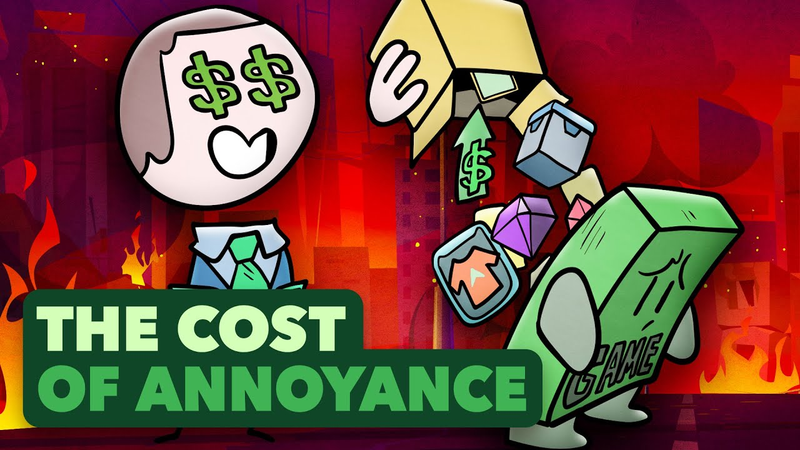
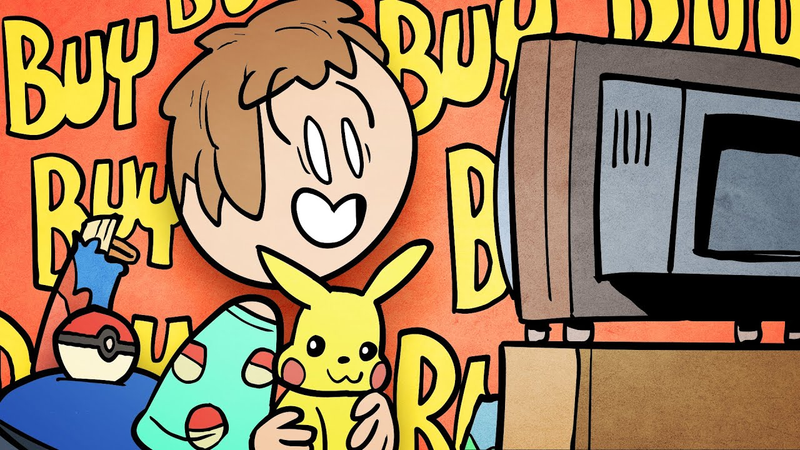
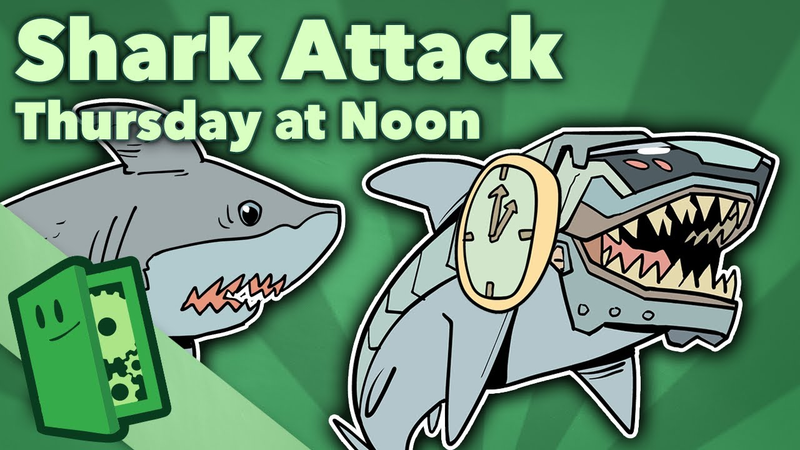
The modern video game industry increasingly relies on aggressive player retention tactics that prioritize metrics over user experience. By focusing on daily active user counts, developers have shifted from creating engaging content to implementing manipulative systems—such as time-limited events, daily login rewards, and rotating store inventories—that function more as deterrents to abstention than genuine incentives for play. These methods effectively gamify the act of logging in, forcing players to adhere to rigid schedules to avoid missing out on exclusive rewards.
A concerning evolution of these retention strategies involves the use of shame-based communication. Some publishers have begun sending automated, taunting emails to players who have ceased playing their titles, criticizing their lack of progress or playtime. This approach, which mirrors the tactics of online pick-up artists, represents a significant misstep in marketing. Rather than fostering excitement or addressing potential quality issues that lead to player churn, these communications alienate the audience by attempting to guilt them into returning to games they have already chosen to abandon.
Ultimately, the obsession with retention metrics risks damaging the relationship between developers and players. When engagement is measured solely by login frequency rather than player satisfaction, the industry risks prioritizing short-term data points over long-term brand loyalty. By shifting the focus toward coercive tactics, companies risk losing sight of the fundamental goal of game development: creating experiences that players genuinely want to return to of their own volition.
Hit Points · 2026
Hit Points · 2026

Hit Points · 2026

Hit Points · 2026

Hit Points · 2026

Hit Points · 2026

Hit Points · 2026

Hit Points · 2026
Hit Points · 2026

Hit Points · 2026
Hit Points · 2026

Hit Points · 2026