1 free read left. Create a free account for unlimited reading + AI research.
Create free account
5 Things: About Autonomous Teams
Key insights
6 takeaways- 01Hutch achieved an $80 million annual run rate and 300 million lifetime players by restructuring operations into autonomous, cross-functional teams that hold full accountability for both creative and financial outcomes.
- 02Decentralizing decision-making power from management to developers serves as the primary engine for scaling the studio while maintaining consistent profitability.
- 03Teams drive long-term engagement by balancing qualitative community feedback with quantitative performance data to inform iterative development cycles.
- 04Effective Agile implementation at Hutch prioritizes psychological safety and developer empowerment over rigid processes, with leadership acting as servants to self-organizing teams.
- 05Commercial failures in titles like Smash Bandits and Race Kings demonstrate that over-innovating on core gameplay and metagame structures creates significant financial risk.
- 06Sustainable growth in the free-to-play sector is best achieved by utilizing proven mechanics while focusing innovation efforts on themes, marketing, and incremental product improvements.
Ask AI about this video
Transcript
we will start with our next speaker um who is andy watson from hutch who's going to talk to us about five things about autonomous teams um andy are you there yep hi rick can you say hi yes i can hear you loud and clear great to see you brilliant great to see you as well good filling in thank you um yeah hopefully everybody has a full understanding of what what to expect um and your slides are coming up so that's all looking great um yeah if anybody has any questions randy do drop them into the q a section or you can drop them into the chat uh we're picking up from those as well um i am going to mute and have a big glass of water and i'm going to let you andy um
take it away brian thank you very much rick um hello everyone uh thanks for joining me this is five things about autonomous teams to get started i'm just going to introduce myself and talk a little bit about what we do and our culture at hutch to give this talk a little bit more context let's see so i'm andy watson that's me with the coloured eyebrows during lockdown my kids were coloring their hair but i'm bald so they did my eyebrows instead and that's that's the most professional picture i have um i'm hutch ceo i'm responsible for all development and studio operations i've worked i've previously worked at playfish ea mobile and glue mobile as part of 20 years in the games industry and the last seven years have been spent at hutch my purpose is really just to help businesses really just try and make great games teams what does hutch do so we're really trying to redefine racing games for mobile we're using a development process that's focused around our community
and getting the games out as like uh early as uh to get games out live as early as possible and empowering our teams to move quickly we've got 105 staff and we're recruiting 30 more and we've raised 5.5 million dollars in investment today and most importantly we're profitable uh what drives us and there's a picture of a car and we make racing games so lots of fun there think of the synergy um we often get asked why mobile racing it's not the highest performing genre um but when you look at fast and the uh fast and furious being a top 10 grossing movie franchise of all time f1 manager f1 having over 500 million viewers of every race youtube automotive content has billions of views there are huge racing franchises on console we exist really to make racing games work on mobile but we also want to be really the best place to work um we're not there yet i'm hoping one day hutch will be the benchmark when
people think about what's somewhere amazing to work i really want hutch to be at the top of that list um to give a little bit more insight into hutch and our culture we redid our website recently um the previous one looked a little bit like a school project and we left it up for far too long and as part of that we did a video which hopefully give a little bit of a flavor for hutch um i'm hoping we can play the video now [Music]
foreign [Music] um okay if i can share my spin again uh but before we get into the five things about autonomous teams i just want to talk a little bit about why i thought this was an interesting topic and the impact it's had on hutch as a business so when i joined hutch in 2013 we're a really small studio and we're in the middle of this transition from premium to free to play
hutch's five founders were all x sony and they'd left to create hutch have a real sense of the frustration they just didn't feel like they were able to get things done and a lot of the only joiners at hutch had joined from larger corporate gaming backgrounds myself included and there was a desire to build a different way of working and we believed and we still do that by building expertise and experience within our game teams will be able to build a great culture where teams can experiment fail maybe but learn and develop not just with design but with process and structure as well and ultimately would be we build better games as a result so the reason i wanted to show this slide is it's a great indication of how hutches as a business has grown from working in this way now we've had tough times as a company we've had highs and lows like anyone else we've definitely made a lot of mistakes but more recently the learnings have been really coming together and we've been starting to see it pay off uh the reason i wanted to talk about
this is people ask who did you hire that made that difference or what changes that you made but it was a result of autonomous teams income incrementally learning trusting the team to try new things and improve and now we've got an annual run rate of 80 million dollars per year we're profitable with margins of 20 to 30 percent we've had over 300 million people play our games and a million new players each week for those of you who don't know our games we've launched 11 games in total starting back in 2012 with smash cops these are our current games so top drives strategic card collection game with over 2 000 licensed cars the most of any game in the world and the team were really inspired by top trumps and what it would like on mobile f1 manager is a real real-time multiplayer racing strategy game that lets players create their own f1 team and compete against other managers from around the world and rebel racing is a bright optimistic action-packed racing game
where players can race legendary cars across the west coast of america um f1 rebel racing and top drivers are all live and then puzzle heist is in soft launch it's a puzzle rpg game with immersive 3d graphics licensed cars and fast and furious style gameplay and we also have a few other kind of i in games that we're kind of pro prototyping early internally these are the games that we're currently supporting post launch and i think it's a good representation of how hutch teams work it wouldn't have been possible for a company our size to launch and grow these titles without building this kind of culture of autonomy so those five things the reason we're here today these are the five aspects of building autonomous teams that we at hutch believe are key to building teams that are empowered to make great products and a culture that teams are excited to work in so one servant leadership two freedom and responsibility
three build trust for agile development and five community at the core so servant leadership what is servant leadership servant leadership is a long-term approach centered around mentoring individuals individuals and teams to grow and develop servant leader leaders believe the best working environments draw on the strengths of the team by working with them to do what they do best they're best served by a humble leadership that is prepared to learn as well as teach now when you think about free-to-play games development it's it's really hard there are so many considerations you need to make in order to acquire engage retain and monetize players and you need to ensure the right people are making the right decisions so we asked ourselves who's making the game who knows the challenges who knows the players who's living and breathing the space and who's observing the pres the competitor landscape
who should be making the big decisions and the answer to all those questions was the team so to ensure the right people are on the team to make the decisions we've got all the usual artists engineers qa designers produ uh producers but also we we put on the team analysts customer support community managers and product managers and it's the servant leaders job to make sure the team have all the expertise and tools they need to be successful and that also means giving them all the information they need to be a success about bit and also being transparent about performance so that doesn't mean that we haven't been challenged by this process um and one of those challenges happened uh during top drives launch so it had really poor early retention at launch and everybody knows that retention is just it's just so important and the natural reaction is to delay the delay the launch and fix the retention issue but the games team recognized this hugely engaged audience and the team focused on serving that
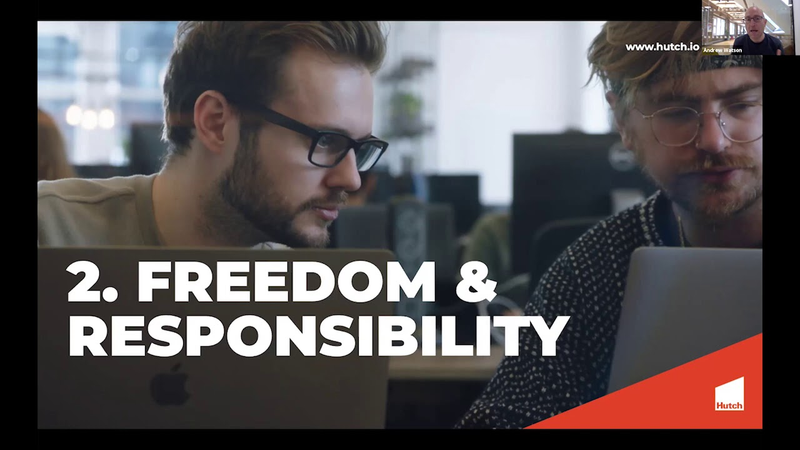
dedicated audience rather than delaying allowing them to get the game out sooner see what works and see what doesn't and build the game around those players and now it's our biggest ever title freedom and responsibility so games development is difficult free-to-play games development is hugely competitive new games coming out all the time the barrier to entry is getting higher production values are increasing and costs are going up if we give our games teams the freedom to try new things manage their workload and innovate and be ambitious they also have to accept the responsibility that goes with that it's about working with the team to create a goal and let the team decide how to achieve it make sure the team has control over the following so they need to be able to decide what they're going to do how they're going to do it who they're going to do it with and when they're going to do it and with that freedom comes the responsibility so we've we've had to make sure we ensure the team
understands what they're responsible for and accountable for within the game how they're going to demonstrate that accountability and how how we're going to define if a game successful who's in charge of whether a game is successful or if the team is better off working on something else and for us it's the team really making all those calls so we we have a pillar at hutch called stand on the st stand on the shoulders of giants we created this pillar after race kings so it was our most expensive and longest development to date and we'd innovated across the board so gameplay changes meta game matchmaking ux ultimately it didn't work we just hadn't appreciated how free-to-play structures are so fragile and there isn't a studio in the world that's been that's able to consistently just smash out here after hit after hit so if the team wants to innovate they need to have a clear understanding of why and how is this an improvement and there's times we've gotten this wrong this not all staff want to work in this way it's a different kind of pressure some
just want to get their heads down and just plow through a list of tasks and we give a lot of freedom but that comes with a lot of responsibility and not everybody's ready for that so we've had to change our hiring process and our onboarding process around this and it's been much harder during lockdown and we need to ensure that we know the qualities and attributes that thrive in this environment and let candidates get a window into how we work and decide if it's if it's for them uh build trust number three uh this might seem really obvious but it takes more effort than you might think it's a key part of having a good relationship with your teams and it puts them in a position to do greater things you've really got to listen to your team members there's no better way to build trust than listening and showing that you actually care getting them to getting to know them personally and professionally take accountability and acknowledge when when you get something wrong embrace failure as and treat it as an opportunity to learn
but be honest consistent and transparent so transparency is a big one for hutch we make all company data available to the team full analytics access we train everybody and how to use it everyone has full access to sales data ua performance hutch financial performance as well and i'm always baffled when i hear about teams that don't know from my information about their revenue or their ua performance or how their ltv is calculated on that for their products and another part of that is uh we also hold weekly briefings with the entire studio where anyone can ask any questions on any topic and they can do it anonymously if they prefer as well we want everybody in the studio to understand why we work the way they do and question or challenge it if they have a better way of working because remember like trust goes both ways they need to trust you as much as you trust them they need to know that if they make a mistake they'll be trusted to learn and improve so you need to set clear expectations of each other of the team and yourself as a leadership be
transparent about what's working and what isn't working and encourage the team to question and challenge what they don't like so instead of asking is everything okay or is there anything i can do to help ask about what don't you like about working here what opportunities are we missing out on if you could change one thing what would it be and resist the temptation to kind of sit on the shoulder and second guess or build unnecessary processes ultimately it's all about building kind of psychological safety that belief that the team can feel safe to take risks ask questions or propose new ideas or admit a mistake without any fear of being seen as ignorant incompetent negative or disruptive so we've again we've had big big challenges with this approach we've always getting challenged and f1 manager launched just last year and the game had scaling issues at launch the launch felt quite rushed it didn't really feel ready and we're asking the team if they needed more time but they were worried about saying yeah
okay yeah we do we do need more time it's not ready they'd seen the great soft launch performance they felt a lot of pressure and they didn't feel comfortable delaying they were so keen to get the game out early in the season excited to see it perform they didn't want to let anybody down ultimately we did launch it on time but it had significant issues at launch so since then we've been really working on and still are working on improving psychological safety at hutch so that anyone can feel comfortable putting their hand up and just saying it's just not ready ultimately though the team solved the issues they got the game back on its feet with no real help from the leadership team and it's doing amazing things agile development so anybody who knows me knows i bloody love agile most people look at agile or scrum it's just a process but it was built as a philosophy not just a process the agile manifesto was built on 12 principles um i won't quote them all but there are two
that really resonate with me and what i'm trying to say here so i'm taking these off the kind of the agile alliance website but build projects and around motivated individuals give them the environment and support they need and trust them to get the job done so i often hear about studios and companies that claim to work using agile but don't appreciate the philosophy involved and just do stand-ups and planning and demos and retrospectives they still dictate and control too much of what's going on another principle is the best architectures requirements and designs emerge from self-organizing teams too many studios focus on stand-ups and planning meetings and just forget the rest agile development was built for autonomous teams it's just so great at this and it it really helps ensure you get the best product um big challenges to this approach were another launch rebel racing launch um we didn't have feature parity with
some of our competitors we're thinking where are the tilt controls where are the bonnet cameras where's the clan system and there was a temptation as a company to delay the launch to add these features but the team would focus on getting it out live and building on it with a live audience with any game there's a risk that might not work now rebel racing's been live for seven months and some of those features are in and some aren't but the team are owning the backlog and making those decisions it's growing its audience and it's got a really exciting roadmap of features aimed at aimed at really satisfying that audience and the last point is community at the core if you're going to trust the team and give them the freedom to make decisions you need to be confident that they're making the decisions for the right people now everybody has a game that they want to make and it's easy for everyone to think that they're representative of the player but ultimately nobody sets out to make a bad game yet so many people do or at least a game that doesn't function um as a business and we've definitely
we've definitely done that as well you need to ensure the team know who they're building the game for and how do you know if your game are making the right games the right people well i had to just give it to the players you build the game around the community you build the game around the players so quantitative testing get the game live and in front of loads of people test your ideas test your game play your meta structure your marketing assets and get real data and then qualitative testing so dig in deep into how they're playing and what ideas are landing and what aren't now i guarantee however you think people are going to play you'll be surprised nobody sets out to make a bad game or a financial player failure you've got to be humble and test it nobody has all the answers and if a team's working with the players it gives them the information they need to build something great it lets them see what's working what isn't and what can be improved and ultimately focus on what's making the most difference so those five things um autonomous teams
are empowered uh sorry autonomous teams and empowered teams and independent teams are terms that are thrown around a lot but you really have to live it and make it part of your core culture and for us at hutch it's definitely not a done deal we're improving at this all the time and we're being challenged by this all the time but you really need to live those values if you want to make it work i truly believe this has helped us drive our success without this approach i'm not sure hutch would still be around let alone growing um so those five things are like servant leadership think about what sort of leader you want to be if you want a long or short term approach but ultimately remember who's making the game and think of how to support them freedom and responsibility work with the team to define how they want to work give them the freedom to work how they want but ensure they understand the responsibility involved build trust ensure the team feel heard and understood and supported if there's a
shared trust between you and the team it will allow you to improve avoid mistakes and ultimately keep the team happy and i happy motivated teams make better games agile development this is what it's built for don't get bogged down and how do i make the process work remember the philosophy behind it and why it was created in the first place it was created because software development works better when multi-discipline teams work together to define how they're going to work rather than being told how they're going to work and community at the core everybody has a game they want to make and nobody sets out to make it a failure yet so many of us so many times we do ultimately it's the players decide if you're going to be a success or not and teams should be working with their players as early as possible um but that's it for me that was uh five things about autonomous teams uh thank you very much for taking the time to listen hopefully it'll be of use to some of you um i believe we've got some time left for questions if there are any yes we've got quite a few questions uh
first of all thank you so much for that talk it's really interesting i love knowing about how teams are put together and that kind of thing i've got a couple of things that i'm kind of curious about so obviously like building autonomous teams and allowing people all this freedom i'm sure it has a lot of difficulty involved um would you say it's like obviously it's worked for hutch would you say it's the right strategy for every studio or is it just something that has worked for you and i think there are lessons to be learned from it i i struggle to think of an environment when it wouldn't necessarily work i think if you've got a short-term goal or short-term ambition that you need to recognize very quickly and and you're the driving source before that or if you're a very small company and you haven't got um all the tools and experience in place then you might need to take use a set more influence but everywhere i've worked whether it was being big game studios like ea or smaller places like hutch i felt like the team are ultimately the ones who are kind of day-to-day living with the game and it was
we had this i think sean used this term of like of his time at sonia was there a green light overlords who'd just basically they'd play a game once and be like nah we're not doing it and it's just like they've spent a match of hours with your game where you might have spent years with it and they're making those decisions so it just it just i just feel like autonomous teams are putting the right people in the right place to make those decisions and it's just it's just struggle to see when that's not going to work yeah um and you kind of touched on um briefly like the effects that covert has had had on on the team and your work like can you can you expand a little bit more on how you've sort of tackled that and i know like um remote working is something you already saw you offered like a couple of days um before even pandemic happened uh it was a part of the team like did that did offering that help you sort of transition into a period where everybody was working remotely a bit better yeah so um for those who don't know hutch has always had a work from home
culture so we've always had um two days a week tuesdays and thursdays of work from home for anyone who wants to do it um so like that on a technical level everybody was used to it everybody was set up for it everyone has laptops everyone has test devices everyone's kind of got setups at home so from that perspective it was good um where i think we had to put more effort in was more culturally to make sure the teams were having more touch points to make sure they had confidence in what hutch was doing during the pandemic to keep them safe and and whether you know when they were going to come back into the office keeping those lines of communication clear um but our biggest thing has been kind of ensuring the kind of mental health of the team i think working so long remotely is a challenge for anyone and i think it's a challenge for family life um itself like i've got two young children myself so coordinating that around work was we tried to take as much stress away from the teams as possible so let them know if you've got kids don't worry just just
take care of your family life first and then and let us know how of how much and how um what sort of work you can do and we'll work around that we brought in more mental health things so um some mental health coaching but also made um counselling and therapy sessions available to to the staff to anyone who felt like they needed it and just just more touch points with the team to make sure that they're they're having those conversations that normally would kind of they're quite friction free to see someone in the office and go over and you say hi but they don't happen when you're at home you don't want to bother someone over over slack so just try and encourage those sorts of informal communications and there's things like we moved our um board game night to digital board game night we've done digital pub quizzes that sort of stuff just to keep the morale higher cool uh so yeah we do have a few questions in the q a section we'll start with this one at the top uh which i'll read in full because it makes me smile because it says you seem to really love cars smiley face um is it important to keep a brand ipconnection for success
um what for us specifically i guess um i think there's a there's a aspirational nature for cars and i think i don't necessarily think well i guess i'm going to interpret that question as specifically with cars i guess sure um um but i think there's an aspirational nature to cars i think certain games like top drives wouldn't function without the level of licensed cars we have pete there are certain people who just want to get bugattis and veyrons and zonders and they're excited and it's such an exciting momentous occasion when you get it and you kind of see that in other games as well and like fifa when those sort of unwrapped videos when they open up their packs and they get ronaldo and those and they're going crazy we get similar sort of videos when people get um veyrons and shirons and things like that so i think it's it does resonate um on a practical level i think it makes working uh like acquisition of players a little bit easier there's something that instantly instantly recognized and if those brands resonate with how your game works as well it can make
the acquisition funnel a little bit easier um but that's not to say that you have to do ip so like f1 is obviously a licensed property but i think some of some of our games have been original ip have had huge amounts of downloads as well mmx racing which is all original ip um but then hot wheels has had almost 100 million downloads so it's it's a mixture mat i think it's um it definitely helps in some respects but hinders and others um i just lost the questions briefly um so there's a question here about how much influence the community has on your games i know you said in your talk like you know community comes first you've got a design for them i guess kind of my question that i would twist on this is sort of like um how do you know how do you cut through the noise of what the community is saying because i i i've heard before that like obviously you've got to listen to the fans and what they're saying but a lot of the time what they're saying is just sort of noise that you can confuse how you design the game and you end up appealing to the wrong kind of person
like how do you know to focus in on the right things it's quite a difficult question but it is it is difficult and it's it's not easy and we struggle with it a lot as well it's so i'm i'm not going to say we've suffered it but yes we try and combine what they're saying with what they're actually doing so if you look at the qualitative and data with the quantitative data so when you're looking at your forums and your discord servers and you're doing um focus groups and stuff like that and watching player videos of how they're actually playing and then you combine that with the quantitative data to see what they're actually doing because you can get very vocal minorities you might not be representative of the larger player base we quite often say like this is rubbish this will never work and then everybody's using it and they're loving those features yeah so it's it's about combining what they're actually doing with what they're saying and trying to kind of cut through it and using your own judgment a little bit as well and then building that relationship with the community so they can understand why you're trying to make certain decisions um so what your challenges are so if
you're making a certain decision for a certain reason try and help them understand that as well so building those connections with your community as well but i think um yeah we that's one of the things we we try and get our games out incredibly early on in the development process and just in certain markets and just compare how they're playing compared to other ones and you can just see so quickly whether they're engaging with that core loop and it doesn't have to take doesn't have to look amazing i think great games are great games um yeah hopefully that helps yeah no absolutely um we've got a question from oscar clark which it also sort of ties into another thing so i'm going to ask you two questions but they're kind of melded together um but oscar clark says hutcher a great team and i remember sean maxed out several credit cards to get the company started um do you think other studios could mirror your success today and what lessons should they take and what should they not try to copy and there's another question i think feeds into that which is can you give us an example of what some something that went wrong and that gave you the insights into
creating these five rules so yeah oscar with your hard questions um yeah um definitely people could mirror our success today although don't do it in racing that's arms um no yeah definitely i think i think there were there was a there was when i joined hutch and i interviewed with sean there was we really clicked on how we wanted to run a studio so i joined us to kind of help build out the process and oscar sort of talked about how sean would like when i joined we're in the middle of getting that kind of first investment round so sean was really busy and it was just about being a servant to the team and working for the team and really just trying to give them everything that they need and i think if you try and mirror that way of working i think it's there's always the potential to be to be successful of the i think the second part of that question was is there a specific event and i think um we've there's been we've had quite a few failures and we've had games that have
been great games but haven't worked commercially um smash bandits is a game um that comes to mind which was one of i think the studio's favorite games to make um but it just didn't really work commercially and race kings is another one which is really like it's got great ratings and i think there's a small passionate community that really like it but as a business it hasn't functioned and it it didn't make any it was a very expensive and and um painful process getting that game live and i think going through that process where it didn't really work i didn't feel like the team were empowered i felt like the process wasn't working for them i think we were misaligned on how we wanted to make it um and i think ultimately we i touched a little bit we innovated too much we kind of we'd come we're coming off the back of the success we're getting a bit over confident we're like okay we can smash it let's just let's just like let's change that let's solve these problems and we were trying to combine two
um sort of a known metagame structure with an own gameplay structure and we just reinvented the wheel left right and center so i think if you keep that in mind in that free-to-play structures are they are fragile if you look at the top um games they're all they're all following similar kind of proven metagame mechanics i think those are great for players because they can instantly pick it up and recognize how to play i think there's not huge amounts of innovation going on but if you i think people are innovating in their marketing they're innovating thematically and where they're innovating with gameplay and they're innovating with the meta systems they're really understanding why that's an improvement over their last games or existing games and they're really adding tangible value rather than just let's just try something new yeah cool and one very quick last question uh how can i reach out to you can you share your email you don't have to publicly answer email here but what's the best way to reach out to you i guess um i guess if you reach out to us via twitter or via our website there's a contact link
on our website and that will come through to us and um we try to get back to everybody who does come through to us um facebook pages yeah there's there's lots of ways to do it we're still a relatively small team so um yes it's pretty easy to get hold of us fabulous right um thank you so much for your talk and for hanging around for chatting afterwards it's really interesting and i hope everybody um learns something from it so i'll let you go thank you very much brilliant thank you very much rick
Summary
Hutch has achieved significant commercial success, reaching an $80 million annual run rate and 300 million lifetime players, by fundamentally restructuring its operations around autonomous, cross-functional teams. This organizational model shifts decision-making power away from centralized management and into the hands of the developers themselves. By fostering a culture of radical transparency and shared responsibility, the studio ensures that teams remain accountable for both the creative innovation and the financial performance of their titles. This decentralized approach serves as the primary engine for the company’s ability to scale while maintaining profitability.
Effective game development requires a philosophy-driven application of Agile methodologies that prioritizes psychological safety and developer empowerment over rigid process enforcement. Leadership functions as a servant to the team, providing the necessary trust and environment for self-organizing groups to manage their own backlogs and prioritize player-centric development. By balancing qualitative community feedback with quantitative performance data, these teams can make informed, iterative decisions that drive long-term engagement and product quality.
Strategic caution is essential when balancing innovation with market realities. Experience with titles like Smash Bandits and Race Kings highlights the risks of over-innovating on core gameplay and metagame structures, which can lead to misaligned development cycles and costly commercial failures. In the free-to-play sector, sustainable growth is more reliably achieved by utilizing proven, recognizable mechanics while focusing innovation on themes, marketing, and incremental improvements. This approach ensures that development efforts provide tangible value to the player base without the unnecessary risks associated with reinventing established systems.




















Comments