1 free read left. Create a free account for unlimited reading + AI research.
Create free accountArticle Hit Points
1 free read left. Create a free account for unlimited reading + AI research.
Create free accountArticleHit Points
Despite significant venture capital investment, blockchain-integrated titles are failing to gain meaningful traction. The sector struggles with revenue stability compared to traditional gaming models.
Niche Market. Blockchain gaming is a small-scale sector that lacks mass-market appeal and revenue stability.
The gaming industry’s push into non-fungible tokens (NFTs) and blockchain-integrated titles is failing to gain meaningful traction, despite significant venture capital investment and corporate posturing. The primary thesis posits that blockchain gaming remains a niche, small-scale sector that lacks the mass-market appeal and revenue stability required to compete with traditional gaming models. The collapse of Ubisoft’s Quartz initiative for Ghost Recon Breakpoint serves as a central case study, illustrating that even major publishers struggle to generate consumer interest or value in digital assets that players find intrusive and functionally redundant.
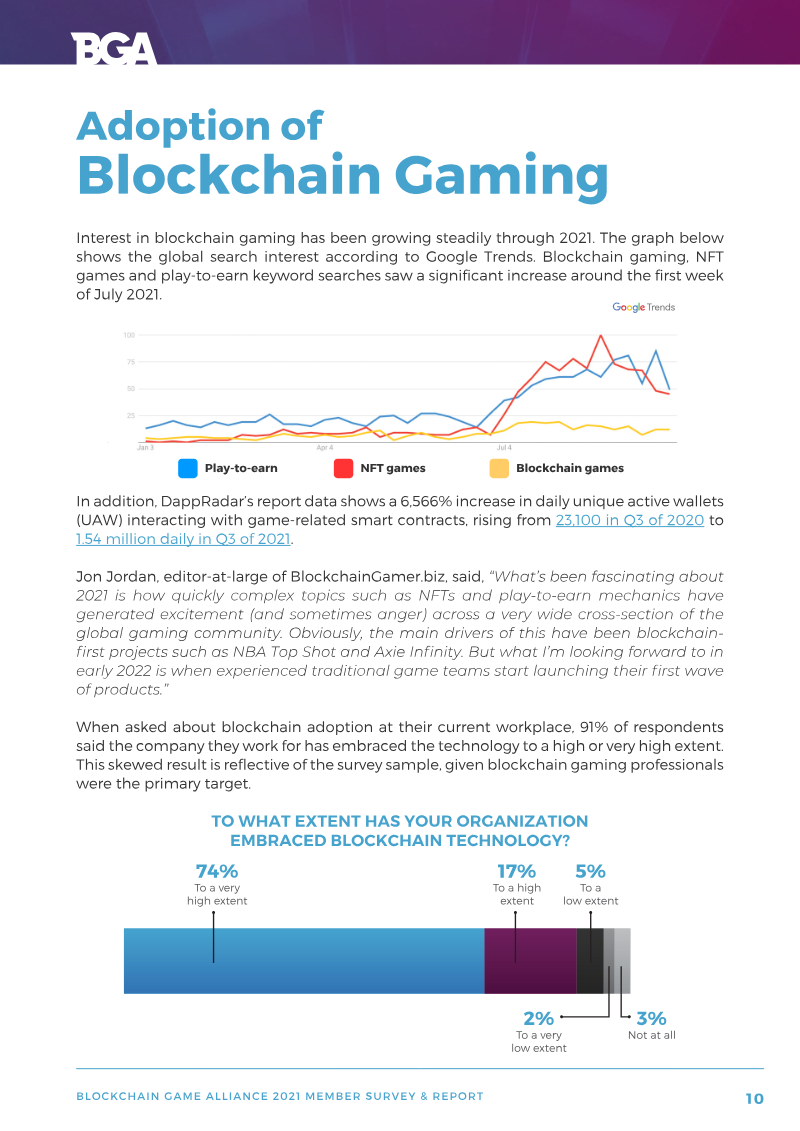
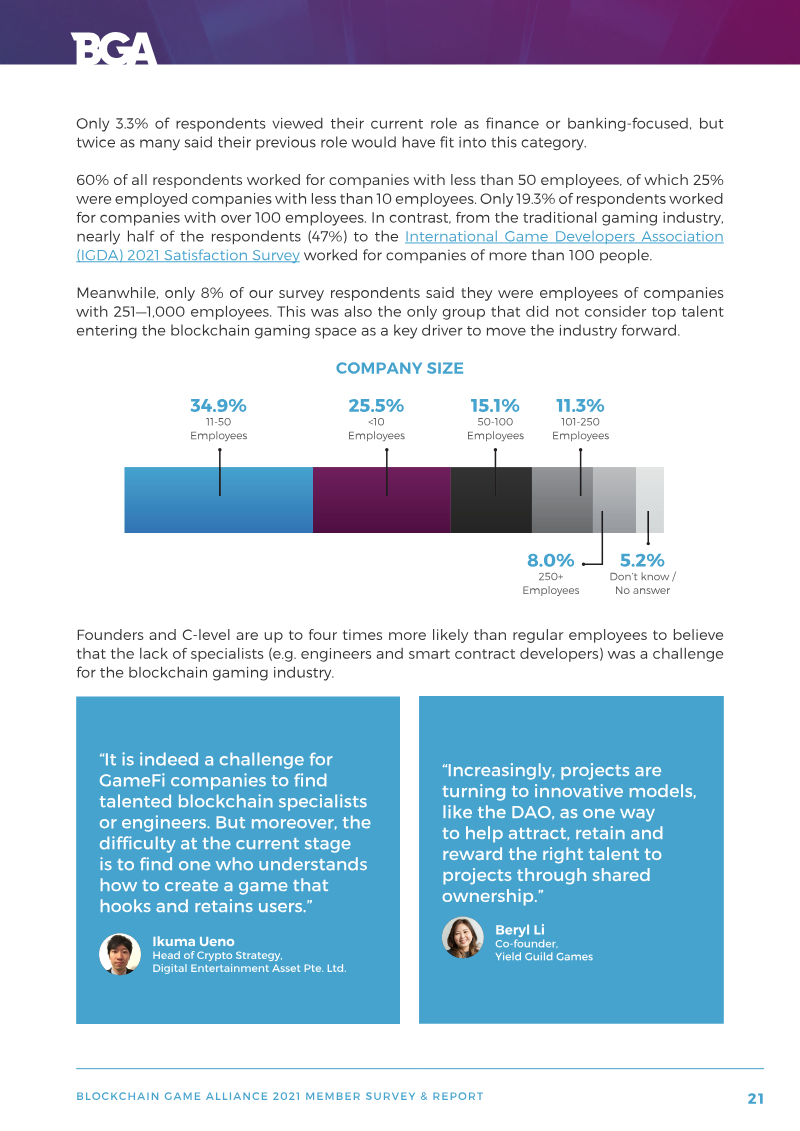
Data points from early 2022 highlight a sharp decline in user engagement across prominent blockchain titles. Axie Infinity experienced a 30% month-over-month drop in daily average users, while The Sandbox saw a 29% decline, leaving it with a reported daily user base of approximately 1,180. These figures stand in stark contrast to the high-level financial valuations and funding rounds surrounding these projects. The disconnect between venture capital enthusiasm and actual player retention suggests that the "play-to-earn" model has yet to establish a sustainable economic foundation.
The analysis covers the global game industry, specifically focusing on the intersection of blockchain technology and major publishing houses during the first quarter of 2022. By contrasting the aggressive investment strategies of firms like Andreesen Horowitz with the poor performance of high-profile NFT projects, the findings conclude that the blockchain gaming sector is currently characterized by speculative hype rather than genuine consumer demand. The industry’s continued reliance on these models, despite mounting evidence of failure, indicates a persistent misalignment between developer priorities and player preferences.
The games and companies this document names on the inner ring, other documents about them on the outer one. Select a cover to see it up close and open it in a new tab; drag to move, pinch or Ctrl + scroll to zoom.
Hit Points · 2026
Hit Points · 2026

Hit Points · 2026
Hit Points · 2026
Hit Points · 2026

Hit Points · 2026

Hit Points · 2026
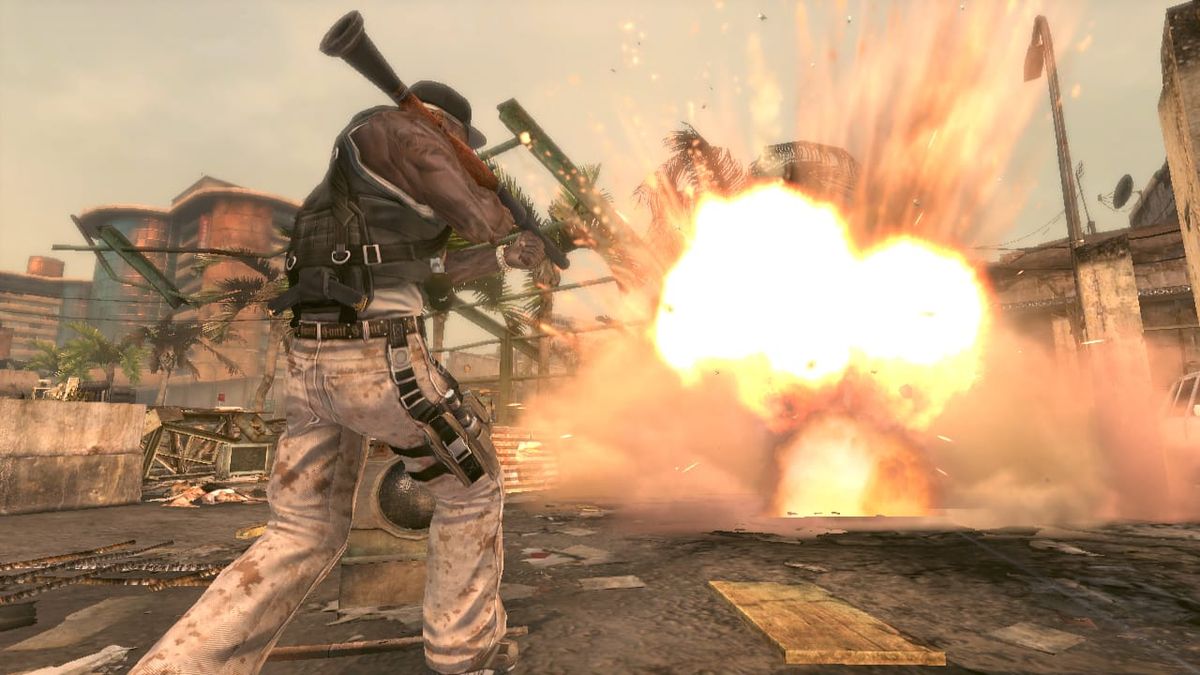
Hit Points · 2026
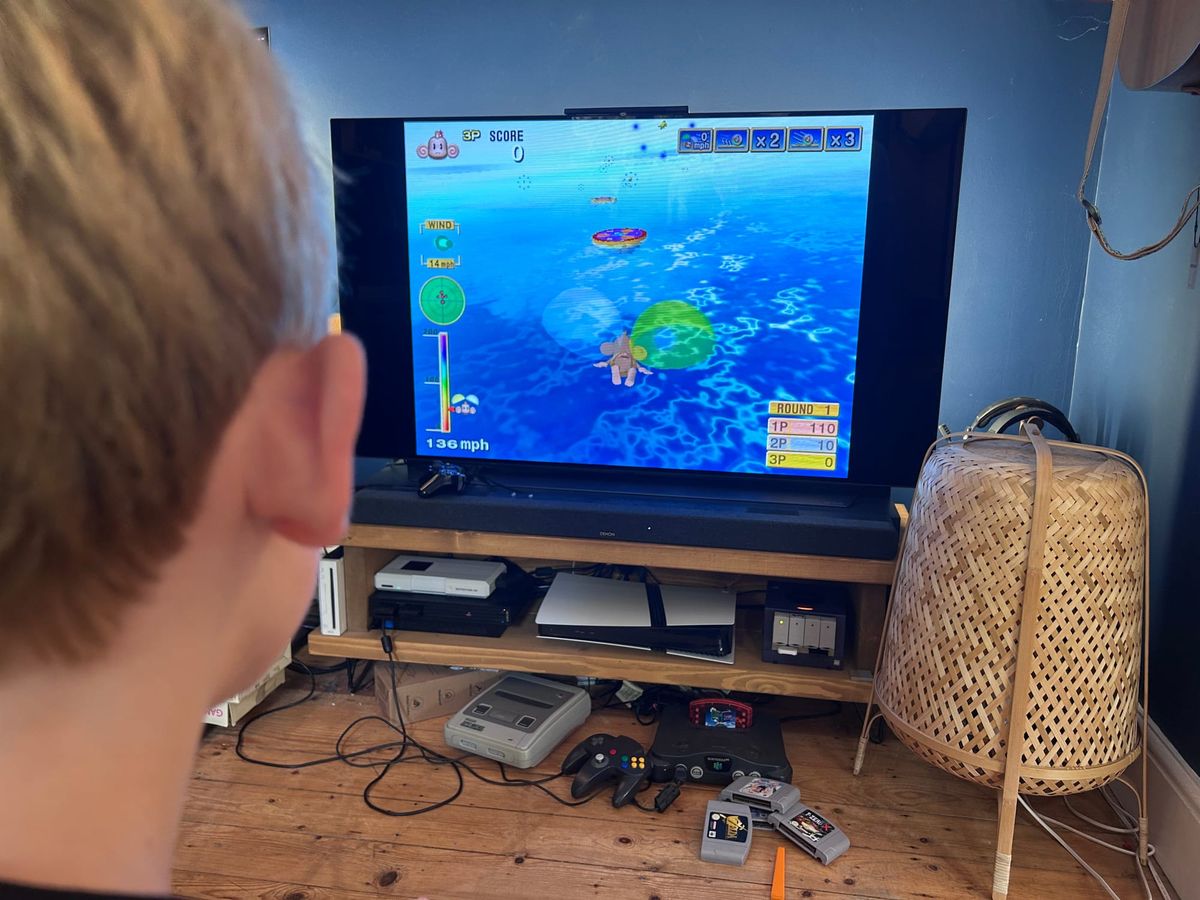
Hit Points · 2026

Hit Points · 2026
Hit Points · 2026
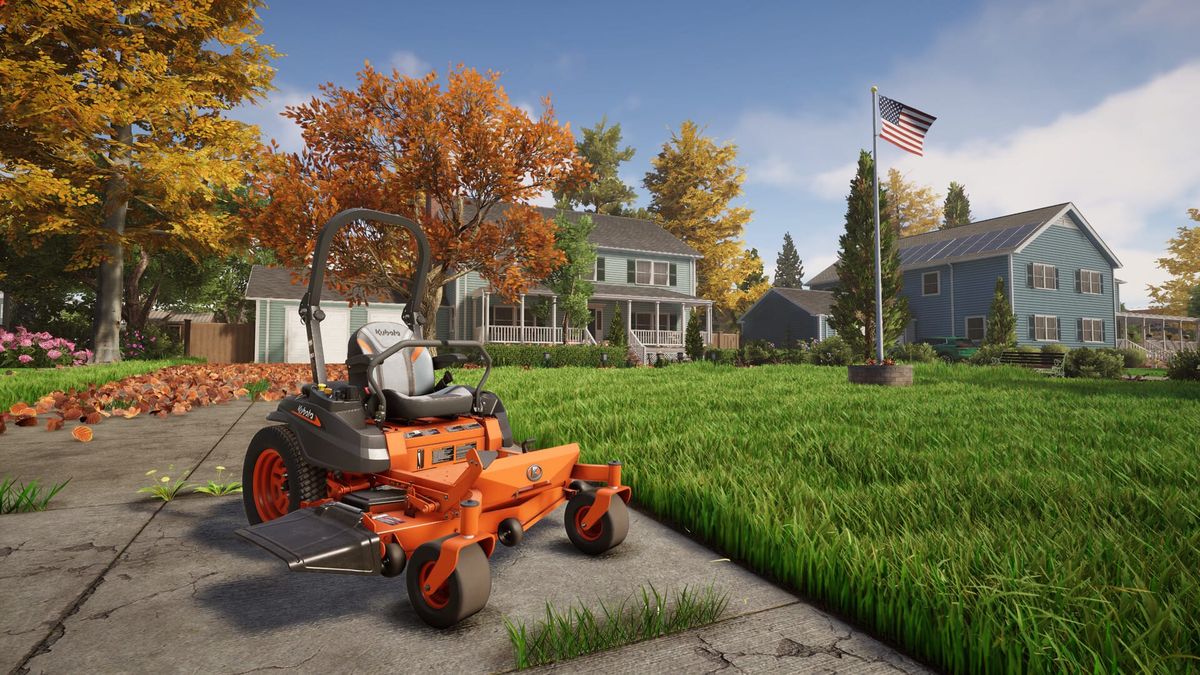
Hit Points · 2026
Naavik · 2024