Pixar
Company
Documents about Pixar
Game Developers Conference27 min
Implementing Pixar's Brain Trust Model at King and How It All Went Wrong
King, the developer behind the Candy Crush franchise, attempted to implement a centralized advisory model modeled after Pixar’s Brain Trust to improve game quality across its global studios.
- King failed to implement a centralized 'Brain Trust' model because teams perceived the static group of senior experts as intimidating gatekeepers, leading to the group being labeled the 'Angels of Death.'
- The initial centralized model collapsed due to a lack of clear goals, conflicting management feedback, and cultural misunderstandings regarding the role of 'champions' in the development process.
- King successfully pivoted to a decentralized governance model that separates project support from formal evaluation, utilizing a flexible network of senior creative talent instead of a fixed panel.
Game Developers ConferenceJul 2020
PocketGamer.biz19 min
How does DISNEY SORCERER'S ARENA retain, engage and monetize?
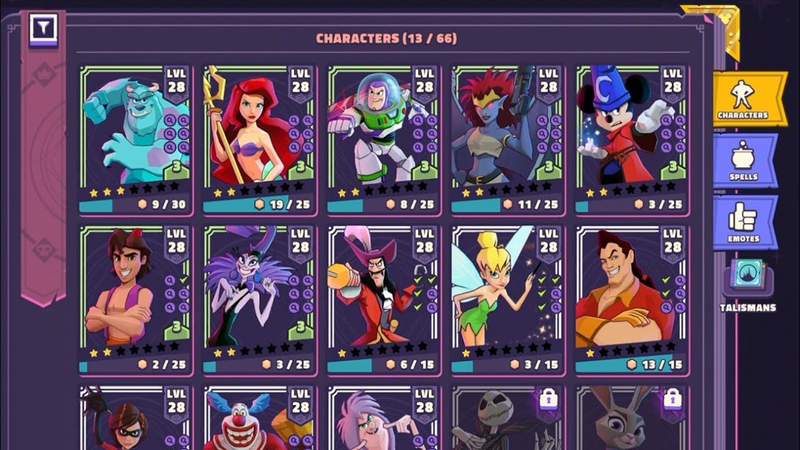
Disney Sorcerer’s Arena, a squad-based turn-based RPG developed by Glu Mobile, utilizes a complex, multi-layered monetization and engagement model built upon the broad appeal of the Disney and Pixar intellectual property.
- Disney Sorcerer’s Arena utilizes a shard-based collection system for Disney and Pixar characters, mirroring the core mechanics of Star Wars: Galaxy of Heroes.
- Monetization is driven by an aggressive, multi-layered economy featuring randomized loot boxes, specialized stores, and frequent pop-up offers designed to accelerate player progression.
- The game employs a tiered battle pass system called the 'Pass Holder' season, which incentivizes monthly recurring spending through a premium 'Gold Pass' offering exclusive bonuses.
PocketGamer.bizMar 2020

PocketGamer.biz8 min
Concept Art House CEO James Zhang on helping Supercell make its Super Bowl advert
Concept Art House provides high-end art, 3D animation, and pre-production services to the global gaming industry, contributing to approximately 500 games annually.
- Concept Art House supports approximately 500 games annually, providing high-end art and 3D animation services for major developers including Riot Games, Blizzard, and Hasbro.
- Mobile gaming is shifting toward console-quality graphics as developers utilize high-fidelity assets to differentiate products in a saturated market and justify rising production costs.
- The integration of established entertainment intellectual properties, such as Jurassic Park and The Hobbit, has become a primary strategy for securing top-grossing positions in mobile app stores.
PocketGamer.bizOct 2015
Extra Credits9 min
The Pre-Production Problem - How to Improve the Planning Process in Game Design - Extra Credits
The game development industry faces a systemic challenge regarding the pre-production phase, where a lack of adequate planning often leads to poor project outcomes.
- The primary barrier to effective pre-production is the high financial cost of maintaining idle staff, with mid-level programmers costing upwards of $8,000 per month.
- Studios can adopt a staggered production pipeline, similar to the model used by Pixar, to ensure a small, dedicated team focuses on early research and story development while the main workforce finishes the current project.
- Corporate management and investors often view pre-production as an inefficient use of resources because technical requirements are not yet finalized, leaving large teams without actionable tasks.
Extra CreditsMay 2012