Monetization & Live Ops
Revenue models, in-game economies, retention and live operations.
285 documents


App Annie
ReportState of Mobile 2022: Germany
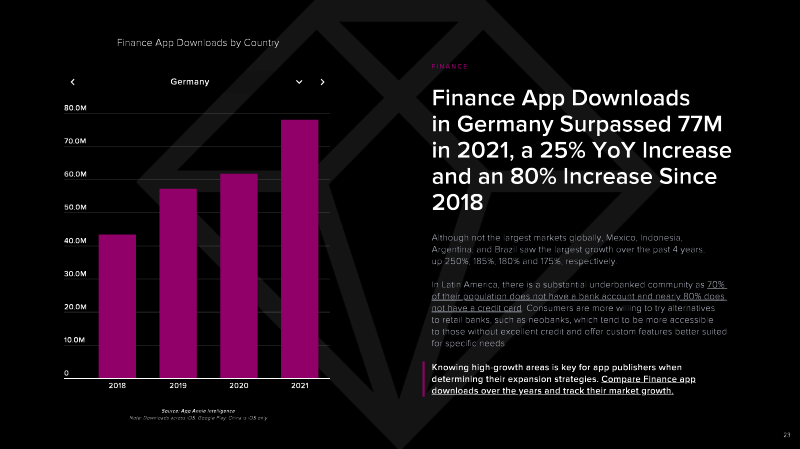
The German mobile landscape experienced a transformative period in 2021, characterized by a fundamental shift toward mobile-first engagement across nearly all facets of daily life. Daily time spent on mobile devices surged by 30 percent to reach 3.4 hours, while consumer spending grew by 72 percent over a two-year window. This expansion reflects a broader global trend where mobile has solidified its position as the primary channel for digital advertising and consumer interaction, supported by a global mobile ad market that reached $295 billion. The gaming sector remains a primary economic driver, generating $2.8 billion in consumer spend within Germany, fueled by the popularity of hypercasual titles and high-performing global hits. Beyond entertainment, the financial sector is undergoing a significant demographic shift as younger users increasingly bypass traditional retail banking in favor of neobanks and cryptocurrency platforms. This preference for specialized, mobile-first experiences extends to the retail and food sectors, where shopping app usage rose by 20 percent and food delivery sessions increased by 37 percent, bolstered by the rapid emergence of hyper-fast grocery delivery services. Post-pandemic behavioral shifts have further diversified the mobile ecosystem. While health and fitness app downloads have stabilized, engagement remains robust, with distinct preferences emerging between younger users focused on mental wellness and older cohorts prioritizing physical activity tracking. Simultaneously, the travel sector has staged a strong recovery, with download volumes exceeding 2019 pre-pandemic levels by late 2021. Other sectors, including dating, sports, and utility-based medical applications, also recorded substantial growth, underscoring a comprehensive integration of mobile technology into the German consumer experience. These findings illustrate a mature, high-growth market that continues to prioritize convenience, specialized utility, and digital-first service delivery.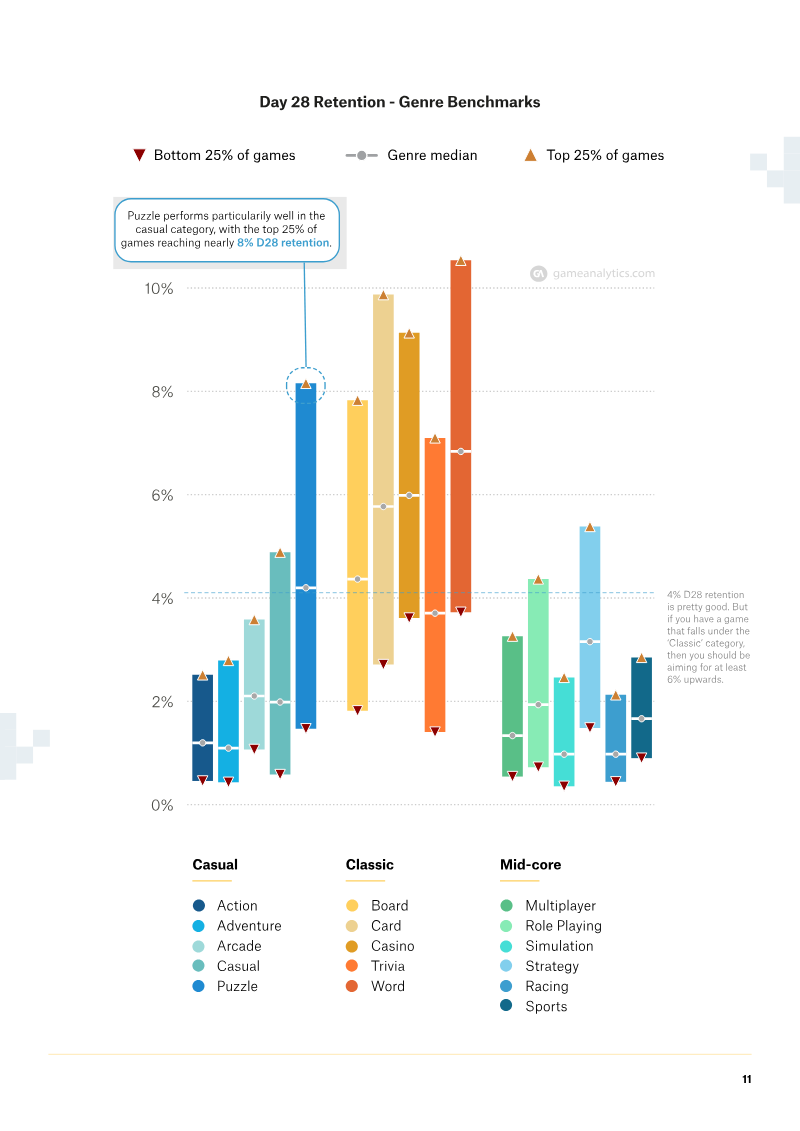
GameAnalytics
ReportMobile Gaming Benchmarks Report: H1 2019
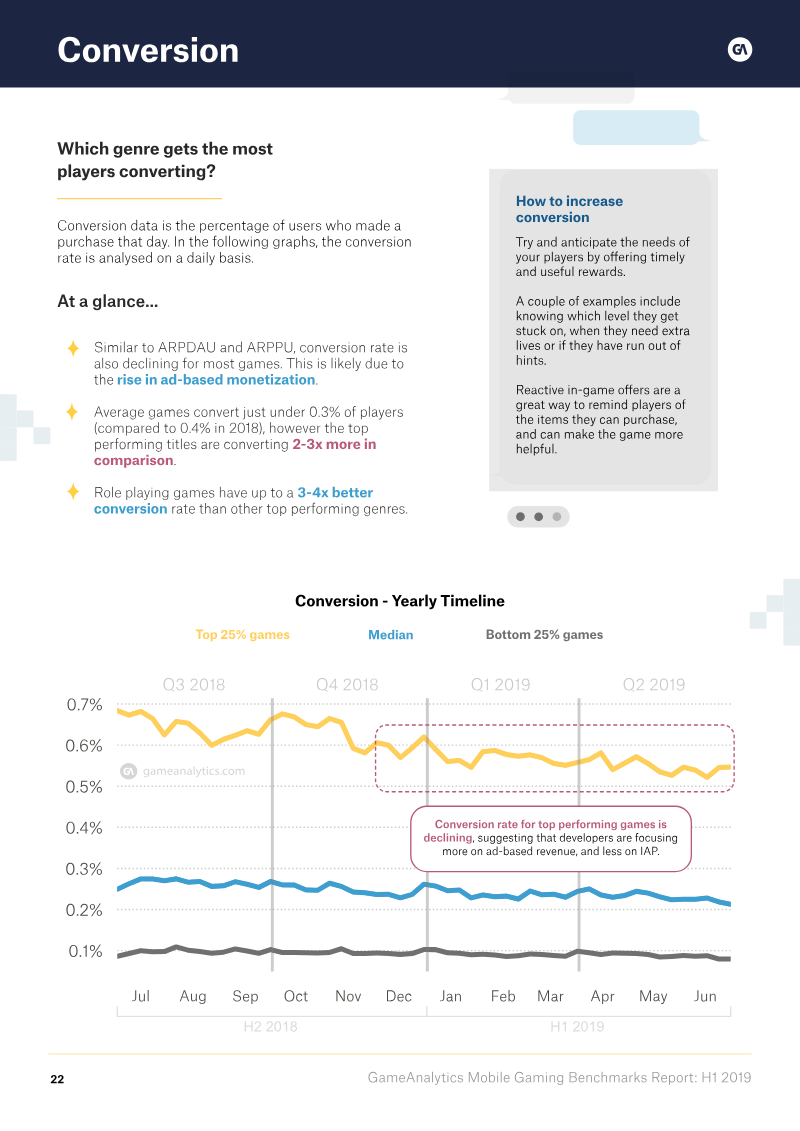
The mobile gaming landscape during the first half of 2019 underwent a significant structural transition, characterized by a pivot from traditional in-app purchase models toward ad-based monetization strategies. This shift is underscored by a 15 to 20 percent year-on-year decline in average revenue per paying user and average revenue per daily active user within the casual gaming sector. While mid-core genres, specifically role-playing and strategy titles, maintain their position as the primary drivers of revenue and conversion, the broader market is increasingly defined by the dominance of hyper-casual games. Player engagement metrics, including retention rates, session lengths, and overall stickiness, experienced slight downward pressure across the industry. Classic genres such as card, casino, and word games continue to exhibit the most resilient performance in terms of retention and session duration. To mitigate rising churn rates, developers are being urged to prioritize the development of robust endgame content. Simultaneously, China has emerged as a critical high-value region for effective cost per mille, further influencing global monetization strategies. Publishing practices are evolving to meet these challenges, with industry leaders leveraging sophisticated data analytics to streamline development pipelines. By establishing strict performance thresholds—such as a 50 percent day-one retention requirement—publishers are able to identify high-potential titles early in the lifecycle. This data-driven approach allows for the rapid optimization of gameplay and lifecycle performance, ensuring that resources are concentrated on titles capable of sustaining long-term engagement in an increasingly competitive and ad-centric market environment.

Sensor Tower
ReportDigital Market Index: Q4 2025
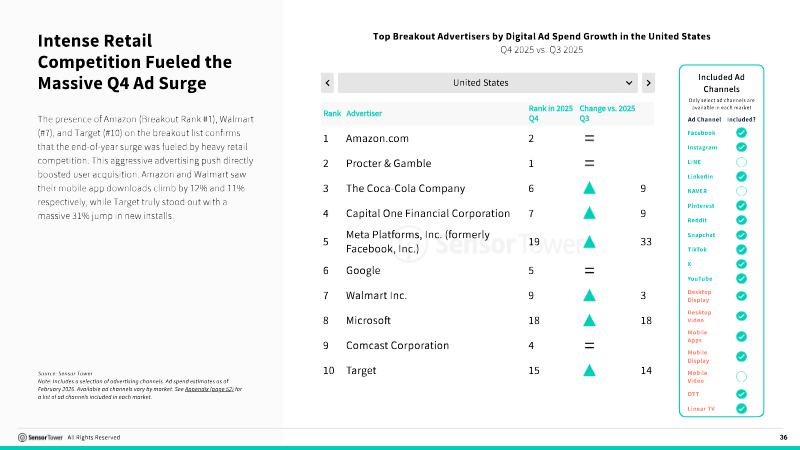
The mobile and digital advertising landscape underwent a structural transformation in the final quarter of 2025, characterized by a pivot toward generative artificial intelligence and a cooling of the traditional gaming sector. While global mobile download volumes remained largely stagnant, non-gaming applications—specifically productivity tools and AI-integrated services—emerged as the primary drivers of growth. The gaming industry entered a period of stabilization, recording modest revenue gains of 1.5% as strategy and puzzle titles maintained dominance despite a broader decline in genre-wide download volumes. Geographically, the market exhibited divergent trends, with India serving as the primary engine for download expansion, while Europe experienced a significant 23% year-over-year surge in monetization. Digital advertising reached record levels, totaling $53.2 billion in the United States alone. This growth was fueled by a 172% increase in generative AI-related ad spend and a 21% rise in over-the-top video investment as streaming platforms successfully captured traditional broadcast budgets. Social media remains the dominant advertising channel, accounting for 59% of total expenditure. Retail media networks played a pivotal role in the quarter’s economic performance, with Amazon maintaining a commanding lead by generating 123 billion impressions, significantly outpacing competitors like Walmart and Target. This retail media expansion coincided with a fundamental shift in digital discovery, as generative AI platforms increasingly diverted traffic away from traditional organic search engines. These developments underscore a broader transition in consumer behavior, where AI-driven utility and retail-integrated advertising are rapidly displacing legacy models of digital engagement and search.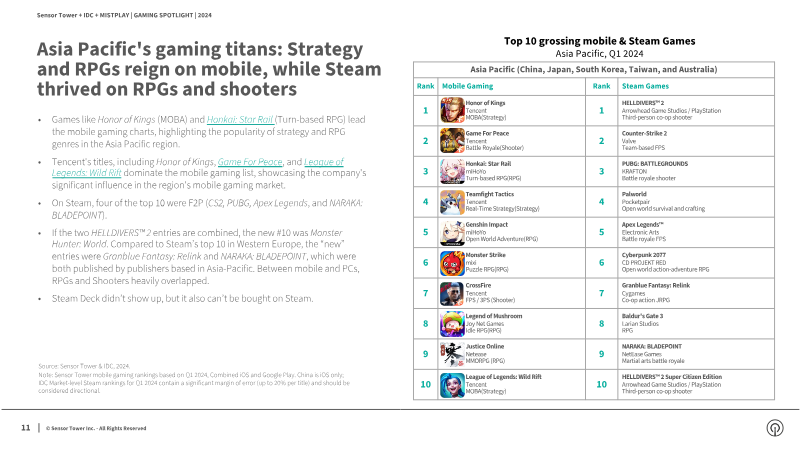

Sensor Tower
ReportGaming Spotlight: H1 2024 Review
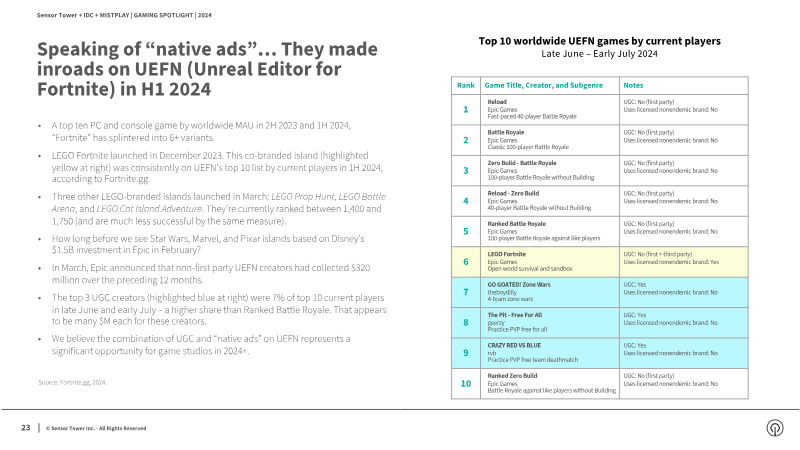
The global gaming industry continues to demonstrate resilience in the first half of 2024, anchored by the mobile sector’s projected 6% growth to $83 billion in consumer spending. While broader economic headwinds persist, mobile platforms remain the primary engine for industry revenue, fueled by sophisticated live operations and targeted monetization strategies. In contrast, the PC and console markets maintain distinct genre preferences, with shooters and RPGs dominating Steam, while handheld console shipments face a significant 36% decline. This divergence highlights a maturing ecosystem where success is increasingly contingent upon aligning specific monetization models with regional and genre-based player behaviors. Top-performing mobile titles, including MONOPOLY GO!, Royal Match, and Whiteout Survival, have reached multi-billion dollar milestones by effectively balancing paid user acquisition with deep demographic engagement. These titles underscore the necessity of aggressive marketing in crowded app stores, particularly within the casual puzzle and tabletop genres. However, the reliance on paid acquisition is tempered by the critical need for sustainable retention strategies. Rewarded video ads currently serve as the most effective format for U.S. mobile gamers, providing a necessary bridge between monetization and player retention, though developers must navigate the fine line between engagement and ad fatigue. The integration of user-generated content and native advertising represents a pivotal shift in player retention, with titles incorporating these elements seeing daily playtime figures double compared to traditional games. Despite these advancements, ad oversaturation remains a primary driver of player churn, with nearly half of the user base citing excessive advertising as a reason for abandonment. To sustain growth, developers must prioritize a diversified approach that blends incentivized ad formats with immersive, community-driven content to foster long-term loyalty in an increasingly competitive global landscape.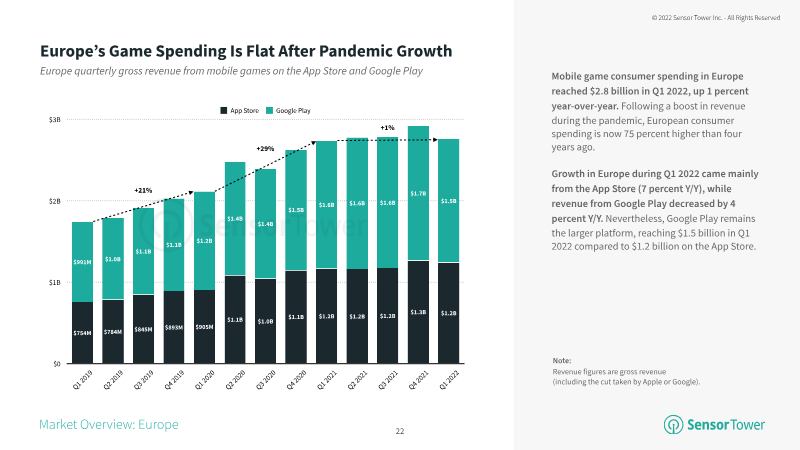
Sensor Tower
ReportThe State of Mobile Gaming 2022
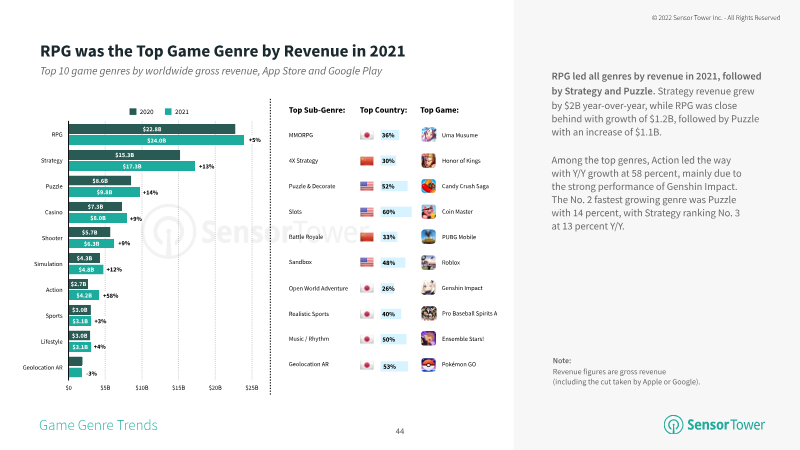
The global mobile gaming market reached a historic inflection point in the first quarter of 2022, recording its first year-over-year revenue decline of 6% to $21.2 billion. This contraction reflects a normalization of consumer spending following the unprecedented surge observed during the pandemic, compounded by macroeconomic pressures such as rising inflation. Despite the downturn in total revenue, global download volume remained resilient at approximately 14 billion installs, indicating that user engagement persists even as per-user spending fluctuates. Geographic shifts are fundamentally altering the industry landscape. While major established markets like the United States and Japan experienced double-digit revenue declines, emerging regions such as Southeast Asia, Latin America, and Turkey are increasingly becoming vital centers for growth and development. Turkey, in particular, has solidified its position as a rapidly expanding hub for both revenue generation and game production. Conversely, the Asian market, which remains the world’s most lucrative, saw a 7% revenue drop, largely influenced by an 18% decline in Japan. Genre performance and monetization strategies continue to evolve in response to these market conditions. Hypercasual titles maintain their dominance in download volume, accounting for nearly one-third of all global installs. While RPGs and Shooters faced significant revenue headwinds, they remain critical to the ecosystem, often bolstered by effective monetization models like Season Passes. Although the industry is experimenting with diverse revenue streams, traditional models such as Gacha and Season Passes remain the most effective tools for driving engagement. In contrast, newer integrations like NFT and crypto-based monetization have yet to achieve meaningful traction or widespread adoption within the current mobile gaming environment.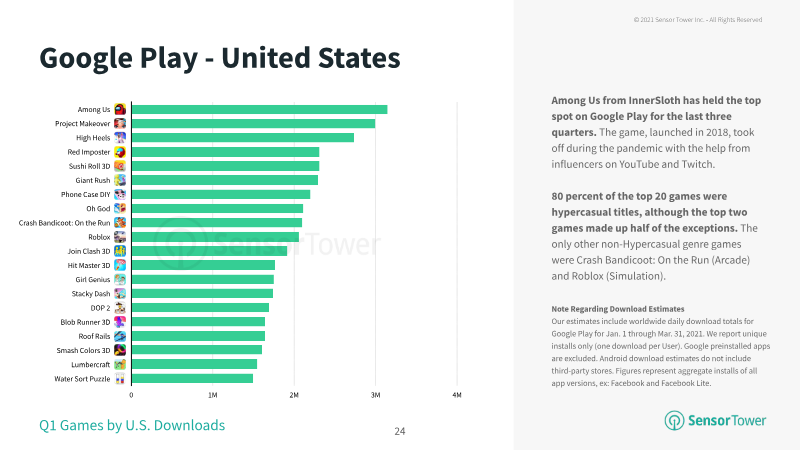

Sensor Tower
ReportQ1 2021 Data Digest
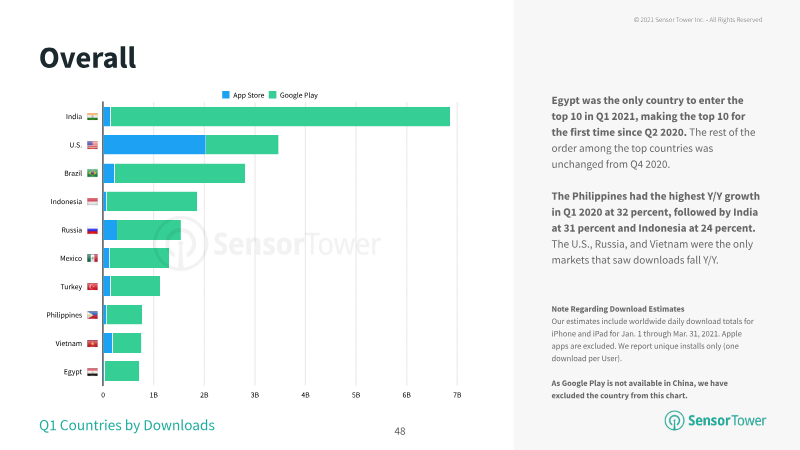
The mobile application landscape in the first quarter of 2021 experienced a period of robust expansion, with worldwide downloads reaching 36.6 billion. This 8.7% year-over-year increase was primarily propelled by a 15.3% surge in Google Play installs, which offset a slight decline in Apple App Store performance. The period was defined by shifting consumer priorities, most notably a significant migration toward secure messaging platforms like Telegram and Signal, as well as a heightened interest in finance and stock trading applications driven by global market volatility. Mobile gaming remained a cornerstone of the digital economy, characterized by the continued dominance of hypercasual titles. Publishers such as Voodoo, AppLovin, and Crazy Labs maintained substantial market share, with games like Join Clash 3D leading global download charts. While established industry giants like Google and Facebook retained their status as top-tier global publishers, the market saw successful regional entries from new releases such as Project Makeover and Crash Bandicoot: On the Run, the latter of which achieved notable success in the United States and Europe. Geographically, the industry displayed diverse growth patterns. China maintained its leadership position in App Store downloads, while emerging markets including India and the Philippines recorded the highest year-over-year growth rates. In India, the regulatory environment catalyzed a shift in market share toward domestic publishers. Ultimately, the quarter underscored a fragmented but highly active digital ecosystem where no single messaging or gaming entity held absolute dominance, reflecting a competitive environment defined by rapid consumer adoption of niche utilities and hypercasual entertainment.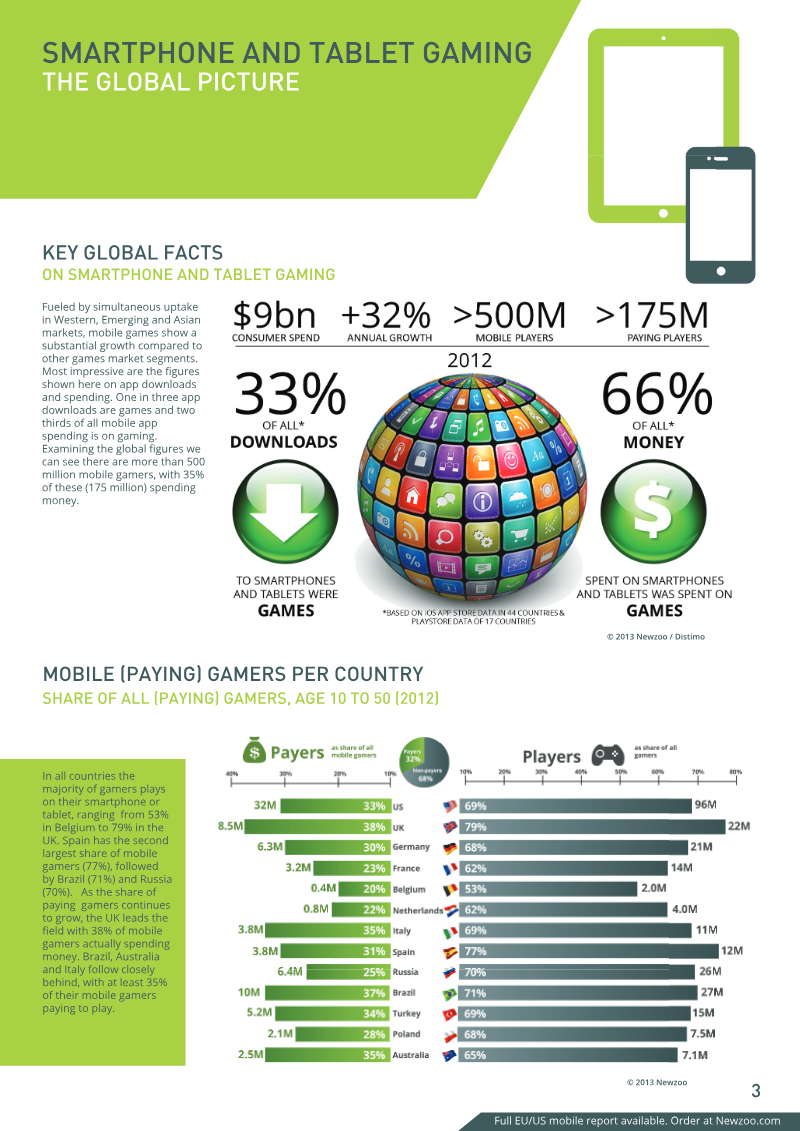

Newzoo
ReportMobile Games: Placing Smartphone and Tablet Gaming in Perspective of the Total Games Market 2012
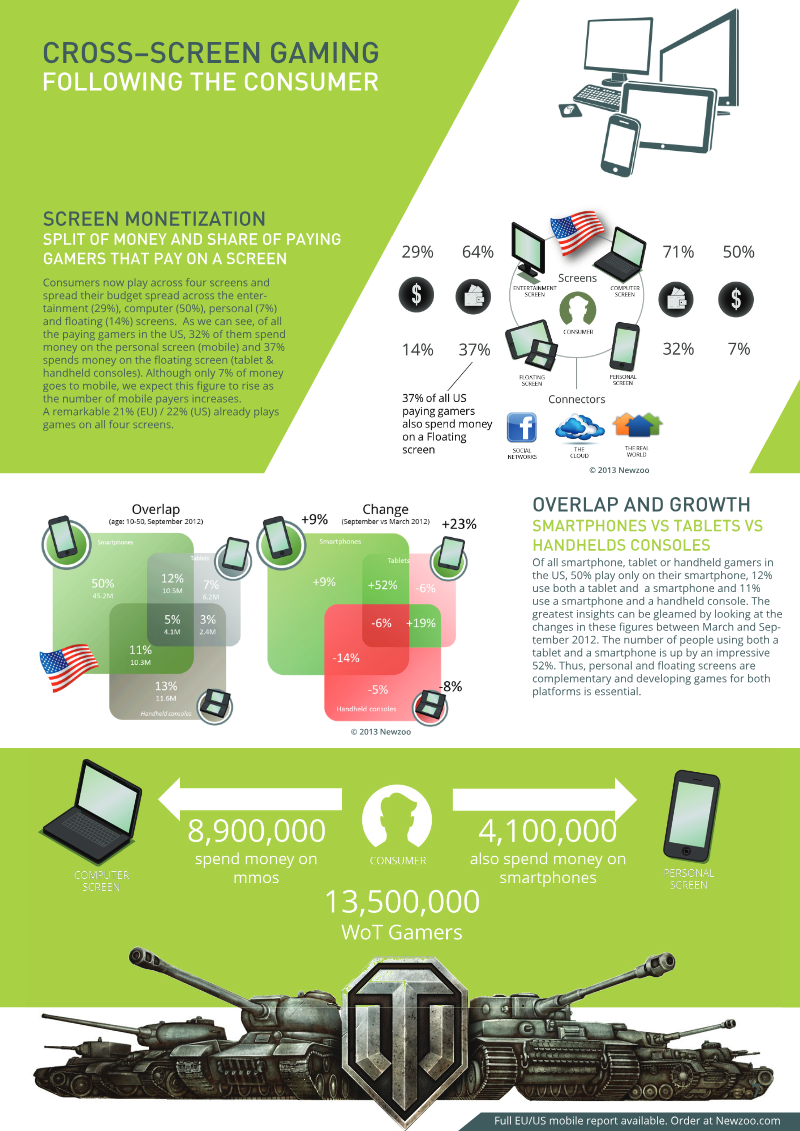
The 2012 mobile gaming landscape was defined by a rapid shift in consumer behavior, characterized by the adoption of multiple screens and the dominance of free-to-play (F2P) monetization models. The industry experienced a significant transition as gamers moved away from traditional PC and TV-centric play toward a multi-screen environment that includes smartphones and tablets. This shift necessitated a move away from single-screen metrics, which had previously led to investor confusion and a 50% decline in external investment volume during 2012. Key findings indicate that mobile gaming became a primary revenue driver, with two out of every three dollars spent on smartphones and tablets allocated to games. By the end of 2012, there were over 500 million mobile gamers globally, 175 million of whom were paying users. F2P models emerged as the most profitable strategy, accounting for 70% of iOS revenue in the US and Europe. While the iOS App Store maintained a dominant revenue share in Western markets, Google Play showed stronger performance in Japan. Demographic data revealed that iOS gamers generally possessed higher incomes and were more likely to be in full-time employment compared to their Google Play counterparts. The analysis, which covers 44 countries for iOS data and 17 for Google Play, emphasizes that the modern games market is a global, multi-screen ecosystem. The research highlights that mobile and tablet usage is complementary, with a 52% increase in users engaging with both devices between March and September 2012. Ultimately, the findings suggest that for game publishers to succeed, they must adopt a multi-screen strategy that balances consumer value with monetization, as the launch of a game now serves only as the starting point for a long-term service-based relationship with the player.

Newzoo
ReportGlobal Monetization of Games: Emerging Markets as Drivers of Growth
The global gaming industry is undergoing a significant transformation, with total market value projected to reach $70.4 billion. Mobile gaming serves as the primary catalyst for this expansion, currently experiencing a 35% year-over-year growth rate. This surge is fundamentally altering how companies approach revenue generation, necessitating a move away from traditional platform-centric metrics toward a more nuanced screen segmentation model. By tracking player behavior, time investment, and conversion rates across various devices, organizations can better align their monetization strategies with actual consumer engagement patterns. Emerging markets, particularly Russia, are identified as critical engines for this industry-wide growth. To capitalize on these regions, companies must transition toward a Games as a Service operational framework. This shift requires internal organizational restructuring to prioritize live operations, sophisticated data analytics, and proactive community management. These competencies are no longer optional but are essential for maintaining long-term player retention and maximizing lifetime value in an increasingly competitive global landscape. Success in this evolving environment depends on the integration of granular consumer data and localized market insights. As the industry moves toward a service-oriented model, the ability to synthesize platform-specific trends with regional demographic behaviors becomes the primary differentiator for stakeholders. By adopting these data-driven methodologies, firms can navigate the complexities of the 2013 market landscape and secure sustainable growth across both established and developing territories.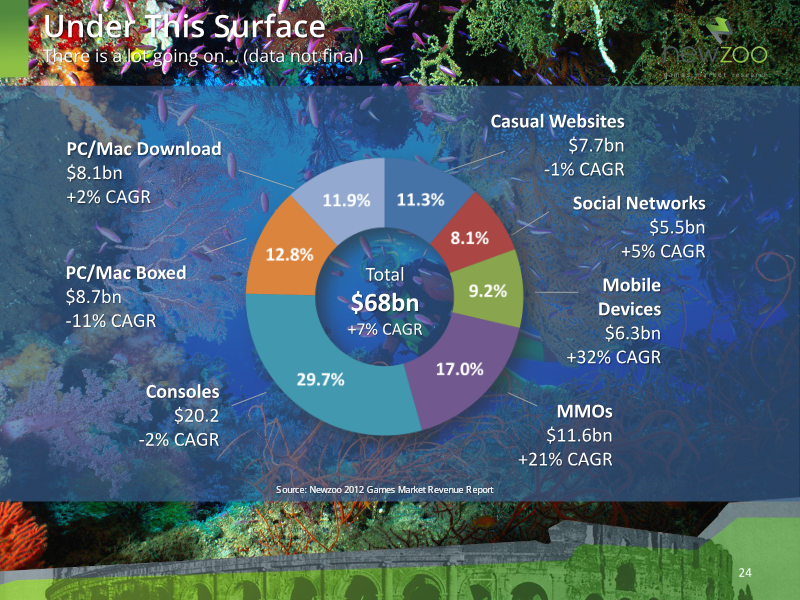


Newzoo
ReportImpact of Free-to-Play: Online, Mobile & Cross-Platform
The global games industry is undergoing a fundamental transformation as the traditional boxed product model stagnates in favor of free-to-play mechanics and cross-platform accessibility. As of 2012, the market is shifting toward a service-oriented ecosystem where mobile devices and massively multiplayer online games serve as the primary engines for growth. Mobile revenue is projected to expand at a compound annual growth rate of 32 percent, significantly outpacing the decline of dedicated handheld consoles. This transition necessitates a departure from legacy revenue-only metrics, requiring publishers to prioritize granular tracking of player engagement time and the conversion rates of paying users to ensure long-term sustainability. Success in this evolving landscape depends on treating free-to-play as a holistic business strategy rather than a mere pricing tactic. Titles such as League of Legends and Kingdoms of Camelot demonstrate that profitability is increasingly tied to continuous service updates and the ability to capture value across multiple hardware environments. The integration of the Screen Segmentation Model reveals that while computer screens remain the primary venue for total playtime, a growing cohort of high-value gamers now fluidly transitions between entertainment, personal, and mobile screens. Major retailers are responding to this trend by aggressively integrating free-to-play models to secure market share. Ultimately, the industry is moving toward a multi-device reality where consumer spending is no longer tethered to a single platform. While the paying demographic remains predominantly male, the expansion of mobile monetization is creating a global footprint that challenges established retail norms. To remain competitive, publishers must reorganize their operations to support cross-platform experiences that provide consistent value, as modern players increasingly distribute their gaming budgets across a diverse array of digital touchpoints.
Newzoo
ReportThe 5 Factors Defining the Future of Esports
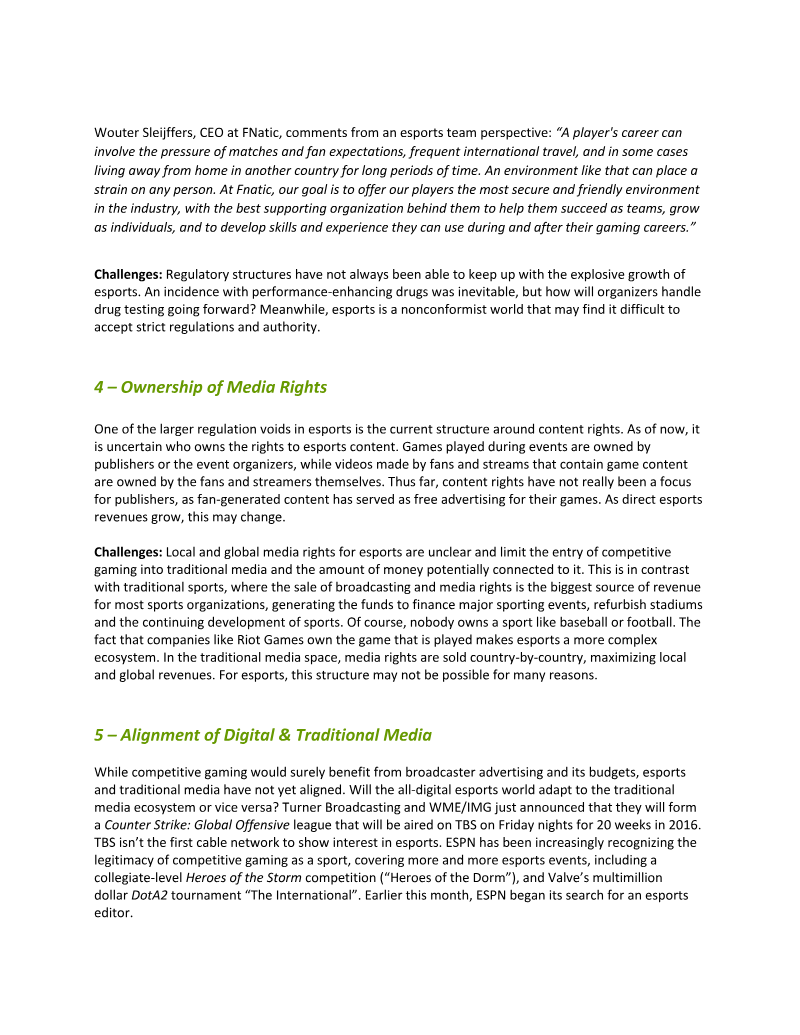
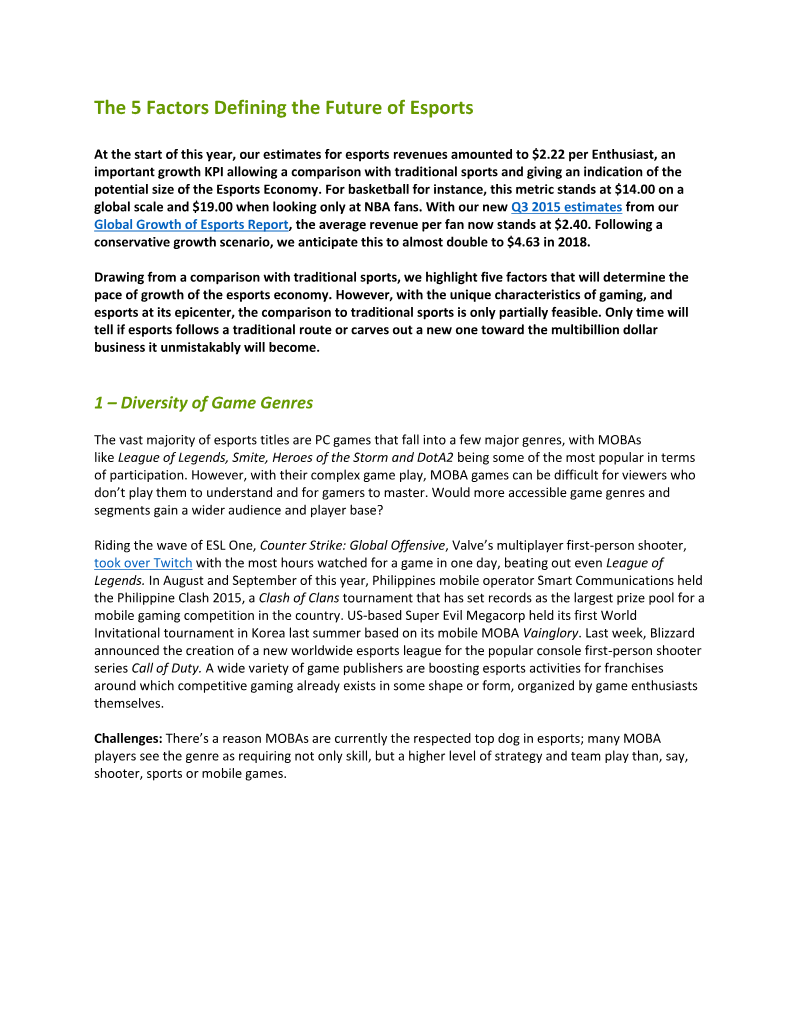
The esports industry is currently undergoing a rapid evolution, with revenue per enthusiast projected to grow from $2.40 in 2015 to $4.63 by 2018. As the sector matures, its trajectory is being shaped by five critical factors: the diversification of game genres, the geographic expansion of leagues, the implementation of formal competition regulations, the clarification of media rights, and the integration of digital and traditional media. While the industry draws parallels to traditional sports, its unique structure—specifically the fact that game publishers own the intellectual property of the games themselves—creates a distinct ecosystem that requires a tailored approach to growth. Key findings indicate that while MOBAs currently dominate the competitive landscape, the rise of first-person shooters and mobile titles is broadening the audience base. However, this growth faces structural hurdles. For instance, the lack of standardized, globalized league hierarchies limits the industry’s ability to capture local advertising budgets. Furthermore, the rapid influx of capital and betting interest necessitates robust regulatory frameworks to prevent match-fixing and ensure player welfare, a challenge complicated by the industry's nonconformist culture. The monetization of esports is further hindered by ambiguous media rights, which contrast sharply with the established broadcasting models of traditional sports. While partnerships with networks like TBS and ESPN signal increasing mainstream legitimacy, brands remain cautious due to lingering demographic prejudices and a lack of integrated advertising technology. Ultimately, the industry’s transition into a multibillion-dollar business depends on its ability to reconcile these internal complexities with the demands of global media and advertising markets. Data for these insights is derived from the Global Esports Audience & Revenue Model, incorporating industry-wide trends and expert perspectives to provide a comprehensive outlook on the sector's future.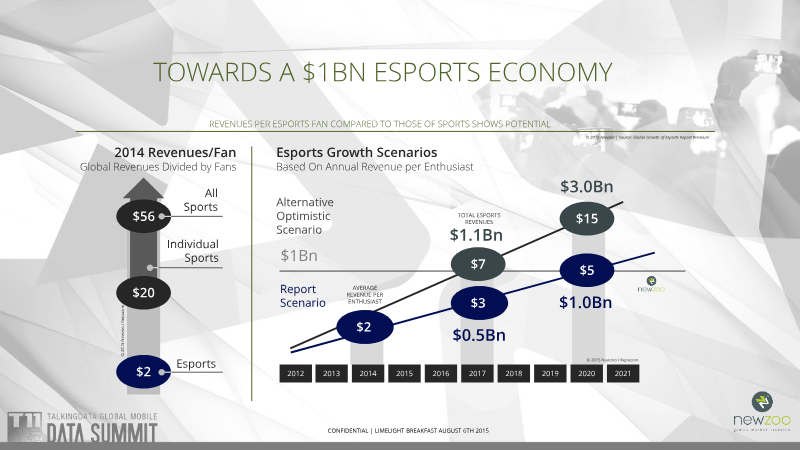

Newzoo
PresentationThe Global Games Market: Trends, Market Data and Opportunities
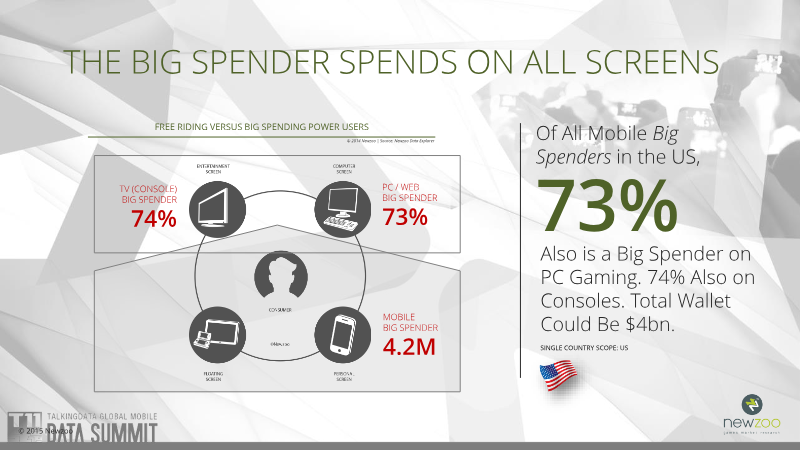
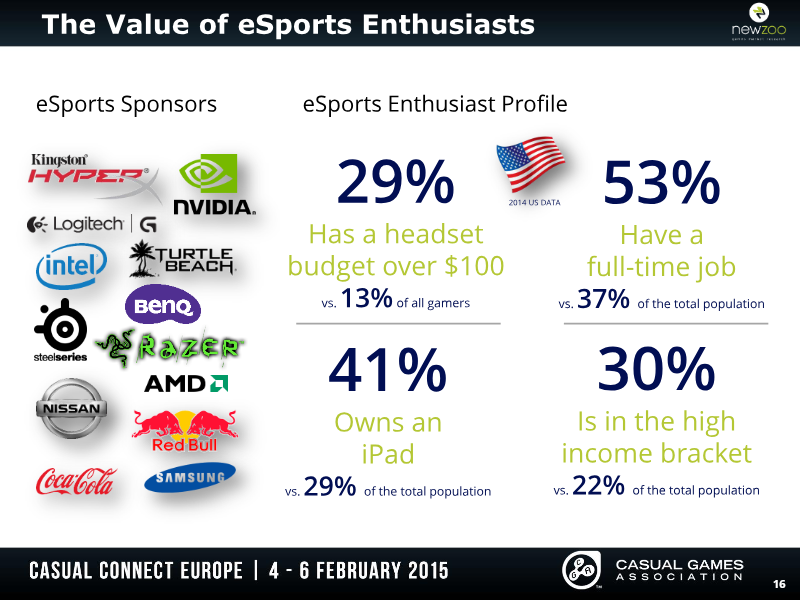
The global games industry is currently undergoing a fundamental transformation characterized by the rapid ascent of mobile gaming and the professionalization of competitive esports. As the market matures, the esports sector is projected to reach a $1 billion valuation by 2019, fueled by an increasing convergence between traditional sports and digital competitive play. This growth is underpinned by a shift toward data-centric business models, where advanced analytics and big data integration serve as the primary drivers for monetization, user retention, and strategic decision-making. Mobile gaming remains the dominant force in this landscape, with China, Japan, and the United States serving as the primary engines of revenue. In the United States, the most valuable consumer segment consists of employed, family-oriented males aged 21 to 35 who demonstrate high engagement across multiple platforms. Conversely, the Chinese market presents a more complex environment defined by Apple’s hardware dominance and a highly fragmented Android ecosystem. Navigating these regional nuances requires granular insights, such as genre-specific payment rates and session behavior, to effectively optimize user experiences. Success in this evolving market increasingly depends on the application of sophisticated metrics to refine product development and marketing strategies. Implementing data-driven interventions, such as post-purchase tutorials, has proven effective in increasing repeat order rates and overall lifetime value. By leveraging comprehensive mobile game metrics and behavioral analytics, stakeholders can better navigate the complexities of international markets and capitalize on the shifting preferences of a global player base. This analytical approach is essential for maintaining a competitive edge as the industry continues to integrate deeper technological and behavioral insights into its core operations.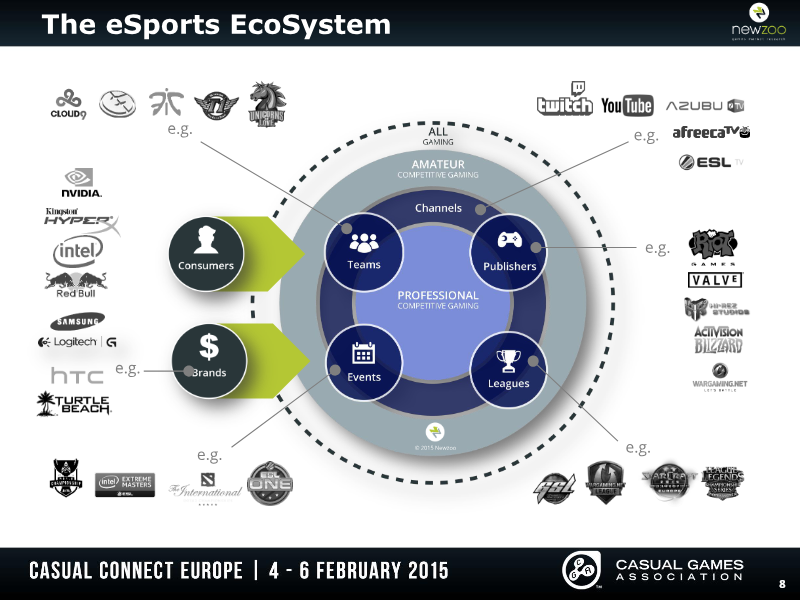

Newzoo
Report