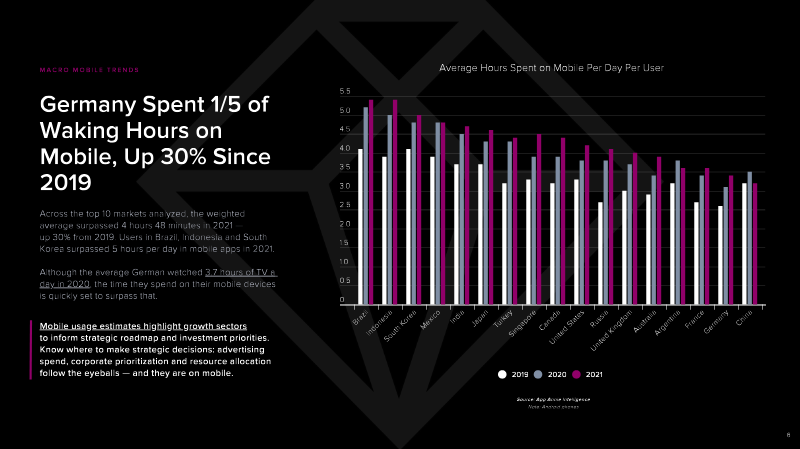
Daily time spent on mobile devices surged by 30% to reach 3.4 hours. Consumer spending also grew by 72% over a two-year period.
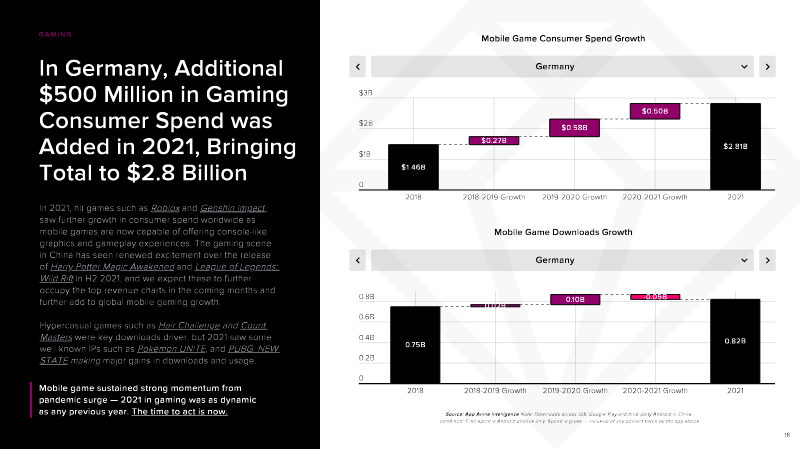
The sector generated $2.8 billion in consumer spend. This was driven by the popularity of hypercasual titles and high-performing global hits.
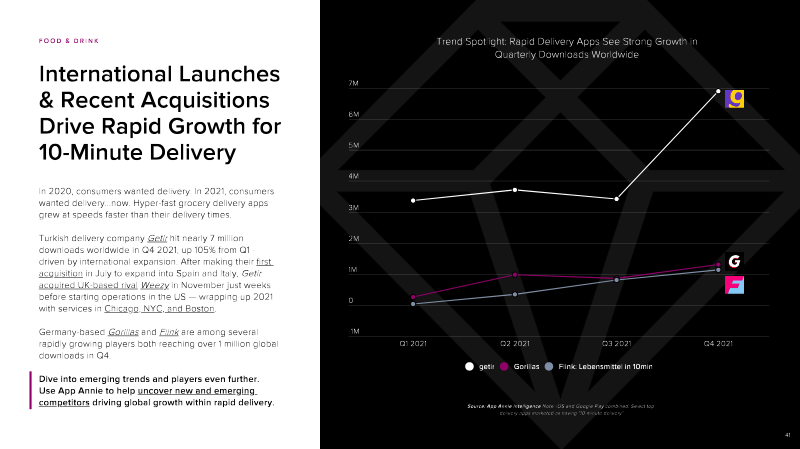
Mobile shopping app usage increased by 20%, and food delivery sessions rose by 37%. Hyper-fast grocery delivery services fueled this growth.
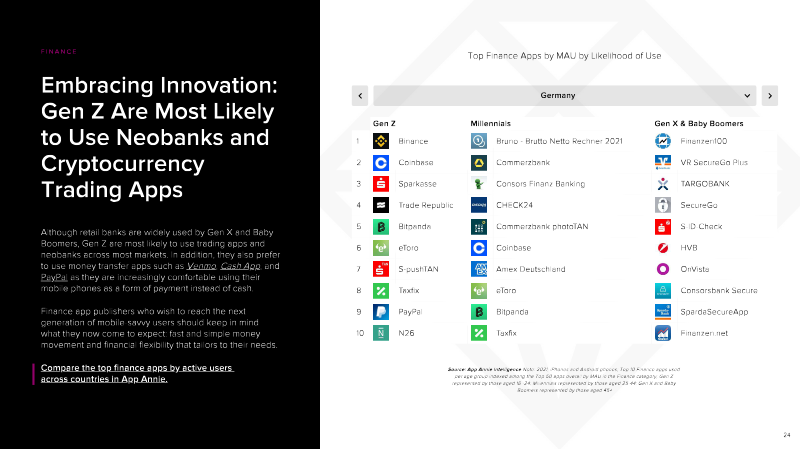
Younger demographics are increasingly bypassing traditional retail banking. They prefer neobanks and cryptocurrency platforms.
It's like choosing a streaming service over traditional cable TV.
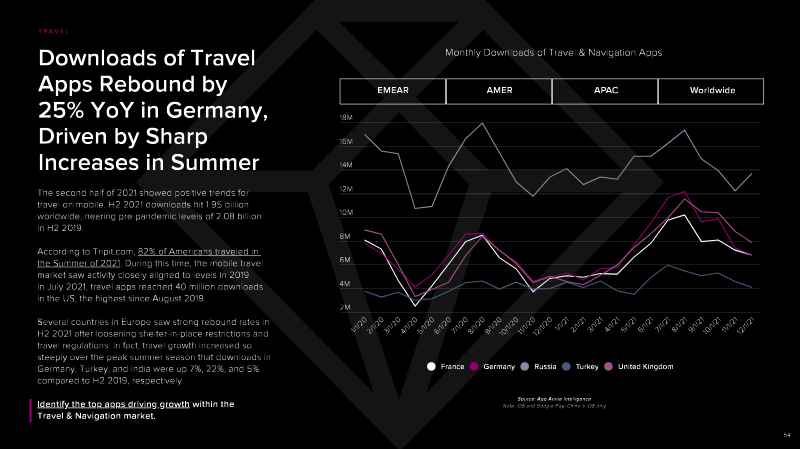
Download volumes exceeded 2019 pre-pandemic levels.
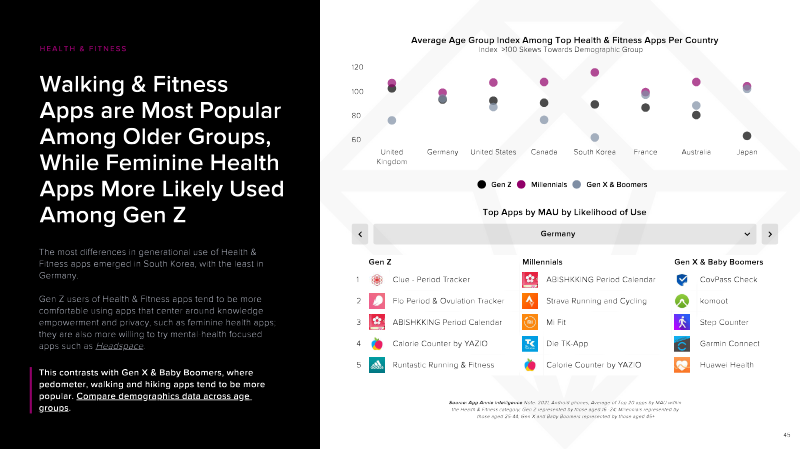
Younger users focus on mental wellness. Older cohorts prioritize physical activity tracking.
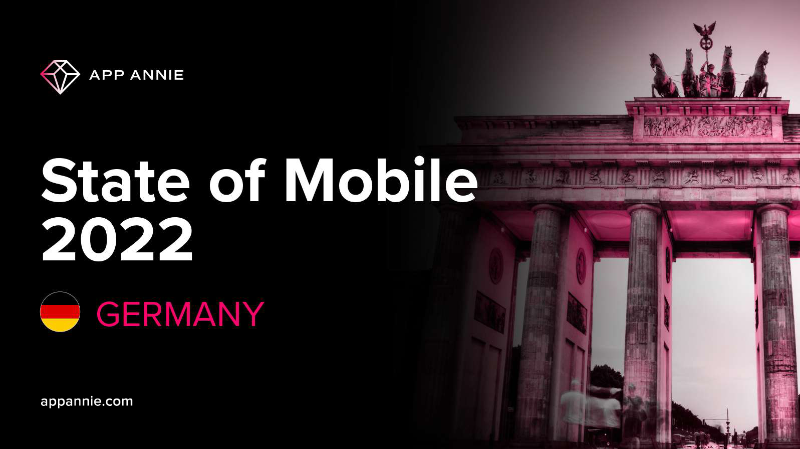
The German mobile landscape experienced a transformative period in 2021, characterized by a fundamental shift toward mobile-first engagement across nearly all facets of daily life. Daily time spent on mobile devices surged by 30 percent to reach 3.4 hours, while consumer spending grew by 72 percent over a two-year window. This expansion reflects a broader global trend where mobile has solidified its position as the primary channel for digital advertising and consumer interaction, supported by a global mobile ad market that reached $295 billion.
The gaming sector remains a primary economic driver, generating $2.8 billion in consumer spend within Germany, fueled by the popularity of hypercasual titles and high-performing global hits. Beyond entertainment, the financial sector is undergoing a significant demographic shift as younger users increasingly bypass traditional retail banking in favor of neobanks and cryptocurrency platforms. This preference for specialized, mobile-first experiences extends to the retail and food sectors, where shopping app usage rose by 20 percent and food delivery sessions increased by 37 percent, bolstered by the rapid emergence of hyper-fast grocery delivery services.
Post-pandemic behavioral shifts have further diversified the mobile ecosystem. While health and fitness app downloads have stabilized, engagement remains robust, with distinct preferences emerging between younger users focused on mental wellness and older cohorts prioritizing physical activity tracking. Simultaneously, the travel sector has staged a strong recovery, with download volumes exceeding 2019 pre-pandemic levels by late 2021. Other sectors, including dating, sports, and utility-based medical applications, also recorded substantial growth, underscoring a comprehensive integration of mobile technology into the German consumer experience. These findings illustrate a mature, high-growth market that continues to prioritize convenience, specialized utility, and digital-first service delivery.