Serious Games Society
Serious Games Society is an organization focused on shaping the future of serious games and connecting people in the serious game space. It publishes reports and articles on serious games, game-based learning, and gamification.
Documents
eJamar and Exergames for Hand Rehabilitation: Four Case Studies
The integration of the eJamar Bluetooth controller into clinical hand rehabilitation protocols offers a viable, gamified approach to improving motor recovery.
GEMS: Evaluating the Relative Importance of Game Attributes
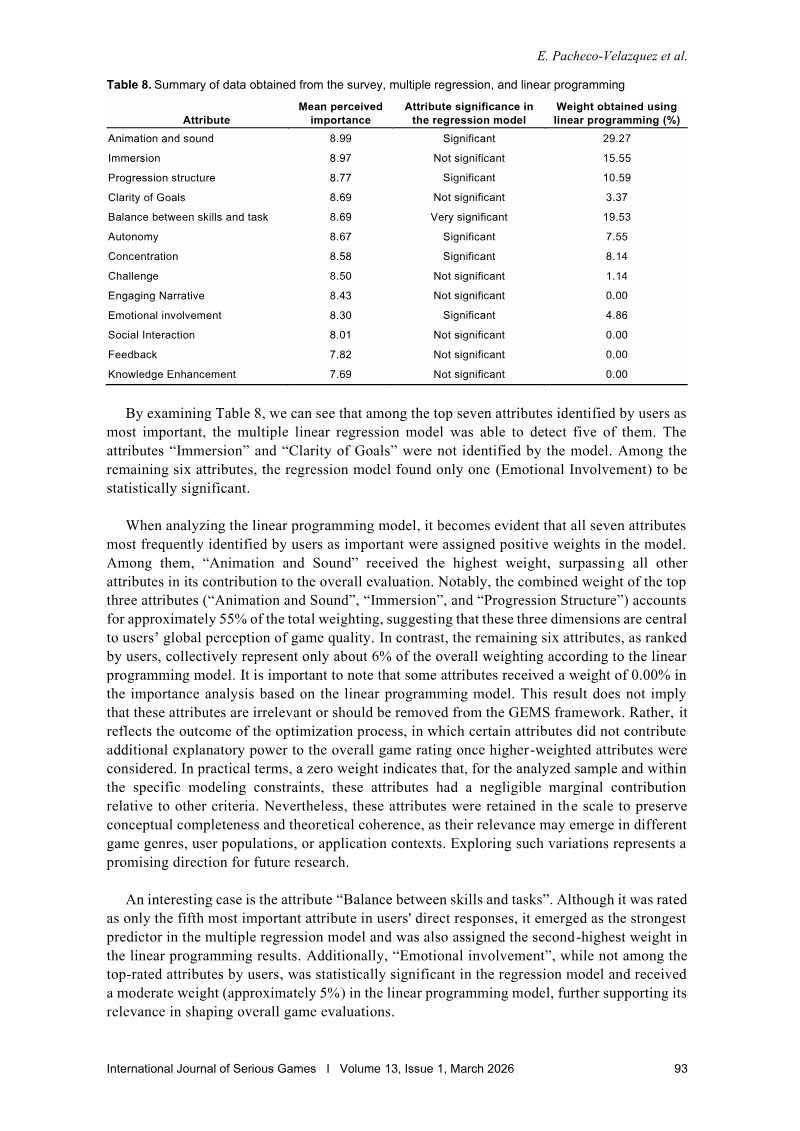
The Game Experience Multidimensional Scale (GEMS) provides a rigorous, evidence-based framework for quantifying the specific attributes that drive player satisfaction in entertainment software.
- The GEMS framework identifies animation, sound, immersion, skill-task balance, and progression structure as the primary drivers of player satisfaction.
- Structural gameplay integrity, specifically the equilibrium between player ability and task difficulty, is the most significant factor in shaping overall user perception.
- The 13-item GEMS instrument accounts for nearly 49% of the variance in player ratings, providing a statistically significant model for evaluating game quality.
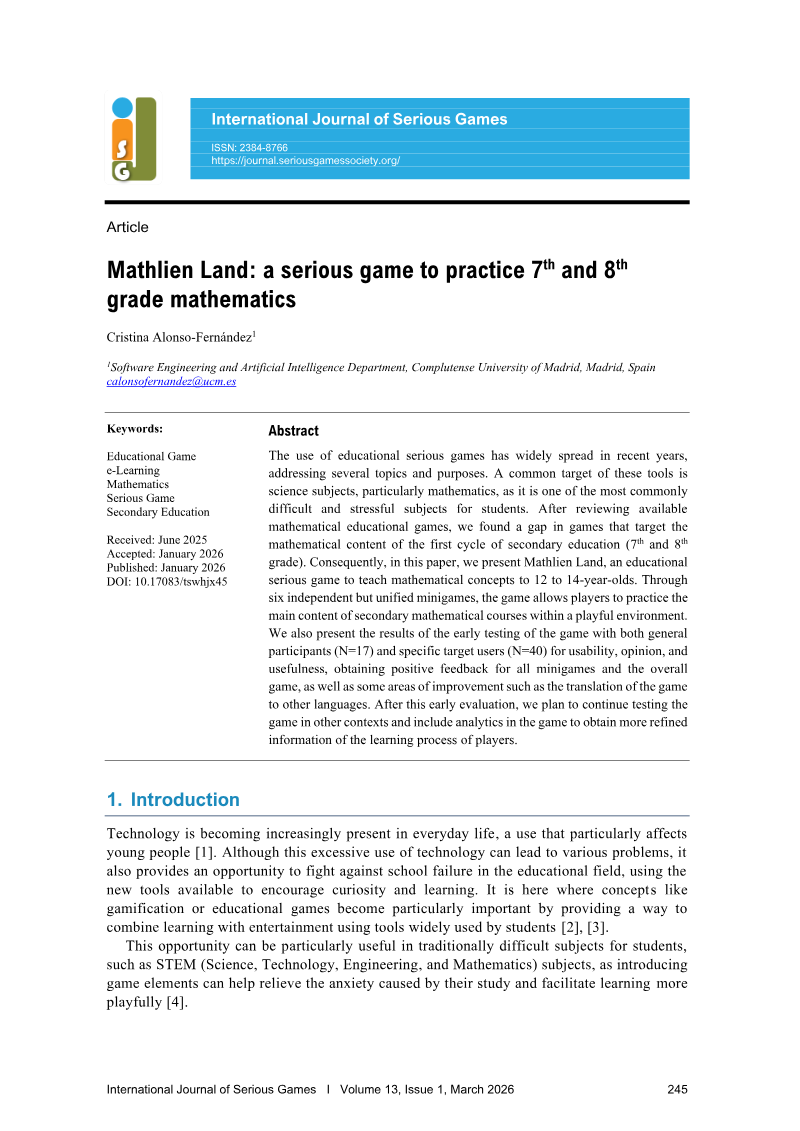
Mathlien Land: A Serious Game to Practice 7th and 8th Grade Mathematics
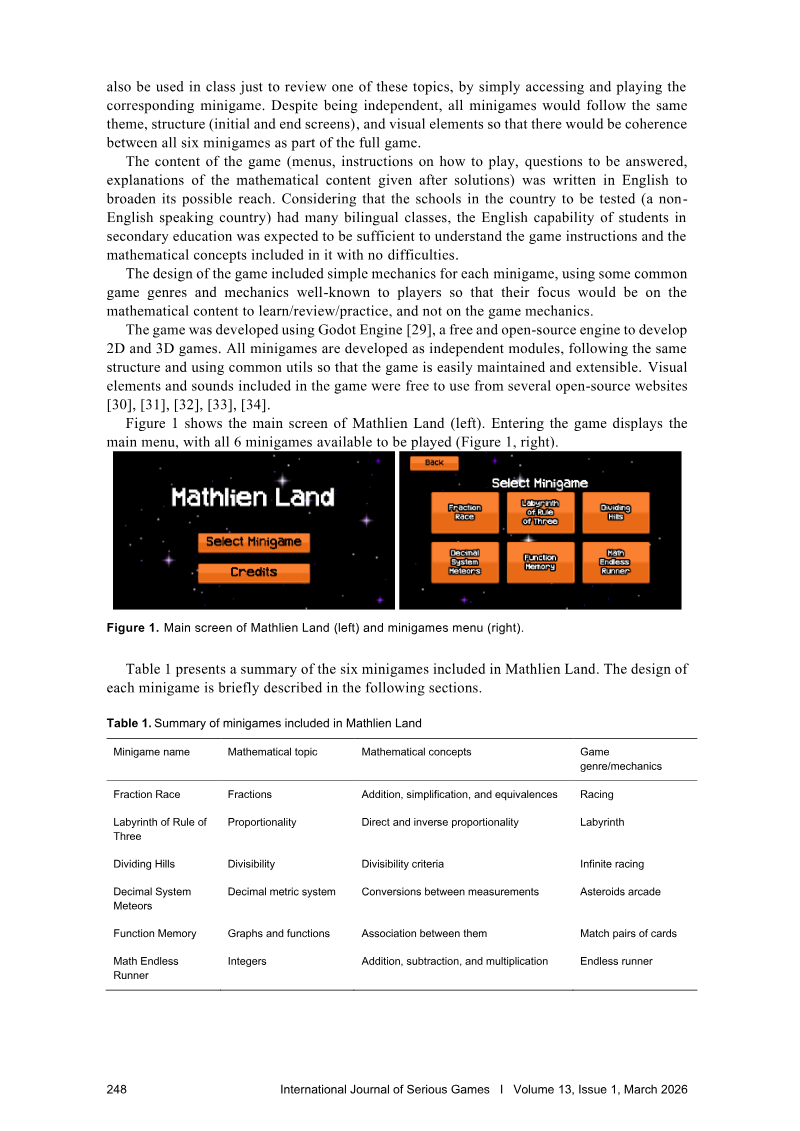
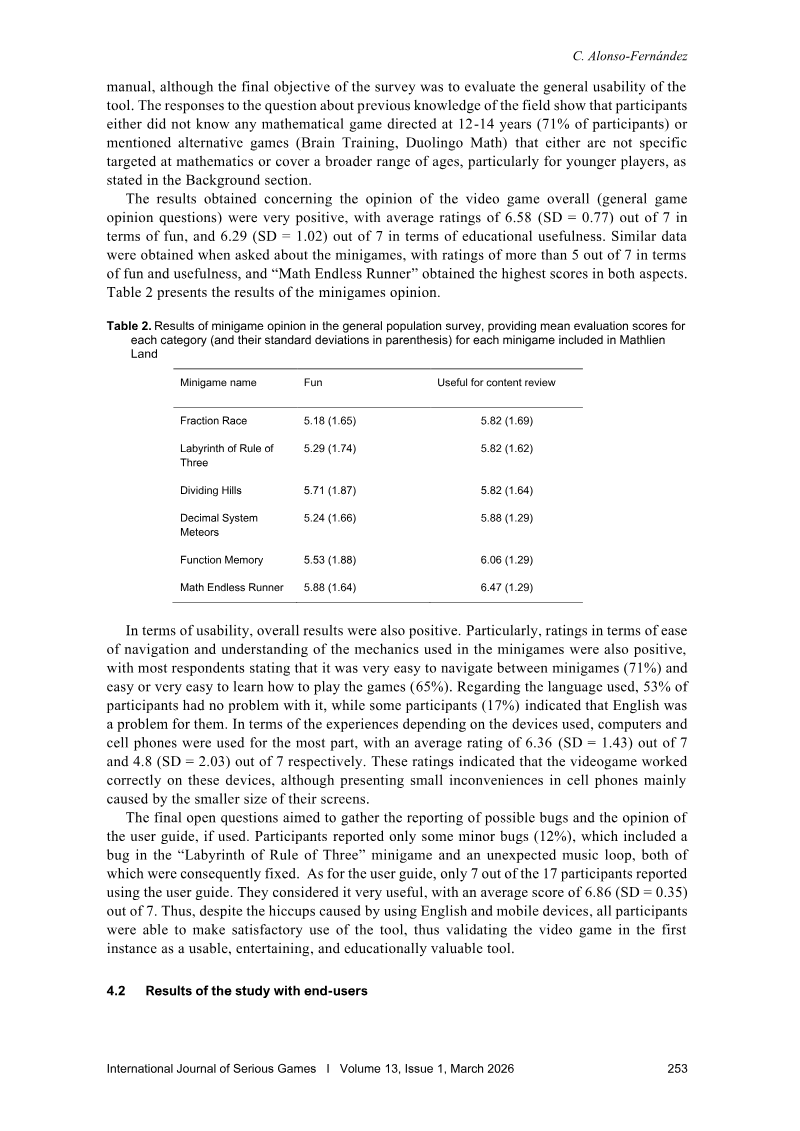
Mathlien Land functions as a specialized educational tool designed to bridge the gap in digital curriculum support for seventh and eighth-grade mathematics.
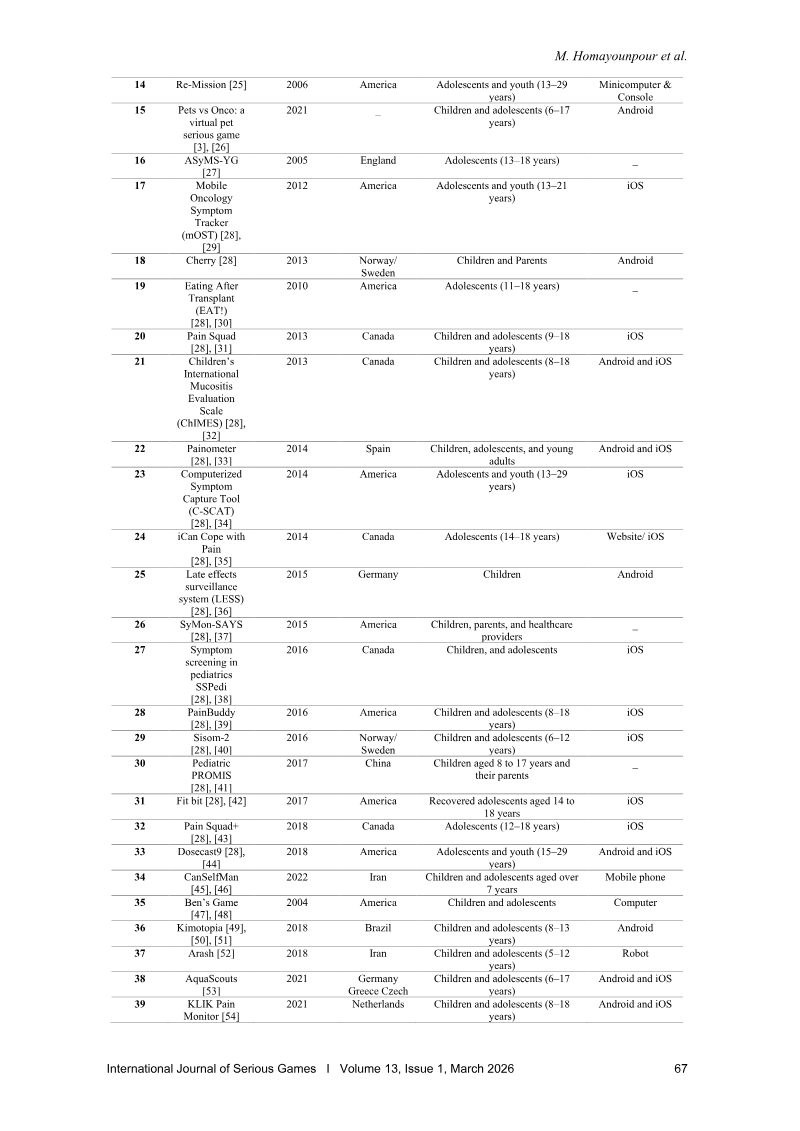
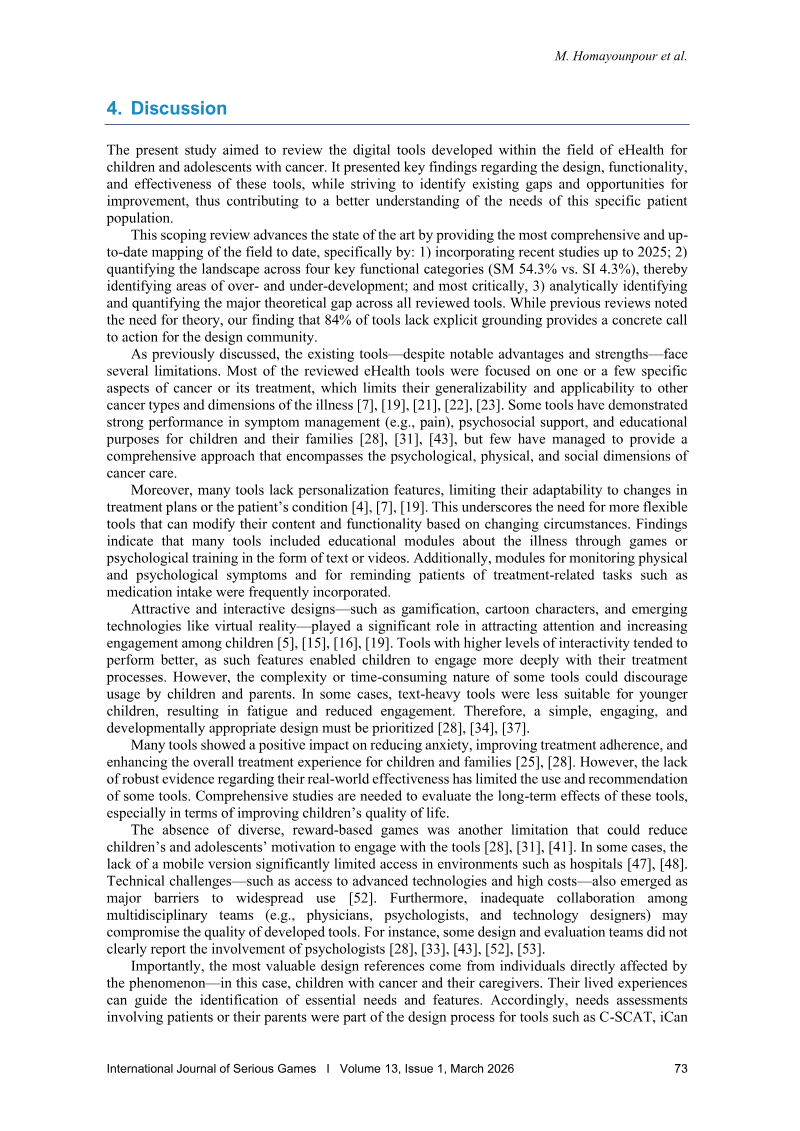

eHealth Interventions for Children and Adolescents with Cancer: Scoping Review
Digital health interventions for pediatric oncology patients have evolved significantly between 2010 and 2023, shifting from basic symptom-tracking mobile applications toward sophisticated, interactive platforms such as serious games and virtual reality.
- Digital health interventions in pediatric oncology have shifted from basic symptom-tracking apps to complex serious games and virtual reality platforms between 2010 and 2023.
- A significant theoretical gap exists in the industry, with 84 percent of analyzed interventions lacking explicit grounding in behavioral or psychological theory.
- Mobile platforms currently dominate the market, accounting for nearly 60 percent of all digital health solutions for pediatric oncology patients.

Primeiras Refeições: Serious Game to Improve Infant Feeding Knowledge
Primeiras Refeições serves as a digital educational intervention designed to improve public understanding of infant nutrition, specifically focusing on breastfeeding and complementary feeding practices aligned with the Brazilian Food Guide.
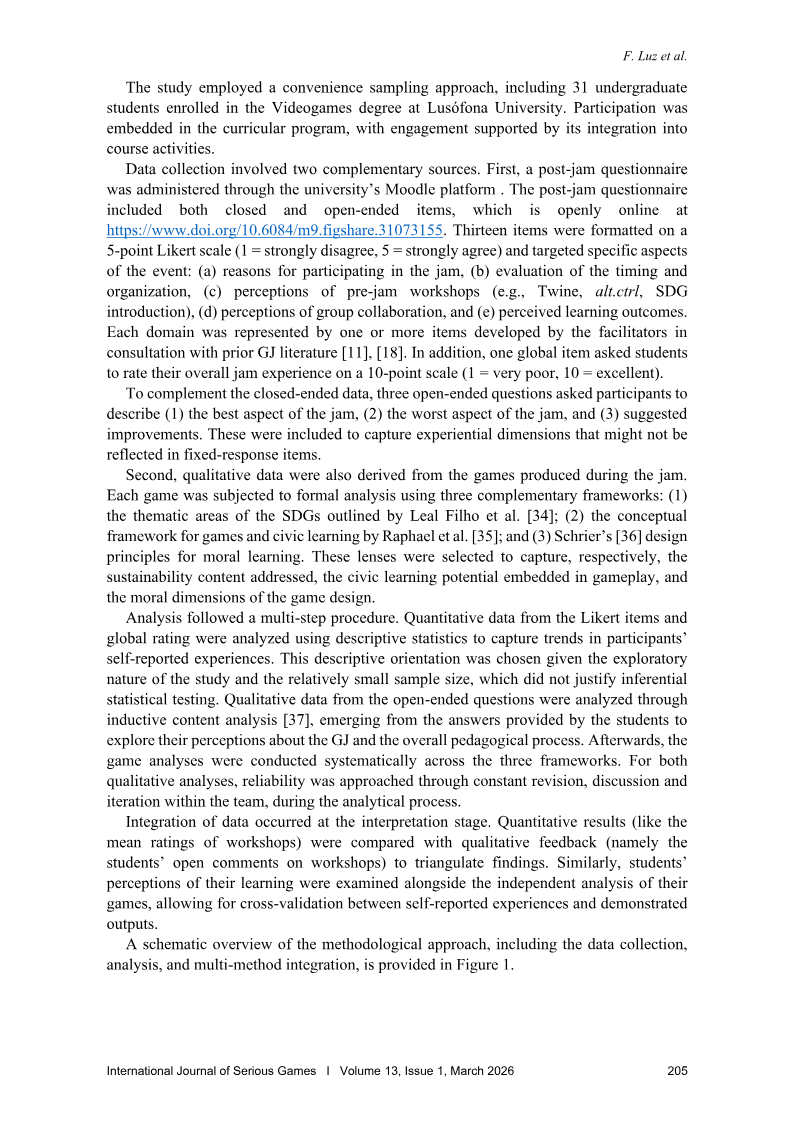
Operationalizing the United Nations' Sustainable Development Goals: A Game Jam Experience
The Meaningful Game Jam 2022 serves as a pedagogical intervention designed to integrate the United Nations’ Sustainable Development Goals (SDGs) into undergraduate game design curricula.
Exploring Player Archetypes in a Minecraft-Based Learning Environment
The integration of Minecraft into educational curricula offers a unique opportunity to analyze how distinct player behaviors influence academic engagement.
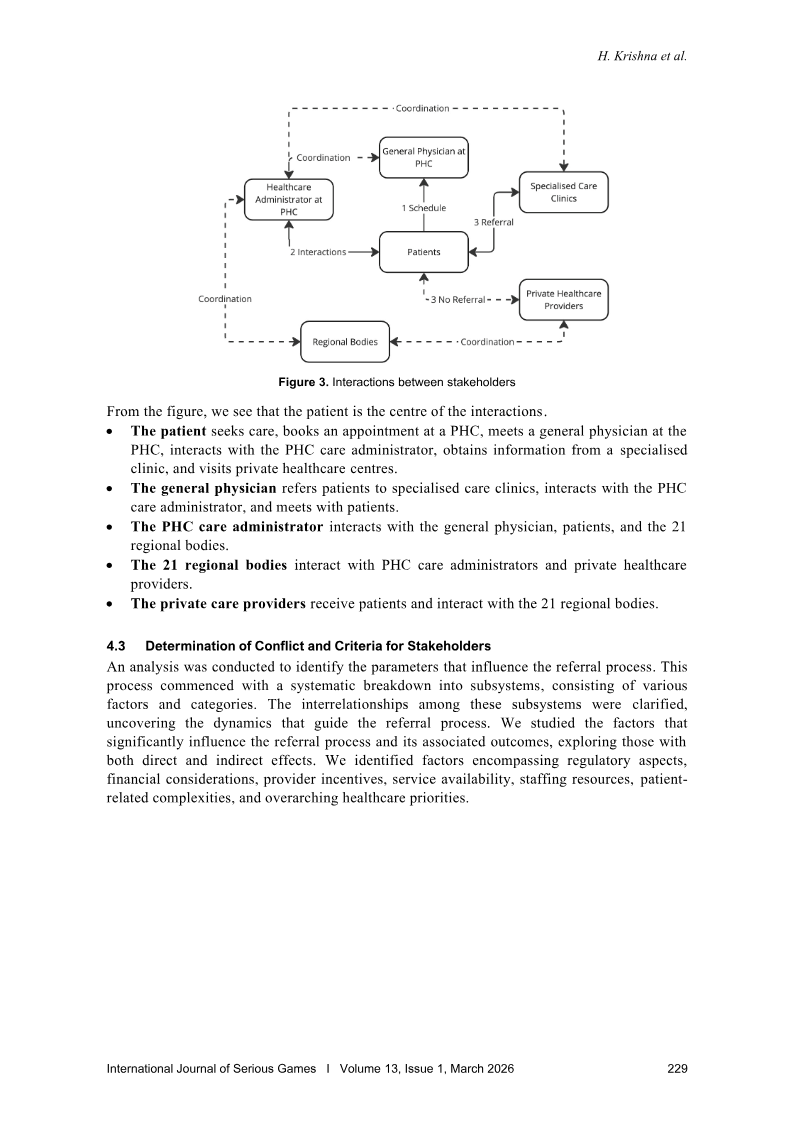
Modelling Dilemmas in Access to Specialised Healthcare Services in Sweden Using a Serious Game
The Swedish public healthcare system faces persistent systemic inefficiencies, particularly regarding prolonged waiting times for specialized services and the complex coordination between primary and secondary care providers.
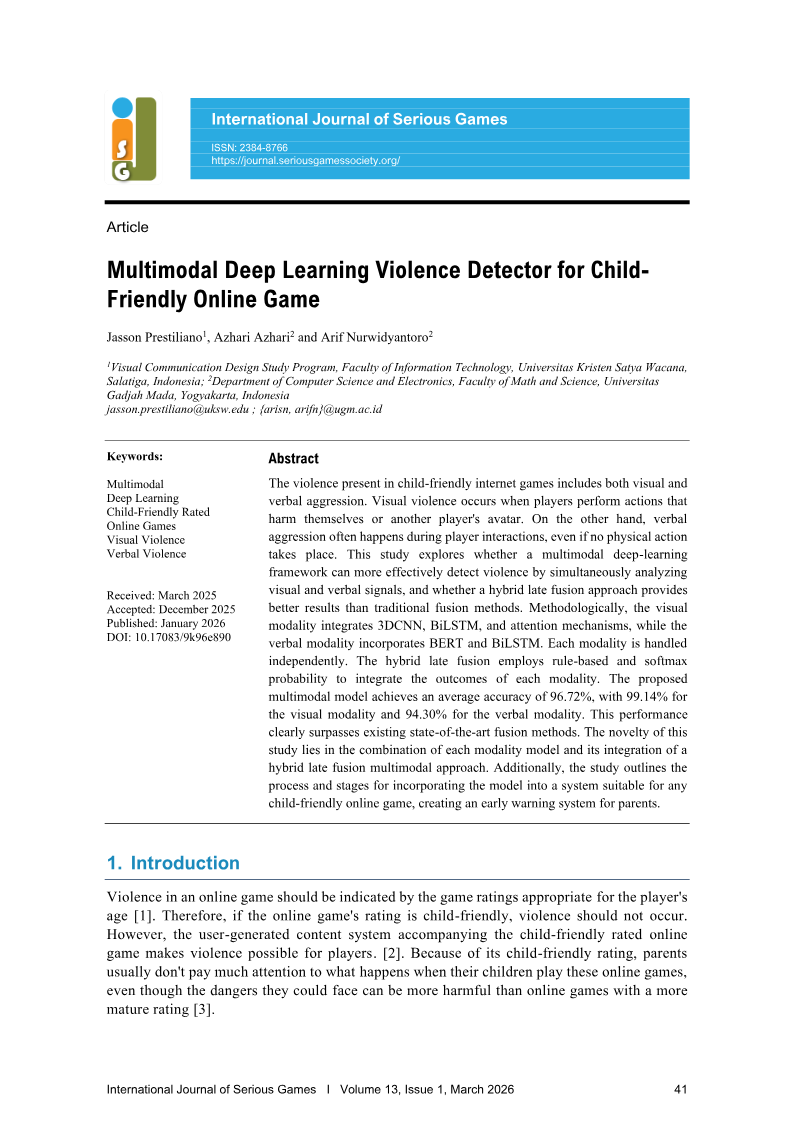
Multimodal Deep Learning Violence Detector for Child-Friendly Online Game
The rapid proliferation of online gaming necessitates robust safety mechanisms to protect younger audiences from exposure to harmful content.
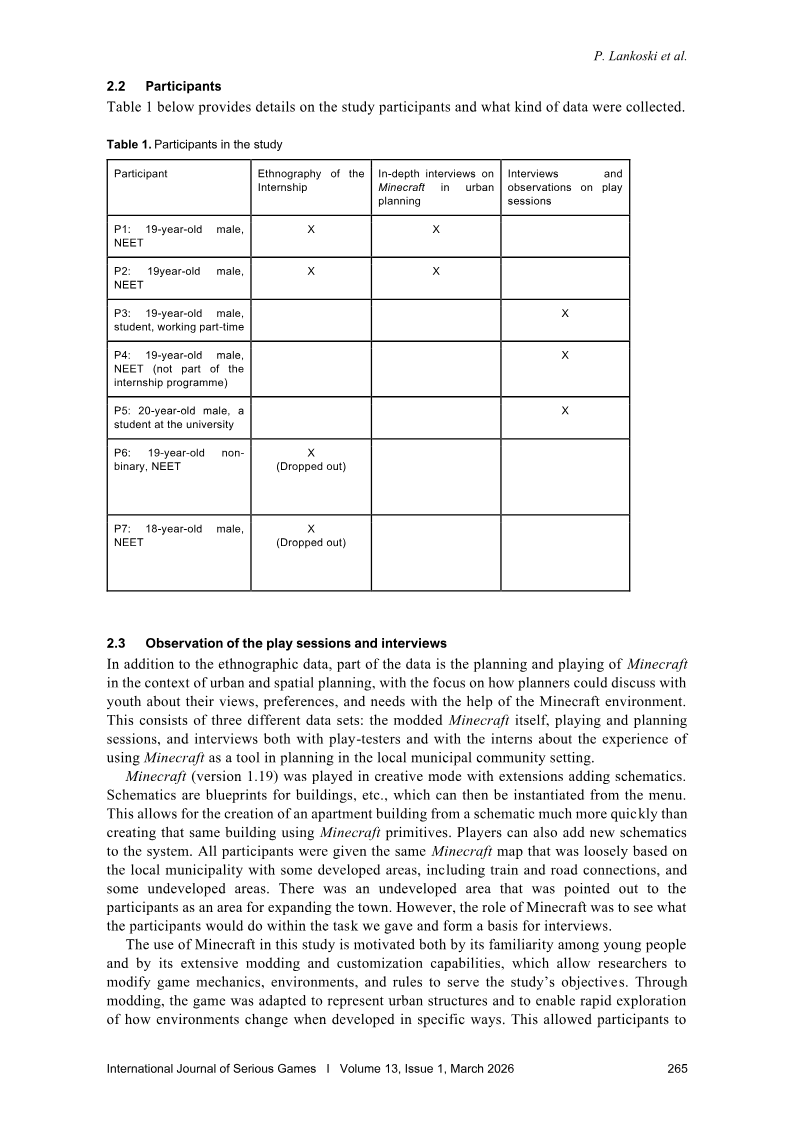
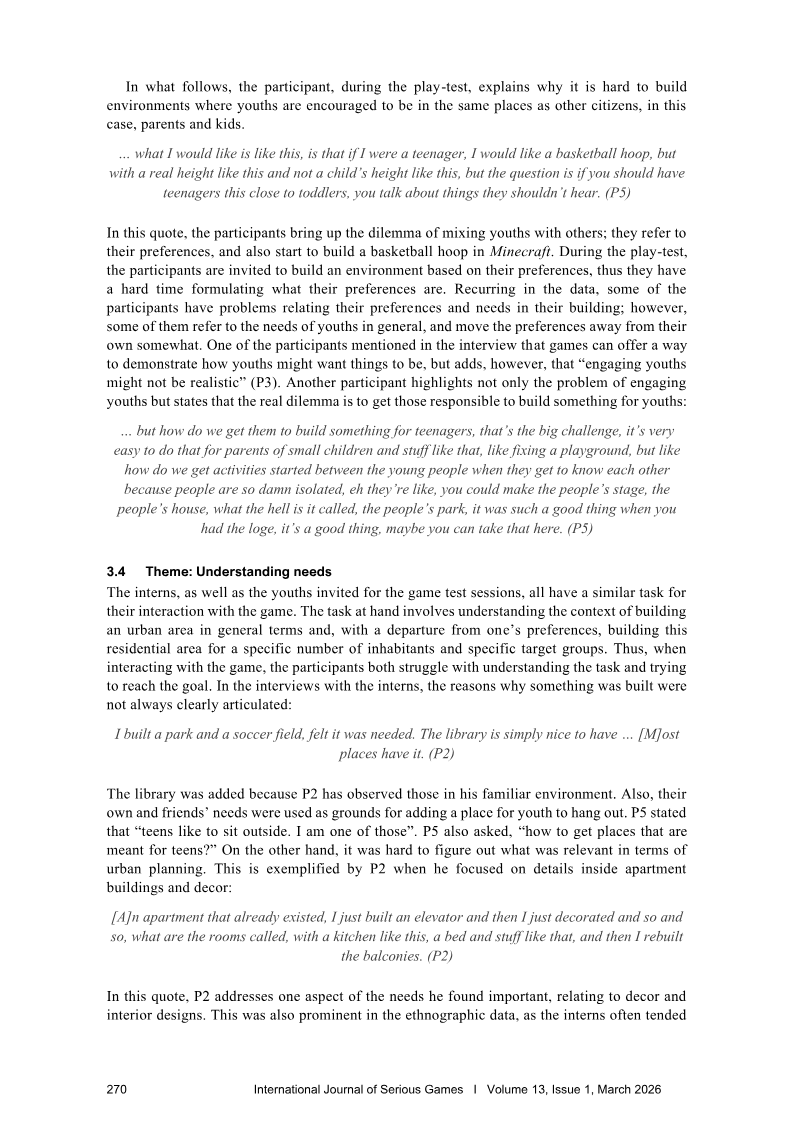
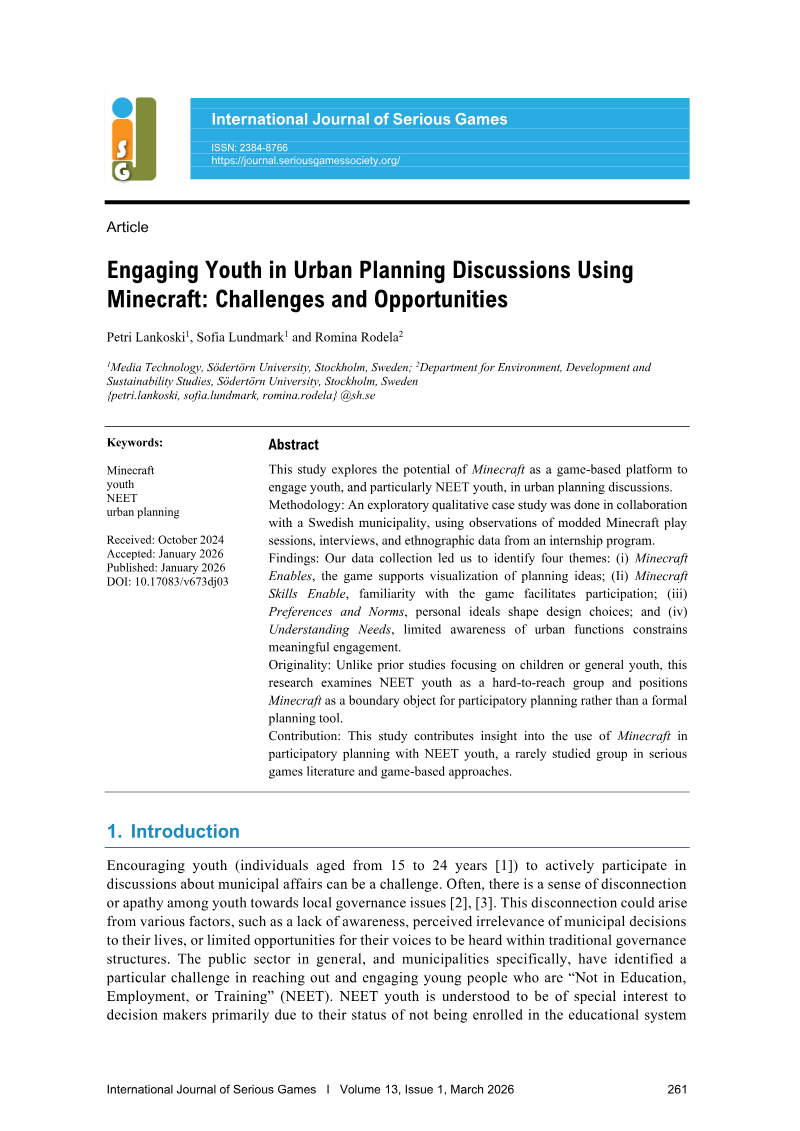
Engaging Youth in Urban Planning Discussions Using Minecraft: Challenges and Opportunities
Minecraft functions as a potent boundary object for integrating marginalized youth into urban planning processes, specifically targeting those not in education, employment, or training.
- Minecraft serves as a low-barrier, effective tool for engaging marginalized youth in urban planning by allowing them to visualize spatial preferences in a familiar digital sandbox.
- The primary limitation of using gaming platforms for urban design is a disconnect between creative, aesthetic-focused play and the technical realities of infrastructure, zoning, and public services.
- Digital engagement tools alone are insufficient for formal policy outcomes because participants often lack a conceptual understanding of how complex urban systems function.
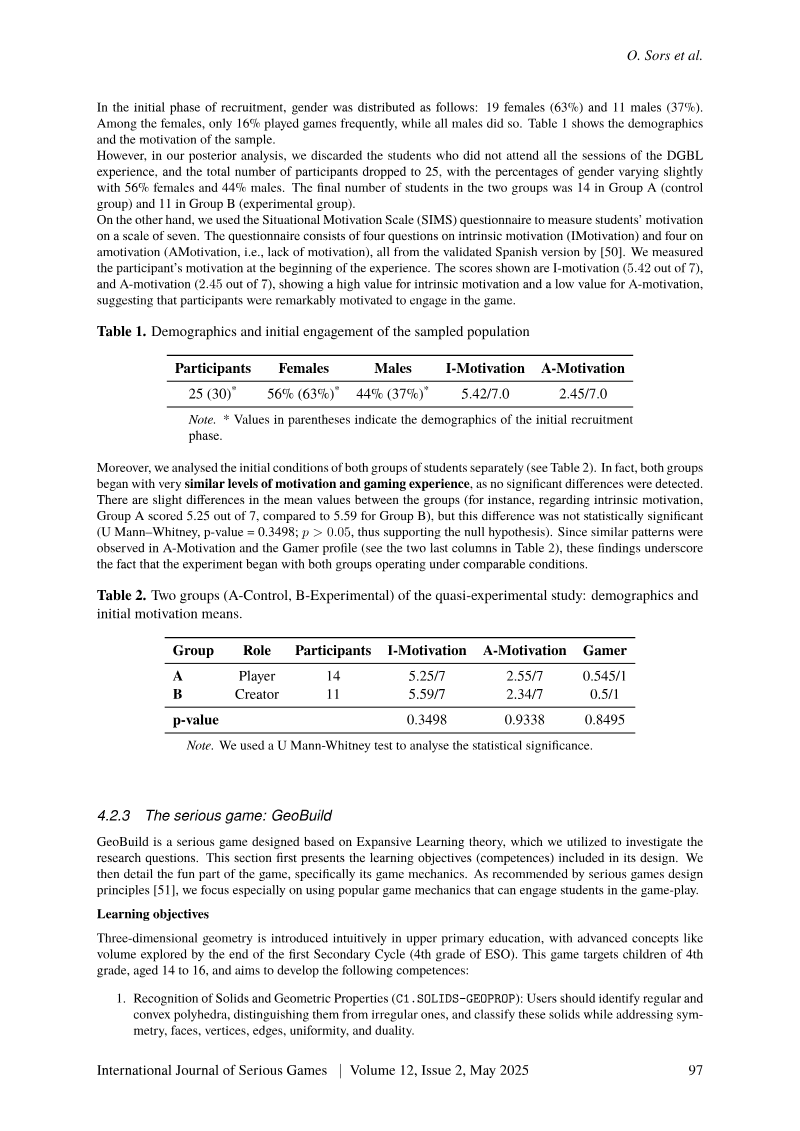
Activity Theory in Digital Game-Based Learning: A Geometry Case Study
Digital game-based learning environments often suffer from rigid, closed structures that limit student agency and pedagogical flexibility.
- Transitioning students from passive players to content creators in digital learning environments fosters higher-order cognitive skills like critical thinking and reflective problem-solving.
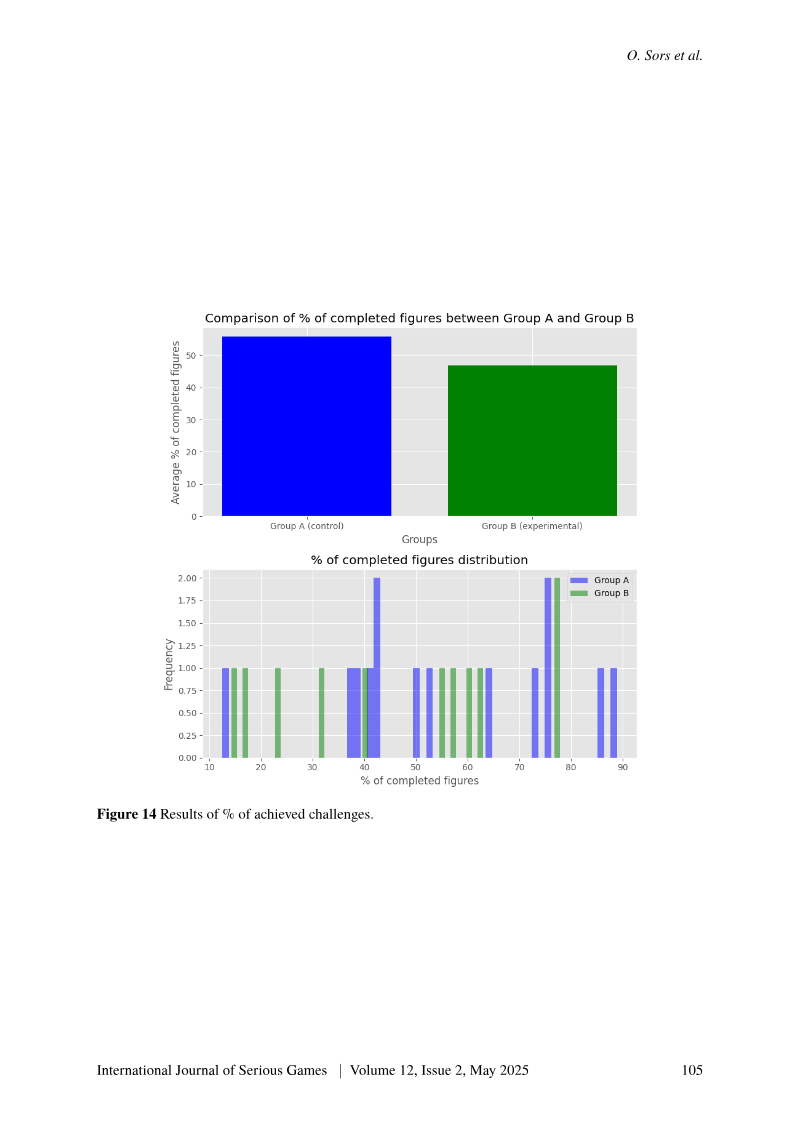
- A study using the 3D geometry game GeoBuild showed that students who created challenges for their peers committed fewer gameplay errors than those who only consumed teacher-designed content.
- While the creator group demonstrated superior problem-solving strategies, the control group achieved slightly higher gains in traditional summative exam scores.
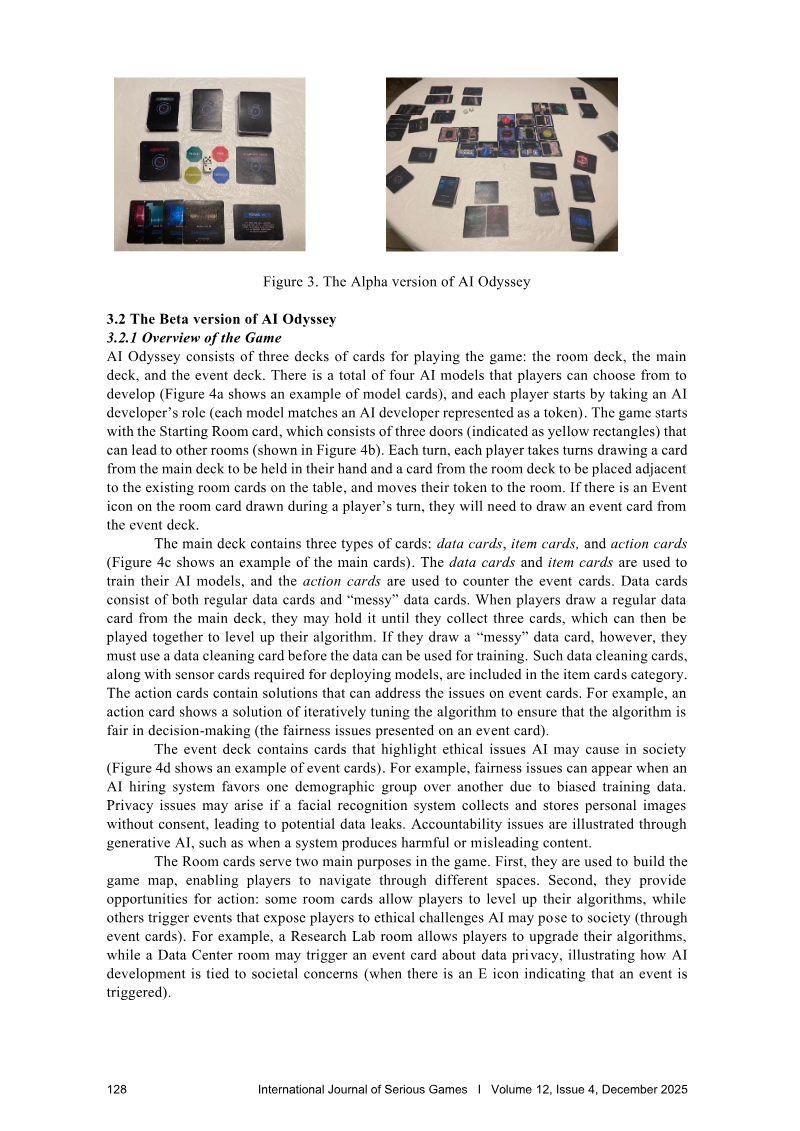
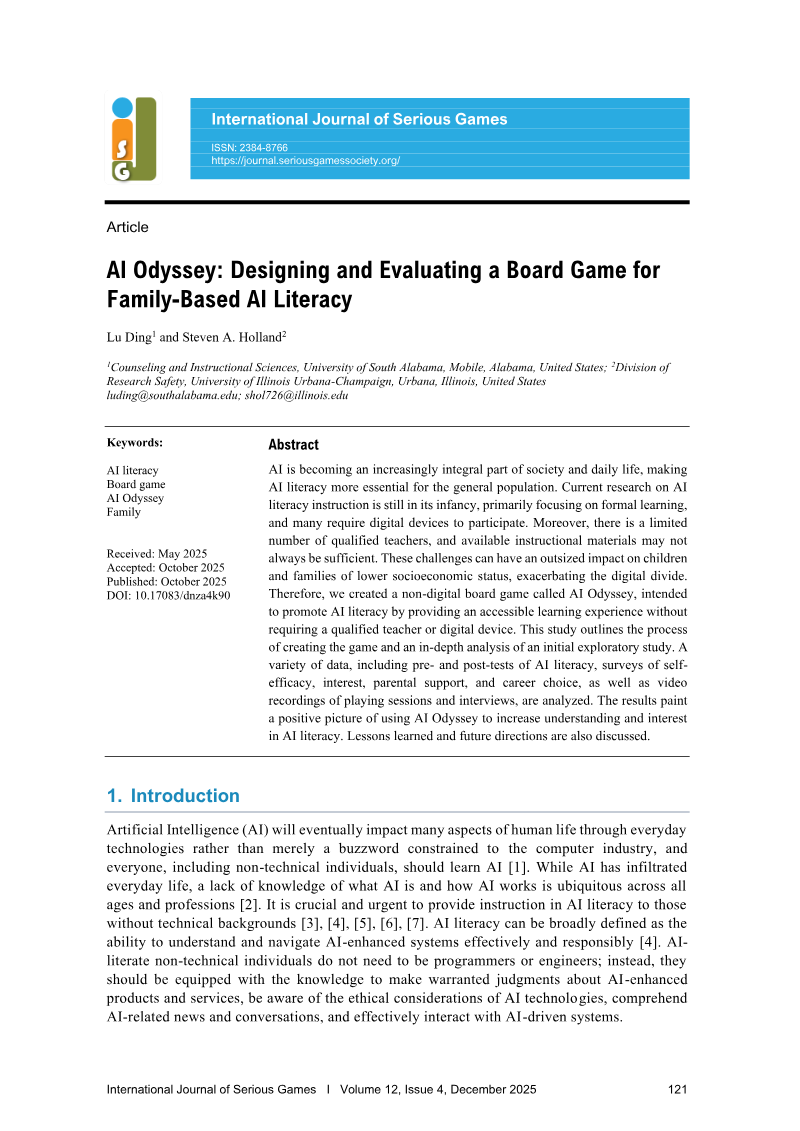
AI Odyssey: Designing and Evaluating a Board Game for Family-Based AI Literacy
AI literacy remains a critical gap in modern education, particularly for families lacking access to specialized digital infrastructure.