Key insights
4 slides
The opportunity
Minecraft offers a low-barrier entry for marginalized youth into urban planning discussions.
The platform's intuitive building mechanics and widespread familiarity allow young people to visualize spatial configurations and express preferences for future urban environments.
It's like giving someone building blocks to design their dream house, making it easy to start.
Key Benefit. Minecraft serves as a low-barrier, effective tool for engaging marginalized youth in urban planning.
1 / 4
- 01Minecraft serves as a low-barrier, effective tool for engaging marginalized youth in urban planning by allowing them to visualize spatial preferences in a familiar digital sandbox.See it on page 14
- 02The primary limitation of using gaming platforms for urban design is a disconnect between creative, aesthetic-focused play and the technical realities of infrastructure, zoning, and public services.See it on page 14
- 03Digital engagement tools alone are insufficient for formal policy outcomes because participants often lack a conceptual understanding of how complex urban systems function.See it on page 2
- 04To be effective, Minecraft must be used as a supplementary tool within a broader framework of participatory methods rather than as a standalone solution.See it on page 8
- 05Successful integration requires pairing digital visualization with structured educational interventions that translate in-game creativity into a practical understanding of civic governance.See it on page 13
- 06The effectiveness of these interventions is currently constrained by the varying levels of technical proficiency among participants and their limited grasp of municipal planning constraints.See it on page 14
Ask AI about this report
Summary
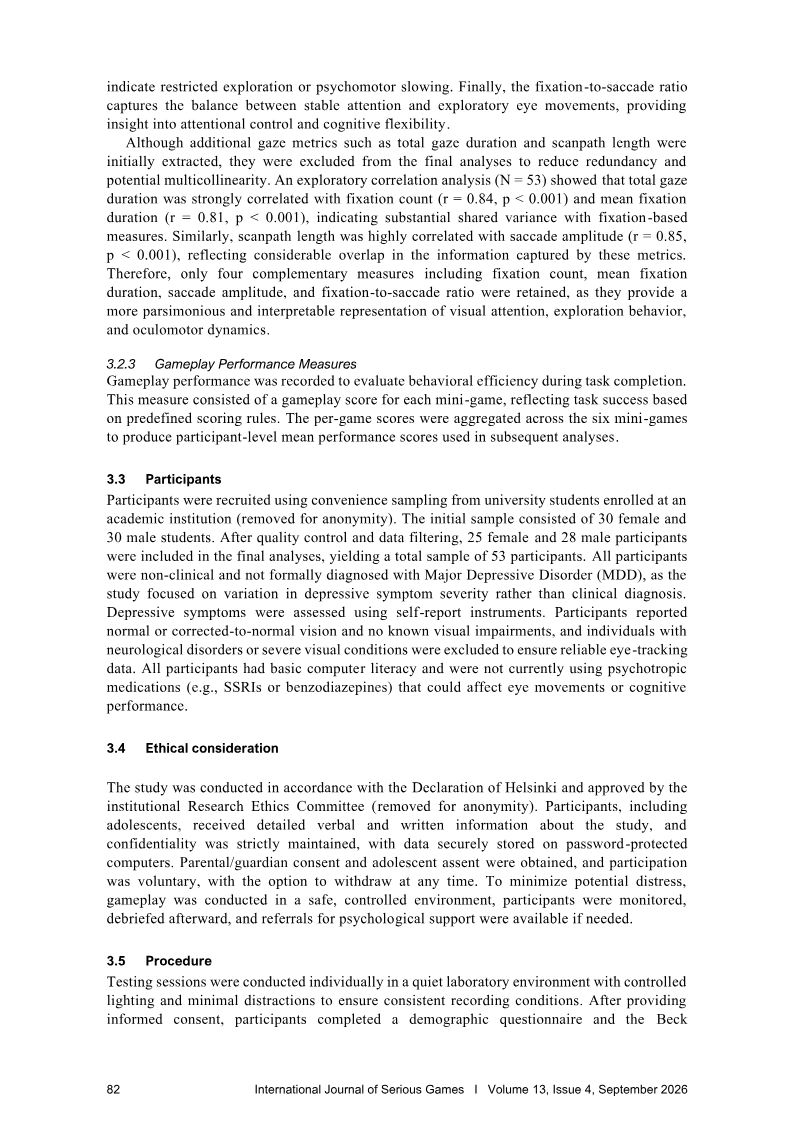
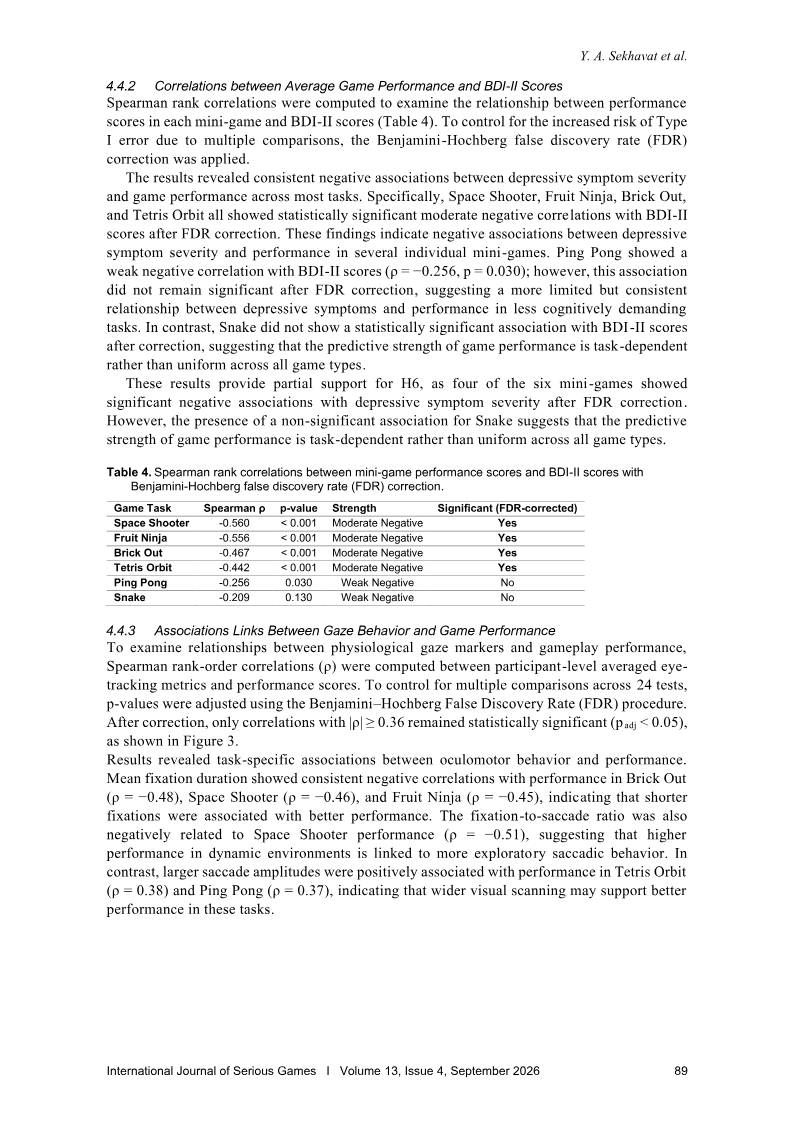
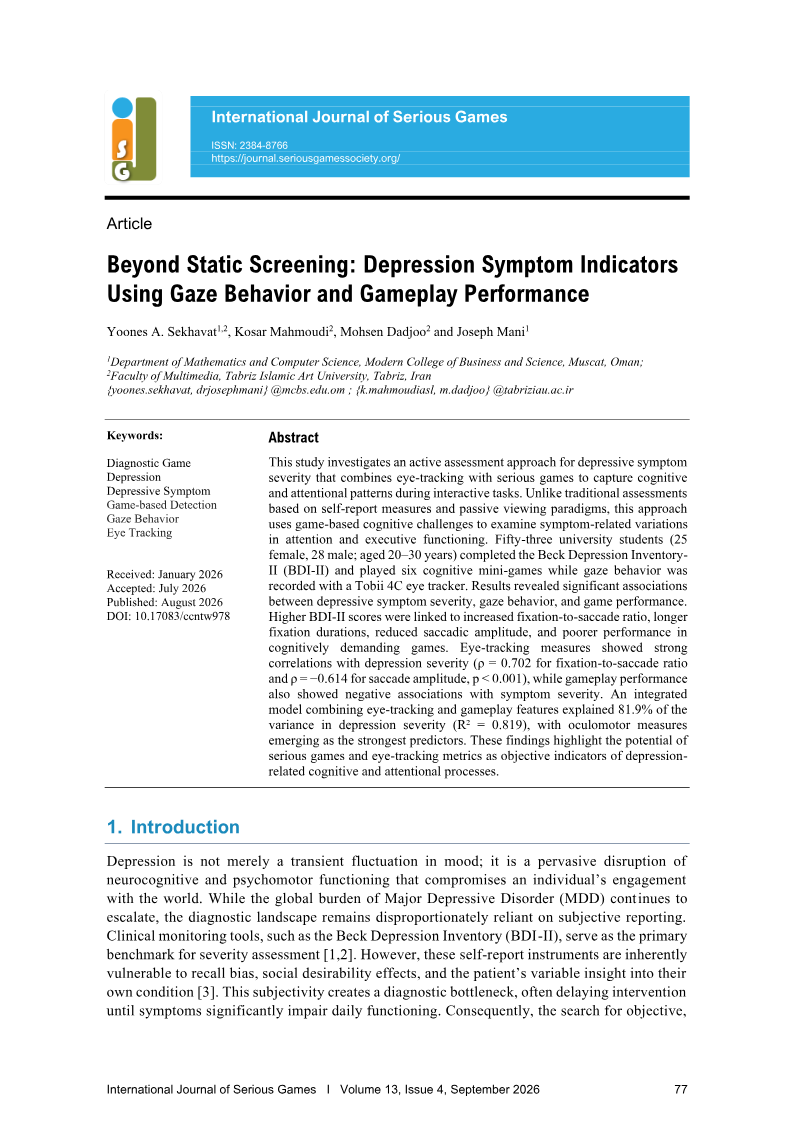
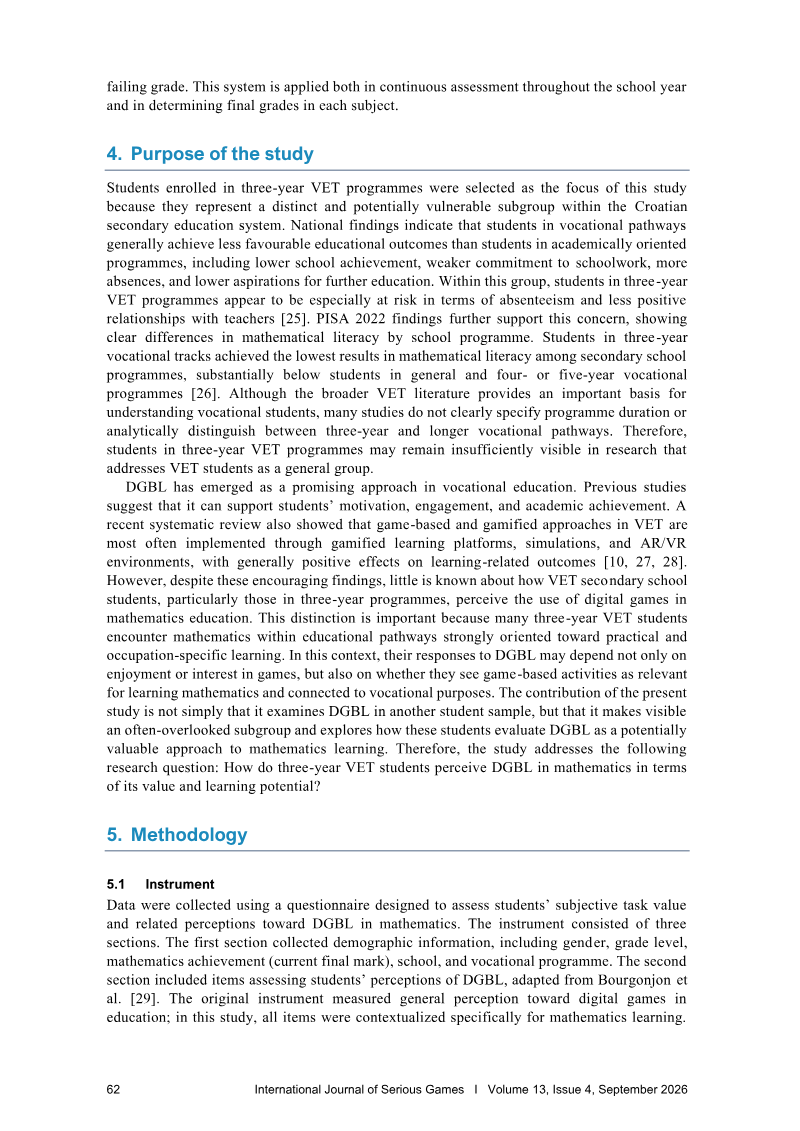
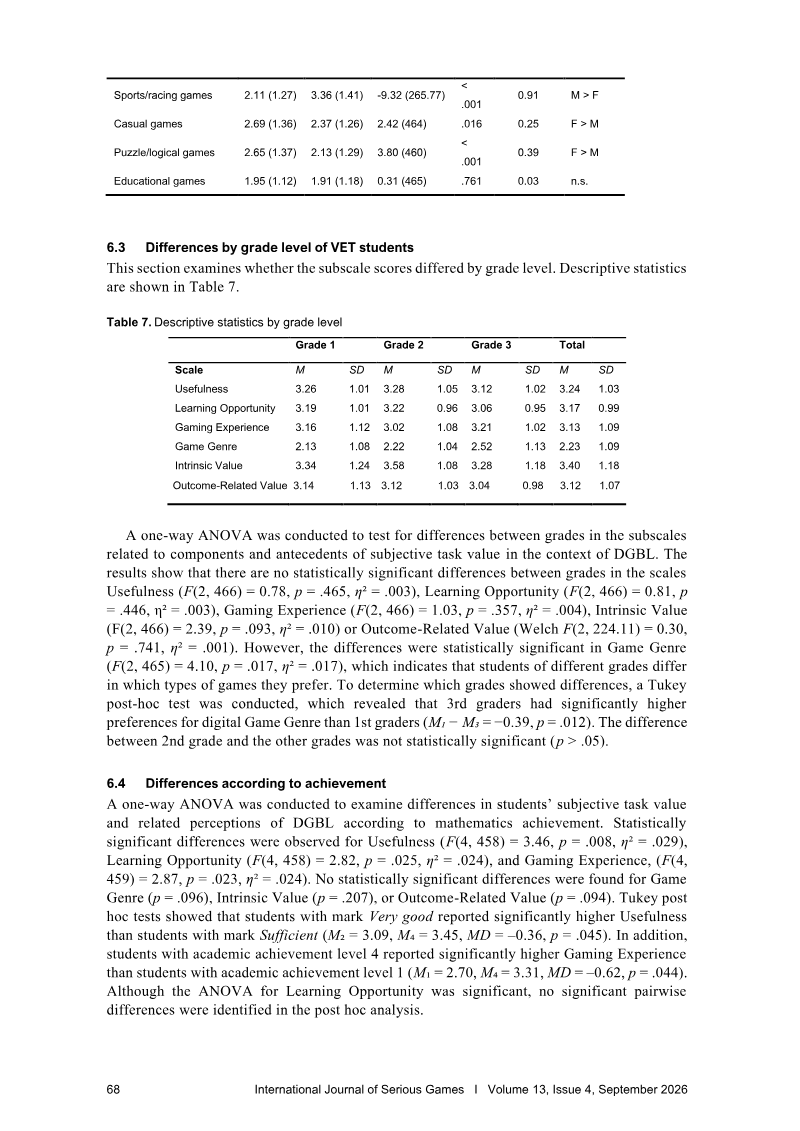
Minecraft functions as a potent boundary object for integrating marginalized youth into urban planning processes, specifically targeting those not in education, employment, or training. By leveraging the platform’s intuitive building mechanics and widespread familiarity, municipalities can create a low-barrier entry point for young people to visualize spatial configurations and express their preferences for future urban environments. This approach effectively democratizes the design process, allowing participants to experiment with their surroundings in a safe, digital sandbox that reflects their personal needs and creative visions.
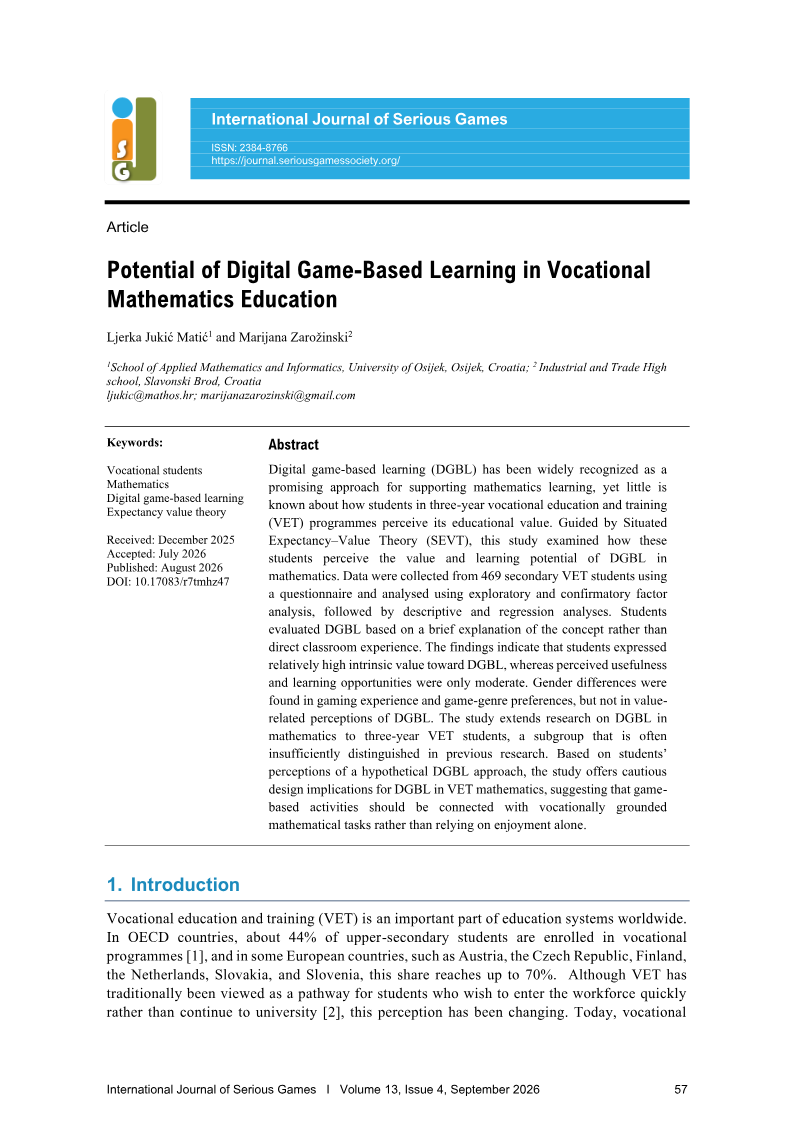
Despite these advantages, the transition from virtual play to institutional implementation remains a significant hurdle. Participants frequently prioritize aesthetic elements, such as interior decor, over the complex functional requirements of urban governance, such as infrastructure, zoning, or public services. This disconnect highlights a fundamental limitation in using gaming platforms as standalone engagement tools; while they excel at capturing subjective design ideas, they often fail to convey the technical realities of municipal planning. Consequently, the effectiveness of these digital interventions is constrained by the participants' varying levels of technical proficiency and their limited conceptual grasp of how urban systems operate in the real world.
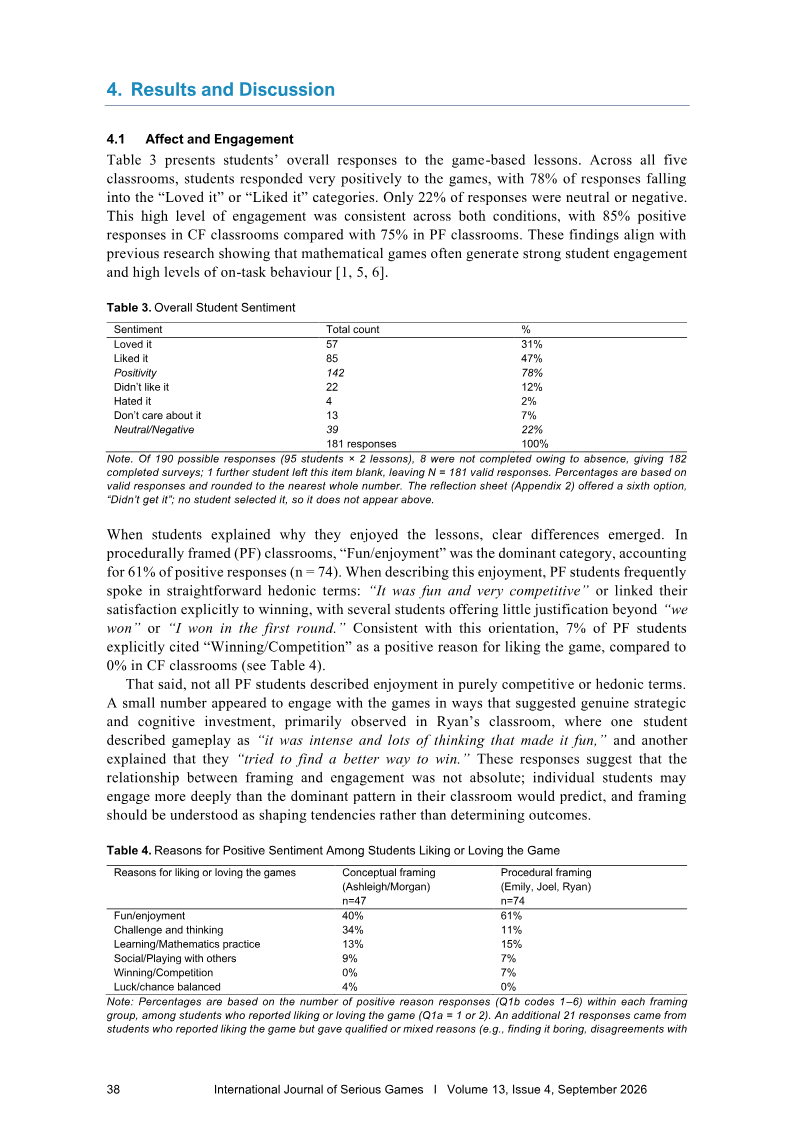
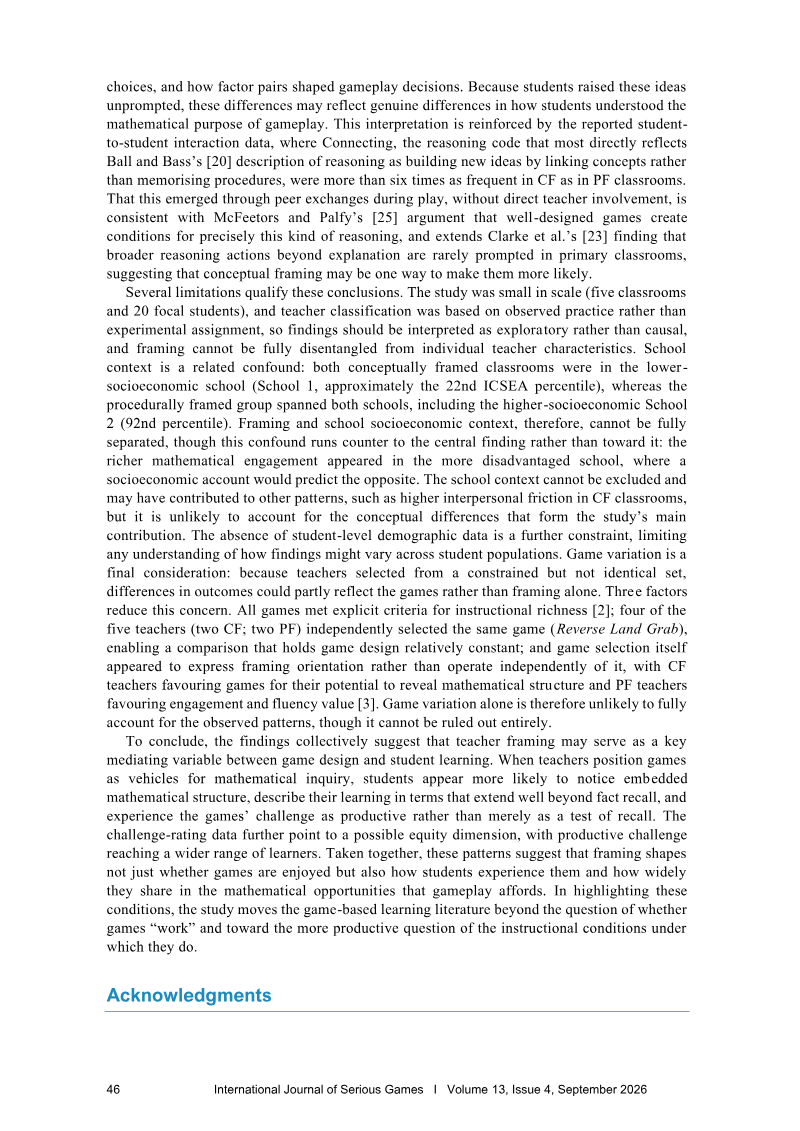
To achieve meaningful outcomes, serious games must be integrated into a broader framework of participatory methods. Relying solely on digital visualization is insufficient for bridging the gap between youth perspectives and formal policy outcomes. Future urban planning initiatives should treat Minecraft as a supplementary tool rather than a comprehensive solution, pairing it with educational interventions that translate in-game creativity into a functional understanding of civic governance. By combining digital engagement with structured guidance, planners can better synthesize youth-led design with the practical constraints of urban development, ultimately fostering more inclusive and representative municipal planning.