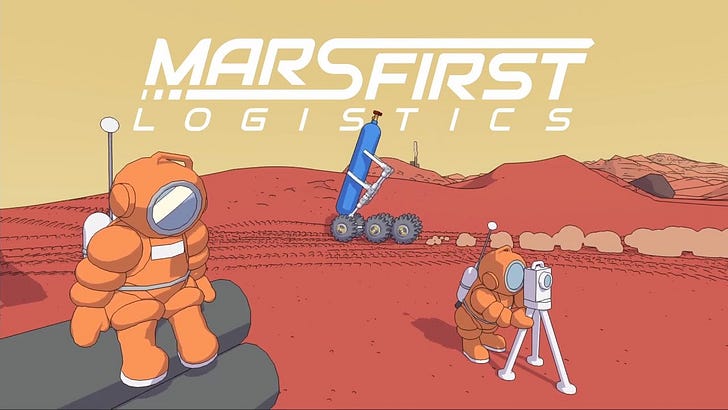
This profile examines the career of Australian game developer Ian MacLarty, focusing on his transition from experimental, non-commercial projects to the development of the physics-based title Mars First Logistics. Over a 15-year period, MacLarty has released 51 projects, ranging from interactive art and visual reconstructions of dreams to traditional commercial puzzlers like Boson X and Dissembler. His work is characterized by a commitment to artistic exploration and a willingness to leverage unconventional mechanics, such as the generative terrain systems that underpin his recent work.
The development of Mars First Logistics represents a significant evolution in MacLarty’s process. Initially conceived as a small-scale project funded by a pandemic-era arts grant, the game grew into a larger production after he secured a partnership with Outersloth, the indie game fund established by the creators of Among Us. This funding allowed MacLarty to expand his team and refine the game’s unique aesthetic, which draws inspiration from Tintin comics and technical instruction manuals. The game, currently in Early Access on Steam, has garnered an "overwhelmingly positive" reception from players.
Methodologically, the project highlights the shift toward community-driven development, as MacLarty utilizes Steam Workshop support and Discord to engage directly with his player base. The interview underscores a broader industry trend where independent developers are increasingly prioritizing distinct, timeless art styles over the resource-intensive pursuit of photorealism. By treating the game as a sandbox for ongoing experimentation, MacLarty continues to integrate his interest in generative design and physics-based gameplay, effectively merging his history of experimental art with the demands of a commercial, long-term development cycle.
The launch of Outersloth, a new indie gaming fund established by Innersloth co-founder Forest Willard and Victoria Tran, represents a strategic shift in how independent developers can secure financial support. Unlike traditional venture capital or full-service publishing models, Outersloth utilizes a recoup-and-revenue-share structure designed to provide developers with capital while maintaining their independence. The fund aims to foster a collaborative collective of creators, with profits reinvested into future projects rather than prioritizing traditional publisher-led management.
The fund’s leadership emphasizes that the traditional publishing model remains viable for some, but they seek to challenge industry practices where publishers may impose unfavorable terms or unnecessary services on developers. By operating as a lean, specialized entity, Outersloth focuses on supporting projects that resonate with their team’s creative interests rather than adhering to a rigid thematic or genre-based portfolio. While the fund is currently not accepting virtual reality projects due to testing limitations, it remains open to a wide variety of indie titles.
Reflecting on the broader indie landscape, the founders advise developers to prioritize smaller, faster initial releases to gain experience before tackling larger projects. Furthermore, they stress the importance of developers learning fundamental marketing and pitching skills, which can empower them to better position their games and evaluate the value provided by potential partners. This approach highlights a growing trend toward developer-led funding models that prioritize creative autonomy and sustainable growth over the conventional publisher-developer power dynamic.
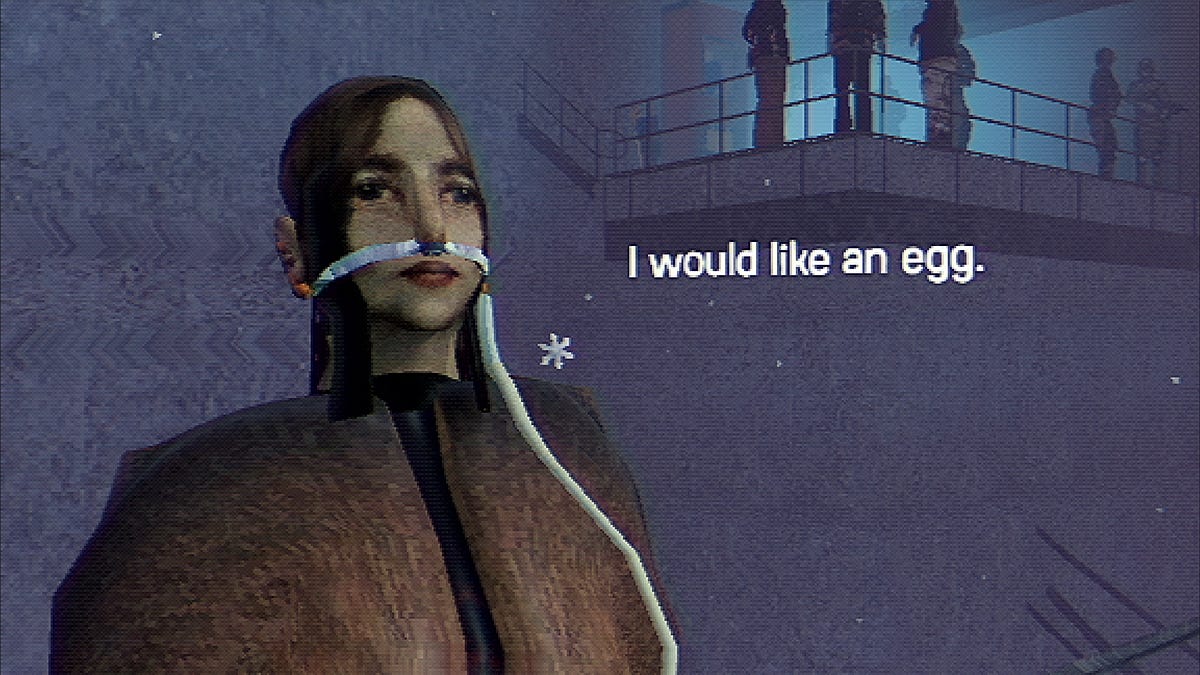
The provided text features an interview with the developer behind the indie game Arctic Eggs, exploring the creative process and the rise of independent developers operating outside traditional industry structures. The developer, known as The Water Museum, discusses the transition from a background in graphic design to game development, facilitated by online educational resources. The conversation highlights the game’s unique mechanics—centered on a physics-based frying pan—and the intentional use of fragmented, surreal dialogue to create a distinct atmosphere.
Beyond the interview, the content provides a brief overview of current trends in the broader games industry as of May 2024. Key observations include the continued dominance of the PlayStation 4, which still accounts for half of all active PlayStation users, and the strategic shift by Xbox to include Call of Duty: Black Ops 6 in its Game Pass subscription service. Additionally, the text notes a growing trend of "retro 3D" aesthetics in indie titles, which the developer attributes to a shift in focus from technical realism toward artistic expression, composition, and emotional resonance.
The analysis emphasizes a broader industry shift where solo creators and small teams are increasingly responsible for breakout hits, contrasting this with the perceived stagnation of larger, institutional studios. The developer notes that while retro-style graphics are currently popular, they may face future fatigue, suggesting a cyclical nature to design trends. The content serves as a snapshot of the independent development landscape, illustrating how accessible game engines and unconventional design philosophies are enabling creators to push the medium forward without the resources of a AAA studio.
The career trajectory of Ovilee May serves as a case study for the shifting landscape of esports broadcasting and event production. Once a prominent on-camera host for Riot Games’ League of Legends Championship Series, May has transitioned into an executive producer role at OTK Media. This evolution reflects broader industry trends, where the volatility of the esports sector—marked by the withdrawal of major investment and the collapse of high-profile projects like the G4 TV reboot—has forced broadcast talent to diversify their skill sets and prioritize production and content creation over traditional hosting roles.
The current industry environment is characterized by significant instability, leading to a decline in opportunities for traditional broadcast talent. Studios are increasingly favoring established streamers and content creators who possess dedicated, built-in audiences over conventional hosts. Consequently, the path for aspiring professionals has narrowed, with the recommendation shifting toward building a personal brand and content library as a prerequisite for entry. This shift highlights a broader deprofessionalization of the industry, where the ability to generate engagement often supersedes traditional broadcasting expertise.
May’s experience underscores the necessity of flexibility and rapid adaptation in a sector defined by high-speed growth and sudden contractions. Her career, which spans social media management, on-camera hosting, and full-scale event production, illustrates the "try everything" strategy required to survive in a volatile market. As the industry continues to navigate the aftermath of the "esports winter," the focus for talent has moved toward sustainable, multi-faceted roles that offer greater control over the creative process and long-term career viability.
The intersection of early 2000s video game aesthetics and contemporary electronic music production is driving a niche but significant cultural trend. Musicians are increasingly utilizing legacy hardware, such as the Korg TR Rack and Roland JV2080, to replicate the distinct soundscapes of titles like Phantasy Star Online. This movement, often categorized within the breakcore, jungle, and drum-and-bass genres, leverages YouTube’s discovery algorithms to reach audiences who resonate with the nostalgic, futuristic audio signatures of the Dreamcast and PlayStation eras.
Industry data highlights a broader trend of indie success and market volatility. While AAA titles face rising development costs and profitability challenges—exemplified by the performance of Alan Wake 2—the indie sector continues to demonstrate high engagement. Recent examples include the idle game Rusty’s Retirement, which surpassed 100,000 units sold within a week of release, and the early access launch of Gray Zone Warfare, which attracted over 60,000 concurrent players despite technical hurdles. These figures underscore a shift in consumer preference toward accessible, high-concept indie experiences.
The methodology behind this musical resurgence involves a hybrid production approach, blending vintage digital romplers with modern analog processing. Artists are moving away from purely software-based digital audio workstations to create more authentic, tactile sound profiles. Furthermore, these creators are adopting community-driven, game-development-style workflows, utilizing livestreaming and collaborative visual assets to build immersive, world-building experiences around their music. This evolution suggests that the future of independent music production is increasingly tied to the interactive, community-focused models traditionally associated with game development.
The phenomenon of the online pile-on represents a complex intersection of collective outrage and narrative persistence within the modern gaming industry. By examining the trajectory of No Man’s Sky, it becomes clear that initial public backlash is often fueled by simplified, emotionally charged rallying cries—such as the accusation of malicious deception—that transform development challenges into moral grievances. These narratives gain significant momentum through social media, creating a feedback loop that prioritizes outrage over the nuanced realities of software production.
Hello Games’ experience demonstrates that while consistent, high-quality updates can effectively rehabilitate a title’s commercial and critical standing, they do not necessarily dismantle the underlying hostility of a dedicated detractor base. Even after years of successful post-launch support, a segment of the audience remains committed to a negative narrative, driven by a perceived need for retribution rather than an objective assessment of the current product. This suggests that the conversion of these critics is rarely a viable strategy for developers, as the identity of the hater is often tied to the initial controversy rather than the game itself.
Ultimately, the persistence of these negative cohorts highlights a fundamental limitation in how developers can manage public perception. While a loyal base of advocates can be cultivated through sustained effort and transparency, the most vocal detractors often operate outside the reach of traditional redemption arcs. This dynamic underscores the reality that in an era of digital discourse, certain segments of the gaming community will maintain their negative stances indefinitely, regardless of the objective improvements made to the software. Understanding this distinction is essential for industry professionals seeking to navigate the volatile landscape of public opinion and long-term community management.
The resurgence of software development for legacy hardware, specifically the original Game Boy, highlights a growing niche within the modern gaming industry. The central thesis posits that accessible, specialized development tools are enabling creators to bypass the saturation of contemporary PC markets by producing original content for discontinued consoles. This trend is driven by a combination of nostalgia, the emergence of modern retro-focused hardware like the Analogue Pocket, and the availability of user-friendly visual scripting platforms.
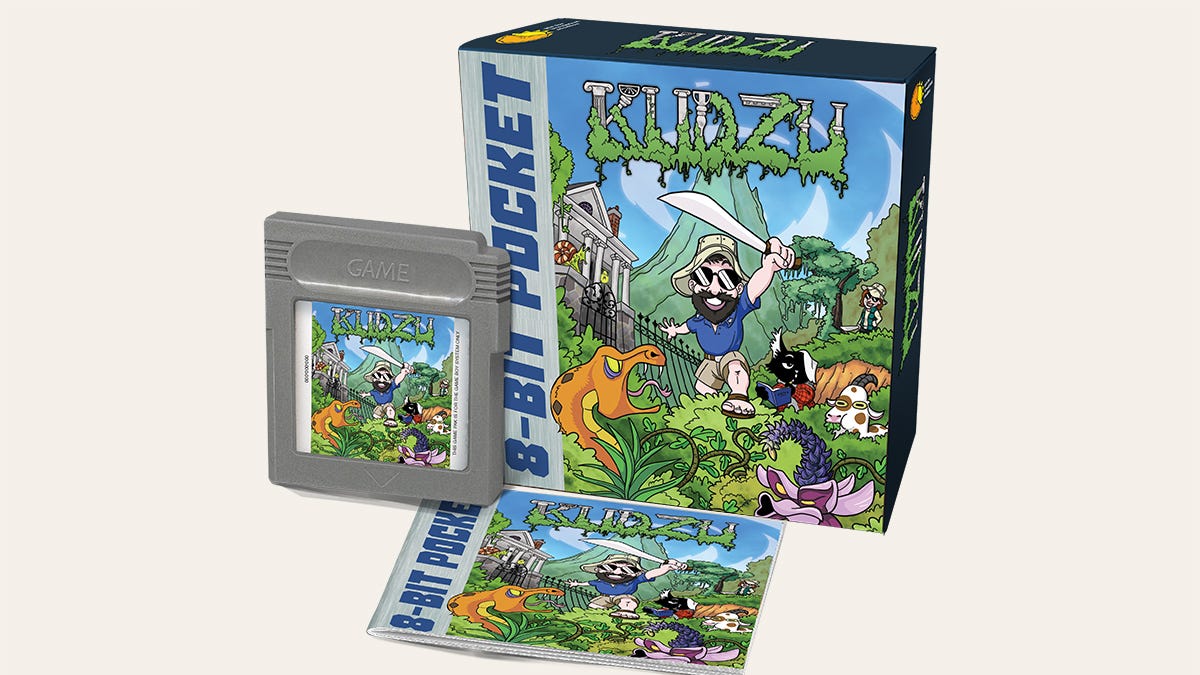
A primary case study for this phenomenon is the development of the game Kudzu, created by Chris Totten. Developed using GB Studio, the project demonstrates how technical limitations—such as restricted sprite counts and color palettes—can serve as creative constraints that simplify the development process for independent creators. The project successfully transitioned from a personal concept to a commercial product, securing $46,195 through a Kickstarter campaign with over 800 backers. This financial support facilitated the production of physical cartridges, bridging the gap between historical gaming experiences and contemporary distribution models.
The broader industry context suggests that the market for retro-platform development is more robust than traditional metrics might indicate. By leveraging modern tools to create for legacy systems, developers are effectively extending the lifecycle of hardware that has been officially unsupported for decades. This shift reflects a broader pattern of creative fragmentation, where independent developers increasingly prioritize platform-specific artistic expression over the high-volume, high-competition environment of modern digital storefronts. The success of such projects underscores a sustainable interest in retro-gaming, sustained by both new software and the hardware innovations that allow these titles to be played on modern devices.
This guide provides a strategic framework for corporate communications, specifically targeting founders and communications professionals within the technology and gaming industries. The central thesis posits that high-stakes public announcements often fail because organizations rely on "corporate drone" language that obscures the truth, alienates audiences, and damages brand reputation. By shifting toward authentic, transparent communication, companies can foster greater trust and advocacy among their user bases.
The core methodology introduced is the "coworker smoke test," a practical technique designed to strip away obfuscation from formal messaging. This process involves explaining a complex situation out loud to a trusted colleague using natural, private language, then transcribing that explanation as the foundation for a first draft. This approach forces the communicator to confront the logic of their position, identify potential weaknesses or edge cases, and ensure the message is grounded in reality rather than defensive spin.
The analysis identifies several common "comms sins" that lead to public relations disasters, including demonstrating a poor understanding of the core issue, adopting a condescending tone, and failing to anticipate audience reactions. The author emphasizes that effective communication requires discernment and self-knowledge, noting that if a leader cannot explain a decision to a peer without feeling like they are acting in bad faith, the underlying strategy is likely flawed and requires revision before any public announcement is made.
While the guidance is tailored to the gaming sector—drawing on the author’s experience with titles like Apex Legends and League of Legends—the principles are presented as universal tools for any organization navigating high-stakes digital environments. The document serves as the first entry in a three-part series focused on professionalizing online communication through clarity, conviction, and strategic empathy.
This publication serves as a curated industry newsletter, providing a digest of significant developments within the global video game sector as of April 2024. The primary objective is to synthesize trending news and data points for industry professionals, offering brief analytical commentary on shifts in platform strategy, media sustainability, and player behavior.
Key findings highlight a notable trend in player engagement, specifically citing data from Newzoo’s 2024 PC and console gaming report. The data reveals that 60 percent of total playtime in 2023 was dedicated to titles at least six years old, with only 8 percent of playtime attributed to new, non-annual releases. This underscores a market environment where legacy titles maintain dominance over new product launches.
Additional industry developments include Discord’s strategic expansion into paid advertising through sponsored quests, which aims to incentivize collaborative gameplay. The newsletter also addresses the ongoing instability within games media, noting that changes to search engine algorithms have negatively impacted traffic for independent outlets, leading to the potential closure of established sites. Finally, the report touches on niche community phenomena, such as the rise of players who actively collect platform-specific bans as a form of hobbyist engagement. The content relies on a mix of industry reports, media coverage, and social commentary to provide a snapshot of the current gaming landscape.
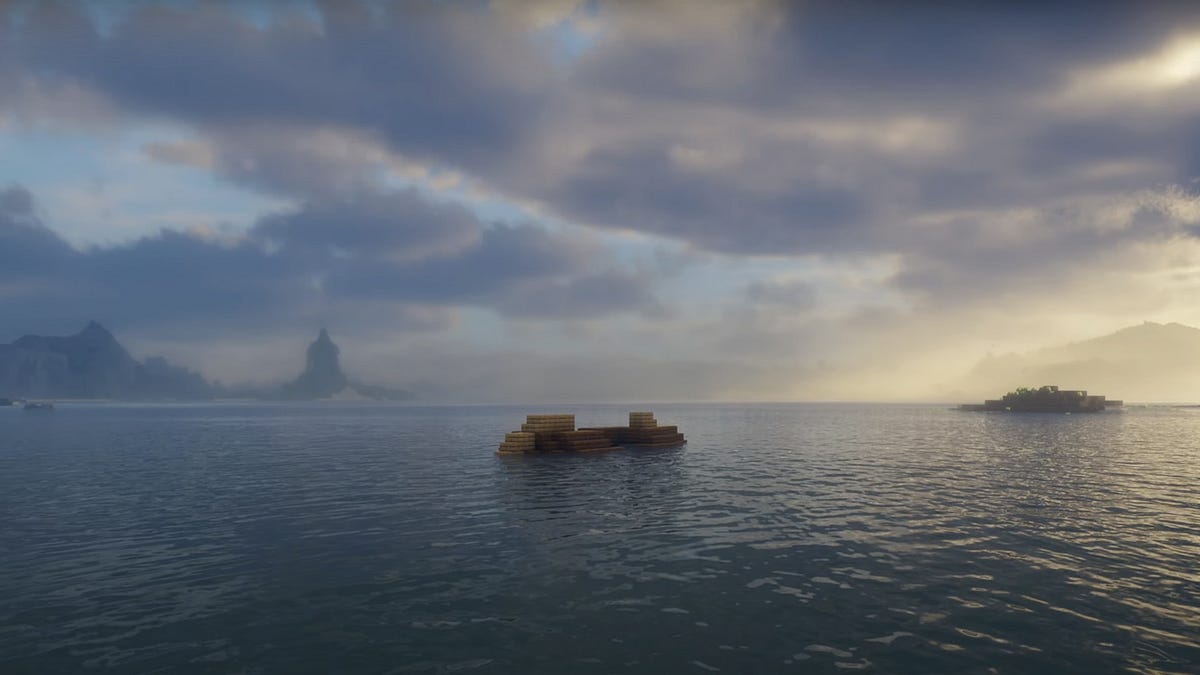
The gaming industry continues to see significant innovation driven by community-led development, particularly within the ecosystem of Minecraft. Despite the game being over 12 years old and having sold 300 million copies, independent modders and shader developers have recently transformed its visual fidelity to rival next-generation titles. This graphical evolution is primarily fueled by community-created tools such as the Distant Horizons mod, which optimizes render distance, and the Bliss shader, which enhances lighting and atmospheric effects.
The development of these tools highlights a shift in how performance is managed within the game. By addressing software-level inefficiencies—specifically the underutilization of multi-core CPUs—modders have enabled high-fidelity visuals that do not necessarily require top-tier hardware. These projects, often developed by individuals with limited formal programming backgrounds, have gained substantial traction through social media and video platforms, leading to a surge in community interest and technical support demands.
However, this rapid growth has created challenges for the volunteer-led teams maintaining these projects. The influx of users has overwhelmed support channels, as much of the technology remains in alpha or beta stages and requires significant technical proficiency to implement. While the creators of these mods express a desire to eventually see their work integrated into the official game, they currently emphasize the need for stability and caution against premature adoption by casual players. This phenomenon underscores the ongoing influence of the modding community in extending the lifecycle and capabilities of established gaming franchises.
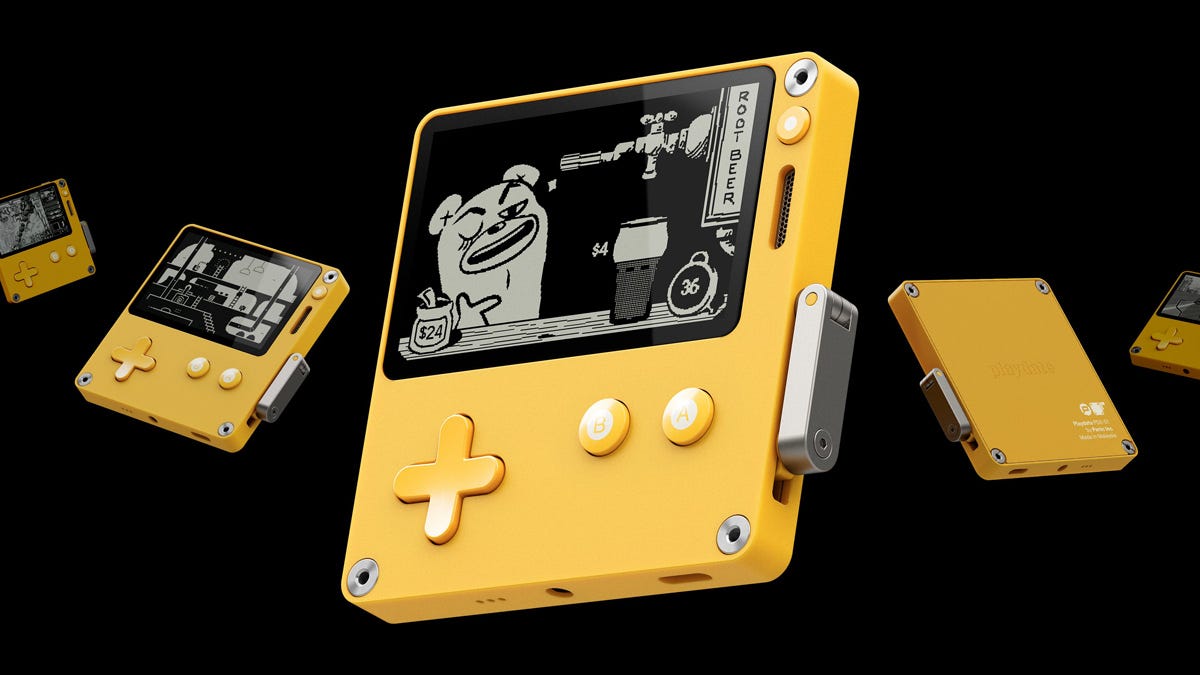
The modern games industry is increasingly defined by massive budgets, long development cycles, and large teams, with some titles requiring hundreds of millions of dollars to produce. In contrast, a burgeoning segment of the market is proving that significant creative innovation can thrive within extreme technical constraints. By examining the ecosystem surrounding the Playdate—a small, handheld console featuring a black-and-white screen and a manual crank—it becomes clear that developers are finding success by prioritizing elegant, tightly designed gameplay over the industry-standard pursuit of graphical spectacle and massive scope.
The Playdate platform currently hosts approximately 150 games, many of which are priced under $10. These titles often utilize minimal memory, with some notable examples functioning on less than 40 KB of data. Developers working in this space often cite the artistic freedom afforded by these limitations, noting that the lack of market pressure allows them to focus on unique mechanics and emotional expression rather than broad commercial appeal. While the platform has a relatively modest install base of 70,000 units, the community of creators is growing, and the platform serves as a viable alternative to the "quintuple-A" development model.
This analysis highlights that the industry’s current focus on high-budget megahits does not represent the entirety of the medium's potential. By embracing hardware limitations, developers are uncovering new mechanics and design philosophies that remain untapped in the mainstream sector. Ultimately, the success of these small-scale projects suggests that the next major evolution in game design may emerge from developers who choose to work within smaller, more focused creative boundaries rather than those chasing the industry's ever-expanding scale.
The emergence of SUMMONER, a specialized creative agency founded by industry veterans Matthew Manarino, Kal Nguyen, and Jordan Schmidt, highlights a growing demand for marketing partners that possess deep, authentic expertise in the gaming sector. The agency’s primary thesis is that traditional advertising firms often fail to grasp the nuances of gaming culture, resulting in generic or disconnected marketing campaigns that do not resonate with players. By positioning themselves as "chief creative officers for hire," the founders aim to bridge the gap between game developers and the marketing assets required for successful product launches.
The agency’s methodology centers on translating complex, often abstract developer visions into effective creative assets, such as trailers, logos, and promotional materials. This approach addresses a common industry pain point where internal teams, while technically proficient in game development, struggle to articulate their product's core value to external creative partners. By acting as a translator between developers and production teams, the agency seeks to streamline the creative process and ensure that marketing output remains faithful to the game's identity.
The industry context for this development is characterized by a recurring dissatisfaction with traditional agencies that rely on superficial knowledge of gaming. The founders argue that many agencies treat diverse gaming communities as a monolithic group, leading to uninspired, "saccharine" advertising that ignores the sophisticated expectations of modern players. By leveraging their background in high-profile projects—including experience on titles like Fortnite and League of Legends—the founders offer a specialized alternative for studios that require high-quality marketing support without the disconnect often found in broader advertising firms. Currently, the agency is focusing its efforts on collaborative partnerships with studios like Theorycraft Games, emphasizing a commitment to authenticity and creative integrity.